Authentic Middle Eastern Hummus (Chummus)
Rate this recipeBe the first to rate
 By AprilPublished
 Are you ready to dip into the rich flavors of the Middle East?
 By AprilPublished
 Are you ready to dip into the rich flavors of the Middle East?
Rinse the garbanzo beans and place them in a pot.
Fill the pot with enough water to cover the beans by at least 1 inch.
If desired, add baking soda to the pot.
Bring the water to a boil and then reduce the heat to medium. Simmer the beans until they are very soft, which should take around 1 1/2 to 2 hours.
Drain the cooked beans, making sure to reserve some of the water for later use.
Set aside a small handful of whole beans for garnishing.
Transfer the remaining beans to a blender or a large bowl if using a hand blender.
Blend the beans until smooth, gradually adding 1/2 cup of olive oil.
If needed, add some of the reserved water to help with the blending process.
Add the tahini, lemon juice, garlic, cumin, and salt to the blended beans and continue blending until well combined.
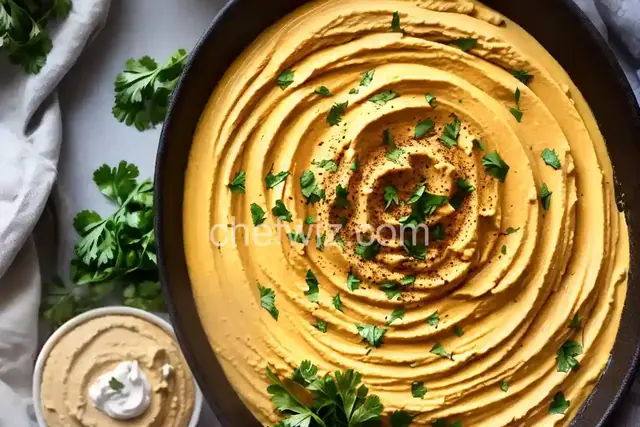
Spread the hummus into a flat serving dish.
Garnish the hummus with the reserved beans and drizzle some olive oil on top.
For the best results, use freshly squeezed lemon juice.
Adjust the amount of lemon juice and garlic according to your taste preferences.
When blending, add enough hot water to achieve a smooth and thick dip consistency, rather than a clumpy paste.
Note that the hummus may
Are you ready to dip into the rich flavors of the Middle East? Look no further than authentic Middle Eastern hummus, also known as chummus. This creamy and flavorful dip is a staple in Middle Eastern cuisine and has gained popularity worldwide for its delicious taste and versatility. In this article, we will explore the origins of hummus, its key ingredients, and how to prepare it in the most authentic way possible.
Hummus has a long and storied history that dates back thousands of years. Its exact origins are still debated, but it is believed to have originated in ancient Egypt or Mesopotamia. Over time, hummus spread throughout the Middle East and became a beloved dish in countries like Lebanon, Syria, Israel, and Palestine.
What sets authentic Middle Eastern hummus apart from other variations is its simple yet flavorful ingredients. Chickpeas, also known as garbanzo beans, are the star of the show. These legumes are packed with protein and fiber, making hummus a nutritious choice. Other essential ingredients include tahini (a paste made from sesame seeds), garlic, lemon juice, and olive oil. These ingredients come together to create a harmonious blend of flavors that will leave your taste buds wanting more.
Now that we know the key ingredients, let's dive into the process of preparing authentic Middle Eastern hummus. First, you'll need to cook your chickpeas until they are tender. This can be done by boiling them or using a pressure cooker. Once the chickpeas are cooked, drain them and allow them to cool slightly. Next, it's time to blend the chickpeas, tahini, garlic, lemon juice, and olive oil together. This can be done in a food processor or a blender. Blend until the mixture is smooth and creamy. If the hummus is too thick, you can add a little bit of water to achieve your desired consistency. Finally, season your hummus with salt and any additional spices you prefer, such as cumin or paprika. Serve your hummus in a bowl, drizzled with olive oil, and garnished with fresh herbs.
Yes, you can make hummus without tahini, but it will have a slightly different flavor. Tahini adds a rich and nutty taste to the hummus, so omitting it may alter the authentic Middle Eastern flavor. However, you can experiment with substitutes like peanut butter or Greek yogurt to achieve a similar texture and creaminess.
When stored properly in an airtight container, homemade hummus can last in the refrigerator for up to one week. Remember to give it a good stir before serving, as it may separate slightly over time.
Absolutely! Hummus freezes well and can be stored in the freezer for up to three months. To thaw, simply transfer it to the refrigerator overnight and give it a stir before serving.
Hummus is incredibly versatile and can be enjoyed in various ways. It makes a great dip for pita bread, fresh vegetables, or even as a spread on sandwiches and wraps. You can also use it as a topping for salads or as a flavorful addition to your favorite Middle Eastern dishes.
Yes, hummus is naturally gluten-free as long as you use gluten-free ingredients. However, it's always a good idea to check the labels of store-bought hummus or any packaged ingredients you use to ensure they are free from gluten.
Absolutely! One of the best things about hummus is its versatility. Feel free to experiment with different flavors and add-ins to suit your taste preferences. You can try adding roasted red peppers, sun-dried tomatoes, roasted garlic, or even fresh herbs like cilantro or parsley to give your hummus a unique twist.
Yes, hummus is a healthy snack option. It is packed with plant-based protein, fiber, and healthy fats from the olive oil and tahini. Additionally, it is low in saturated fat and cholesterol. However, keep in mind that portion control is key, as hummus can be calorie-dense due to the olive oil content.
Yes, you can use canned chickpeas for convenience. Just make sure to drain and rinse them thoroughly before using. However, many people prefer to cook their chickpeas from scratch for a creamier and fresher taste.
In conclusion, authentic Middle Eastern hummus is a delightful and nutritious dip that will transport your taste buds to the vibrant flavors of the Middle East. With its simple yet flavorful ingredients and versatile nature, hummus is a crowd-pleaser that can be enjoyed in various ways. Whether you're dipping pita bread, spreading it on sandwiches, or adding it to your favorite dishes, hummus is sure to satisfy. So, why not give it a try and experience the magic of authentic Middle Eastern hummus for yourself?
AprilCook, recipe developer and the heart of Chefwiz. More about April