Guide
Get the Perfect Guac: How to Tell When an Avocado is Ripe
Unsure about choosing avocados for your guacamole? Discover how to tell when an avocado is ripe with my fun and easy tips! Perfect guac every time!
 By April20 min read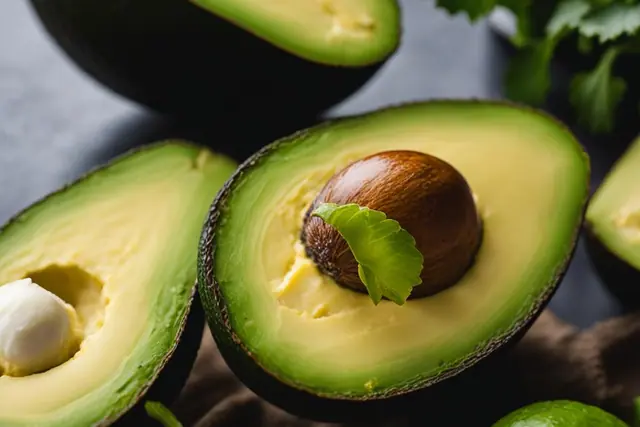
In this guide
- The Importance of Color when Choosing an Avocado
- Assessing Texture for Ripeness
- Testing Firmness to Determine Ripeness
- Differentiating Between Avocados for Immediate Use and Future Ripening
- Avocados From Mexico: Year-Round Availability
- Tips for Ripening Avocados Faster
- Keeping Guacamole Fresh
- Avocado-Infused Recipes
- Best Guacamole Recipe
- Expert Tips on Choosing Ripe Avocados
- How to Store Avocados
- Nutritional Benefits of Avocados
- Enjoying Avocados in Culinary Creations
- Conclusion
- Source Links
- FAQ
Choosing a good avocado can be challenging, but it doesn't have to be. The key traits to look for are color, texture, and firmness. Ripe avocados will have a dark green to nearly black skin color, a bumpy texture, and yield to gentle pressure without feeling mushy.
https://www.youtube.com/watch?v=5WjRXCq5YtM
The Importance of Color when Choosing an Avocado
When it comes to choosing the perfect avocado, color plays a crucial role. The color of an avocado's skin provides valuable insight into its ripeness and flavor profile. Ripe avocados typically have a skin that ranges from dark green to almost black, indicating that the fruit is ready to be enjoyed.
Avoid avocados with a light green or yellowish skin color as they are not yet ripe and may lack the buttery texture and rich taste that ripe avocados offer. Instead, look for avocados that have a consistent, vibrant green color throughout, or ones that have black speckles on a dark green skin. These markings are a sign of a fully ripe avocado.
Different Shades of Green
It's important to note that avocados can come in different shades of green, and the color alone is not the sole determining factor of ripeness. However, it is a good starting point when selecting an avocado. Remember to also consider the texture and firmness of the fruit, as these characteristics can further indicate its level of ripeness.
Next time you're at the grocery store or farmers market, take a moment to examine the avocados' color before making your selection. Choosing an avocado with the right color will ensure a flavorful and enjoyable eating experience.
Assessing Texture for Ripeness
In addition to color, the texture of an avocado's skin can also indicate its ripeness. Ripe avocados will have a bumpy texture, while unripe ones will be smoother. Running my fingers along the avocado's skin, I can feel for these bumps, which are a sign of ripeness.
When assessing the texture of an avocado, it's important to note that the bumps should be evenly distributed and not excessively hard or soft. I gently press my fingers against the avocado to ensure it yields slightly under pressure. This slight give indicates that the avocado is ripe and ready to be enjoyed.
"The bumpy texture of a ripe avocado is like nature's way of saying, 'I'm perfectly creamy and ready for you,'" says avocado expert Chef Maria. "It's a tactile indication of the avocado's ripeness that can be felt by anyone."
Differentiating Between Bumpy and Smooth Avocados
It's important to note that not all avocado varieties have the same texture. Some avocados, like Hass avocados, have a naturally bumpy texture when ripe. Other varieties, such as Fuerte avocados, have a smoother skin even when fully ripe. Keeping this in mind, it's essential to know the specific characteristics of the avocado variety you are selecting.
Table: Avocado Texture Guide
| Texture | Ripeness | Avocado Varieties |
|---|---|---|
| Bumpy | Ripe | Hass, Reed |
| Smooth | Ripe | Fuerte, Bacon |
| Smooth | Unripe | All varieties |
By understanding the texture of different avocado varieties, I can make informed decisions when selecting ripe avocados for my recipes. Whether it's a bumpy Hass avocado or a smooth Fuerte avocado, the texture is a crucial element in determining ripeness and ensuring a flavorful culinary experience.
Testing Firmness to Determine Ripeness
When it comes to choosing a ripe avocado, determining its firmness is crucial. A perfectly ripe avocado should yield to gentle pressure when squeezed, indicating a creamy and buttery texture. To test the firmness of an avocado, simply apply a gentle squeeze with your fingers or palm.
A ripe avocado should give slightly under the pressure, but it should not feel mushy or overly soft. If you feel the avocado indenting or squishing under your fingers, it is likely overripe and may not taste as good. On the other hand, if the avocado feels hard and doesn't yield to pressure, it is not yet ripe and may be too firm to eat.
Remember, avocados can ripen quickly, so it's important to check their firmness regularly. If you're unsure of the avocado's ripeness, you can always buy a few and test their firmness over the course of a few days to find the perfect one for your needs.
To help you better understand the different stages of avocado ripeness and their corresponding firmness levels, refer to the table below:
| Ripeness | Firmness |
|---|---|
| Unripe | Hard and does not yield to pressure |
| Starting to ripen | Yields slightly to pressure |
| Ripe | Yields to gentle pressure |
| Overripe | Feels mushy and leaves indentations |
By utilizing the method of testing firmness, you can ensure that you choose avocados that are perfectly ripe and ready to enjoy in your favorite recipes.
Differentiating Between Avocados for Immediate Use and Future Ripening
When it comes to selecting avocados, it's important to consider your immediate needs and future plans. Depending on whether you want avocados that are ready to eat right away or ones that will ripen over time, you can make the best choice for your culinary endeavors.
Ready-to-Eat Avocados
If you're looking for avocados that are ripe and ready to be enjoyed immediately, opt for those that are dark green and speckled with black. These avocados should also have a firm texture when gentle pressure is applied. They are perfect for immediate use, whether you're making guacamole or adding slices to sandwiches and salads.
Avocados for Ripening
If you're planning ahead and want avocados that will ripen in a few days, choose green avocados with smooth skin and firmness when pressure is applied. These avocados will take approximately 3-4 days to ripen, giving you the flexibility to incorporate them into your recipes when they reach the desired level of ripeness.
By differentiating between avocados for immediate use and future ripening, you can ensure that you always have perfectly ripe avocados on hand. Whether you're preparing a last-minute guacamole for a party or planning a delicious avocado-infused meal later in the week, selecting the right avocados will guarantee the best results.
Avocados From Mexico: Year-Round Availability
When it comes to enjoying the creamy goodness of avocados, availability is key. That's why Avocados From Mexico are a game-changer. Unlike some other fruits that are only in season for a limited time, avocados from Mexico are available year-round. So whether it's the middle of summer or the dead of winter, you can always satisfy your avocado cravings.
With Avocados From Mexico, you no longer have to wait for the perfect time to indulge in delicious guacamole or incorporate avocados into your favorite recipes. They're always ready and waiting, just a trip to the grocery store away. And because they're available all year, you can enjoy the nutritious benefits of avocados whenever you please.
Avocados From Mexico are known for their high quality and incredible taste. They're carefully grown and harvested, ensuring that you get the best avocados every time. So whether you're making avocado toast for breakfast, a refreshing avocado salad for lunch, or a creamy guacamole dip for a party, Avocados From Mexico are the reliable choice that never disappoints.
So the next time you're at the grocery store and find yourself craving the perfect avocado, look no further than Avocados From Mexico. With their year-round availability, you can always have ripe and delicious avocados on hand. Whether you're a guacamole enthusiast or simply love the creamy texture and taste of avocados, you'll never be disappointed with Avocados From Mexico.
Tips for Ripening Avocados Faster
If you find yourself needing to ripen avocados quickly, there are a few tricks you can try at home. One method is to place the avocados in a brown bag along with a banana or apple. The ethylene gas released by the banana or apple will help speed up the ripening process. Seal the bag and store it at room temperature for 2 to 3 days. The avocados should be ripe and ready to enjoy!
Another method is to use the microwave. Carefully pierce the avocados with a fork or knife to allow steam to escape. Place the avocados in the microwave and heat them on low power for 30-second intervals, checking for ripeness after each interval. Be cautious not to overheat the avocados and make them mushy.
If you're in a hurry and want to enjoy your avocados faster, both of these methods can help expedite the ripening process. Just remember to keep a close eye on them to ensure they don't become overripe or ruined. With a little patience and these tips, you'll have perfectly ripe avocados in no time!
Keeping Guacamole Fresh
Guacamole is a delicious and versatile dip that adds flavor and creaminess to various dishes. However, it can quickly turn brown due to the avocado's exposure to oxygen. To keep your guacamole fresh and prevent browning, here are a few simple tips:
- Press Plastic Wrap: After preparing your guacamole, press plastic wrap tightly against the surface to prevent air contact. This creates a barrier that helps slow down the oxidation process.
- Use Olive Oil: Another method to keep guacamole fresh is to spread a thin layer of olive oil on the surface before covering it with plastic wrap. The oil acts as a protective seal and helps retain the vibrant green color of the guacamole.
- Add Lime Juice: Squeezing fresh lime juice over the guacamole can also help slow down browning. The acidity of the lime juice helps to inhibit enzymatic browning, keeping the guacamole looking fresh for a longer period.
- Store in the Refrigerator: To further extend the freshness of your guacamole, place it in an airtight container and refrigerate. The cool temperature of the refrigerator slows down the oxidation process and helps maintain the vibrant color of the guacamole.
By following these tips, you can enjoy fresh and vibrant guacamole for longer periods, allowing you to savor every bite without worrying about it turning brown.
Table: Comparing Guacamole Preservation Methods
| Preservation Method | Effectiveness | Additional Benefits |
|---|---|---|
| Pressing Plastic Wrap | Effective in preventing oxidation and browning | Easy to implement and readily available |
| Using Olive Oil | Offers a protective seal to inhibit browning | Enhances flavor and adds richness to the guacamole |
| Adding Lime Juice | Acidity slows down enzymatic browning | Provides a tangy citrus flavor to the guacamole |
| Refrigerating in an Airtight Container | Prolongs freshness by slowing down oxidation | Prevents cross-contamination and maintains texture |
By implementing these preservation methods, you can keep your guacamole looking fresh, vibrant, and appetizing, ensuring that each scoop brings a burst of flavor to your taste buds.
Avocado-Infused Recipes
If you're looking to add a creamy and nutritious touch to your meals, avocados are the perfect ingredient to incorporate into your recipes. From classic guacamole to refreshing avocado salads and trendy avocado toast, there are numerous ways to enjoy the versatility of this delicious fruit. Experiment with different flavors and textures to create mouthwatering dishes that will impress your family and friends.
Here are some avocado-infused recipes to inspire your culinary adventures:
Guacamole Recipe
Guacamole is a classic avocado-based dip that is perfect for parties, gatherings, or as a delicious snack. To make a basic guacamole, mash ripe avocados with a fork and mix in chopped tomato, red onion, fresh cilantro, garlic, lime juice, and salt. Adjust the ingredients to suit your taste preferences and don't be afraid to get creative with additional flavorings like diced jalapeno peppers or cumin.
Avocado Salad
An avocado salad is a refreshing and nutritious dish that can be enjoyed as a light lunch or a side dish. Start by combining diced avocados with mixed greens or your favorite salad greens. Add in cherry tomatoes, cucumber slices, red onion, and any other fresh vegetables you like. Drizzle with a simple dressing made from olive oil, lemon juice, salt, and pepper. Toss everything together and enjoy!
Avocado Toast
Avocado toast has become a popular breakfast or brunch option that is both satisfying and nutritious. Start by toasting your favorite bread. Mash a ripe avocado with a fork and spread it generously on the toast. Add toppings like sliced tomato, a sprinkle of sea salt, a drizzle of olive oil, or a dash of hot sauce for an extra kick. Get creative with different combinations of flavors and textures to make your avocado toast personalized and delicious.
These are just a few examples of the many ways you can incorporate avocados into your meals. Get creative in the kitchen and discover new avocado-infused recipes that will add a creamy and nutritious touch to your culinary creations. Whether you're a guacamole enthusiast or looking to try something new, avocados are sure to elevate your dishes and satisfy your taste buds.
Best Guacamole Recipe
Looking for the perfect guacamole recipe? Look no further! I've got you covered with this simple and delicious guacamole recipe that will be a hit at any gathering or as a tasty snack. Let's dive right in!
Guacamole Ingredients:
- 3 ripe avocados
- 1/4 cup finely chopped red onion
- 2 tablespoons fresh lime juice
- 1/4 cup finely chopped fresh cilantro
- 1 small garlic clove, minced
- 1/2 teaspoon salt
Once you have gathered all the ingredients, it's time to prepare the guacamole. Start by halving the avocados and removing the pits. Scoop out the avocado flesh and place it in a bowl. Mash the avocados with a fork until you achieve your desired consistency, whether you prefer it chunky or smooth.
"The secret to a great guacamole is using ripe avocados and balancing the flavors with the right amount of lime juice, salt, and fresh herbs." - Chef Maria
Next, add the finely chopped red onion, fresh lime juice, minced garlic clove, and finely chopped cilantro to the mashed avocados. Season with salt to taste. Gently mix all the ingredients together until well combined. Taste and adjust the seasoning if needed.
And there you have it, the best guacamole recipe! Serve it with tortilla chips, use it as a topping for tacos or nachos, or spread it on toast for a delicious and healthy snack. Get creative and experiment with different variations by adding ingredients like diced tomatoes, jalapeno peppers, or even bacon. The possibilities are endless!
| Ingredients | Quantity |
|---|---|
| Ripe avocados | 3 |
| Red onion, finely chopped | 1/4 cup |
| Fresh lime juice | 2 tablespoons |
| Fresh cilantro, finely chopped | 1/4 cup |
| Garlic clove, minced | 1 small |
| Salt | 1/2 teaspoon |
So, the next time you're craving some guacamole, give this recipe a try and impress your friends and family with your culinary skills. Enjoy the creamy texture, tangy lime flavor, and the vibrant colors of this classic Mexican dip. Happy dipping!
Expert Tips on Choosing Ripe Avocados
When it comes to choosing ripe avocados, there are a few key signs to look out for. By paying attention to the color, texture, and firmness of the fruit, you can ensure that you select the perfect avocado for your needs. Here are some expert tips:
Color:
The color of an avocado's skin is a good indicator of its ripeness. Look for avocados with a dark green to almost black exterior. This deeper color suggests that the fruit is ripe and ready to eat. Avoid avocados with a light green or yellowish skin, as they are likely underripe.
Texture:
Texture is another important factor to consider when choosing avocados. Ripe avocados will have a slightly bumpy texture on their skin. Gently run your fingers along the surface of the avocado and feel for these bumps. This texture indicates that the fruit is at its peak ripeness.
Firmness:
When applying gentle pressure to an avocado, it should yield slightly without feeling overly soft or mushy. A ripe avocado will give way to your touch but still maintain its shape. Avoid avocados that are too firm or too squishy, as these are likely either underripe or overripe, respectively.
Remember to check the stem of the avocado as well. If the stem comes off easily and reveals a green flesh underneath, it's a good indication that the fruit is ripe. However, if you see a brown color under the stem, it means the avocado is overripe and may have brown flesh inside.
By following these expert tips, you'll be able to choose ripe avocados that are perfect for your culinary adventures. So next time you're at the grocery store or farmers market, put your newfound knowledge to use and select the best avocados for your guacamole, salads, or avocado toast!
How to Store Avocados
Properly storing avocados is essential to maintain their freshness and extend their shelf life. Whether you have ripe avocados that you want to prevent from overripening or unripe avocados that you want to ripen gradually, the right storage techniques can make a significant difference. Here are some tips on how to store avocados effectively.
Refrigerator Storage
Storing avocados in the refrigerator is a great way to slow down the ripening process and keep them fresh for longer. If you have ripe avocados that you're not ready to eat yet, placing them in the refrigerator can help preserve their ripeness. Wrap each avocado individually in a piece of newspaper or paper towel to absorb excess moisture and prevent them from becoming mushy. Then, place the wrapped avocados in the refrigerator's crisper drawer. This method can help maintain the quality of ripe avocados for up to 5 days.
Extending Shelf Life
If you have unripe avocados that you want to ripen faster, it's best to store them at room temperature until they are ready to eat. You can speed up the ripening process by placing the avocados in a brown paper bag along with a ripe banana or apple. These fruits release a natural gas called ethylene, which accelerates the ripening of avocados. Seal the bag and leave it at room temperature for a day or two, checking the avocados regularly until they reach the desired ripeness.
Note: Once an avocado is cut or sliced, it's best to consume it immediately to prevent browning and maintain its freshness.
Summary
By following these storage tips, you can ensure that your avocados stay fresh and delicious for longer. Remember to refrigerate ripe avocados to slow down the ripening process and use them within 5 days. For unripe avocados, store them at room temperature to allow them to ripen naturally or use the paper bag method to expedite the process. With proper storage, you can enjoy the creamy goodness of avocados whenever you please.
Nutritional Benefits of Avocados
Avocados are not only delicious but also offer a range of nutritional benefits. They are packed with good fats, making them a great addition to a healthy diet. These monounsaturated fats promote heart health and can help reduce bad cholesterol levels. Incorporating avocados into your meals can contribute to a well-balanced and nutritious eating plan.
Not only do avocados contain healthy fats, but they are also a good source of vitamins and minerals. They are rich in vitamin K, which plays a role in bone health and blood clotting. Avocados also provide vitamin E, an antioxidant that helps protect cells from damage. Additionally, they are a good source of vitamin C, which supports immune function, and potassium, an essential mineral that helps maintain healthy blood pressure.
When it comes to weight management, avocados can be a valuable addition to your diet. Despite their high fat content, they are relatively low in calories and can help you feel satiated. The combination of fiber and healthy fats in avocados can help control hunger and prevent overeating. Including avocados in your meals can help you maintain a healthy weight and support overall well-being.
Table: Nutritional Profile of Avocados (Per 100 grams)
| Nutrient | Amount |
|---|---|
| Calories | 160 |
| Total Fat | 15 grams |
| Saturated Fat | 2.1 grams |
| Monounsaturated Fat | 9.8 grams |
| Polyunsaturated Fat | 1.8 grams |
| Carbohydrates | 9 grams |
| Fiber | 7 grams |
| Protein | 2 grams |
| Vitamin K | 21% of the Daily Value (DV) |
| Vitamin E | 10% of the DV |
| Vitamin C | 17% of the DV |
| Potassium | 14% of the DV |
Source: USDA FoodData Central
As part of a balanced diet, avocados can provide numerous health benefits. Their nutritional composition, including good fats, vitamins, minerals, and fiber, make them a valuable addition to any meal. Whether you enjoy them sliced, mashed, or blended into a delicious smoothie, avocados are a versatile and nutritious fruit that can enhance your well-being.
Enjoying Avocados in Culinary Creations
Avocados are not only delicious and nutritious, but also incredibly versatile in the kitchen. From appetizers to main courses, avocados can be incorporated into a wide range of culinary creations to add a creamy and flavorful touch. Here are some ideas and recipes to inspire you to get creative with avocados:
Avocado Toast:
Start your day off right with a simple and satisfying avocado toast. Mash ripe avocado with a fork and spread it onto toasted bread. Sprinkle with salt, pepper, and a squeeze of fresh lemon or lime juice for added brightness. You can also top your avocado toast with additional ingredients like sliced tomatoes, poached eggs, or crumbled feta cheese for extra flavor.
Avocado Salad:
A refreshing avocado salad is perfect for those hot summer days or as a light lunch option. Combine diced avocado, cherry tomatoes, cucumber, red onion, and fresh herbs like cilantro or basil. Drizzle with a dressing made from olive oil, lemon juice, salt, and pepper. Toss everything together and enjoy a healthy and vibrant salad that showcases the natural creaminess of avocados.
Guacamole:
No avocado recipe list is complete without mentioning the classic guacamole. Mash ripe avocados with a fork until creamy, then add finely chopped red onion, jalapeno pepper, garlic, and fresh lime juice. Season with salt, pepper, and a sprinkle of chopped cilantro. Mix everything together and serve with tortilla chips or as a topping for your favorite Mexican dishes. Customize your guacamole with additional ingredients like diced tomatoes, mango, or even bacon for a unique twist.
These are just a few examples of how you can incorporate avocados into your culinary creations. Get creative and experiment with different recipes and flavor combinations. Whether you're a seasoned chef or a kitchen novice, avocados are a versatile ingredient that can elevate the taste and texture of any dish.
| Recipe | Ingredients | Instructions |
|---|---|---|
| Avocado Pasta | Ripe avocados, cooked pasta, garlic, lemon juice, cherry tomatoes, fresh basil, salt, pepper, grated Parmesan cheese |
|
| Avocado Smoothie | Ripe avocados, almond milk, spinach, banana, honey, vanilla extract, ice cubes |
|
Conclusion
To sum it up, choosing a ripe avocado is key to enjoying its creamy goodness and reaping the nutritional benefits it offers. When selecting avocados, consider their color, texture, and firmness. Ripe avocados will have a dark green to almost black skin color, a bumpy texture, and yield to gentle pressure without feeling mushy.
Remember, the color of an avocado's skin can indicate its ripeness, with dark green to nearly black being the ideal hue. Texture also plays a role, as ripe avocados will have a bumpy skin instead of a smooth one. And don't forget to test the firmness – a ripe avocado should give slightly when squeezed, without feeling overly soft or squishy.
By keeping these factors in mind, you can confidently select avocados that are ready to eat or ones that will ripen over time according to your needs. Whether you're making guacamole or adding avocados to your favorite recipes, choosing ripe avocados ensures a delicious end result. So go ahead, indulge in the versatility and goodness of avocados in your culinary adventures!
Source Links
- https://www.tastesoflizzyt.com/how-to-make-guacamole/
- https://avocadosfrommexico.com/how-to/how-to-tell-if-an-avocado-is-ripe/
- https://www.realsimple.com/how-to-tell-if-an-avocado-is-ripe-7551919
Frequently asked questions
- How can I tell when an avocado is ripe?
Look for a dark green to almost black exterior with a bumpy skin. The avocado should yield to gentle pressure without feeling mushy.
- Why is the color of an avocado important when choosing a ripe one?
The color of an avocado's skin is an indicator of its ripeness. Ripe avocados will have a dark green to nearly black skin color, while unripe ones will have a lighter green or yellowish color.
- How can I determine the ripeness of an avocado based on its texture?
Ripe avocados will have a bumpy texture, while unripe ones will be smoother. Run your fingers along the avocado's skin to feel for these bumps, which indicate ripeness.
- What should I consider when testing the firmness of an avocado?
Ripe avocados should yield to gentle pressure when squeezed, without feeling mushy or leaving indentations.
- How do I choose avocados for immediate use versus future ripening?
For avocados ready in 1-2 days, choose dark green and black speckled ones that are somewhat firm. For avocados that will ripen in 3-4 days, select green avocados with smooth skin and firmness when pressure is applied.
- Are avocados available year-round?
Yes, Avocados From Mexico are available year-round, ensuring you can enjoy ripe avocados at any time of the year.
- How can I ripen avocados quickly?
Place avocados in a brown bag with a banana or apple, seal the bag, and store it at room temperature for 2-3 days. The ethylene gas released by the banana or apple will help ripen the avocados faster.
- How can I keep guacamole fresh?
Press plastic wrap tightly against the surface of guacamole to prevent air contact. Another method is to spread a thin layer of olive oil on the guacamole before covering it with plastic wrap. Additionally, pouring a little water over the guacamole and refrigerating it can help maintain its freshness.
- What are some ways to use avocados in recipes?
Avocados can be used in various recipes, including guacamole, salads, sandwiches, soups, smoothies, and avocado toast. Get creative and experiment with different flavors and textures.
- What are the basic ingredients for guacamole?
The basic ingredients for guacamole include ripe avocados, salt, and lime juice. However, you can customize your guacamole by adding finely chopped tomato, red onion, fresh cilantro, garlic, and jalapeno pepper.
- How do I store avocados?
To extend the shelf life of avocados, store them in the refrigerator. If you have ripe avocados that you want to prevent from overripening, place them in the refrigerator. If you have unripe avocados, store them at room temperature until they are ready to eat.
- What are the nutritional benefits of avocados?
Avocados are rich in healthy monounsaturated fats, vitamins (such as K, E, and C), minerals, and potassium. They can promote heart health and help reduce bad cholesterol levels.
- How can I incorporate avocados into my meals?
Avocados can be used in a wide range of culinary creations, including salads, sandwiches, soups, smoothies, and as a spread on toast. Adding avocados can elevate the flavor and texture of your meals.
- What are some expert tips for choosing ripe avocados?
Look for a dark green to almost black exterior with a bumpy skin. The avocado should yield to gentle pressure without feeling mushy, and the stem should come off easily.
- Is there a conclusion to this article?
No, there is no conclusion section in this article.
AprilCook, recipe developer and the heart of Chefwiz. More about April