Guide
Quick Guide: How to Tell if Zucchini is Bad
Discover how to tell if zucchini is bad with my easy-to-follow guide. Never question your veggies again! Learn the surefire signs of spoiling today.
 By April16 min read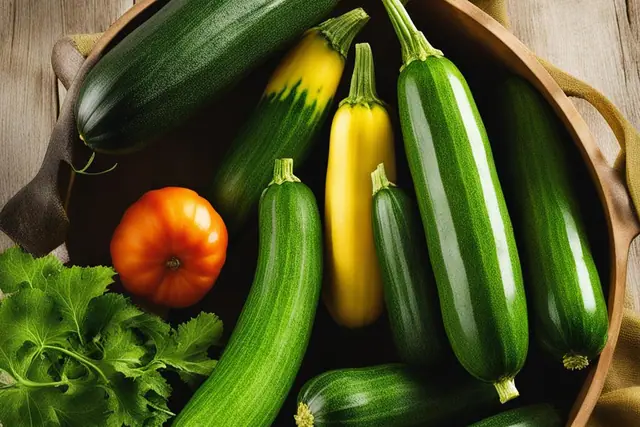
In this guide
- What is Zucchini and How to Select it?
- Signs of Bad Zucchini: Visual Inspection
- Signs of Bad Zucchini: Texture
- Signs of Bad Zucchini: Smell
- Signs of Bad Zucchini: Taste
- Signs of Bad Zucchini in the Garden
- How to Select Fresh Zucchini
- How to Store Zucchini
- How to Freeze Zucchini
- Conclusion
- Zucchini Recipes to Try
- Additional Resource: How to Cut Zucchini Properly
- Source Links
- FAQ
https://www.youtube.com/watch?v=dWkph1ycr_4
Hey there! Are you a fan of zucchini but sometimes unsure if it's still good to eat? Well, you've come to the right place. As a vegetable lover myself, I understand the importance of knowing how to spot bad zucchini to avoid any unpleasant surprises.
In this quick guide, I'll share with you some handy tips on determining the freshness of your zucchini. By keeping an eye out for signs of spoilage and following these simple guidelines, you'll always have delicious and healthy zucchini on hand for your favorite recipes.
What is Zucchini and How to Select it?
Zucchini is a type of summer squash that is widely used in culinary dishes and recipes. It comes in various colors, including deep green, light green, yellow, or orange, adding a vibrant touch to any kitchen. When choosing zucchini, there are a few key factors to consider to ensure its freshness and quality.
First and foremost, look for zucchinis with firm flesh. Gently press your fingers into the skin of the zucchini to check for any sponginess or give. A fresh zucchini should have a mild sweet taste and a slightly crisp texture. Additionally, the skin and immature white seeds of the zucchini are edible and contribute to its culinary appeal.
Avoid zucchinis with strong bitterness, as this can indicate spoilage and potential health risks. It's important to note that zucchinis with bumps or ridges are perfectly normal and do not affect their taste or quality. Embrace the unique shapes and sizes of zucchinis, as they can add interest and variety to your recipes.
To summarize, select zucchinis with firm flesh, a mild sweet taste, and avoid those with strong bitterness. The skin and immature white seeds are edible. Embrace the unique shapes and sizes of zucchinis as they can add variety to your culinary creations.
Signs of Bad Zucchini: Visual Inspection
When it comes to identifying whether a zucchini is bad or not, visual inspection is key. By carefully examining the appearance of the zucchini, you can spot signs of spoilage such as mold, decay, wrinkles, and shrivels.
| Signs of Bad Zucchini: Visual Inspection | What to Look For |
|---|---|
| Rotten spots | This indicates decay and should be cause for discarding the zucchini. |
| Moldy parts | Mold can indicate spoilage and potential health risks. If an extensive amount of mold is present, discard the entire zucchini. |
| Wrinkles and shrivels | These are signs of aging and potential spoilage. Avoid zucchinis with excessively wrinkled or shriveled skin. |
It's important to note that small black spots on the skin can be cut out, but if the rot or mold is widespread, it's best to discard the whole zucchini. Additionally, zucchinis with a mushy or soft texture should also be avoided, as they may be spoiled on the inside.
By paying close attention to the visual appearance of your zucchini, you can ensure that you're using only fresh and safe produce in your cooking. Remember, a bad zucchini may not only affect the taste of your dish but could also pose potential health risks.
Summary:
- Visual inspection is crucial in determining if a zucchini is bad.
- Look for signs of mold, decay, wrinkles, and shrivels on the zucchini's skin.
- Small black spots can be cut out, but widespread rot or mold should prompt discarding the entire zucchini.
- Avoid zucchinis with mushy or soft texture as they may be spoiled on the inside.
Signs of Bad Zucchini: Texture
When it comes to determining if zucchini has gone bad, one of the key indicators is its texture. A fresh zucchini should have a firm and crisp texture, but when it starts to spoil, it can develop a stringy, spongy, or mushy consistency.
Stringy zucchini refers to a vegetable that has fibers that easily separate and become string-like. This can make the zucchini difficult to chew and less enjoyable to eat. Spongy zucchini, on the other hand, feels soft and lacks the desired crispness. It may also have a waterlogged texture, which is a sign of excess moisture and potential spoilage.
Mushy zucchini is another texture problem to watch out for. It can occur when the zucchini becomes soft and loses its firmness. This can be a result of overripening or bacterial or fungal growth. Finally, rubbery zucchini can be an indication of dehydration or improper storage.
To determine if your zucchini has a texture issue, gently squeeze the vegetable and feel for any abnormalities. If it feels stringy, spongy, mushy, or rubbery, it's best to discard it and opt for a fresh zucchini for your recipes.
Table: Comparison of Zucchini Texture
| Texture | Description |
|---|---|
| Stringy | Fibers easily separate and become string-like |
| Spongy | Soft and lacks desired crispness, waterlogged texture |
| Mushy | Soft and lacking firmness, potential overripening or spoilage |
| Rubbery | Dehydrated or improperly stored, lacking desired texture |
Signs of Bad Zucchini: Smell
One of the key indicators of a bad zucchini is its smell. Fresh zucchinis have a pleasant, earthy aroma that is reminiscent of other vegetables. However, when a zucchini has gone bad, it can emit a strong, vinegar-like or sour-fermented scent. This strong odor is a clear sign of potential food poisoning, indicating that the zucchini is no longer safe to eat.
It's important to note that zucchinis can develop this unpleasant smell due to bacterial or fungal growth, which can lead to serious health problems if consumed. Therefore, if you detect a strong, off-putting smell coming from your zucchini, it's best to err on the side of caution and discard it immediately.
When handling zucchinis, trust your sense of smell to guide you in determining their freshness. Don't take any chances with zucchinis that have a strong, vinegar-like or sour-fermented odor, as they can pose a risk to your health.
Signs of Bad Zucchini: Taste
When it comes to determining whether zucchini is bad or not, taste can be a crucial indicator. While a slight bitterness is normal in young zucchinis due to the presence of cucurbitacins, a strong or overpowering bitterness is a sign that the zucchini is spoiled and should not be consumed. It's important to note that high levels of cucurbitacins can cause stomach upset, diarrhea, or even poisoning, so it's best to err on the side of caution if you notice a strong bitter taste.
One way to test the taste of zucchini is to sample a small piece. If it tastes significantly bitter, it's a clear indication that the zucchini is bad and should be discarded. To ensure food safety, it's always better to be safe than sorry. Consuming spoiled zucchini can lead to unpleasant health problems, and it's best to avoid them altogether.
Table: Zucchini Taste Testing Guide
| Taste | Indication |
|---|---|
| Slight bitterness | Normal for young zucchini |
| Strong bitterness | Sign of spoilage; zucchini is bad |
Remember, when it comes to taste, trust your palate. If something doesn't taste right, it's best to discard the zucchini and opt for a fresh one. By being vigilant with taste testing, you can ensure that you're using only the best-quality zucchini in your recipes and avoiding any potential health risks associated with spoiled zucchini.
Signs of Bad Zucchini in the Garden
When growing zucchini in your garden, it's important to be aware of signs of spoilage. By identifying these indicators early on, you can take appropriate action to salvage your zucchinis and ensure a bountiful harvest. Here are some common signs of bad zucchini to look out for:
Signs of Over-Fertilization
One potential cause of bad zucchini in the garden is over-fertilization. If your zucchinis develop rotten spots while still on the plant, it may be a result of excessive fertilization. This can lead to imbalances in nutrient uptake and cause the fruit to rot prematurely. To address this issue, adjust your fertilization routine and avoid using excessive amounts of fertilizer.
Lack of Calcium
Zucchinis with rotten spots may also indicate a lack of calcium in the soil. Calcium is an essential nutrient for plant growth and plays a crucial role in fruit development. A deficiency of calcium can result in a condition known as blossom end rot, where the blossom end of the zucchini becomes dark and mushy. To prevent this, ensure that your garden soil has adequate calcium levels or consider adding calcium-rich amendments.
Harvesting Timing
The timing of zucchini harvesting can greatly impact their quality. Leaving zucchinis on the plant for too long can result in loss of taste and texture. It's best to harvest zucchinis when they are still relatively small, around 15 to 25 cm (6 to 8 inches) in length. This ensures that they are tender and flavorful. Be sure to check your zucchini plants regularly and harvest the fruits promptly to avoid any deterioration.
| Signs of Bad Zucchini in the Garden | Possible Causes |
|---|---|
| Rotten spots on zucchini while still on the plant | Over-fertilization |
| Rotten spots on zucchini | Lack of calcium in the soil |
| Loss of taste and texture | Leaving zucchinis in the garden for too long |
By keeping an eye out for these signs and addressing any issues promptly, you can ensure that your zucchini plants thrive and produce high-quality fruits. Remember to adjust your fertilization routine, monitor calcium levels in the soil, and harvest your zucchinis at the right time to enjoy the best flavor and texture.
How to Select Fresh Zucchini
When it comes to choosing the freshest zucchini for your recipes, there are a few key factors to consider. Follow these tips to ensure you're selecting the best zucchinis:
- Size: Look for zucchinis that are around 15 to 25 cm (6 to 8 inches) in length. Zucchinis of this size are typically at their peak freshness.
- Stems: Check for zucchinis with fresh, green stems still attached. The stems help preserve the freshness of the vegetable and indicate that it's recently harvested.
- Skin: Inspect the skin of the zucchini. It should be clean and free from any marks or discoloration. Avoid zucchinis with blemishes or soft spots as they may indicate spoilage.
- Firmness: Gently squeeze the zucchini to assess its firmness. Fresh zucchinis will have a slight give when pressed but should not feel overly soft or mushy. Avoid zucchinis that are too firm or too soft.
By keeping these criteria in mind, you can ensure that you're selecting fresh and high-quality zucchinis for your culinary creations.
| Selection Factors | Good Choice | Avoid |
|---|---|---|
| Size | 15-25 cm (6-8 inches) in length | Too large or too small |
| Stems | Fresh, green stems | Wilted or brown stems |
| Skin | Clean and mark-free | Blemishes or soft spots |
| Firmness | Slight give when pressed | Too firm or too soft |
How to Store Zucchini
Proper storage is crucial to maintaining the freshness and quality of zucchini. Whether you have an abundance of zucchini from your garden or bought it from the store, knowing how to store it correctly will help you avoid waste and ensure you always have delicious zucchini on hand for your recipes.
At room temperature, zucchini can last for 3 to 4 days in a cool and dry place. Avoid washing or cutting the zucchini until you're ready to use it, as moisture can accelerate spoilage. If you have leftover zucchini, place it in the refrigerator to extend its shelf life.
In the fridge, store whole zucchinis at a temperature between 41 to 50 degrees Fahrenheit. The crisper drawer or vegetable drawer is the ideal spot for zucchini storage. Remember to keep the zucchinis unwashed and uncut until you're ready to enjoy them. Cut and prepared zucchini should be consumed within 2 to 3 days to ensure the best quality.
If you find yourself with an excess of zucchini, freezing is a great option to preserve it for future use. Before freezing, it's important to blanch the zucchini to maintain its texture and flavor. Slice the zucchini into rounds or strips, blanch them in hot unsalted water for a minute, then cool them in ice water. Remove excess water with paper towels and pre-freeze the sliced zucchini on a tray before transferring them to freezer-safe containers or bags. Frozen zucchini can be stored for up to 3 to 12 months.
| Storage Method | Temperature | Shelf Life |
|---|---|---|
| Room Temperature | 60-70°F (15-21°C) | 3 to 4 days |
| Refrigerator | 41-50°F (5-10°C) | 2 to 3 days |
| Freezer | 0°F (-18°C) | 3 to 12 months |
By following these storage guidelines, you can ensure that your zucchini stays fresh and delicious for as long as possible, allowing you to enjoy this versatile vegetable in a variety of dishes throughout the year.
How to Freeze Zucchini
If you have a surplus of zucchini or want to preserve its freshness for later use, freezing is a great option. Freezing zucchini is a simple process that involves a few key steps to ensure the best results. Here's a step-by-step guide on how to freeze zucchini:
Preparation:
- Start by washing the zucchini under cool running water to remove any dirt or debris.
- Next, slice the zucchini into rounds or strips, depending on your preference. You can also grate it if you plan to use it in recipes like zucchini bread or muffins.
Blanching:
Blanching helps to preserve the color, flavor, and texture of zucchini before freezing. Follow these steps:
- Bring a pot of water to a boil and add the zucchini slices or strips.
- Let the zucchini blanch for about one minute.
- Drain the zucchini and immediately transfer it to a bowl filled with ice water. This helps to stop the cooking process and preserve the zucchini's vibrant color.
- After a few minutes in the ice water, drain the zucchini again and pat it dry with paper towels to remove excess moisture.
Storage:
Proper storage is crucial to prevent freezer burn and maintain the quality of the frozen zucchini. Follow these guidelines:
- Pre-freeze the sliced zucchini on a tray lined with parchment paper or a silicone mat. This prevents the zucchini pieces from sticking together and makes portioning easier.
- Once the zucchini is pre-frozen, transfer it to freezer-safe containers or bags. Squeeze out any excess air from the containers or bags before sealing them to minimize the risk of freezer burn.
- Label the containers or bags with the date of freezing to keep track of the zucchini's freshness.
| Storage Tips for Frozen Zucchini |
|---|
| Zucchini can be stored in the freezer for up to 12 months, but for the best quality, use it within 2 to 3 months. |
| Thaw frozen zucchini in the refrigerator overnight before using it in your favorite recipes. |
| Frozen zucchini works well in cooked dishes like stir-fries, soups, and casseroles. However, it may lose its crispness after thawing, so it's not recommended for raw preparations. |
Conclusion
In conclusion, knowing how to tell if zucchini is bad is crucial for maintaining food safety and avoiding potential health risks. By paying attention to visual signs such as changes in appearance, texture, smell, and taste, you can easily determine if your zucchini has spoiled. Proper selection, storage, and freezing techniques can also help extend the shelf life of your zucchini, allowing you to enjoy fresh and safe zucchini in your cooking for longer.
To recap, here are the key points to remember:
- Visual signs of bad zucchini include rotten spots, decay, mold, wrinkles, and shriveling.
- Bad zucchinis will have a stringy, spongy, mushy, or rubbery texture.
- They may also have a strong vinegar-like or sour-fermented smell.
- A small amount of bitterness is normal, but an overpowering bitterness indicates spoilage.
- In the garden, look out for zucchinis with rotten spots caused by over-fertilization or a lack of calcium.
By following these guidelines, you can ensure that you always have fresh and safe zucchini for your culinary creations. So go ahead, select, store, and prepare your zucchini with confidence, knowing that you have the knowledge to identify bad zucchini and avoid potential health risks.
"Knowing how to tell if zucchini is bad is essential for maintaining food safety and avoiding potential health risks."
Zucchini Recipes to Try
Now that you know how to tell if zucchini is bad and how to select, store, and prepare it, it's time to put your knowledge to use and try some delicious zucchini recipes. Zucchini is a versatile vegetable that can be used in a wide variety of dishes, adding a unique flavor and texture. Whether you're a fan of salads, stir-fries, pasta, fritters, or baked goods, there's a zucchini recipe for everyone.
One simple yet flavorful zucchini recipe is a zucchini and feta salad. It combines fresh zucchini with creamy feta cheese, cherry tomatoes, and a tangy vinaigrette dressing. This salad is perfect for a light lunch or as a side dish to accompany grilled meats or fish.
If you're in the mood for something savory, zucchini noodles with garlic and parmesan make a delicious and healthy alternative to traditional pasta. Simply spiralize the zucchini into noodle-like shapes, sauté them with garlic and olive oil, and top with grated parmesan cheese. It's a low-carb option that is packed with flavor.
For a sweet treat, zucchini bread is a popular choice. This moist and flavorful bread is made with grated zucchini, cinnamon, and nuts. It's a great way to use up any surplus zucchini you may have and is perfect for breakfast or as an afternoon snack with a cup of tea or coffee.
These are just a few examples of the many zucchini recipes you can try. Get creative in the kitchen and explore the culinary possibilities that zucchini has to offer. From soups and stews to casseroles and desserts, there are endless ways to incorporate this versatile vegetable into your cooking.
Additional Resource: How to Cut Zucchini Properly
Before diving into your zucchini recipes, it's crucial to know how to cut zucchini properly. This skill will not only enhance the presentation and texture of your dishes but also make your vegetable preparation more efficient and enjoyable in the kitchen.
When it comes to cutting zucchini, there are a few essential tips to keep in mind. First, start by washing the zucchini thoroughly and patting it dry. Then, using a sharp knife, carefully trim off both ends of the zucchini. This will ensure a clean and even cut.
Next, you can choose to slice, dice, or julienne the zucchini, depending on your recipe. For slices, use a consistent thickness to ensure even cooking. If you're dicing, maintain a uniform size for evenly cooked pieces. And if you're going for julienne strips, make sure they are thin and similar in width for a visually appealing result.
Remember, practice makes perfect when it comes to cutting zucchini. With time, you'll develop your technique and become a pro at prepping this versatile vegetable. So grab your knife, embrace your inner chef, and get ready to create mouthwatering zucchini dishes!
Source Links
- https://ginabnutrition.com/veganism/how-to-tell-if-zucchini-is-bad-signs-to-look-out-for/
- https://www.thekitchn.com/how-to-tell-if-zucchini-is-bad-23394793
- https://www.lacademie.com/how-to-tell-if-zucchini-is-bad/
Frequently asked questions
- How can I tell if zucchini is bad?
Look for signs of spoilage such as rotten spots, decay, or mold on the skin. Check for wrinkles, shrivels, or a mushy texture. Smell for any strong vinegar-like or sour-fermented odors. Taste for excessive bitterness. These are all indicators that the zucchini is bad and should not be consumed.
- What should I look for when selecting zucchini?
Choose zucchinis with firm flesh and a mild sweet taste. The skin and immature white seeds should be edible. Avoid zucchinis with strong bitterness, as it may indicate spoilage. Look for zucchinis with fresh stems attached and without any marks or discoloration on the skin. Zucchinis that are around 15 to 25 cm (6 to 8 inches) long are ideal for freshness.
- How should I store zucchini?
Zucchini can be stored at room temperature for 3 to 4 days in a cool, dry place. Avoid washing or cutting the zucchini until ready to use. In the fridge, store whole zucchinis at around 41 to 50 degrees F in the crisper or vegetable drawer. Cut and prepared zucchini should be consumed within 2 to 3 days. Zucchinis can also be frozen for up to 3 to 12 months.
- How do I freeze zucchini?
To freeze zucchini, slice it into rounds or strips and blanch in hot unsalted water for one minute. Drain and cool in ice water, then remove excess water with paper towels. Pre-freeze sliced zucchini on a tray before transferring to freezer-safe containers or bags. Squeeze out excess air to prevent freezer burn. Frozen zucchini can be stored for up to 12 months, with optimum quality within 2 to 3 months.
- What can I do with zucchini other than cooking it?
Zucchini is a versatile vegetable that can be used in various dishes such as salads, stir-fries, pasta, fritters, and baked goods. It adds flavor and texture to your meals. You can explore different culinary possibilities and enjoy the different flavors and textures that zucchini can bring to your recipes.
- Where can I find more information on cutting zucchini properly?
For a step-by-step guide on cutting zucchini to ensure even slices or dices, you can refer to our additional resource on how to cut zucchini properly. This resource provides useful tips and techniques to enhance the presentation and texture of your dishes, making your zucchini preparations more efficient and enjoyable in the kitchen.
AprilCook, recipe developer and the heart of Chefwiz. More about April