Guide
Surefire Signs: How to Tell if Potatoes are Bad
Unsure how to tell if potatoes are bad? Discover Trustworthy tips I've gathered to help you distinguish a fresh potato from a spoiled one.
 By April21 min read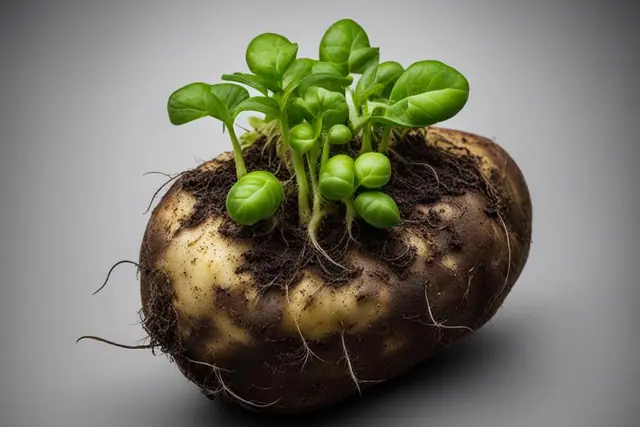
In this guide
- How Long Do Potatoes Last?
- Signs of Moldy Potatoes
- Detecting Off-Odor
- Sprouted Potatoes and Spoilage
- Green Potatoes and Solanine Poisoning
- Dealing with Bruised Potatoes
- Choosing Fresh Potatoes
- Proper Potato Storage
- The Effect of Moisture on Potato Storage
- The Impact of Temperature on Potato Storage
- Storing Cooked Potatoes
- Tips for Storing Potatoes in Batches
- Freezing Potatoes
- Conclusion
- Source Links
- FAQ
Hey there! Are you a potato lover like me? There's nothing better than a plate of perfectly cooked potatoes. But, have you ever wondered how to tell if those spuds in your pantry have gone bad? Well, I've got you covered! In this article, I'll share some surefire signs that will help you determine whether your potatoes are still good or if it's time to bid them farewell.
https://www.youtube.com/watch?v=triI6ZNPXZw
Potatoes can spoil if not stored properly or if they are past their prime. Knowing the signs of a bad potato is essential to ensure you are using fresh and safe ingredients in your cooking. Here are some key indicators that your potatoes are no longer suitable for consumption:
How Long Do Potatoes Last?
When it comes to the freshness and shelf life of potatoes, proper storage is key. If stored correctly, potatoes can last for a considerable amount of time. In a cool, dry, and dark place like a pantry, potatoes can remain fresh for one to two months. This ensures that you have a steady supply of potatoes for your cooking needs.
However, it's essential to be aware of the impact of different storage methods on potato quality. Storing potatoes in the refrigerator can cause the starch in the potatoes to convert to sugar, resulting in a sweet taste and potential discoloration when cooked. Therefore, it's best to avoid refrigerating raw potatoes unless you plan to use them soon.
If you find yourself with an excess of potatoes, freezing them is an excellent option to extend their shelf life. When properly packaged, raw potatoes can be frozen for up to 10 to 12 months. This allows you to preserve your potatoes and have them on hand whenever you need them, even if it's months down the line.
| Storage Method | Shelf Life |
|---|---|
| Pantry | 1 to 2 months |
| Refrigerator | Not recommended |
| Freezer | 10 to 12 months |
I always make sure to store my potatoes in a cool and dark place, like a pantry. It helps them stay fresh for a longer period of time. Plus, it's important to avoid refrigeration as it can affect the taste and texture of the potatoes. Freezing is a great option when I have a surplus of potatoes, allowing me to use them whenever I need them in the future.
By understanding how long potatoes can last and the best storage methods, you can ensure that your potatoes stay fresh and ready for use. Whether you're cooking a delicious batch of mashed potatoes or roasting them to perfection, having fresh potatoes on hand is essential for creating tasty meals.
Signs of Moldy Potatoes
When it comes to food safety, it is crucial to be able to identify moldy potatoes and know when to discard them. Moldy potatoes are not only unappetizing, but they can also pose a risk to your health if consumed. So, what are the signs of moldy potatoes that you should watch out for?
The most common sign of moldy potatoes is the presence of black fuzz or small black spots on the skin. These spots are an indication that mold spores have taken hold and started to grow. While the appearance of mold may be more prevalent on the surface, it's important to note that mold can also spread deeper into the potato, making it unsafe to consume.
When you come across moldy potatoes, it is crucial to discard them immediately. Mold spores are not visible to the naked eye, and consuming moldy potatoes can cause food poisoning and other health issues. To ensure your safety and the quality of your meals, it is best to err on the side of caution and remove any potatoes that show signs of mold.
| Signs of Moldy Potatoes |
|---|
| Presence of black fuzz or small black spots on the skin |
| Mold can spread deeper into the potato |
| Discard moldy potatoes immediately to avoid food poisoning |
Remember, moldy potatoes should never be consumed. By staying vigilant and knowing the signs of moldy potatoes, you can ensure that you are using fresh and safe ingredients in your cooking.
Detecting Off-Odor
When it comes to determining the freshness of potatoes, one of the key indicators to look out for is the odor. Fresh potatoes emit a delightful earthy and starchy aroma, inviting you to indulge in their delicious potential. However, spoiled potatoes tell a completely different story with their unmistakable musty or moldy odor.
If you come across a potato that gives off an unpleasant smell, it is a clear indication that it has passed its prime and should be discarded immediately. The musty odor is often a result of bacterial or fungal growth, indicating that the potato has spoiled and is no longer fit for consumption.
By trusting your sense of smell, you can easily detect spoiled potatoes and avoid any unpleasant outcomes in your culinary endeavors. Remember, fresh potatoes should excite your senses with their inviting aroma, whereas spoiled potatoes emit an odor that is indicative of their deteriorated state.
Table: Odor and Potato Freshness
| Potato Odor | Freshness Level |
|---|---|
| Inviting earthy and starchy aroma | Fresh and suitable for consumption |
| Musty or moldy odor | Spoiled and should be discarded |
Sprouted Potatoes and Spoilage
When it comes to potatoes, their sprouting can be a clear indication of spoilage. While some may argue that peeling off the sprouts and eyes can make the potato usable, it is important to note that sprouted potatoes contain glycoalkaloids, which can have a bitter taste and pose risks to our health when consumed in large amounts. As a result, it is best to avoid eating sprouted potatoes altogether to ensure food safety.
Glycoalkaloids are natural compounds found in potatoes that act as a defense mechanism against pests and diseases. When potatoes start to sprout, the glycoalkaloid content increases, leading to an unpleasant taste. Furthermore, glycoalkaloids, especially in higher concentrations, can cause symptoms like nausea and vomiting if consumed in large quantities. Therefore, consuming sprouted potatoes can pose a potential risk to our digestive system.
To ensure that we are using fresh and safe potatoes, it is best to store them properly and check regularly for any signs of sprouting. If you come across sprouted potatoes in your pantry, it is advisable to discard them and opt for fresh ones instead. By doing so, you can avoid any potential health risks associated with consuming sprouted potatoes.
Glycoalkaloids in Sprouted Potatoes: A Cautionary Note
Glycoalkaloids are a natural defense mechanism found in many plants, including potatoes. These compounds not only give sprouted potatoes a bitter taste but can also have negative effects on our health if consumed in large quantities. It is important to prioritize food safety by avoiding sprouted potatoes and opting for fresh ones instead.
| Glycoalkaloids in Sprouted Potatoes | Health Risks |
|---|---|
| Increase in glycoalkaloid content | Bitter taste |
| Potential gastrointestinal symptoms | Nausea and vomiting |
| Potential risks to digestive system | Discomfort and digestive issues |
By being cautious and aware of the potential risks associated with sprouted potatoes, we can prioritize our health and well-being. So, when it comes to potatoes, it's best to choose fresh ones and ensure proper storage to avoid encountering sprouted potatoes and the bitter taste and potential health risks that come with them.
Green Potatoes and Solanine Poisoning
Green potatoes are a common sight in many households, but did you know that they can be potentially harmful to your health? The greenish hue on a potato is caused by the presence of chlorophyll, which is formed when potatoes are exposed to light. However, this green color also indicates an excess concentration of solanine, a naturally occurring glycoalkaloid.
Solanine is toxic and consuming green potatoes in large amounts can lead to solanine poisoning. Symptoms of solanine poisoning can include gastrointestinal discomfort, such as nausea, vomiting, and diarrhea. In severe cases, it can also cause headaches, confusion, and even paralysis.
To ensure your safety and well-being, it is crucial to avoid eating green potatoes. If you have potatoes that have turned green, it is best to discard them. Remember, it's better to be safe than sorry when it comes to your health!
| Symptoms of Solanine Poisoning | Effects of Green Potatoes |
|---|---|
|
|
Dealing with Bruised Potatoes
We've all come across bruised potatoes at some point. Those unsightly black or darkened areas on the surface of the potato can be a bit off-putting. But are they still safe to eat? Let's take a closer look at bruised potatoes and how to handle them.
Bruises on potatoes occur during the harvesting, transportation, and shelving processes. These bruises may not be immediately visible but can develop within one or two days of storage. While bruising may affect the appearance, it doesn't necessarily mean that the potato is spoiled.
If the bruised area is the only sign of damage and the potato shows no other signs of spoilage, such as mold or odd odors, the bruised areas can be safely cut out and the potato can still be used. Simply trim away the affected parts, making sure to remove any discolored or mushy flesh. The remaining portion of the potato should be perfectly fine to cook and consume.
However, it's important to note that if the potato shows other signs of spoilage or if the bruised area has spread throughout the potato, it's best to discard it to avoid any potential foodborne illnesses.
Table: How to Deal with Bruised Potatoes
| Step | Action |
|---|---|
| 1 | Inspect the potato for signs of spoilage, such as mold or odd odors. |
| 2 | If the potato only has bruised areas, trim away the affected parts. |
| 3 | Discard any discolored or mushy flesh. |
| 4 | Use the remaining portion of the potato for cooking. |
By properly handling bruised potatoes, you can still make the most of your potato harvest and reduce food waste. With a little extra care, those bruises won't hinder your culinary adventures!
Choosing Fresh Potatoes
When it comes to selecting the freshest potatoes for your recipes, there are a few key indicators to keep in mind. By using your sight, touch, smell, and taste senses, you can ensure that the potatoes you choose are of the highest quality and free from spoilage. Here are some important factors to consider:
- Firmness: Fresh potatoes should have a firm texture when you squeeze them gently. Avoid potatoes that feel soft or mushy, as this can be a sign of decay or rot.
- No Discoloration: Look for potatoes that have a consistent color throughout their skin. Any signs of discoloration, such as dark spots or patches, may indicate that the potato is no longer fresh.
- No Sprouts: Sprouted potatoes are an indication that they are past their prime. While you can remove the sprouts, it's best to choose potatoes that are free from any sprouting to ensure optimal freshness.
By paying attention to these characteristics, you can be confident that you are selecting fresh potatoes for your meals. Remember to avoid potatoes with mold, greenish tinges, or any strange odors, as these are clear signs of spoilage.
Table: Choosing Fresh Potatoes
| Indicator | Sign of Freshness | Sign of Spoilage |
|---|---|---|
| Firmness | The potato feels firm when gently squeezed. | The potato feels soft or mushy. |
| No Discoloration | The potato has a consistent color throughout the skin. | Dark spots or patches are present on the potato's skin. |
| No Sprouts | The potato is free from any sprouting. | The potato has visible sprouts. |
Remember, fresh and high-quality ingredients are essential for delicious meals. By choosing fresh potatoes, you can ensure that your dishes have the best flavor and texture. So next time you're at the grocery store or farmer's market, keep these tips in mind to select the perfect potatoes for your culinary creations.
Proper Potato Storage
When it comes to storing potatoes, proper storage conditions are essential to maintain their freshness and prevent spoilage. Here are some tips on how to store potatoes effectively:
Store in a Cool and Dark Pantry
The best storage location for raw potatoes is a cool, dark, and well-ventilated pantry. Potatoes should be stored in loose plastic or paper bags with holes to allow for air circulation. This environment helps maintain the potatoes' natural moisture levels and prevents them from drying out.
Avoid Storing in the Refrigerator
Contrary to popular belief, the refrigerator is not ideal for storing raw potatoes. The cold temperature can cause the starch in the potatoes to convert to sugar, resulting in a sweet taste and potential discoloration when cooked. It is best to avoid storing potatoes in the refrigerator unless necessary.
Prevent Plastic Bags and Provide Air Circulation
Instead of using sealed plastic bags, it is recommended to store potatoes in loose plastic or paper bags. These bags should have small holes to allow for proper air circulation. This helps prevent moisture buildup, which can lead to the growth of bacteria and mold. Additionally, it is important to regularly check stored potatoes for any signs of spoilage and remove any rotten tubers to prevent the spread of bacteria and mold.
Proper potato storage ensures that you can enjoy fresh and high-quality potatoes for an extended period. By following these storage tips, you can prevent spoilage and maintain the taste and texture of your potatoes for longer.
The Effect of Moisture on Potato Storage
If you want to keep your potatoes fresh and delicious for as long as possible, it's crucial to understand the impact of moisture on their storage. Improper moisture levels can have detrimental effects, leading to dried out or mushy potatoes. Let's take a closer look at how moisture affects potato storage and what you can do to prevent spoilage.
Excessive moisture in the storage area can cause potatoes to become mushy. High humidity levels create an environment where the potatoes absorb too much moisture, resulting in a soft and unappetizing texture. To avoid this, make sure the storage area has proper ventilation and is not excessively humid. Keep potatoes away from areas prone to moisture buildup, such as basements or areas near water sources.
On the other hand, low moisture levels can cause potatoes to dry out. When potatoes lose moisture, they can shrivel up and become wrinkled, making them less desirable for consumption. To prevent this, store potatoes in a cool and dark place, away from direct sunlight and heat sources.
It's important to regularly check the moisture levels in your storage area and adjust accordingly. By maintaining the right balance of moisture, you can ensure that your potatoes stay fresh and flavorful for a longer period of time.
| Effect of Moisture on Potato Storage | Storage Condition | Potato Texture |
|---|---|---|
| High Moisture | Excessive humidity | Mushy |
| Low Moisture | Dry environment | Dried out and shriveled |
The Impact of Temperature on Potato Storage
When it comes to storing potatoes, temperature plays a crucial role in maintaining their freshness and quality. Different storage temperatures can have a significant impact on how long potatoes remain in good condition, as well as their taste and texture. In this section, I will explore the optimum storage temperature for potatoes and the different storage options available.
The Optimum Storage Temperature
The ideal temperature for storing potatoes is around 47°F (8°C). This temperature helps to slow down the rate of sprouting and prevents the conversion of starches to sugars. Storing potatoes at temperatures lower than this can cause the potatoes to become sweet and discolored when cooked, while higher temperatures can lead to decay and spoilage.
Storage Options
If you have a temperature-regulated pantry or cellar, that would be the best place to store your potatoes. The consistent cool temperature will help to extend their shelf life. However, not everyone has access to such storage spaces. In that case, you can opt for a cool cupboard or the refrigerator.
A cupboard located away from heat sources and with good ventilation can provide a suitable alternative. Just make sure to check the temperature regularly, as cupboard temperatures can vary depending on the climate and temperature fluctuations in your kitchen.
If you decide to store potatoes in the refrigerator, keep in mind that the low temperature can cause the potatoes' starch to convert to sugar faster. To minimize this, store them in a paper or mesh bag to allow for air circulation and prevent moisture buildup. Avoid storing them in plastic bags, as they can trap moisture and promote spoilage.
| Storage Option | Advantages | Disadvantages |
|---|---|---|
| Pantry or Cellar | Optimal temperature for extended shelf life | Not easily accessible for everyone |
| Cool Cupboard | Convenient storage option | Temperature fluctuations may occur |
| Refrigerator | Available in most households | Potatoes can become sweet and discolored |
Remember to always protect your potatoes from exposure to light and heat sources, as these can accelerate spoilage. By storing potatoes at the optimum temperature, you can ensure that they stay fresh, flavorful, and ready to be enjoyed in your favorite dishes.
Storing Cooked Potatoes
After enjoying a delicious meal with cooked potatoes, it's important to store any leftovers properly to maintain their freshness and taste. The key to storing cooked potatoes is to create an airtight environment that keeps out moisture and prevents bacterial growth. Let me share some tips on how to store cooked potatoes to ensure they stay fresh and ready for future meals.
The first step is to transfer the cooked potatoes into an airtight container. This can be a Tupperware or a sealable plastic bag. The container should be clean and dry to prevent any contamination. By sealing the container tightly, you can minimize exposure to air and moisture, which can lead to spoilage.
Once the cooked potatoes are securely stored in an airtight container, it's time to decide whether to keep them in the refrigerator or the freezer. In the refrigerator, cooked potatoes can be stored for 3-5 days. However, if you need to store them for a longer period, the freezer is the way to go. Cooked potatoes can be frozen for up to a year, ensuring you have a convenient and versatile ingredient on hand.
When storing in the freezer, it's crucial to portion out the cooked potatoes based on your future needs. This way, you can thaw and use only the amount required for each meal. Additionally, labeling the containers with the date of freezing can help you keep track of their freshness and avoid unnecessary waste. Just be aware that mashed potatoes may undergo some texture changes when frozen, so make sure to properly reheat them to restore their taste and texture.
| Storage Method | Duration |
|---|---|
| Refrigerator | 3-5 days |
| Freezer | Up to 1 year |
By following these guidelines for storing cooked potatoes, you can make the most out of your leftovers and reduce food waste. Whether you choose the refrigerator or the freezer, ensuring an airtight seal and proper portioning will help maintain their quality for future enjoyment.
Tips for Storing Potatoes in Batches
When it comes to storing potatoes, organizing them into batches can be a smart strategy to prevent spoilage and the spread of bacteria and mold. By separating your potatoes into smaller groups, you can minimize the risk of one bad potato affecting the rest of your collection. This approach allows you to keep better track of each batch and easily identify any potatoes that have gone bad.
One practical way to store potatoes in batches is by using sturdy, breathable containers such as crates or baskets. These containers allow for proper ventilation, reducing the chances of moisture buildup and mold formation. Make sure to label each batch with the date of storage to keep track of freshness.
Regularly inspecting your stored potatoes is crucial for maintaining their quality. Check for any signs of spoilage, such as mold, sprouting, or unusual odors. If you come across a potato that shows these signs, immediately remove it from the batch to prevent further contamination.
Remember to store your potato batches in a cool, dark, and well-ventilated area, such as a pantry or cellar. Avoid storing them near onions, as both vegetables release gases that can accelerate spoilage. With proper storage and vigilant monitoring, your potato batches can stay fresh and delicious for longer periods, ready to be enjoyed in your favorite recipes.
Table: Tips for Storing Potatoes in Batches
| Tip | Description |
|---|---|
| Organize into batches | Separate potatoes into smaller groups to prevent spoilage spread |
| Use breathable containers | Choose sturdy containers that allow for proper air circulation |
| Label and date each batch | Keep track of freshness by labeling and dating the stored potatoes |
| Regularly inspect for spoilage | Check for mold, sprouting, and unusual odors |
| Remove any spoiled potatoes | Immediately discard any potatoes showing signs of spoilage |
| Store in a cool, dark, and ventilated area | Choose a proper storage location, away from onions |
Freezing Potatoes
Freezing potatoes is a great way to extend their shelf life and have a convenient supply on hand for future meals. Whether you have leftover mashed potatoes or want to save a batch of freshly cooked chips, freezing can help preserve their flavor and texture. However, it's important to follow proper freezing techniques to ensure the best results when thawing and reheating.
When it comes to freezing mashed potatoes, it's crucial to prevent them from becoming mushy or grainy. To do this, consider using the flash freezing method. First, spread the mashed potatoes in a thin, even layer on a baking sheet lined with parchment paper. Place the baking sheet in the freezer and allow the potatoes to freeze for a couple of hours until they are firm. Once frozen, transfer the mashed potatoes into an airtight container or freezer-safe bag. Be sure to label the container with the date to keep track of their freshness.
For cooked potato chips, it's important to prevent them from sticking together. To achieve this, spread the chips in a single layer on a baking sheet and place them in the freezer. Allow the chips to freeze until they are firm, usually for a couple of hours. Once frozen, transfer the chips to an airtight container or freezer bag. This method of portioning and flash freezing ensures that the chips remain separate and easy to grab when needed.
When it's time to enjoy your frozen potatoes, it's best to thaw them in the refrigerator overnight. Thawing the potatoes slowly in the fridge helps retain their texture and flavor. Once thawed, you can reheat mashed potatoes by transferring them to a microwave-safe dish and heating them in short increments, stirring occasionally. For chips, you can reheat them in the oven at a low temperature until they are crispy and hot.
By following these freezing techniques and proper storage practices, you can enjoy the convenience of having frozen potatoes readily available for your favorite recipes. Just remember to label and date your containers, and always check for any signs of freezer burn or deterioration before consuming.
Conclusion
To ensure that your potatoes remain fresh and free from spoilage, proper storage is key. By understanding the signs of a bad potato and following some useful tips, you can maintain the quality and safety of your stored potatoes.
Keep an eye out for common signs of spoilage such as mold, off-odor, sprouts, or green tinges on your potatoes. These indicators suggest that the potatoes are no longer suitable for consumption and should be discarded.
Remember to store your potatoes in a cool, dark, and well-ventilated place, such as a pantry, and avoid storing them in the refrigerator. Regularly check for any signs of spoilage, removing any bad potatoes promptly to prevent the spread of bacteria and mold to the rest of your collection.
By following these potato storage tips, you can enjoy fresh, safe, and high-quality potatoes for longer periods, ensuring that your culinary creations are always delicious and satisfying.
Source Links
- https://www.eatingwell.com/article/7961596/how-long-do-potatoes-last/
- https://finance.yahoo.com/news/long-potatoes-last-130038666.html
- https://gobadornot.com/potatoes/
Frequently asked questions
- How can I tell if a potato is bad?
Look for signs of mold, such as black fuzz or spots. Check for an off-odor, like a musty or moldy smell. Avoid potatoes with sprouts, as they can taste bitter and be harmful in large amounts. Discard potatoes that have a greenish tinge, as this indicates an excess of solanine. Additionally, bruised areas can be cut out and the rest of the potato can still be used if it shows no other signs of spoilage.
- How long do potatoes last?
When stored properly in a cool, dry, and dark place, potatoes can last for one to two months. Storing them in the refrigerator can cause starch conversion and discoloration. Freezing raw potatoes can extend their shelf life up to 10 to 12 months.
- What are the signs of moldy potatoes?
Moldy potatoes can be identified by the presence of black fuzz or small black spots on the skin. It is important to discard moldy potatoes as mold spores are not visible to the naked eye and can cause food poisoning if ingested.
- How can I detect off-odor in potatoes?
Fresh potatoes have an inviting earthy and starchy aroma. However, spoiled potatoes emit a musty or moldy odor. If a potato gives off an unpleasant smell, it is a clear indication that it has gone bad and should be discarded.
- Are sprouted potatoes safe to eat?
Sprouted potatoes indicate that they are nearing spoilage. While peeling off the sprouts and eyes might make the potato seem usable, sprouted potatoes contain glycoalkaloids, which can cause a bitter taste and harm when consumed in large amounts. It is best to avoid eating sprouted potatoes.
- What should I do with green potatoes?
Green potatoes have a greenish hue due to the presence of chlorophyll caused by exposure to light. This green color also indicates an excess concentration of solanine, a naturally occurring glycoalkaloid. Consuming green potatoes in large amounts can result in solanine poisoning, leading to gastrointestinal symptoms and other discomforts.
- Can I still use potatoes with bruises?
Black or darkened areas on a potato are bruises that occur during the harvesting, transporting, and shelving processes. As long as the potato shows no other signs of spoilage, such as mold or odd odors, bruised areas can be safely cut out and the potato can still be used.
- How do I choose fresh potatoes?
Fresh whole potatoes should have a firm texture with no visible sprouts or discoloration. Avoid potatoes that have mold, sprouts, greenish tinges, or any strange odors.
- What is the best way to store raw potatoes?
The best storage location for raw potatoes is a cool, dark, and well-ventilated pantry. Potatoes should be stored in loose plastic or paper bags with holes to allow for air circulation. The refrigerator is not ideal for storing raw potatoes due to potential starch conversion and discoloration.
- How does moisture affect potato storage?
Improper moisture levels can affect potato storage. Potatoes can become dried out and shriveled or mushy depending on the humidity in the storage area. If your potatoes have experienced either of these changes in texture, they should be discarded.
- What is the impact of temperature on potato storage?
The ideal storage temperature for potatoes is around 47°F (8°C). If you have a temperature-regulated pantry or cellar, that would be the best place to store potatoes. If not, a cool cupboard or the refrigerator can be used depending on the climate and temperature fluctuations in your kitchen.
- How should cooked potatoes be stored?
Cooked potatoes should be stored in an airtight container in the refrigerator for 3-5 days. If you need to store them for longer periods, they can be frozen for up to a year. Mashed potatoes may undergo texture changes when frozen, but proper reheating can help restore their taste and texture.
- How can I prevent the spread of bacteria and mold when storing potatoes?
Storing potatoes in batches can help prevent the spread of bacteria and mold. By separating potatoes into smaller groups, if one potato goes bad, it will only affect the others in its batch rather than the entire collection. Regularly checking and removing any bad potatoes is crucial for maintaining the quality of your stored potatoes.
- Can I freeze potatoes?
Potatoes can be frozen for long-term storage. However, mashed potatoes may undergo texture changes when frozen. Flash freezing cooked chips by spreading them on a baking sheet before transferring them to an airtight container can prevent them from sticking together. Reheat frozen potatoes before serving for optimal taste and texture.
AprilCook, recipe developer and the heart of Chefwiz. More about April