Guide
How to Store Limes to Preserve Their Freshness
Discover my simple guide on "how to store limes" ensuring they stay fresh & juicy longer. For love of all-things citrus, don't let your limes go to waste!
 By April23 min read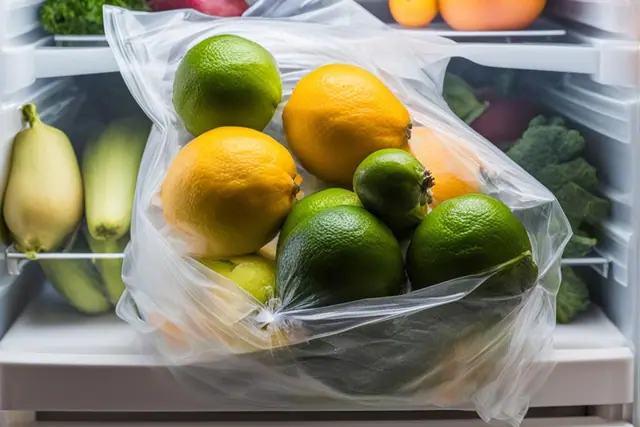
In this guide
- The Importance of Proper Lime Storage
- Factors Affecting Lime Shelf Life
- Preparing Limes for Storage
- Best Containers for Storing Limes
- Storing Limes at Room Temperature
- Storing Limes in the Refrigerator
- Freezing Limes
- Tips for Extending the Shelf Life of Limes
- Utilizing Stored Limes in Culinary Creations
- The Nutritional Value of Limes
- Lime Storage Tips for Longevity and Freshness
- The Versatility of Limes in the Kitchen
- Conclusion
- Resources for Lime Storage
- Explore the Possibilities with Fresh Limes
- Source Links
- FAQ
Proper storage is crucial to maintain the freshness and flavor of limes. Limes are highly perishable and can spoil quickly if not stored correctly. Storing them properly can help extend their shelf life and prevent unnecessary waste. One effective storage method is to submerge limes in water and keep them in the refrigerator.
When it comes to citrus fruit, limes are a popular choice due to their tangy and refreshing flavor. Whether you're squeezing them into drinks, zesting them for recipes, or using them as a garnish, limes can add a burst of citrusy goodness to your culinary creations. But how do you store limes to ensure they stay fresh and tasty for as long as possible?
In this article, I will guide you through the best practices for storing limes, from the factors that affect their shelf life to the different storage methods available. By following these tips, you can maximize the freshness and longevity of your limes, reducing waste and ensuring you always have a tangy addition to your dishes and beverages. Let's dive in!
The Importance of Proper Lime Storage
Proper lime storage is vital to ensure the freshness, flavor, and juiciness of this citrus fruit. By storing limes correctly, you can prevent waste and enjoy the tangy goodness in your culinary creations. Limes are highly perishable and can deteriorate quickly if not handled properly. Understanding the importance of proper storage techniques can help you prolong the shelf life of limes and maintain their optimal quality.
When limes are stored correctly, their freshness and flavor are preserved, allowing you to use them whenever you need a burst of citrusy goodness. Whether you're squeezing lime juice for cocktails, adding zest to your dishes, or using limes as a garnish, proper storage is essential. By following the right storage practices, you can avoid unnecessary waste and ensure that your limes are always ready to elevate the taste of your culinary creations.
Proper lime storage not only prevents waste but also contributes to the overall success of your culinary endeavors. The right storage conditions help retain the flavor, texture, and juiciness of limes, ensuring that they are always fresh and ready to use. By implementing the proper storage methods, you can make the most out of your limes and enhance the taste of your favorite recipes and beverages.
The Importance of Protecting Your Limes
When it comes to proper lime storage, the key is to protect them from factors that can cause spoilage or deterioration. This includes keeping limes away from direct sunlight, extreme temperatures, and ethylene-producing fruits. By creating the ideal storage environment, you can maximize the freshness and flavor of your limes, ensuring that they are always at their best.
| Factors to Consider for Proper Lime Storage: |
|---|
| Avoid exposure to direct sunlight |
| Store away from extreme heat or cold |
| Keep limes separate from ethylene-producing fruits like apples and bananas |
Tips for Proper Lime Storage
- Wash limes thoroughly before storing to remove dirt or grime
- Dry limes properly to prevent moisture buildup and mold growth
- Inspect and sort limes, removing any spoiled or damaged ones
- Use appropriate storage containers to maintain freshness
- Keep limes in a cool, dry spot away from direct sunlight
By following these tips and understanding the importance of proper lime storage, you can ensure that your limes remain fresh, flavorful, and ready for all your culinary adventures.
Factors Affecting Lime Shelf Life
Several factors can influence the shelf life of limes, ensuring their freshness and quality. It is essential to understand these factors to maximize the longevity of your limes and prevent unnecessary waste. The key factors that affect lime shelf life are temperature, humidity, air circulation, and exposure to ethylene gas.
Temperature
Temperature plays a crucial role in determining the shelf life of limes. Limes prefer cool and consistent temperatures to maintain their freshness. It is important to store limes away from direct sunlight and extreme heat or cold. Optimal storage temperatures for limes range from 45-50°F (7-10°C), which can help prolong their shelf life.
Humidity
Humidity levels also impact the shelf life of limes. While limes thrive in a humid environment, excessive moisture can cause them to spoil quickly. It is advisable to store limes in a moderately humid environment or use containers that allow proper air circulation, reducing the risk of mold growth and extending their freshness.
Air Circulation and Ethylene Gas
Proper air circulation is crucial for extending the shelf life of limes. When storing limes, make sure they are not overcrowded or stored in sealed containers without any ventilation. Poor air circulation can lead to moisture buildup and the growth of mold. Additionally, limes should be stored separately from ethylene-producing fruits, as exposure to ethylene gas can accelerate their ripening process and shorten their shelf life.
Understanding these factors and taking appropriate measures can help you preserve the freshness of limes for a longer period. By storing limes at the right temperature, maintaining optimal humidity levels, ensuring proper air circulation, and avoiding exposure to ethylene gas, you can enjoy the zest and tanginess of limes in your culinary creations for an extended time.
Preparing Limes for Storage
Properly preparing limes for storage is essential to maintain their freshness and extend their shelf life. By following a few simple steps, you can ensure that only high-quality limes are stored, ready to add a burst of tangy flavor to your culinary creations.
1. Washing: Start by washing the limes thoroughly under running water. This helps remove any dirt or residue that may be on the surface of the fruit. Use a soft brush to gently scrub the skin if needed.
https://www.youtube.com/watch?v=HrLSees8TDQ
2. Drying: After washing the limes, make sure to dry them thoroughly. Excess moisture can lead to mold growth, so it's important to remove any water droplets. Pat the limes dry with a clean towel or allow them to air dry completely before storage.
3. Sorting and Inspecting: Take the time to sort through the limes and inspect them closely. Remove any limes that are spoiled, damaged, or showing signs of decay. Storing only fresh and healthy limes helps prevent the spread of spoilage and maintains the overall quality of the stored fruit.
4. Packaging: Once the limes are washed, dried, sorted, and inspected, they are ready for packaging. Place the limes in a clean and dry container or wrap them individually in paper towels. This helps absorb excess moisture and prevents the limes from coming into direct contact with each other.
Best Containers for Storing Limes
When it comes to storing limes, choosing the right containers is crucial to maintain their freshness and prevent spoilage. Here are some of the best options for storing limes:
Perforated Plastic Bags
Perforated plastic bags are an excellent choice for storing limes. The small holes in the bag allow for proper air circulation, preventing moisture buildup and mold growth. Simply place the limes in the bag and store them in the refrigerator. This method helps to extend the shelf life of limes and keep them fresh for longer.
Mesh Bags
Mesh bags also provide good airflow and can help reduce the risk of mold growth. These bags are especially useful if you prefer to store your limes at room temperature. Place the limes in the mesh bag and hang it in a cool, dry spot away from direct sunlight. This method allows the limes to breathe while keeping them conveniently accessible for everyday use.
Paper Bags
If you're looking for an eco-friendly option, consider storing your limes in paper bags. Paper bags are absorbent and help to absorb excess moisture, preventing the limes from becoming too damp. Make sure to keep the bags in a cool, dry place to maintain the freshness of the limes.
Plastic Containers and Glass Containers
Plastic containers and glass containers are convenient options for storing limes. These containers provide a sealed environment, protecting the limes from exposure to air and moisture. Be sure to choose a container with a tight-fitting lid to ensure maximum freshness. Store the containers in the refrigerator to prolong the shelf life of the limes.
By choosing the right containers for storing limes, you can help prolong their freshness and flavor. Whether you opt for perforated plastic bags, mesh bags, paper bags, plastic containers, or glass containers, proper storage is essential to prevent waste and ensure that your limes are always ready to add a burst of tangy goodness to your culinary creations.
Storing Limes at Room Temperature
Storing limes at room temperature can be a convenient option, especially if you use them frequently in your culinary adventures. To ensure the optimal condition for your limes, it's essential to maintain a temperature range of 55-65 degrees Fahrenheit (13-18 degrees Celsius). Find a cool and dry spot away from direct sunlight to store your limes, as exposure to heat and sunlight can accelerate spoilage.
Countertop storage can be a practical solution, providing easy access to your limes whenever you need them. However, it's crucial to monitor the room temperature regularly, as fluctuations can affect the shelf life of your limes. By storing limes at room temperature, you can enjoy their tangy freshness for a shorter period compared to refrigeration but still have them readily available for immediate use.
Remember to check your stored limes regularly for any signs of spoilage. Discard any limes that appear moldy, soft, or rotten, as they can quickly spread their deterioration to the rest. With proper room temperature storage, you can always have a vibrant supply of limes ready to add zest and tanginess to your culinary creations.
Room Temperature Lime Storage Tips:
- Keep limes in a cool and dry spot away from direct sunlight.
- Monitor room temperature to ensure it stays within the recommended range of 55-65 degrees Fahrenheit.
- Regularly inspect stored limes for any signs of spoilage, such as mold or rot.
Benefits of Room Temperature Storage:
"Storing limes at room temperature allows for easy accessibility and ensures that the fruit retains its optimal flavor and juiciness. The vibrant citrus tang of room temperature limes can add a refreshing twist to your culinary creations."
While refrigeration and freezing can offer longer shelf life for limes, storing them at room temperature provides a convenient option for those who prefer quick access and immediate use. When stored correctly, limes at room temperature can still maintain their tangy taste and serve as an integral ingredient in your favorite dishes, cocktails, or refreshing beverages.
Storing Limes in the Refrigerator
When it comes to storing limes, the refrigerator is a reliable option for extending their freshness. The cool temperature helps slow down the natural deterioration process, allowing you to enjoy juicy and flavorful limes for longer. To maximize the shelf life of your limes in the refrigerator, it's important to consider the optimal temperature and humidity levels.
The ideal temperature range for refrigerating limes is around 45-50°F (7-10°C). This moderate temperature helps maintain the quality of the limes without causing them to freeze. It's essential to store limes in a cool spot in the refrigerator away from temperature fluctuations caused by opening and closing the door frequently.
Humidity levels are also crucial for preserving the freshness of limes in the refrigerator. Limes thrive in a moderately humid environment, so using the crisper drawer is recommended. The crisper drawer allows you to control the humidity levels, creating an optimal storage environment for your limes. Remember to keep the limes separate from other ethylene-producing fruits, as this can accelerate their ripening process and lead to spoilage.
To summarize, refrigerating limes at the right temperature and humidity levels in the crisper drawer can help prolong their freshness and prevent unnecessary waste. By following these simple storage tips, you can ensure that your limes are always ready to add a tangy twist to your culinary creations.
| Storage Method | Temperature | Humidity |
|---|---|---|
| Refrigerator | 45-50°F (7-10°C) | Modest humidity, crisper drawer |
| Room Temperature | 55-65°F (13-18°C) | Low humidity, dry spot |
Properly storing limes in the refrigerator can help extend their freshness and prevent unnecessary waste. The moderate temperature and controlled humidity levels of the crisper drawer create an optimal storage environment for limes, ensuring they stay juicy and flavorful for longer.
Freezing Limes
Freezing limes is a great way to extend their shelf life and ensure you always have a supply of fresh citrus on hand. Whether you have an abundance of limes or want to take advantage of a sale at the grocery store, freezing is a convenient option. By following a few simple steps, you can freeze limes and enjoy their tangy goodness for months to come.
To freeze limes, start by washing them thoroughly to remove any dirt or residue. Pat them dry with a towel to remove excess moisture. Next, place the whole limes into freezer-safe bags, squeezing out as much air as possible before sealing. The airtight packaging helps prevent freezer burn and maintain the quality of the limes. Make sure to label the bags with the date to keep track of their storage time.
Frozen limes can last for 4-6 months in the freezer, allowing you to enjoy the citrusy flavor whenever you need it. Keep in mind that freezing can affect the texture of limes, making them softer once thawed. However, they are still perfectly suitable for juicing or adding zest to recipes. So, freeze away and have limes readily available for your culinary creations!
| Storage Method | Shelf Life |
|---|---|
| Freezer | 4-6 months |
Tips for Extending the Shelf Life of Limes
Ensuring the longevity and freshness of limes is essential for maximizing their flavor and nutritional value. By following these freshness hacks and food safety practices, you can extend the shelf life of limes while enjoying the convenience of having them readily available whenever you need them.
Dryness is Key
One of the most important tips for extending the shelf life of limes is to keep them dry. Moisture can accelerate spoilage and mold growth, leading to a shorter lifespan for your limes. After washing and drying the limes, ensure they are completely free of moisture before storing them. This can be achieved by patting them dry with a clean towel or leaving them out to air dry for a few minutes.
Airtight Containers
Using airtight containers is another effective way to prolong the freshness of limes. Airtight containers create a sealed environment that helps prevent exposure to air and moisture, which can degrade the quality of the limes. Choose containers that are specifically designed for storing fruits and vegetables, ensuring a snug fit to maintain optimal freshness. Remember to label the containers with the date of storage to keep track of their shelf life.
Controlling Moisture Levels
Maintaining the right moisture levels is crucial for preserving the freshness of limes. Too much moisture can lead to mold growth, while insufficient moisture can cause the limes to dry out. To keep moisture levels in check, you can place a paper towel or a moisture-absorbing packet in the container with the limes. This helps absorb excess moisture and keeps the limes fresh for a longer period.
| Storage Tip | Benefits |
|---|---|
| Keep limes dry | Prevents spoilage and mold growth |
| Use airtight containers | Creates a sealed environment to maintain freshness |
| Control moisture levels | Prevents excess moisture or drying out |
Utilizing Stored Limes in Culinary Creations
Stored limes are a versatile ingredient in various culinary creations, from recipes to cocktails and garnishes. Their tangy flavor, vibrant zest, and refreshing juice can elevate the taste of many dishes and drinks, adding a burst of citrusy goodness. Whether you're a home cook or a professional chef, limes are a must-have ingredient in your kitchen arsenal.
One popular culinary use for limes is in recipes that require a zesty kick. Lime juice can be used to marinate meats, add acidity to dressings and sauces, or brighten up the flavors of soups and stews. The zest of limes is prized for its citrusy aroma, making it an excellent addition to baked goods, desserts, and even savory dishes like stir-fries and salads.
Cocktails are another area where limes shine. The classic lime margarita is a crowd-pleaser, but limes can be used in a wide range of cocktails, from mojitos to daiquiris and beyond. Their tangy juice adds a refreshing twist to mixed drinks and pairs well with a variety of spirits, making them a staple in any home bar.
When it comes to garnishes, limes offer both visual appeal and flavor enhancement. A simple wedge of lime can brighten up the presentation of a dish and provide a hint of acidity to balance flavors. Thin slices of lime can also be used to garnish drinks, adding a pop of color and a burst of tanginess.
Table: Culinary Uses of Limes
| Category | Culinary Uses |
|---|---|
| Recipes | - Marinating meats - Adding acidity to dressings and sauces - Enhancing flavors of soups and stews |
| Baking | - Adding zest to baked goods and desserts - Adding tanginess to savory dishes |
| Cocktails | - Lime margaritas - Mojitos - Daiquiris - And more! |
| Garnishes | - Adding visual appeal to dishes - Balancing flavors with a hint of acidity - Enhancing presentation of drinks |
With their culinary uses ranging from recipes to cocktails and garnishes, limes are a versatile ingredient that can elevate your culinary creations. Their flavor, zest, and juice add a refreshing twist and tanginess to a wide range of dishes and drinks. So next time you have some stored limes on hand, get creative in the kitchen and explore the possibilities!
The Nutritional Value of Limes
Limes are not only a tangy and sour addition to culinary creations, but they also offer a range of health benefits. These vibrant citrus fruits are packed with essential vitamins and minerals, making them a nutritious addition to your diet.
One of the key nutritional benefits of limes is their high vitamin C content. Just one medium-sized lime provides approximately 22% of the daily recommended intake of vitamin C. This powerful antioxidant plays a crucial role in supporting a healthy immune system, protecting the body against harmful free radicals, and promoting collagen production for healthy skin and connective tissues.
Furthermore, limes are a good source of other essential nutrients such as potassium, folate, and vitamin B6. Potassium helps maintain proper heart function and supports healthy blood pressure levels, while folate is important for cell growth and development. Vitamin B6 is involved in various bodily functions, including brain development and the production of neurotransmitters.
The Health Benefits of Limes
Adding limes to your diet can offer numerous health benefits. Here are a few key advantages:
- Improved Digestion: Limes contain natural acids that can aid in digestion by stimulating the production of digestive enzymes. They can also help relieve constipation and promote regular bowel movements.
- Enhanced Skin Health: The high vitamin C content in limes promotes collagen synthesis, which contributes to healthy skin. It can help reduce the appearance of wrinkles, promote wound healing, and protect against skin damage caused by free radicals.
- Boosted Immunity: The abundant vitamin C in limes strengthens the immune system, helping to defend against common illnesses and infections. It supports the production of white blood cells, which play a crucial role in fighting off pathogens.
- Antioxidant Protection: Limes are rich in antioxidants, which help protect the body against oxidative stress and inflammation. These compounds neutralize free radicals, reducing the risk of chronic diseases such as heart disease and certain types of cancer.
- Alkalizing Properties: Despite their acidic taste, limes have an alkalizing effect on the body. This can help maintain a healthy pH balance and prevent acid reflux and other digestive discomforts.
| Nutrient | Amount per 100g |
|---|---|
| Calories | 30 |
| Carbohydrates | 10g |
| Vitamin C | 29.1mg |
| Potassium | 102mg |
| Folate | 8mcg |
| Vitamin B6 | 0.1mg |
"Limes are not only a tangy and sour addition to culinary creations, but they also offer a range of health benefits."
Lime Storage Tips for Longevity and Freshness
Proper storage practices are crucial for maintaining the freshness and flavor of limes. By following these lime storage tips, you can extend their longevity and ensure that you always have fresh limes on hand for your culinary creations.
Choose the right containers
When storing limes, it's important to select the appropriate containers to maintain their freshness. Perforated plastic bags, mesh bags, paper bags, plastic containers, and glass containers are all viable options. Perforated plastic bags and mesh bags allow for proper air circulation, preventing moisture buildup. Paper bags are environmentally friendly and can absorb excess moisture. Plastic containers and glass containers provide a sealed environment to keep limes fresh.
Control temperature and humidity
The ideal temperature for storing limes is around 45-50°F (7-10°C). Refrigeration is a popular method for extending the shelf life of limes. If storing limes at room temperature, ensure that the area remains cool and dry, away from direct sunlight. Additionally, maintaining optimal humidity levels is essential. The crisper drawer in your refrigerator or using a humidity-controlled container can help create the ideal storage environment.
Avoid ethylene-producing fruits
It's important to store limes separately from ethylene-producing fruits such as apples, bananas, and tomatoes. Ethylene gas can speed up the ripening process and cause limes to deteriorate quickly. Keeping them separate can help prevent premature spoilage and maintain their freshness.
By implementing these lime storage tips, you can ensure the longevity and freshness of your limes, making them readily available for your cooking and mixology adventures. With the right storage practices in place, you'll always have tangy and zesty limes to add that extra burst of flavor to your culinary creations.
The Versatility of Limes in the Kitchen
When it comes to culinary arts, limes are a kitchen staple that offer easy storage, quick access, and a multitude of kitchen hacks. These vibrant citrus fruits are incredibly versatile, adding a zesty and tangy flavor to a wide range of dishes and beverages. From savory to sweet, limes can enhance the taste and aroma of your culinary creations. Whether you're a seasoned chef or a home cook looking to experiment, limes provide endless possibilities in the kitchen.
One of the key advantages of limes is their easy storage. As discussed earlier, limes can be stored in various ways, including in the refrigerator, at room temperature, or even frozen for long-term use. Their compact size and sturdy exterior make them convenient to store in the pantry, on the countertop, or in the fridge. With their long shelf life, you can always have limes on hand for whenever inspiration strikes.
Not only are limes easy to store, but they also offer quick access for immediate use in your culinary endeavors. Their thin, easily peelable skin allows for effortless juicing and zesting, making them a favorite ingredient for everything from dressings and marinades to cocktails and desserts. Simply grab a lime, give it a quick squeeze or grate its vibrant zest, and you're ready to infuse your dishes with a burst of fresh citrus flavor.
Furthermore, limes are renowned for their kitchen hacks and versatility. Their acidic nature not only adds tanginess to dishes, but it also helps tenderize meat, preventing it from becoming tough during cooking. Limes are also excellent for preserving the vibrant green color of avocados and preventing browning. This versatile fruit can be used to brighten up salads, enhance the flavor of fish and seafood, and bring a refreshing twist to desserts and beverages.
The Versatility of Limes in the Kitchen
| Application | Culinary Uses |
|---|---|
| Beverages |
|
| Savory Dishes |
|
| Sweet Treats |
|
“Limes are like magic in the kitchen. They can transform an ordinary dish into something extraordinary with just a squeeze. Their versatility knows no bounds, and I always keep a stash of limes in my kitchen for those moments when I need a burst of fresh citrus flavor.”
In conclusion, limes are a kitchen essential that offer easy storage, quick access, and a plethora of culinary possibilities. Their vibrant flavor, tangy acidity, and versatile nature make them an indispensable ingredient in both savory and sweet dishes. From zesty cocktails to tangy desserts, limes add a refreshing twist to your culinary creations. So, embrace the versatility of limes and let your creativity thrive in the kitchen!
Conclusion
In conclusion, proper storage is crucial to maintain the freshness and flavor of limes. By storing them correctly, you can extend their shelf life and prevent unnecessary waste. Whether you choose to store limes in the refrigerator or at room temperature, using appropriate containers and following good storage practices is essential.
Factors such as temperature, humidity, and air circulation can greatly affect the shelf life of limes. It's important to keep limes away from direct sunlight and extreme heat or cold. Sorting and inspecting limes before storage ensures that only fresh ones are stored, prolonging their freshness and flavor.
Utilizing stored limes in culinary creations adds a tangy kick to recipes, cocktails, and garnishes. Limes are versatile and can enhance the flavor of various dishes and drinks. With their nutritional value and health benefits, incorporating limes into your diet contributes to overall wellness.
By following these lime storage tips and understanding the factors that affect lime shelf life, you can enjoy the tangy goodness of limes for longer. So store your limes properly and let their vibrant flavors inspire you in the kitchen!
Resources for Lime Storage
When it comes to storing limes, it's important to have reliable resources and additional information to ensure you're implementing the best practices. Whether you're a seasoned chef or a culinary enthusiast, these resources will provide valuable insights and tips to help you keep your limes fresh for longer.
Fresh Produce Websites
Many reputable culinary websites offer comprehensive guides on lime storage. Websites like Food Network and Epicurious provide valuable information on proper storage techniques, including temperature, humidity, and container options. These resources often include step-by-step instructions and expert advice to help you maintain the freshness and flavor of your limes.
Food Storage Guides
Food storage guides, such as those provided by the US Department of Agriculture (USDA), offer detailed information on storing various types of produce, including limes. These guides provide specific recommendations on temperature, humidity levels, and storage times to ensure optimal freshness and food safety.
Expert Chefs and Cookbooks
Turning to expert chefs and cookbooks can provide valuable insights into lime storage techniques. Renowned chefs often share their knowledge and expertise through their cookbooks, offering tips and tricks to maximize the shelf life of limes. Look for cookbooks from culinary icons like Gordon Ramsay or Ina Garten, which often include guidance on storing citrus fruits.
By referring to these resources, you can gain a deeper understanding of lime storage and implement the best practices to keep your limes fresh and flavorful.
Explore the Possibilities with Fresh Limes
Now that you have your fresh limes properly stored, it's time to embark on exciting culinary adventures and explore a world of creative recipes. The vibrant flavors and tanginess of limes can inspire you in the kitchen, allowing you to experiment and create delicious dishes and beverages that will tantalize your taste buds.
Whether you're whipping up a zesty lime-infused marinade for grilled chicken, concocting refreshing lime cocktails on a warm summer day, or adding a splash of lime juice to your favorite desserts, fresh limes are a versatile ingredient that can elevate your culinary creations to new heights.
Get creative with your recipes and let the flavors of fresh limes take center stage. Their bright acidity can enhance the taste of a variety of dishes, from savory to sweet, adding a burst of freshness that will leave you craving more. So don't be afraid to experiment and let your imagination run wild, as you unlock the potential of fresh limes in your culinary repertoire.
So, grab those fresh limes, put on your chef's hat, and let your taste buds guide you on a delicious journey. With fresh limes as your culinary companion, there's no limit to the flavors you can create and the culinary adventures you can embark on. So go ahead, indulge in the vibrant and tangy world of fresh limes, and elevate your dishes to new heights of flavor!
Source Links
- https://brightly.eco/blog/how-to-store-lemons-and-limes
- https://www.glad.com/food-protection/protection-pointers/how-to-store-limes/
- https://www.savorysuitcase.com/how-to-store-limes/
Frequently asked questions
- How should I store limes to preserve their freshness?
Limes can be stored by submerging them in water and keeping them in the refrigerator.
- Why is proper lime storage important?
Proper lime storage helps maintain their freshness, flavor, and prevents unnecessary waste.
- What factors affect the shelf life of limes?
Temperature, humidity, air circulation, and exposure to ethylene-producing fruits can affect the shelf life of limes.
- How should I prepare limes for storage?
Thoroughly wash and dry limes, sort and inspect them to remove any spoiled or damaged ones.
- What are the best containers for storing limes?
Perforated plastic bags, mesh bags, paper bags, plastic containers, and glass containers are all suitable options for storing limes.
- How can I store limes at room temperature?
Store limes at a cool and dry spot away from direct sunlight, maintaining a temperature range of 55-65 degrees Fahrenheit (13-18 degrees Celsius).
- How should I store limes in the refrigerator?
Store limes in a cool spot away from temperature fluctuations, preferably in the crisper drawer with optimal humidity levels.
- Can I freeze limes for extended storage?
Yes, you can freeze whole limes by placing them in freezer-safe bags and squeezing out excess air.
- What are some tips to extend the shelf life of limes?
Keep limes dry, use airtight containers, and control moisture levels to extend the shelf life of limes.
- How can I utilize stored limes in culinary creations?
Stored limes can be used in recipes, cocktails, and as garnishes to add a tangy, sour flavor to dishes.
- What is the nutritional value of limes?
Limes are rich in vitamin C and offer various health benefits, including immune system support and improved digestion.
- What are some lime storage tips for longevity and freshness?
Properly store limes using suitable containers, control temperature and humidity, and avoid exposure to ethylene-producing fruits to maintain their freshness and longevity.
- How versatile are limes in the kitchen?
Limes are versatile ingredients that can be used in a wide range of culinary creations, adding flavor and zest to dishes and drinks.
- Where can I find additional resources for lime storage?
Reputable culinary websites, food storage guides, and expert chefs can provide additional information and tips for lime storage.
- How can I explore the possibilities with fresh limes?
With fresh limes properly stored, you can embark on culinary adventures and create a variety of creative recipes with their vibrant flavors.
AprilCook, recipe developer and the heart of Chefwiz. More about April