Guide
How to Store Meat for Freshness and Safety
Discover my easy, practical tips on how to store meat effectively. Keep your meals fresh, safe, and delicious with these essential guidelines.
 By April17 min read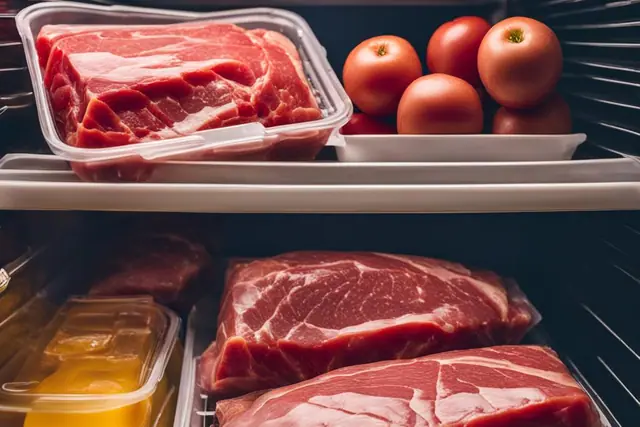
In this guide
In this comprehensive article, I will provide expert tips on how to store meat effectively to ensure freshness and safety. Learn about the best practices for storing different types of meat, the ideal storage temperatures, the shelf life of meat, and more.
Importance of Proper Meat Storage
Proper meat storage is essential to prevent food spoilage and avoid foodborne illnesses. When meat is not stored correctly, it can lead to bacterial infections and food poisoning. By following the right guidelines for storage, you can ensure the freshness and safety of your meat, as well as save money by avoiding unnecessary waste.
One of the main reasons for proper meat storage is to prevent food spoilage. When meat is exposed to improper storage conditions, such as incorrect temperature or inadequate packaging, it can quickly become spoiled. Spoiled meat is not only unappetizing but can also pose serious health risks. Bacteria, such as Salmonella and E. coli, can multiply rapidly in improperly stored meat, increasing the risk of foodborne illnesses.
Another important aspect of proper meat storage is avoiding unnecessary waste. When meat is not stored correctly, it can become spoiled or go bad before its expiration date. This means that you may have to throw away the meat, resulting in both financial and environmental waste. By storing meat properly, you can extend its shelf life and reduce the chances of it going to waste.
Proper meat storage also helps maintain the quality and flavor of the meat. When meat is stored at the right temperature and in appropriate packaging, it stays fresh for a longer period. This ensures that you can enjoy the full taste and texture of the meat when it is cooked and prepared.
Storing Meat at Room Temperature
When it comes to storing meat, it is crucial to understand the importance of following the "two-hour rule" at room temperature. Leaving perishable items, such as meat, uncovered at room temperature for more than two hours can promote bacterial growth and increase the risk of spoilage. To ensure food safety, it is essential to discard any perishable items that have been left out for too long.
According to the Food and Drug Administration (FDA), bacteria can grow rapidly between 40°F and 140°F, known as the temperature danger zone. This temperature range provides an ideal environment for bacteria to multiply, potentially leading to foodborne illnesses. Therefore, it is essential to keep perishable foods, including meat, out of the temperature danger zone as much as possible.
Remember, the two-hour rule is a general guideline for storing meat at room temperature. However, it's always better to err on the side of caution and refrigerate or freeze meat promptly to maintain its freshness and safety.
Benefits of Proper Meat Storage
By following proper meat storage practices, you can ensure the quality, freshness, and safety of your meat. Here are some benefits of storing meat correctly:
- Prevents bacterial growth: Storing meat at the appropriate temperature limits the growth of bacteria and reduces the risk of foodborne illnesses.
- Extends shelf life: Proper storage helps to maximize the shelf life of meat, allowing you to enjoy it for a longer period.
- Saves money: By storing meat correctly, you can avoid unnecessary waste and save money on buying new supplies.
While room temperature may be suitable for storing some non-perishable food items, it is crucial to refrigerate or freeze meat promptly to maintain its freshness and safety.
| Type of Meat | Refrigerator Storage | Freezer Storage |
|---|---|---|
| Beef | 2-4 days | 6-12 months |
| Pork | 2-4 days | 4-6 months |
| Poultry (chicken, turkey) | 1-2 days | 6-9 months |
| Seafood (fish, shellfish) | 1-2 days | 2-3 months |
Storing Meat in the Refrigerator
Properly storing meat in the refrigerator is essential for maintaining its freshness and safety. By following a few key practices, you can ensure that your meat stays in optimal condition for as long as possible.
Temperature Control
The first step in refrigerator storage is to ensure that the temperature is set correctly. The ideal temperature range for storing meat is between 38°F and 40°F (3°C and 4°C). This temperature range helps slow down bacterial growth and prevents spoilage. Use a refrigerator thermometer to monitor the temperature and make any necessary adjustments.
Separate Storage
It is important to store meat separately from other food items in the refrigerator to avoid cross-contamination. Raw meat should always be stored on the lower shelves or in separate drawers to prevent any drips or juices from contaminating other foods. Use airtight containers or wrap the meat tightly in plastic wrap to further prevent any contact with other foods.
Shelf Life
The shelf life of meat in the refrigerator varies depending on the type of meat. Here are some general guidelines:
| Type of Meat | Refrigerator Shelf Life |
|---|---|
| Beef, veal, lamb, pork (steaks, roasts) | 3-5 days |
| Ground meat (beef, veal, lamb, pork) | 1-2 days |
| Poultry (chicken, turkey) | 1-2 days |
| Fresh fish and shellfish | 1-2 days |
It is important to note that these are general guidelines and it's always best to use your judgment and check the quality of the meat before consuming it. If the meat has an off smell, strange color, or slimy texture, it's best to discard it.
By following these refrigerator storage tips, you can ensure the freshness and safety of your meat for longer periods, reducing waste and promoting food safety.
https://www.youtube.com/watch?v=zNKDC6SosoQ
Storing Meat in the Freezer
Freezing is an excellent method for long-term storage of meat. When properly stored in the freezer, meat can maintain its freshness and quality for several months or even up to a year. To ensure optimal preservation, it is important to follow the right freezing techniques.
First, make sure to store the meat in a sealed freezer bag or container to prevent freezer burn and avoid moisture loss. Removing as much air as possible from the packaging helps to maintain the texture and flavor of the meat. For long-term freezing, vacuum-sealed packaging is ideal, as it removes air completely.
Set your freezer temperature at 0°F or below. This low temperature inhibits bacterial growth and helps to preserve the quality of the meat. It is important to note that freezing does not kill all bacteria, but it does slow down their growth significantly.
When it comes to freezing meat, it is recommended to package it in smaller portions. This allows for quicker freezing and defrosting times. Additionally, smaller packages help to prevent excessive ice crystal formation, which can affect the texture and quality of the meat. Remember to label each package with the date of freezing to keep track of its shelf life.
Here is a table that summarizes the key steps for storing meat in the freezer:
| Step | Description |
|---|---|
| 1 | Package meat in sealed freezer bags or containers |
| 2 | Remove as much air as possible from the packaging |
| 3 | Set freezer temperature at 0°F or below |
| 4 | Package meat in smaller portions |
| 5 | Label each package with the date of freezing |
By following these guidelines and freezing meat properly, you can ensure that it stays fresh and safe for an extended period. Properly packaged and labeled meat will be ready to use whenever you need it, allowing you to enjoy delicious meals with convenience and peace of mind.
Thawing Meat Safely
Thawing meat safely is an essential step in maintaining its quality and safety. There are two recommended methods for thawing meat: gentle thawing in the refrigerator and rapid thawing using the cold water method.
Gentle Thawing in the Refrigerator
The most ideal method for thawing meat is to plan ahead and allow it to thaw slowly in the refrigerator. This method ensures that the meat thaws evenly and maintains its texture and flavor. Simply place the meat on a plate or in a shallow dish and allow it to defrost in the refrigerator for the recommended time period. The thawing time will vary depending on the size and type of meat, so it's important to refer to the guidelines for specific thawing times.
Rapid Thawing Using the Cold Water Method
In situations where you need to thaw meat quickly, the cold water method can be used. This method involves submerging the meat in cold water and changing the water every 30 minutes to ensure it remains cold. It's important to keep the meat in a leak-proof plastic bag to prevent water contamination. The cold water method is effective for smaller cuts of meat but may not be suitable for larger cuts or whole poultry. Remember to cook the meat immediately after thawing using this method to ensure food safety.
It's important to note that thawing meat at room temperature should be avoided as it can lead to bacterial growth and compromise the texture and quality of the meat. To ensure the safety and quality of your meat, always use the gentle thawing method in the refrigerator or the rapid thawing method using cold water.
| Thawing Method | Thawing Time |
|---|---|
| Gentle Thawing in the Refrigerator | Approximately 24 hours per 5 pounds of meat |
| Rapid Thawing Using the Cold Water Method | Approximately 30 minutes per pound of meat |
Signs of Spoiled Meat
When it comes to ensuring food safety, one of the key factors to consider is being able to identify signs of spoiled meat. By recognizing these signs, you can protect yourself and your family from potential health risks. Here are some indicators that your meat may have spoiled:
- Color: Pay attention to any changes in color, such as the meat turning gray or brown. Discoloration can be a sign of bacterial growth and spoilage.
- Smell: Trust your nose - if the meat has an unpleasant odor, it is likely spoiled. A strong, foul smell indicates the presence of bacteria or other harmful microorganisms.
- Texture: Spoiled meat can feel sticky or tacky to the touch. If the meat feels slimy or has a slimy film, it is best to discard it.
- Expiration Date: Always check the expiration date on the packaging. If the meat is past its expiration date, it is safer to err on the side of caution and dispose of it.
"Recognizing signs of spoiled meat is crucial for maintaining food safety. Changes in color, unpleasant odor, unusual texture, or an expired expiration date are all indications that the meat may no longer be safe for consumption."
It is important to note that spoiled meat can pose serious health risks if consumed. Consuming spoiled meat can lead to food poisoning and other foodborne illnesses. If you have any doubts about the freshness or safety of your meat, it is always better to discard it rather than take any chances.
To ensure the freshness and safety of your meat, follow proper storage guidelines, pay attention to expiration dates, and trust your senses. By being mindful of these signs, you can protect yourself and your loved ones from potential health risks associated with spoiled meat.
| Signs of Spoiled Meat | Action |
|---|---|
| Color changes (gray or brown) | Discard the meat |
| Unpleasant odor | Discard the meat |
| Unusual texture (sticky or slimy) | Discard the meat |
| Expired expiration date | Discard the meat |
Cooking Pre-Prepared Meat Dishes
When it comes to pre-prepared meat dishes, such as rotisserie chicken or marinated cooked lamb, it's important to understand how to handle and store them properly to ensure food safety. These dishes have already been cooked and are typically sold ready-to-eat, but they still require specific considerations to maintain their quality and prevent any potential risks.
According to USDA guidelines, pre-prepared cooked meat dishes should be consumed within 3 to 4 days when stored at 40°F or below. It's crucial to refrigerate these dishes promptly after purchase to slow down bacterial growth and extend their shelf life. Remember, refrigeration only delays spoilage, so it's best to consume pre-prepared food quickly to ensure freshness and safety.
When reheating pre-prepared meat dishes, ensure they reach an internal temperature of 165°F to kill any remaining bacteria. Use a food thermometer to accurately measure the temperature and ensure thorough heating. It's also important to avoid reheating dishes multiple times, as this can increase the risk of bacterial contamination.
By following these guidelines, you can enjoy the convenience of pre-prepared meat dishes while ensuring their quality and safety. Remember to always check the expiration dates, refrigerate promptly, and consume within the recommended timeframes to reduce the risk of foodborne illnesses.
| Storage Guidelines for Pre-Prepared Meat Dishes |
|---|
| Refrigerate promptly after purchase |
| Consume within 3-4 days when stored at 40°F or below |
| Reheat to an internal temperature of 165°F |
| Avoid reheating multiple times |
Expert Tip:
When handling pre-prepared meat dishes, always practice good hygiene. Wash your hands before and after handling the food, and use clean utensils and plates to prevent cross-contamination. Safe food handling practices ensure the overall safety and quality of the dishes you consume.
Remember, pre-prepared meat dishes offer convenience, but it's essential to handle and store them properly to maintain their freshness and prevent any potential foodborne illnesses. With the right storage practices and timely consumption, you can enjoy delicious, ready-to-eat meals with peace of mind.
Summary:
To master the art of freezing meat, it's important to remove air from the packaging, prevent ice crystal formation, and use appropriate packaging sizes. By following these techniques, you can freeze meat effectively and preserve its quality for longer periods. Whether you're preparing meals in advance or simply storing leftovers, proper freezing techniques ensure that your meat stays fresh, delicious, and ready to enjoy whenever you need it.
The Art of Thawing Meat
Thawing meat properly is a crucial step in ensuring its texture and flavor are preserved. Slow thawing is the recommended method as it helps retain moisture and prevents the meat from becoming dry. When thawing meat slowly, plan ahead and allow enough time for the process to occur naturally in the refrigerator. This method not only helps maintain the quality of the meat but also reduces the risk of bacterial growth.
Depending on the size and type of meat, thawing time can vary. As a general guideline, allow approximately 24 hours of thawing time for every 5 pounds of meat. It's important to note that thawed meat should be used promptly and not refrozen to ensure food safety. Thawed meat has a shorter shelf life compared to fresh meat, so it's best to use it as soon as possible after thawing.
Slow Thawing vs. Rapid Thawing
Slow thawing is the preferred method for most meats as it helps maintain the desired texture and flavor. However, in situations where you need to thaw meat quickly, such as for last-minute meal preparations, you can use the cold water method. To thaw meat rapidly using this method, place it in a sealed plastic bag and submerge it in cold water. Change the water every 30 minutes to ensure proper thawing. Avoid using warm water or thawing meat at room temperature, as these methods can compromise the texture and quality of the meat.
| Thawing Method | Advantages | Disadvantages |
|---|---|---|
| Slow Thawing in the Refrigerator |
|
|
| Rapid Thawing in Cold Water |
|
|
Expert Tip: Patience is Key
When it comes to thawing meat, it's important to exercise patience. Slow thawing in the refrigerator yields the best results in terms of texture and flavor. If you're short on time, opt for the cold water method and avoid using warm water or thawing at room temperature. Remember, proper thawing practices ensure not only the quality of the meat but also the safety of your meals.
Effective Food Safety Tips
When it comes to ensuring food safety, there are several essential practices that everyone should follow. By implementing these effective food safety tips, you can protect yourself and your loved ones from foodborne illnesses and maintain the quality of your meals.
Hygiene
Good hygiene is a fundamental aspect of food safety. Always remember to wash your hands thoroughly before handling food, especially when working with meat. Use warm water and soap, and scrub your hands for at least 20 seconds. Additionally, clean countertops, cutting boards, utensils, and other food preparation surfaces regularly to prevent cross-contamination.
Hot and Cold Storage
Proper storage of food at the correct temperatures is crucial. Keep hot foods hot (at or above 140°F) and cold foods cold (at or below 40°F). This prevents the growth of bacteria that can cause foodborne illnesses. Invest in a food thermometer to ensure that your cooked meats reach the appropriate internal temperature and refrigerate leftovers promptly to avoid spoilage.
Heating and Chilling
When reheating cooked meat, it is important to do so thoroughly to kill any bacteria that may have grown. Use a microwave, oven, or stovetop to heat meat to an internal temperature of 165°F before consuming. On the other hand, when chilling leftover meat, divide it into smaller portions to cool it down quickly. This prevents bacteria from multiplying and ensures the safety of the meat.
Safe Storage Practices
Follow safe storage practices to maintain the freshness and quality of your meat. Store raw meat separately from cooked meat to prevent cross-contamination. Use airtight containers or wrap meat tightly in plastic wrap to prevent exposure to air and potential contamination. Label and date your meat to keep track of its shelf life, and discard any meat that has passed its use-by date or shows signs of spoilage.
By incorporating these effective food safety tips into your daily routine, you can minimize the risk of foodborne illnesses and enjoy your meals with peace of mind.
Pathogens and Food Safety
When it comes to food safety, understanding pathogens is crucial. Pathogens are microorganisms that can cause foodborne illnesses, and they can be found in various types of food, including meat. Common types of pathogens include bacteria, viruses, mold fungus, and parasites. These microorganisms can pose serious health risks when consumed, leading to symptoms such as nausea, vomiting, diarrhea, and in severe cases, hospitalization.
Among pathogens, bacteria are the most common culprits when it comes to foodborne illnesses. They can be classified into two groups: pathogenic bacteria, which cause diseases in humans, and spoilage bacteria, which cause food deterioration. Some well-known bacteria that can cause foodborne illnesses include Salmonella, E. coli, and Campylobacter.
Viruses can also be present in food and can cause illnesses such as norovirus and hepatitis A. Mold fungus, although not always harmful, can produce toxins that can cause health issues. Parasites such as tapeworms and roundworms can also be found in improperly cooked or contaminated meat.
To ensure food safety, it's important to handle and store meat properly to prevent the growth and spread of pathogens. This includes following guidelines for proper refrigeration and freezing, cooking meat to the right temperature, avoiding cross-contamination, and practicing good hygiene in the kitchen. By understanding the risks associated with pathogens and implementing proper food safety measures, we can protect ourselves and our loved ones from foodborne illnesses.
Common Pathogens and their Effects
| Pathogen | Symptoms |
|---|---|
| Salmonella | Nausea, vomiting, diarrhea, abdominal pain, fever |
| E. coli | Bloody diarrhea, abdominal cramps, kidney failure |
| Campylobacter | Diarrhea, fever, abdominal pain, nausea |
| Norovirus | Nausea, vomiting, diarrhea, stomach cramps |
| Hepatitis A | Fatigue, nausea, abdominal pain, jaundice |
It's important to note that pathogens thrive in temperatures ranging from 41°F to 140°F, also known as the temperature danger zone. To minimize the risk of foodborne illnesses, it's crucial to avoid keeping food within this temperature range for an extended period. Proper storage and cooking techniques, along with practicing good hygiene, can greatly reduce the likelihood of pathogens contaminating our food.
Conclusion
In conclusion, implementing effective meat storage techniques is crucial for ensuring both freshness and food safety. By following the proper guidelines for temperature control, separation, and thawing, you can maintain the quality and integrity of your meat, reducing the risk of spoilage and foodborne illnesses.
Remember to store your meat at the appropriate temperature, whether it be in the refrigerator or freezer, to inhibit bacterial growth and preserve its freshness. Keep raw and cooked meats separate to prevent cross-contamination and always follow safe thawing methods to maintain the texture and flavor of the meat.
By adhering to food safety guidelines, you can enjoy your meals with peace of mind, knowing that you have taken the necessary steps to protect yourself and your family from potential risks. Whether you are storing meat for short-term or long-term use, following these practices will help ensure that your meat remains safe and delicious.
So, the next time you bring home meat from the market, remember to apply these effective meat storage techniques and food safety guidelines to enjoy your meals with maximum freshness and peace of mind!
Source Links
- http://www.professionalsecrets.com/en/ps/ps-university/chef-de-partie-meat/storing-meat/
- https://www.realsimple.com/food-recipes/shopping-storing/food/how-to-store-meat
- https://truorganicbeef.com/blogs/beef-wiki/how-to-store-meat-safely
Frequently asked questions
- Why is proper meat storage important?
Proper meat storage is important to prevent food spoilage and avoid foodborne illnesses. When meat is not stored correctly, it can lead to bacterial infections and food poisoning.
- How long can meat be left at room temperature?
Perishable items, such as meat, should not be left uncovered at room temperature for more than two hours. This can promote bacterial growth and increase the risk of spoilage.
- What is the ideal refrigerator temperature for storing meat?
The refrigerator temperature should be maintained between 38°F and 40°F to ensure the freshness and safety of meat.
- Can meat be stored in the freezer?
Yes, freezing is an excellent method for long-term storage of meat. Store meat in a sealed freezer bag and set your freezer temperature to 0°F or below for optimal preservation.
- How should meat be thawed?
It is recommended to thaw meat slowly in the refrigerator to preserve its quality. In situations where quick thawing is necessary, you can use the cold water method by submerging the meat in cold water and changing the water every 30 minutes.
- How can I tell if meat is spoiled?
Signs of spoiled meat include changes in color, such as the meat turning gray or brown, an unpleasant odor, and a sticky or tacky texture. Pay attention to expiration dates and trust your senses - if in doubt, discard the meat.
- How long can pre-prepared cooked meats be refrigerated for?
According to USDA guidelines, pre-prepared meat dishes should be consumed within 3 to 4 days when stored at 40°F or below.
- What are some historical methods of meat preservation?
Historical methods of meat preservation include salting, drying, curing, smoking, pickling, and more. These methods allowed meat to be stored safely for longer periods without refrigeration.
- What are some safe storage practices for maintaining food safety?
Safe storage practices include practicing good hygiene, separating raw and cooked meat, cooking meat to a safe temperature, and storing meat at safe temperatures in the refrigerator or freezer.
- How should meat be frozen to maintain its quality?
To maintain the quality of meat, roll it in plastic wrap, remove as much air as possible, and freeze it in smaller packages for quicker freezing and defrosting times.
- How should meat be thawed to preserve its texture and flavor?
Slow thawing in the refrigerator is recommended to preserve the texture and flavor of meat. Thawed meat should be used promptly and not refrozen.
- What are some effective food safety tips?
Effective food safety tips include maintaining good hygiene, practicing proper hot and cold storage, heating and chilling food quickly, and following safe storage practices.
- What are some common pathogens found in food?
Common pathogens found in food include bacteria, viruses, mold fungus, and parasites. Most pathogens thrive in temperatures ranging from 41°F to 140°F, so it's important to avoid keeping food within this temperature danger zone for extended periods.
AprilCook, recipe developer and the heart of Chefwiz. More about April