Guide
How to Store Lemons for Maximum Freshness
Uncover the best tips on how to store lemons and extend their freshness. Join me as I reveal the secret to keeping your lemons zesty and juicy longer.
 By April22 min read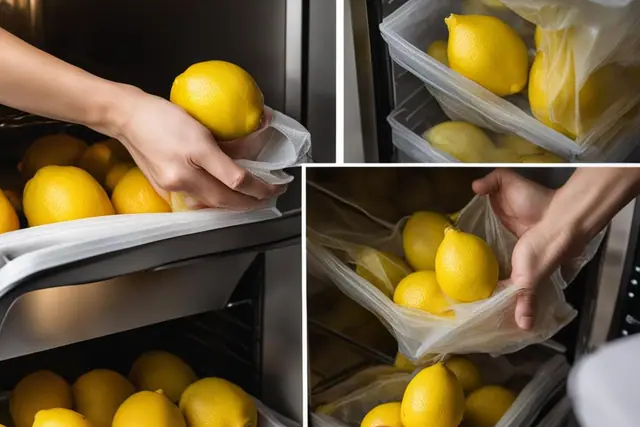
In this guide
- Why Refrigeration is Key for Lemon Storage
- The Benefit of Storing Lemons in Water
- Avoid Plastic Bags for Lemon Storage
- Separate Lemons from Ethylene-Gas-Producing Fruits
- Freezing Lemons for Long-Term Storage
- The Impact of Storage Conditions on Lemon Longevity
- The Best Place to Store Lemons at Home
- The Versatility of Lemons in Cooking and Baking
- The Significance of Fresh Lemons for Recipes
- Lemon Storage Tips for Fruit and Vegetable Lovers
- The Importance of Proper Citrus Storage
- Lemon Storage: Fridge vs. Pantry
- Tips for Preserving Lemons at Home
- The Impact of Proper Lemon Storage on Lemon-Based Recipes
- Conclusion
- Source Links
- FAQ
Welcome to my guide on how to store lemons for maximum freshness! Lemons are a versatile and vibrant ingredient that can add a burst of flavor to your dishes. But to truly enjoy the tangy goodness of lemons, it's important to store them properly. In this article, I will share some tips and techniques to help you keep your lemons fresh and juicy for as long as possible.
Why Refrigeration is Key for Lemon Storage
When it comes to storing lemons for maximum freshness, refrigeration is essential. According to chef-instructor Richard LaMarita, refrigerating lemons can help extend their shelf life and preserve their quality. To store lemons in the fridge, place them in the crisper drawer, which creates a low-humidity environment ideal for keeping lemons fresh for up to a month or even longer.
"Refrigeration provides optimal conditions for maintaining the juiciness and flavor of lemons," says LaMarita.
While the crisper drawer is the ideal spot, you can also store lemons in a container in the main part of the refrigerator. Just make sure to wrap them loosely in a paper towel or place them in a breathable bag to prevent moisture buildup. This way, you can enjoy fresh and juicy lemons whenever you need them for your recipes.
| Benefits of Refrigerating Lemons | Drawbacks of Not Refrigerating Lemons |
|---|---|
|
|
"Proper refrigeration is the key to preserving the freshness and quality of lemons. By storing lemons in the fridge, you can ensure that they stay juicy, flavorful, and ready to enhance your culinary creations," LaMarita emphasizes.
So, the next time you bring home a batch of lemons, be sure to give them a cozy spot in your refrigerator. Whether you use the crisper drawer or a designated container, refrigeration will help maintain the freshness and quality of your lemons, ensuring that you always have a vibrant citrus flavor at your fingertips.
The Benefit of Storing Lemons in Water
Storing lemons in water has gained popularity due to a viral TikTok video that claims it can keep lemons fresh for up to three months. This method involves placing lemons in a mason jar filled with water and storing it in the refrigerator. The water acts as a protective barrier, preserving the juiciness of the lemons and preventing them from drying out. This technique has garnered attention for its convenience and effectiveness in maintaining the quality of lemons over extended periods.
While further scientific research is needed to validate the exact benefits of this method, anecdotal evidence suggests that storing lemons in water can indeed help prolong their freshness. The water creates a humid environment that mimics the natural conditions in which lemons thrive, ensuring they stay plump and juicy for longer.
It's important to note that when using this method, the lemons should be rinsed thoroughly to remove any surface dirt or bacteria. Additionally, the water in the jar should be changed regularly to prevent the growth of mold or mildew. By following these precautions, storing lemons in water can be a simple and effective way to preserve their quality and maximize their shelf life.
Table: Comparison of Lemon Storage Methods
| Storage Method | Benefits | Drawbacks |
|---|---|---|
| Storing Lemons in Water | - Maintains juiciness - Prevents drying out |
- Regular water change required - Potential for mold/mildew growth if not properly maintained |
| Refrigeration | - Extends shelf life - Preserves freshness |
- Limited storage space - Potential for flavor absorption from other foods |
| Freezing Lemons | - Allows long-term storage - Preserves lemon juice |
- Texture may become mushy - Loss of zest flavor |
As with any storage method, personal preferences and available resources may influence the choice of storing lemons in water. Experimenting with different techniques and finding the one that works best for you can help ensure that your lemons remain fresh and ready to be enjoyed in various culinary creations.
Avoid Plastic Bags for Lemon Storage
When it comes to storing lemons, one common mistake many people make is using plastic bags. While plastic bags may seem like a convenient option, they can actually do more harm than good. Plastic bags can trap moisture around the lemons, creating a damp environment that promotes mold and faster spoilage. Additionally, the lack of airflow in plastic bags can lead to ethylene buildup, a gas produced by fruits that accelerates the ripening process and can cause lemons to go bad more quickly.
Instead of using plastic bags, it's best to opt for alternative storage methods that allow for better airflow and moisture control. Paper bags or reusable mesh bags are ideal choices as they provide better ventilation and prevent excess moisture buildup. These types of bags allow the lemons to breathe and stay fresher for a longer period of time. Additionally, they help prevent excessive ethylene gas exposure, ensuring that your lemons stay fresh and flavorful.
Avoiding plastic bags for lemon storage - a summary:
- Plastic bags can trap moisture, leading to mold and faster spoilage.
- Lack of airflow in plastic bags can cause ethylene buildup, accelerating the ripening process.
- Opt for paper or reusable mesh bags for better airflow and moisture control.
- These bags allow lemons to breathe, keeping them fresher for a longer time.
- They also prevent excessive exposure to ethylene gas, preserving the flavor of your lemons.
By avoiding plastic bags and opting for alternative storage methods, you can ensure that your lemons stay fresh, juicy, and ready to add a burst of citrus flavor to your favorite recipes.
Separate Lemons from Ethylene-Gas-Producing Fruits
When it comes to storing lemons, it's important to consider their sensitivity to ethylene gas. Certain fruits and vegetables, such as melons, bananas, apples, tomatoes, and avocados, release ethylene gas as they ripen. This gas can accelerate the ripening process of neighboring fruits and vegetables, including lemons. To prevent premature spoilage and extend the shelf life of your lemons, it's best to store them separately from ethylene-gas-producing fruits.
Separating lemons from these ethylene-gas-producing fruits not only helps preserve their freshness but also ensures that their flavor and quality remain intact. By storing lemons in a separate area or container, you can reduce the exposure to ethylene gas and prolong their shelf life. This simple practice can make a significant difference in the longevity of your lemons and help you enjoy their vibrant flavor for longer.
Here is a list of some common ethylene-gas-producing fruits and vegetables that should be stored separately from lemons:
- Apples
- Bananas
- Tomatoes
- Avocados
- Melons
By keeping your lemons away from these ethylene-gas-producing fruits, you can maintain their freshness and extend their shelf life, ensuring that you always have delicious, tangy lemons on hand for your culinary creations.
| Ethylene-Gas-Producing Fruits and Vegetables | Effect on Lemons |
|---|---|
| Apples | Accelerates ripening and spoilage |
| Bananas | Accelerates ripening and spoilage |
| Tomatoes | Accelerates ripening and spoilage |
| Avocados | Accelerates ripening and spoilage |
| Melons | Accelerates ripening and spoilage |
Freezing Lemons for Long-Term Storage
When it comes to long-term storage of lemons, freezing is an effective method to preserve their freshness and flavor. Freezing whole lemons or lemon wedges allows you to have a stockpile of lemons ready for use whenever you need them. Although freezing may alter the texture of the lemons, the juice remains intact and can still be used in a variety of recipes.
To freeze whole lemons, simply place them in a freezer-friendly zip-top bag and remove as much air as possible before sealing. For lemon wedges, spread them out on a cookie sheet to prevent them from sticking together, then transfer them to a zip-top bag. It's recommended to label the bags with the date to keep track of their freshness.
If you prefer to avoid a mushy texture when defrosting lemons, juicing them before freezing is an option. Squeeze the lemons and store the juice in a freezer-safe container or ice cube trays. This way, you can conveniently thaw just the amount of lemon juice you need for your recipes.
| Freezing Lemons for Long-Term Storage | |
|---|---|
| Method | Steps |
| Freezing whole lemons | - Place whole lemons in a freezer-friendly zip-top bag, removing excess air before sealing. |
| Freezing lemon wedges | - Spread lemon wedges on a cookie sheet to prevent sticking, then transfer to a zip-top bag. |
| Freezing lemon juice | - Squeeze lemons and store the juice in a freezer-safe container or ice cube trays. |
When using frozen lemons, remember to thaw them in the refrigerator or at room temperature before using. While the texture may not be the same as fresh lemons, the flavor and acidity will still be present, allowing you to enjoy the vibrant taste of lemons in your culinary creations all year round.
https://www.youtube.com/watch?v=yVqf4RxQq1E
The Impact of Storage Conditions on Lemon Longevity
Proper storage conditions are crucial for prolonging the freshness and extending the shelf life of lemons. Storing lemons in a cool and dry environment, away from direct sunlight, excessive moisture, and heat sources, helps prevent their skin from turning hard and dry, ensuring they remain juicy and flavorful.
One important factor to consider when storing lemons is the temperature. The ideal storage temperature for lemons is around 45-50 degrees Fahrenheit. This temperature range provides the optimal conditions for long-term freshness. Avoid storing lemons in areas that are too warm or humid, as this can accelerate spoilage and reduce their overall quality.
In addition to temperature, it is also important to keep lemons away from ethylene-gas-producing fruits and vegetables. Certain fruits and vegetables produce ethylene gas, which can speed up the ripening process and cause premature spoilage in lemons. Storing lemons separately from ethylene-gas-producing produce helps to maintain their freshness and extends their shelf life.
The Impact of Storage Conditions on Lemon Longevity:
| Storage Conditions | Effect on Lemon Longevity |
|---|---|
| Cool and Dry Environment | Prevents lemons from drying out and maintains their juiciness. |
| Away from Sunlight | Protects lemons from heat and light exposure, which can degrade their quality. |
| Away from Excessive Moisture | Avoids moisture buildup that can lead to mold and spoilage. |
| Away from Heat Sources | Prevents lemons from becoming too warm, which can accelerate spoilage. |
| Separate from Ethylene-Gas-Producing Produce | Prevents premature ripening and extends the shelf life of lemons. |
By following proper storage conditions, you can ensure that your lemons stay fresh and flavorful for a longer period, allowing you to enjoy their bright citrus taste in various culinary creations.
The Best Place to Store Lemons at Home
When it comes to storing lemons at home, the best place to keep them is in the refrigerator. Refrigeration provides the optimal conditions for maintaining the freshness and flavor of lemons for an extended period of time. Whether you choose to store them in the crisper drawer or in a container in the main part of the refrigerator, keeping lemons chilled is key to preserving their quality.
Refrigeration not only helps to slow down the natural ripening process of lemons but also maintains their juiciness and prevents them from drying out. The cool temperature of the refrigerator, usually around 45-50 degrees Fahrenheit, creates a low-humidity environment that is ideal for prolonging the shelf life of lemons. Additionally, storing lemons in the refrigerator helps to prevent the growth of mold and bacteria, ensuring that your lemons stay fresh and safe to consume.
When storing lemons in the refrigerator, it's important to keep them away from ethylene-gas-producing fruits and vegetables. Certain fruits like melons, bananas, and apples release ethylene gas, which can speed up the ripening process of nearby produce, including lemons. To prevent premature spoilage, it's best to store lemons separately from these ethylene-gas producers. This simple step can help to extend the shelf life of your lemons and ensure that they maintain their optimal quality.
| Benefits of Refrigeration for Lemon Storage |
|---|
| Preserves freshness and flavor |
| Prevents drying out and maintains juiciness |
| Creates a low-humidity environment |
| Slows down the ripening process |
| Prevents mold and bacterial growth |
So the next time you bring home a batch of lemons, remember to store them in the refrigerator for maximum freshness and longevity. By following this simple storage tip, you can always have fresh and vibrant lemons on hand to enhance your recipes and add a burst of citrusy flavor to your dishes.
The Versatility of Lemons in Cooking and Baking
Lemons are not only a staple in the kitchen but also a versatile ingredient that can add brightness and acidity to a variety of dishes. Whether you're making a refreshing lemonade, adding a zesty twist to your salad dressing, or creating a tangy marinade for your meats, lemons are an essential ingredient that can elevate the flavors of your culinary creations.
When it comes to baking, lemons are equally indispensable. The tartness of lemon juice and the fragrant zest can enhance the taste of cakes, cookies, and pastries. From lemon bars to lemon meringue pies, the vibrant citrusy flavor of lemons can bring a burst of freshness to any dessert.
But lemons aren't just about their juice and zest. The entire lemon can be used in cooking and baking. The rind of a lemon, also known as the zest, contains aromatic oils that provide a concentrated burst of citrus flavor. Using a zester or a microplane, you can easily separate the zest from the lemon, adding a bright and tangy essence to your dishes.
Lemon Storage Tips:
- Store lemons in the refrigerator to maximize their freshness and extend their shelf life. The cool temperature helps slow down the natural ripening process of lemons, keeping them juicy and vibrant.
- Avoid storing lemons next to ethylene-gas-producing fruits and vegetables, as they can accelerate the ripening process and cause premature spoilage.
- To keep lemons fresh for longer periods, consider storing them in a mason jar filled with water in the refrigerator. The water helps maintain the juiciness of the lemons and prevents them from drying out.
By understanding how to properly store lemons, you can ensure that you always have this versatile ingredient on hand, ready to enhance the flavors of your favorite recipes. So go ahead, get creative in the kitchen, and let lemons add a burst of citrusy goodness to your culinary endeavors.
The Significance of Fresh Lemons for Recipes
When it comes to cooking and baking, fresh lemons play a vital role in adding a burst of flavor and brightness to dishes. Their tangy and citrusy taste can enhance the flavors of both savory and sweet recipes, making them a staple ingredient in many kitchens. But why is it so important to keep lemons fresh for your culinary creations?
First and foremost, fresh lemons contain the highest amount of juice, which means more flavor and zest for your recipes. The natural oils in the lemon peel also provide a fragrant aroma that can elevate the overall taste of a dish. Whether you're using lemon juice to balance out the richness of a creamy sauce or incorporating lemon zest to add a refreshing twist to your desserts, the freshness of the lemons will directly impact the quality and taste of your final dish.
Additionally, fresh lemons offer a range of health benefits. They are an excellent source of vitamin C, which supports a healthy immune system and promotes collagen production. Lemons are also known for their detoxifying properties and are often used in detox drinks to cleanse the body. By keeping lemons fresh, you can maximize their nutritional value and ensure that you're getting the most out of this versatile citrus fruit.
The freshness of lemons directly impacts the quality and taste of your final dish.
So, how can you ensure that your lemons stay fresh and flavorful? Proper storage is key. As mentioned in earlier sections, refrigeration is the best method for storing lemons and maintaining their freshness for an extended period. By keeping lemons in the refrigerator, you can slow down the spoilage process and preserve their juiciness and flavor.
By understanding the significance of fresh lemons for recipes, you can prioritize their proper storage and ensure that you always have the best ingredients on hand. So, next time you're planning a culinary endeavor that requires the bright and tangy taste of lemons, remember to keep them fresh and enjoy the vibrant flavors they bring to your dishes.
Lemon Storage Tips for Fruit and Vegetable Lovers
Proper storage of fruits and vegetables is essential for maintaining their freshness and quality. Whether you're storing lemons, apples, carrots, or any other produce, following these kitchen storage tips will help extend their longevity and ensure that you always have fresh ingredients on hand.
Storing Fruits:
When it comes to storing fruits, it's important to consider their ripeness and sensitivity to ethylene gas. Some fruits, like bananas, apples, and melons, release ethylene gas, which can cause other fruits to ripen and spoil faster. To prevent premature ripening, store ethylene-gas-producing fruits separately from other fruits. Additionally, avoid storing fruits in plastic bags, as they can trap moisture and lead to quicker spoilage. Instead, use paper or reusable mesh bags to allow for better airflow.
- Store ripe fruits like peaches, pears, and plums in the refrigerator to slow down the ripening process.
- Keep delicate fruits like berries and grapes refrigerated but avoid washing them until you're ready to consume them.
- Citrus fruits, including lemons, can be stored at room temperature for a few days or in the refrigerator for longer shelf life.
Storing Vegetables:
Vegetables should be stored in cool and dry environments to prevent spoilage and maintain their crispness. Here are some tips for storing common vegetables:
- Leafy greens like lettuce, spinach, and kale should be stored in a breathable container or bag with a paper towel to absorb excess moisture.
- Root vegetables like carrots, beets, and potatoes should be kept in a cool, dark place to avoid sprouting and maintain their freshness.
- Tomatoes are best stored at room temperature, away from direct sunlight, to preserve their flavor and texture.
By following these simple storage tips, you can prolong the life of your favorite fruits and vegetables, reduce waste, and ensure that your kitchen is always stocked with fresh and nutritious ingredients.
The Importance of Proper Citrus Storage
When it comes to storing citrus fruits like lemons, proper storage is key to maintaining their freshness and flavor. Citrus fruits are known for their vibrant taste and juiciness, and following the right storage techniques will ensure that you get the most out of these delicious fruits. Whether you have lemons, oranges, or grapefruits, proper citrus storage will help preserve their quality and extend their shelf life.
One important aspect of citrus storage is maintaining the right environmental conditions. Citrus fruits should be stored in a cool and dry environment, away from direct sunlight and excessive heat sources. This will prevent the fruits from becoming dry and losing their juiciness. The ideal temperature for storing citrus fruits is around 45-50 degrees Fahrenheit, which can be achieved in a refrigerator or a cool pantry.
It's also important to store citrus fruits away from other fruits and vegetables that produce ethylene gas. Ethylene gas can speed up the ripening process of citrus fruits and lead to premature spoilage. So, it's best to keep citrus fruits separate from ethylene-gas-producing fruits like bananas, melons, and apples to extend their shelf life.
Proper citrus storage not only preserves the freshness and flavor of these fruits, but it also ensures that you have a ready supply for all your citrusy needs. From adding a pop of tangy flavor to your culinary creations to enjoying a refreshing glass of citrus-infused water, properly stored citrus fruits are a versatile ingredient in the kitchen. So, remember to follow the right storage techniques and make the most of these juicy and vibrant fruits.
| Citrus Fruit | Storage Tips |
|---|---|
| Lemons | - Store in a cool and dry environment - Keep away from ethylene-gas-producing fruits - Refrigeration is ideal for long-term freshness |
| Oranges | - Store in a cool and dry environment - Keep away from ethylene-gas-producing fruits - Peel and refrigerate for extended shelf life |
| Grapefruits | - Store in a cool and dry environment - Keep away from ethylene-gas-producing fruits - Refrigeration is best for prolonging freshness |
By following these simple storage tips, you can enjoy the full potential of citrus fruits and ensure that they stay fresh and flavorful for longer. So, the next time you stock up on lemons, oranges, or grapefruits, remember to give them the proper care they deserve and let their vibrant taste brighten up your dishes.
Lemon Storage: Fridge vs. Pantry
When it comes to storing lemons, deciding between the fridge and the pantry can be a bit confusing. Both options have their advantages and it ultimately depends on how quickly you plan to use the lemons.
If you anticipate using the lemons within a shorter time frame, storing them in the pantry can be a convenient option. However, keep in mind that the shelf life of lemons stored in the pantry will be shorter compared to those stored in the fridge. The pantry provides a dry and cool environment, which can help extend the freshness of lemons for a few weeks. Just make sure to place them away from ethylene-gas-producing fruits and vegetables to avoid premature spoilage.
On the other hand, if you want to maximize the shelf life of your lemons and have them last for a month or more, refrigeration is the way to go. The crisper drawer in your refrigerator provides a low-humidity environment that helps preserve the freshness of lemons. You can also store them in a container in the main part of the fridge if you prefer. Refrigeration provides optimal conditions for long-term freshness and ensures that your lemons stay juicy and flavorful.
Overall, the decision between storing lemons in the fridge or the pantry depends on your specific needs and usage. If you plan to use the lemons quickly, the pantry is a suitable option. However, if you want to extend their freshness and have them on hand for longer periods, refrigeration is the recommended choice. Whichever method you choose, be sure to store lemons properly to maintain their quality and taste.
Tips for Preserving Lemons at Home
Preserved lemons are a fantastic addition to your culinary repertoire. With their tangy flavor and unique texture, they can elevate a wide range of dishes. Whether you're a seasoned chef or a beginner in the kitchen, learning how to preserve lemons at home is a valuable skill to have.
There are various methods for preserving lemons, each with its own distinct flavor profile. One popular technique is salting, where lemons are packed in a jar with salt and left to ferment. This process not only enhances the flavor of the lemons but also softens the rind, making it edible and adding a delightful texture to your dishes.
Another method is pickling, which involves submerging lemons in a brine solution made with vinegar, spices, and herbs. This imparts a tangy and complex flavor to the lemons, making them a versatile ingredient in salads, marinades, and even cocktails.
Preserved lemons can add a delightful twist to your culinary creations.
| Preservation Method | Flavor Profile | Usage |
|---|---|---|
| Salting | Tangy and Fermented | Curries, stews, roasted meats |
| Pickling | Tangy and Spicy | Salads, dressings, marinades |
| Fermenting | Tangy and Fizzy | Cocktails, kombucha, flavored water |
When preserving lemons, it's important to use fresh, organic lemons and thoroughly wash them before starting. Cut the lemons into wedges or slices, removing any seeds, and pack them tightly into sterilized jars. Add the desired spices, herbs, and salt or brine solution, ensuring the lemons are fully submerged. Seal the jars tightly and store them in a cool, dark place for the fermentation or pickling process to take place.
Preserved lemons can last for several months when stored properly. As time goes by, the flavors of the preserving ingredients will continue to develop, resulting in a richer and more intense lemony flavor. Remember to always use clean utensils when handling the preserved lemons to prevent contamination.
Once you've mastered the art of preserving lemons, you'll have a versatile ingredient at your disposal. From Moroccan tagines to Mediterranean salads, preserved lemons can add a burst of flavor to any dish. So go ahead, experiment with different preservation methods, and unlock the culinary potential of these vibrant and tangy fruits.
The Impact of Proper Lemon Storage on Lemon-Based Recipes
When it comes to lemon-based recipes, the freshness of the lemons plays a crucial role in enhancing the flavor and overall quality of the dish. Proper lemon storage techniques ensure that you always have fresh, juicy lemons on hand to add brightness and zest to your culinary creations. Preserving the freshness of lemons requires attention to their storage conditions and avoiding common pitfalls that can lead to premature spoilage.
The Importance of Lemon Freshness
Maximizing lemon freshness is essential because it directly affects the taste and texture of lemon-based recipes. Fresh lemons have a vibrant citrus flavor that can uplift any dish, whether it's a refreshing salad dressing, a tangy marinade, or a zesty dessert. When lemons are properly stored, their natural juices and acidity are preserved, ensuring that they deliver their full potential in adding a burst of freshness to your recipes.
Proper storage helps prevent lemons from drying out or becoming overripe, which can negatively impact their taste. Freshly harvested and properly stored lemons retain their firmness, juiciness, and tanginess, making them the perfect ingredient for achieving that desired balance of flavors in your lemon-based dishes.
Tips for Preserving Lemon Freshness
Here are some tips to help you preserve the freshness of lemons and ensure they are always ready to elevate your recipes:
- Choose lemons that are brightly colored, firm, and heavy for their size, indicating that they are full of juice.
- Store lemons in the refrigerator, either in the crisper drawer or in a container in the main part of the refrigerator. This helps maintain a cool and low-humidity environment, extending their shelf life.
- Avoid storing lemons in plastic bags as they can trap moisture and promote spoilage. Instead, opt for paper or reusable mesh bags that allow for better airflow.
- Keep lemons away from ethylene-gas-producing fruits and vegetables, such as apples or melons, as they can accelerate the ripening process and lead to premature spoilage.
By following these simple storage tips, you can ensure that your lemons stay fresh, juicy, and full of flavor. Incorporating fresh lemons into your recipes will elevate the taste and bring a delightful tanginess that will leave your guests craving more.
| Storage Method | Benefits | Drawbacks |
|---|---|---|
| Refrigeration | Prolongs freshness, maintains juiciness | Can lead to a slight loss of flavor |
| Storing in Water | Keeps lemons hydrated and prevents drying | Requires additional space in the refrigerator |
| Avoiding Plastic Bags | Allows better airflow, reduces moisture buildup | Requires alternative storage containers |
| Separating from Ethylene-Gas-Producing Fruits | Prevents premature spoilage | Requires separate storage areas |
Conclusion
After exploring various techniques and methods, it is clear that proper lemon storage is essential for preserving their freshness and enhancing their flavor. By following these storage tips, you can ensure that you always have juicy and vibrant lemons ready to elevate your culinary creations.
Refrigeration is key to extending the shelf life of lemons, with the crisper drawer providing an ideal low-humidity environment. Storing lemons in water can also help maintain their juiciness for an extended period. Avoid using plastic bags, as they can trap moisture and lead to spoilage.
Additionally, separating lemons from ethylene-gas-producing fruits and storing them in a cool and dry place will prevent premature spoilage. Freezing lemons is a viable option for long-term storage, preserving their juice for future use.
So remember, whether you're using lemons for cooking, baking, or preserving, proper storage is key to maintaining their freshness and flavor. By implementing these storage techniques, you'll always have the zestful taste of lemons at your fingertips.
Source Links
- https://www.southernliving.com/food/fruits/citrus/lemon/how-to-store-lemons
- https://www.tasteofhome.com/article/how-to-store-lemons/
- https://www.thekitchn.com/the-best-way-to-keep-lemons-fresh-for-a-whole-month-tips-from-the-kitchn-144430
Frequently asked questions
- How should I choose lemons for maximum freshness?
Look for brightly colored, firm lemons with a lot of juice inside. Avoid lemons that are wrinkled or squishy.
- Should I refrigerate lemons?
Yes, refrigeration is crucial for keeping lemons fresh. Store them in the crisper drawer or in a container in the main part of the refrigerator.
- Can I store lemons in water?
Yes, storing lemons in a mason jar filled with water in the refrigerator can help keep them fresh for up to three months.
- Should I use plastic bags to store lemons?
No, plastic bags can trap moisture and lead to quicker spoilage. Opt for paper or reusable mesh bags for better airflow.
- Should I store lemons with other fruits and vegetables?
No, lemons should be stored separately from ethylene-gas-producing fruits and vegetables to prevent premature spoilage.
- Can lemons be frozen for extended storage?
Yes, lemons can be frozen for up to four months. Freeze them whole or as lemon wedges, but note that the texture may change once defrosted.
- What are the ideal storage conditions for lemons?
Store lemons in a cool, dry environment away from direct sunlight, excessive moisture, and heat sources. The ideal temperature is around 45-50 degrees Fahrenheit.
- Where is the best place to store lemons at home?
The refrigerator is the best place to store lemons, either in the crisper drawer or in a container in the main part of the refrigerator.
- How can lemons be used in cooking and baking?
Lemons are versatile ingredients that can add brightness and acidity to dishes, enhance flavors, and be used for marinating, dressings, sauces, and desserts.
- Why is fresh lemon important for recipes?
Fresh lemons provide the most flavor and zest in recipes, while improperly stored lemons can result in a loss of flavor and texture.
- Are lemon storage tips applicable to other fruits and vegetables?
Yes, proper storage techniques can be applied to other fruits and vegetables to extend their longevity and maintain freshness.
- How should citrus fruits, besides lemons, be stored?
Citrus fruits like oranges and grapefruits should be stored in cool and dry environments, away from ethylene-gas-producing fruits and vegetables.
- Can lemons be stored in the pantry instead of the refrigerator?
Yes, but the shelf life of lemons stored in the pantry will be shorter compared to those stored in the refrigerator.
- How can I preserve lemons at home?
Lemons can be preserved through salting, pickling, or fermenting methods, adding a unique tangy flavor to recipes.
- How does proper lemon storage impact lemon-based recipes?
Proper lemon storage ensures the best flavor and quality, allowing fresh, juicy lemons to enhance the taste of recipes.
AprilCook, recipe developer and the heart of Chefwiz. More about April