Guide
How to Store Celery and Maintain Its Crunch
Discover the secrets of how to store celery, keeping it fresh and crunchy for weeks! Join me on this culinary journey ensuring no celery ever goes to waste.
 By April19 min read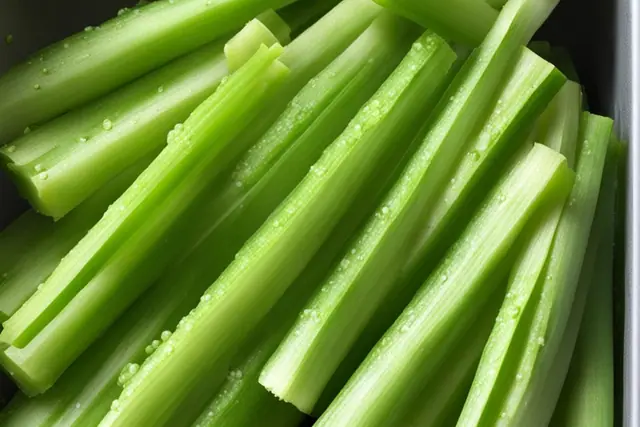
In this guide
- Why Avoid Keeping Celery in Plastic Bags
- How to Store Whole Celery
- How to Store Cut Celery
- Freezing Celery for Long-Term Storage
- Tips for Buying Fresh Celery
- The Impact of Plastic on Celery Storage
- The Importance of Proper Celery Storage
- Rehydrating Limp Celery
- Creative Uses for Limp Celery
- Recommended Celery Recipes
- Reader Engagement and Conclusion
- Conclusion
- Source Links
- FAQ
Are you tired of your celery going limp before you can finish it? I have some storage tips that will help you maintain the crunch and freshness of your celery for longer periods. By following these simple techniques, you can reduce food waste and enjoy crispy celery in your meals. Let's dive in!
Why Avoid Keeping Celery in Plastic Bags
Plastic bags may seem like a convenient option for storing celery, but they can actually do more harm than good. When celery is stored in a plastic bag, it traps the natural ethylene gas that it produces. This gas causes the celery to ripen quicker and spoil faster, resulting in a shorter shelf life.
Instead of plastic bags, it is recommended to wrap celery tightly in aluminum foil. This allows the ethylene gas to escape, helping to maintain the freshness of the celery for a longer period. Additionally, the foil helps to retain moisture, keeping the celery crunchy and crisp.
To store celery properly, remove it from the plastic bag it comes in and wrap it tightly in aluminum foil. This simple switch can significantly extend the shelf life of your celery, ensuring you have fresh and crunchy stalks whenever you need them.
How to Store Whole Celery
When it comes to storing whole celery, there are a few key steps you can follow to ensure its freshness and crispness are maintained for longer periods. By properly wrapping and storing whole celery, you can enjoy its delicious flavor in your dishes for weeks to come.
The Foil Method
One effective method for storing whole celery is to wrap it tightly in aluminum foil. This helps to retain moisture and prevent the celery from becoming limp. The foil also protects the celery from ethylene gas, which can accelerate its ripening process. By keeping the celery tightly wrapped in foil, you can extend its shelf life and maintain its optimal freshness.
Once you have wrapped the whole celery in foil, it's important to store it properly in your refrigerator. The crisper drawer is the ideal location for storing whole celery, as it provides a cool and slightly humid environment. Remember to leave the ends of the celery slightly open to allow for proper airflow, which helps to prevent moisture buildup and maintain crispness.
https://www.youtube.com/watch?v=NImOL6H5LaE
Table: Proper Storage of Whole Celery
| Step | Method |
|---|---|
| 1 | Wrap whole celery tightly in aluminum foil |
| 2 | Store wrapped celery in the crisper drawer of your refrigerator |
| 3 | Leave ends of celery slightly open for airflow |
By following these simple steps, you can ensure that your whole celery stays fresh and crunchy for an extended period. Whether you're using it in salads, stir-fries, or as a healthy snack, properly storing whole celery is key to enjoying its delicious taste and texture.
How to Store Cut Celery
When it comes to storing cut celery, using the right method is crucial to maintain its freshness and crunchiness. An airtight container is the key to preserving the quality of cut celery for up to two weeks in the refrigerator. To begin, chop the celery into the desired shape and size, ensuring that it is clean and dry. Then, place the celery pieces in the airtight container, making sure they are arranged in a single layer without overcrowding. This will help prevent moisture buildup and keep the celery from becoming soggy.
To further enhance the longevity of cut celery, it's important to submerge it in water. Fill the airtight container with enough water to completely cover the celery pieces. The water acts as a barrier, preventing the celery from drying out and losing its crisp texture. It also helps to change the water every few days to ensure freshness and maintain the celery's vibrant flavor.
By following these storage techniques, you can enjoy freshly cut celery in your salads, stir-fries, or snacks for an extended period. Just make sure to use it within the recommended time frame to ensure optimal taste and quality.
| Storage Tips for Cut Celery | Benefits |
|---|---|
| Use an airtight container | Prevents moisture loss and maintains crispness |
| Submerge cut celery in water | Retains moisture and freshness |
| Change water every few days | Ensures maximum freshness |
Freezing Celery for Long-Term Storage
When it comes to preserving celery for an extended period, freezing is a great option. Freezing celery allows you to have this versatile vegetable on hand whenever you need it, even if it's out of season. Here's a simple step-by-step guide on how to freeze celery:
- Clean and trim the celery stalks, removing any leaves and tough parts.
- Blanch the celery by boiling it in water for 2-3 minutes. This blanching process helps maintain the color, flavor, and texture of the celery.
- Quickly transfer the blanched celery into an ice bath to cool it down and stop the cooking process.
- Once cooled, pat the celery dry with a paper towel and cut it into the desired size for your recipes.
- Arrange the celery pieces in a single layer on a baking sheet lined with parchment paper.
- Place the baking sheet in the freezer and let the celery freeze for 1 to 2 hours, or until completely solid.
- Once frozen, transfer the celery to a freezer bag or airtight container, and make sure to label it with the date.
When properly frozen, celery can be stored in the freezer for up to 12 months. Freezing celery is a convenient way to have it readily available for soups, stews, stir-fries, and other dishes that call for this crunchy and flavorful vegetable.
Freezing Celery: Tips and Considerations
Here are some additional tips and considerations to keep in mind when freezing celery:
- It's best to use frozen celery in cooked dishes rather than raw, as freezing can affect its texture.
- Labeling the freezer bag or container with the date is crucial for keeping track of the storage time.
- Properly blanching the celery helps preserve its color and flavor.
- If possible, use celery that is fresh and in its prime for freezing.
- Consider freezing celery in portioned amounts that align with your cooking needs to avoid thawing more than necessary.
By following these freezing techniques, you can enjoy the benefits of celery all year round, reduce waste, and ensure that each dish you prepare has the perfect crunch and flavor that celery brings.
Tips for Buying Fresh Celery
When it comes to buying celery, there are a few key factors to keep in mind to ensure you bring home the freshest stalks. Look for bunches of celery that appear fresh and healthy. The leaves should be vibrant and green, indicating that the celery is still crisp and full of flavor. Avoid celery with splayed stalks or any signs of discoloration, cuts, or bruises.
One important characteristic to consider is the straightness of the stalks. Straight stalks are a good indication of freshness, as they haven't been bent or damaged during transportation or handling. To test the quality of the celery, give it a gentle bend. Fresh celery should snap and crackle, indicating its firmness and freshness.
By following these tips, you can confidently buy fresh celery that will add a delicious crunch and flavor to your meals. Whether you're using it in salads, soups, stir-fries, or other dishes, fresh and healthy celery is a versatile ingredient that can enhance the taste and texture of your favorite recipes.
Remember, buying fresh celery is the first step in maintaining its quality and flavor. By selecting healthy-looking bunches with straight stalks, you can enjoy the best celery experience in your culinary creations. So next time you're at the grocery store, keep these tips in mind and savor the freshness of this versatile vegetable.
The Impact of Plastic on Celery Storage
Plastic has a significant effect on the storage of celery, leading to its deterioration and spoilage. The plastic packaging commonly used for store-bought celery traps ethylene gas, which is naturally produced by the vegetable as it ripens. This trapped gas accelerates the ripening process of celery, causing it to spoil faster and lose its freshness. To prevent this, it is recommended to use an alternative storage method that allows the ethylene gas to escape.
Aluminum foil is a great alternative to plastic for storing celery. By wrapping celery tightly in aluminum foil, you create a barrier that allows the excess ethylene gas to escape, reducing the risk of spoilage. The foil also helps to retain moisture, keeping the celery fresh and crunchy for a longer period. By avoiding plastic and using aluminum foil, you can prolong the shelf life of celery and maintain its optimal quality.
Proper storage is essential to preserving the freshness of celery. By making a simple switch from plastic to aluminum foil, you can minimize the impact of ethylene gas and ensure that your celery stays crisp and flavorful. Let's embrace sustainable storage practices and reduce the waste caused by plastic packaging.
Table: Comparison of Plastic and Aluminum Foil for Celery Storage
| Storage Material | Celery Deterioration | Ethylene Gas Retention | Moisture Retention |
|---|---|---|---|
| Plastic | Accelerated | Trapped | Reduced |
| Aluminum Foil | Reduced | Released | Retained |
The Importance of Proper Celery Storage
Proper storage of celery is crucial for retaining its moisture and preventing it from turning limp. By following a few simple steps, you can ensure that your celery stays fresh and crisp for longer periods.
Storing Whole Celery
One effective method for preserving celery's optimal freshness is to store it whole. Begin by removing any rubber bands or wrap from the celery bunch. Next, wrap the celery tightly in aluminum foil to retain moisture. Place the wrapped celery in the crisper drawer of your refrigerator, allowing for proper airflow by leaving the ends slightly open. This technique can help maintain the crunchiness of your celery for up to two to four weeks.
Storing Cut Celery
If you need to store cut celery, it is essential to do so in an airtight container. This prevents the celery from drying out and maintains its freshness. Place the cut celery pieces in a clean, airtight container and refrigerate. It is advisable to use the cut celery within a few days for optimal results.
Summary
Proper celery storage is key to retaining its moisture and avoiding limpness. Whether storing whole celery in the crisper drawer or cut celery in an airtight container, these techniques will help maintain the crispness and freshness of your celery. By implementing these storage methods, you can enjoy delicious, crunchy celery in your meals for an extended period.
| Storage Method | Duration |
|---|---|
| Whole celery wrapped in aluminum foil | 2-4 weeks |
| Cut celery in an airtight container | A few days |
Rehydrating Limp Celery
If you find yourself with limp celery, don't throw it away just yet. There's a simple way to revive its crispness and regain its firmness. All you need is a few minutes and some ice-cold water.
To rehydrate limp celery, start by trimming the ends of each stalk. This helps remove any dry or wilted parts that may affect the overall quality. Then, fill a bowl or container with ice-cold water and submerge the celery in it. Place the container in the refrigerator and let the celery soak for about 30 minutes.
The ice-cold water helps replenish the moisture in the celery, causing it to become plump and crunchy again. After the soaking time, remove the celery from the water and pat it dry gently using a clean towel or paper towel. Your celery is now ready to be used in your favorite recipes, adding that satisfying crunch and freshness.
Remember, rehydrating limp celery is a great way to reduce waste and make the most of every ingredient in your kitchen. So next time you have some limp celery, give it a refreshing soak, and enjoy its renewed crispness.
Rehydrating Limp Celery - Step by Step Guide:
- Trim the ends of each stalk of limp celery.
- Fill a bowl or container with ice-cold water.
- Submerge the celery in the water and refrigerate for about 30 minutes.
- Remove the celery from the water and gently pat it dry with a towel.
Now, your celery is rehydrated, crispy, and ready to be used in your favorite dishes.
| Benefits of Rehydrating Limp Celery | How it Works |
|---|---|
| Revives the freshness | The ice-cold water replenishes the moisture in the celery, rejuvenating its texture and flavor. |
| Reduces waste | Instead of discarding limp celery, rehydrating it allows you to utilize every part of the vegetable. |
| Enhances recipes | Rehydrated celery adds a satisfying crunch and freshness to your dishes, elevating their overall taste. |
Creative Uses for Limp Celery
Don't let limp celery go to waste! Although it may no longer be suitable for raw snacking or crudités, there are still plenty of delicious ways to utilize limp celery in your cooking. By roasting limp celery, you can transform it into a flavorful addition to soups, stews, and roasts. The gentle heat of the oven helps to concentrate its natural sweetness and add a depth of flavor that can enhance any dish.
One creative use for limp celery is to make a creamy celery soup. Simply roast the limp celery with a drizzle of olive oil until it becomes tender and slightly caramelized. Then, blend the roasted celery with vegetable broth, garlic, and your favorite herbs until smooth. The result is a velvety soup with a rich, earthy taste that pairs well with crusty bread or a side salad.
If you're feeling adventurous, consider making a homemade celery syrup. Simmer limp celery with water and sugar until the flavors meld together. Once strained, the resulting syrup can be used to sweeten cocktails, lemonades, or even drizzled over pancakes or waffles for a unique twist. The celery syrup adds a subtle vegetal note and a touch of sweetness that complements a variety of beverages and desserts.
Table: Recipes for Limp Celery
| Recipe | Description |
|---|---|
| Roasted Limp Celery Soup | A comforting and flavorful soup made by roasting limp celery and blending it with vegetable broth and herbs. |
| Celery Syrup | A sweet and savory syrup made by simmering limp celery with water and sugar, perfect for adding a unique flavor to drinks and desserts. |
| Celery and Potato Mash | Combine boiled potatoes and roasted limp celery for a delicious and creamy mashed potato alternative. |
| Stir-Fried Limp Celery | Sauté limp celery with garlic, ginger, and soy sauce for a quick and tasty side dish or stir fry component. |
With these creative uses for limp celery, you can transform this often overlooked vegetable into an ingredient that adds depth and flavor to your culinary creations. Don't let limp celery go to waste, and instead, explore these recipes to make the most out of this versatile vegetable.
Recommended Celery Recipes
Looking for inspiration on how to use celery in your recipes? Here are a few delicious and versatile celery recipes that will elevate your meals:
Raw Celery Salad
"This raw celery salad is a refreshing and light dish that highlights the natural crunch of celery. Combine thinly sliced celery with slices of radish and cucumber, and toss with a zesty lemon vinaigrette. Serve as a healthy side or add protein, such as grilled chicken or tofu, to turn it into a satisfying main course."
Celery and Za'atar Tabouli
"This twist on the classic tabouli salad incorporates celery for added crunch and freshness. Mix together chopped celery, parsley, mint, tomatoes, and bulgur wheat. Season with olive oil, lemon juice, and za'atar spice blend for a flavorful Middle Eastern salad that pairs well with grilled meats or as a standalone vegetarian option."
Chicken and Tofu Stir Fry with Celery and Cashews
"For a hearty and protein-packed meal, try this chicken and tofu stir fry with celery and cashews. Sauté bite-sized pieces of chicken, tofu, and celery in a savory sauce made with soy sauce, ginger, garlic, and a touch of honey. Top with toasted cashews for an extra crunch. Serve over steamed rice or noodles for a complete and satisfying dinner."
Celery and Lentil Salad with Tossed Salsa Verde
"This vibrant salad combines the earthy flavors of lentils with the crispness of celery. Cook green lentils until tender and let them cool. Toss with diced celery, chopped herbs like parsley and cilantro, and a tangy salsa verde dressing. This salad is a great option for a light lunch or a side dish with grilled fish or roasted chicken."
New Potato Salad with Crispy Radishes and Fennel
"Upgrade your traditional potato salad by adding fresh celery, crunchy radishes, and aromatic fennel. Boil new potatoes until fork-tender and let them cool. Combine with thinly sliced celery, radishes, and fennel. Dress with a lemony yogurt dressing for a bright and refreshing twist on a classic summer salad."
These celery recipes showcase the versatility of this humble vegetable, allowing it to shine in a range of dishes. Whether you're in the mood for a light and refreshing salad or a heartier stir fry, celery's crisp texture and mild flavor are sure to enhance your culinary creations.
Reader Engagement and Conclusion
Thank you for reading this article on how to store celery and maintain its freshness. I hope you found the tips and techniques helpful in extending the shelf life of your celery and reducing food waste. Your engagement and feedback are important to me, so I encourage you to share your thoughts, favorite food storage solutions, and any additional tips in the comments section below.
By implementing proper storage methods, such as wrapping celery in aluminum foil and avoiding plastic packaging, you can ensure that your celery stays fresh and crunchy for an extended period. This not only saves you money but also contributes to reducing food waste. Together, we can make a positive impact on the environment while enjoying delicious and healthy celery in our meals.
Remember, proper storage is key to maintaining the freshness and crispness of celery. Whether you choose to store whole celery in the crisper drawer or keep cut celery in an airtight container, these techniques will help you maximize the shelf life of this versatile vegetable. Don't hesitate to try out the creative recipes mentioned in this article, even if you find yourself with limp celery. There are still plenty of delicious ways to use it and create flavorful dishes.
Let's work together to ensure that no celery goes to waste. Share your experiences, ideas, and favorite celery recipes in the comments below. Together, we can continue to discover new ways to store and enjoy this nutritious vegetable while reducing food waste and promoting sustainability.
| Benefits of Reader Engagement | Conclusion |
|---|---|
|
|
Conclusion
With the right storage techniques, you can maintain the freshness and crispness of celery for an extended period. By using aluminum foil instead of plastic packaging, you prevent the build-up of ethylene gas, ensuring that your celery stays fresh for longer. Storing whole celery in the crisper drawer of your refrigerator, with slightly open ends, allows for proper airflow, keeping the stalks crunchy.
If you have cut celery, submerging it in water within an airtight container can help retain its freshness. Don't forget to change the water regularly for optimal results. Additionally, rehydrating limp celery is as simple as trimming the ends and soaking them in ice-cold water. This revitalization process will bring back the firmness and crispiness to your celery.
By following these storage techniques and implementing them into your routine, you can reduce food waste and ensure that your celery is always ready to enhance your culinary creations. So go ahead, store your celery properly, maintain its freshness, and enjoy the delightful crunch and flavor it adds to your dishes.
Source Links
- https://www.realsimple.com/how-to-store-celery-7500402
- https://food52.com/blog/14672-the-surprising-way-you-should-be-storing-celery
- https://www.eatingwell.com/article/7924221/how-to-store-celery/
Frequently asked questions
- How should I store celery to maintain its crunch?
When buying celery, look for bright green stalks, firm and crisp ribs, and tightly packed bunches. To store celery, remove it from the plastic bag it comes in and wrap it tightly in aluminum foil. Store the wrapped celery in the crisper drawer of your refrigerator, leaving the ends slightly open to allow for airflow. This method can keep celery fresh for up to four weeks.
- Why shouldn't I keep celery in the plastic bag?
The plastic bag that celery is typically packaged in traps ethylene gas, which causes the celery to ripen faster and spoil more quickly. Wrapping celery in aluminum foil instead allows the gas to escape, prolonging its freshness. The foil also helps retain moisture, keeping the celery crunchy. By avoiding the plastic bag and using aluminum foil, you can extend the shelf life of celery.
- How should I store whole celery?
For optimal freshness, keep celery heads whole and wrap them tightly in aluminum foil. Place the wrapped celery in the crisper drawer of your refrigerator. The foil helps retain moisture, preventing the celery from becoming limp. By storing whole celery this way, you can maintain its freshness for up to two to four weeks.
- How should I store cut celery?
Cut celery can be stored for up to two weeks in the refrigerator. To store cut celery, chop it into the desired shape and size. Place the celery pieces in an airtight container and fill the container with enough water to submerge the celery. Changing the water frequently will help maximize freshness. This method can help keep cut celery crispy and fresh until you're ready to use it.
- Can celery be frozen for long-term storage?
Yes, celery can be frozen for long-term storage. To freeze celery, start by cleaning, trimming, and cutting the celery. Blanch the celery by boiling the pieces for 2-3 minutes, then quickly transferring them to an ice bath. Once cooled, place the blanched celery on a baking sheet lined with parchment paper and freeze for 1 to 2 hours, or until solid. Transfer the frozen celery to a freezer bag or freezer-safe container before placing it back in the freezer. This method allows you to preserve celery for future use in recipes such as soups, stews, and stir-fries.
- What should I look for when buying fresh celery?
When buying celery, choose bunches that are tight, firm, and have fresh, healthy-looking leaves. The stalks should be straight and rigid, and they should snap when bent. Avoid celery that appears splayed out or has cuts or bruises. By selecting fresh celery at the grocery store, you can ensure the best quality and flavor.
- How does plastic packaging affect celery storage?
The plastic packaging that often comes with store-bought celery can actually accelerate its deterioration. The plastic traps ethylene gas produced by the celery, leading to faster spoilage. To avoid this issue, it is recommended to use aluminum foil instead of plastic when storing celery. The foil allows the ethylene to escape, helping to maintain the freshness of the celery for a longer period.
- Why is proper celery storage important?
Proper storage of celery is essential to retaining its moisture and preventing it from becoming limp. By storing celery in an airtight container and following the recommended methods, you can ensure optimal freshness and crunchiness.
- How can I rehydrate limp celery?
If you find yourself with limp celery, you can revive it by rehydrating it. Simply trim the ends of each stalk and soak the celery in ice-cold water in the refrigerator for 30 minutes. This process helps the celery regain its firmness and crispness, making it usable for various recipes.
- What can I do with limp celery?
Don't despair if you have limp celery. There are still plenty of delicious ways to use it. Consider roasting limp celery for a creamy and flavorful soup or creating a celery-scented syrup for homemade soda or cocktails. Limp celery can still contribute to tasty dishes, so get creative and explore new recipes.
- What are some recommended celery recipes?
Celery is a versatile ingredient that can be used in a variety of recipes. Try making a raw celery salad with radish and cucumber, or a refreshing celery and za'atar tabouli. For a satisfying main dish, consider a chicken and tofu stir fry with celery and cashews. A celery and lentil salad with tossed salsa verde is another flavorful option. Additionally, celery can be used in a new potato salad with crispy radishes and fennel. These recipes showcase the versatility of celery and its ability to enhance a range of dishes.
- How can readers engage in the discussion and conclusion?
We encourage readers to engage in the comments section and share their favorite food storage solutions and tips. By implementing proper storage techniques, such as wrapping celery in aluminum foil and avoiding plastic packaging, you can extend its freshness and reduce food waste. With these methods, you can enjoy crunchy and flavorful celery in your meals for an extended period. Let's work together to ensure no celery goes to waste.
- How should I conclude this article?
Properly storing celery is key to maintaining its freshness and crispness for an extended period. By following the tips outlined in this article, such as using aluminum foil instead of plastic packaging, storing whole celery in the refrigerator crisper drawer, and submerging cut celery in water, you can extend the shelf life of celery and reduce food waste. Remember to trim and rehydrate limp celery if needed and explore creative recipes to make the most of this versatile vegetable. By taking these steps, you can ensure your celery stays flavorful and crunchy, enhancing your culinary creations.
AprilCook, recipe developer and the heart of Chefwiz. More about April