Guide
How to Store Celery and Maintain Its Crunch
Discover the best techniques on how to store celery. I'm sharing my top tips for Keeping your celery fresh and maintaining its delicious crunch!
 By April16 min read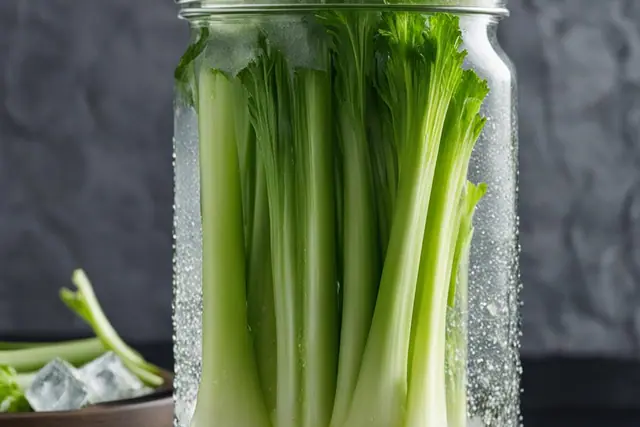
In this guide
Welcome to my guide on how to store celery and keep it fresh and crunchy for longer. Celery is a versatile vegetable that adds a satisfying crunch to salads, stir-fries, and soups. However, if not stored properly, it can quickly lose its freshness and become limp and unappealing. In this article, I will share some storage tips that will help you preserve the crunchiness and maintain the freshness of your celery for up to two weeks. So let's get started!
Tips for Buying Fresh Celery
When it comes to buying celery, freshness is key. To ensure that you're getting the best quality celery, here are some tips to keep in mind:
- Look for firm stalks: Choose bunches of celery that have tight and firm stalks. Avoid stalks that are bendy or have a rubbery texture, as these are signs of older celery.
- Check the leaves: The leaves of fresh celery should be vibrant and healthy-looking. Avoid celery with wilted or discolored leaves, as this could indicate that it's past its prime.
- Feel the stalks: Gently squeeze the stalks of the celery. They should feel firm and crisp, with a satisfying snap when bent. This is a good indication that the celery is fresh and packed with flavor.
- Inspect for discoloration or damage: Avoid celery with any yellow or brown discoloration, as well as cuts and bruises. These are signs of deterioration and can affect the overall quality of the celery.
- Choose tightly packed bunches: Opt for celery bunches that are tightly packed rather than spread-out. This indicates that the celery has been properly cared for and is likely to be fresher.
By following these tips, you'll be able to select fresh and high-quality celery that will enhance the flavor and crunchiness of your dishes.
https://www.youtube.com/watch?v=KS92GYk7L64
Table: Tips for Buying Fresh Celery
| Tip | Description |
|---|---|
| Look for firm stalks | Choose celery with tight and firm stalks |
| Check the leaves | Inspect the leaves for vibrancy and health |
| Feel the stalks | The stalks should feel firm and crisp |
| Inspect for discoloration or damage | Avoid celery with yellow or brown discoloration or cuts and bruises |
| Choose tightly packed bunches | Opt for celery bunches that are tightly packed |
Storing Whole Celery
When it comes to storing whole celery, there are a few key steps you can take to ensure its freshness and crunch for an extended period. Wrapping the heads tightly in aluminum foil and placing them in the crisper drawer of your refrigerator is a simple yet effective method. The foil helps trap moisture, while allowing ethylene gas to escape, preventing premature spoilage. This storing technique can keep your celery fresh for up to four weeks.
Here's a step-by-step guide to storing whole celery:
- Ensure the celery heads are clean and dry.
- Wrap each head tightly with aluminum foil, ensuring all sides are covered.
- Place the wrapped celery heads in the crisper drawer of your refrigerator.
- Keep the temperature of your refrigerator set between 32-40°F (0-4°C) to maintain optimum freshness.
By following these simple steps, you can enjoy the crispness and freshness of your whole celery for up to four weeks, making it a convenient and handy ingredient to have on hand for various recipes.
Tips for Storing Whole Celery
Here are a few additional tips to make the most out of your whole celery storage:
- Choose celery heads that are fresh and firm, with vibrant green stalks.
- Trim any loose or wilted leaves from the celery heads before wrapping them.
- Re-wrap the celery heads with fresh aluminum foil if the original foil becomes loose or damaged.
- Avoid storing whole celery near fruits that produce ethylene gas, such as apples or bananas, as it can accelerate the ripening process.
By following these storage tips, you can enjoy the crunch and freshness of your celery for an extended period, allowing it to be a healthy and versatile addition to your meals.
Storing Cut Celery
When it comes to storing cut celery, it's important to use the right method to keep it fresh and crisp for several days. One effective way to store cut celery is by using an airtight container filled with water. This method helps maintain the celery's freshness and prevents it from drying out.
Simply place the cut celery pieces in the container and pour enough water to submerge them completely. The water creates a barrier that helps retain the celery's moisture, keeping it crunchy and flavorful.
It's essential to change the water every couple of days to prevent bacterial growth and ensure maximum freshness. By following this technique, you can enjoy the taste and texture of fresh celery in your salads, stir-fries, or as a healthy snack.
Restoring Limp Celery
If you've ever found yourself with limp celery, don't worry! There's a simple trick to restore its crispness and bring it back to life. By following these steps, you can enjoy firm and crunchy celery once again.
Trimming Ends
The first step in restoring limp celery is to trim both ends of each stalk. This helps remove any wilted or dry parts and allows the celery to absorb water more effectively, revitalizing its texture.
Ice-Cold Water Soak
After trimming the ends, place the celery in a container filled with ice-cold water. Make sure the water covers the stalks completely. The cold water helps rehydrate the celery and restores its crispness. Refrigerate the container for about 30 minutes to allow the celery to soak and rejuvenate.
"By trimming the ends and soaking limp celery in ice-cold water, you can bring it back to a firm and crisp state."
Once the time is up, remove the celery from the water and pat it dry gently. You'll notice that the celery has regained its firmness and crunchiness, making it ready to enjoy in salads, snacks, or your favorite recipes.
Remember, it's always best to store celery properly to maintain its freshness and avoid limpness. But if you find yourself with limp celery, this quick and easy method will help you restore it to its former crisp state, ensuring you never waste a stalk again.
Freezing Celery
Freezing celery is a great way to prolong its shelf life and ensure you always have this versatile vegetable on hand. By taking the time to blanch the celery before freezing, you can preserve its flavor, texture, and nutritional value. Let me walk you through the freezing process step by step.
First, start by washing the celery thoroughly under running water to remove any dirt or debris. Trim off the leafy tops and cut the celery into desired-sized pieces. For best results, slice the celery into uniform pieces.
Next, blanch the celery by boiling it in a pot of water for 2-3 minutes. Blanching helps to kill any bacteria, enzymes, or microorganisms that could cause the celery to spoil in the freezer. After blanching, plunge the celery into an ice bath to cool it down quickly and stop the cooking process.
Once the celery is fully cooled, remove it from the ice bath and pat it dry with a clean kitchen towel or paper towels. This ensures that excess moisture is removed before freezing, preventing ice crystals from forming and potentially affecting the texture of the celery.
Table: Steps to Freeze Celery
| Steps | Description |
|---|---|
| 1 | Wash the celery thoroughly under running water and trim off the leafy tops. |
| 2 | Cut the celery into desired-sized pieces. |
| 3 | Blanch the celery in boiling water for 2-3 minutes. |
| 4 | Transfer the blanched celery to an ice bath to cool it down quickly. |
| 5 | Pat the celery dry with a kitchen towel or paper towels. |
| 6 | Place the dried celery on a baking sheet lined with parchment paper and arrange them in a single layer. |
| 7 | Put the baking sheet in the freezer and allow the celery to freeze until solid. |
| 8 | Transfer the frozen celery into freezer bags or airtight containers, remove any excess air, and seal tightly. |
| 9 | Label the bags or containers with the date and contents for easy identification. |
| 10 | Return the celery to the freezer and store for up to 12 months. |
When it comes to storing the frozen celery, it is essential to use proper packaging to prevent freezer burn and maintain its quality. Transfer the frozen celery into freezer bags or airtight containers, removing any excess air to minimize the risk of freezer burn. Make sure to label the bags or containers with the date and contents for easy identification later on.
Frozen celery can be stored in the freezer for up to 12 months, although it is best to use it within the first six months for optimal flavor and texture. When you're ready to use the frozen celery, simply thaw the desired amount in the refrigerator overnight or quickly thaw it in the microwave if needed.
Now that you know how to freeze celery properly, you can stock up on this versatile vegetable and enjoy its crispness and flavor in your favorite recipes all year round.
Incorporating Frozen Celery in Recipes
Here are a few recipe ideas to inspire you to use frozen celery:
- Add frozen celery to a hearty vegetable soup for added flavor and texture.
- Incorporate thawed celery into your favorite stir-fry for a refreshing crunch.
- Use frozen celery in casseroles, such as a classic chicken and vegetable casserole.
"Frozen celery is a time-saving ingredient that retains its flavor and texture when cooked. It's a versatile ingredient that can enhance the taste of various dishes."
Experiment with frozen celery in your cooking to discover new and exciting flavors. You'll appreciate the convenience of always having celery on hand, and your dishes will benefit from its distinctive taste and texture.
Choosing the Right Storage Method
When it comes to storing celery, choosing the right method is essential to preserving its freshness and crunch. Whether you have a whole stalk or cut pieces, the storage method can make a significant difference in extending its shelf life. In this section, I will discuss the two most effective storage methods for celery - using aluminum foil for whole celery and airtight containers for cut celery.
Storing Whole Celery
If you have a whole head of celery, wrapping it in aluminum foil is the ideal method for maintaining its freshness. The aluminum foil creates a barrier that helps trap moisture and allows ethylene gas to escape, preventing premature spoilage. To store whole celery, follow these simple steps:
- Remove any outer leaves that show signs of wilting or damage.
- Wrap the celery tightly in aluminum foil, ensuring all sides are covered.
- Place the wrapped celery in the crisper drawer of your refrigerator.
By using aluminum foil, you can preserve the freshness of whole celery for up to four weeks.
Storing Cut Celery
If you have cut celery that you want to store, using an airtight container is the best method. Here's how to store cut celery for optimal freshness:
- Cut the celery into desired pieces.
- Place the cut celery in an airtight container.
- Add enough water to the container to submerge the celery.
- Seal the container tightly.
Storing cut celery in an airtight container with water helps maintain its freshness for several days. Remember to change the water frequently to maximize its crispness.
By choosing the right storage method for your celery, you can ensure that it stays fresh, crunchy, and ready to enjoy for longer periods. Whether you opt for aluminum foil for whole celery or airtight containers for cut celery, these methods will help you make the most out of your celery and minimize food waste.
Tips for Picking Fresh Celery
When it comes to selecting fresh celery, there are a few key indicators to look out for. The quality and freshness of the celery can greatly impact the taste and texture of your dishes. Here are some tips to help you pick the best celery:
Look for Bright Green Stalks
Fresh celery should have bright green stalks. The color should be vibrant and consistent throughout the entire bunch. Avoid celery that appears dull or has yellow or brown discoloration, as this may indicate that it is past its prime. The green color is a sign of freshness and indicates that the celery is packed with nutrients.
Check for Firm Ribs
The ribs of the celery should feel firm and crisp. Gently squeeze the stalks to ensure they are not soft or bendy. A rib that snaps easily when bent is a good sign that the celery is fresh. Avoid celery with limp or rubbery ribs, as these are signs of poor quality.
Opt for Heavy Bunches
Choose celery bunches that feel heavy for their size. This is an indication that the celery is well hydrated and has a higher water content, which contributes to its crunchiness. Heavier bunches also tend to be fresher and have a longer shelf life. Avoid spread-out celery bunches as they may be older and have a higher chance of being less fresh.
By following these tips, you can ensure that you pick the freshest and most flavorful celery for your culinary creations.
Avoiding Plastic Bags for Storage
When it comes to storing celery, it's important to avoid using plastic bags. While they may seem like a convenient option, plastic bags can actually have a negative impact on the freshness and crunchiness of celery. Let's explore why it's best to steer clear of plastic bags and opt for alternative storage methods.
The Problem with Plastic Bags
Plastic bags can trap ethylene gas, which is naturally produced by celery as it ripens. This gas can cause the celery to deteriorate faster, resulting in a loss of freshness and crispness. Additionally, plastic bags do not allow moisture to escape, creating a moist environment that can lead to a soggy texture and decreased crunchiness.
"Plastic bags can trap ethylene gas, which is naturally produced by celery as it ripens."
Alternative Storage Methods
Instead of using plastic bags, consider these alternative storage methods:
- Wrap whole celery stalks in aluminum foil to help maintain their freshness and crunch. The foil acts as a barrier, preventing the ethylene gas from affecting the celery.
- If you have cut celery, store it in an airtight container filled with water. This method helps keep the celery hydrated and maintains its crisp texture.
- Another option is to store celery in a reusable produce bag made of a breathable material like cotton. These bags allow for proper airflow, preventing moisture buildup and prolonging the celery's freshness.
By avoiding plastic bags and opting for these alternative storage methods, you can ensure that your celery stays fresh, crunchy, and ready to enjoy in your favorite dishes.
Storing Celery for Meal Prep
When it comes to meal prep, storing celery properly is essential to maintain its freshness and crunchiness. The way you store celery can have a significant impact on its shelf life and overall quality. In this section, I will discuss the best storage methods for meal prepping celery and highlight the difference between dry and wet storage.
When meal prepping celery, it is generally recommended to store it dry rather than in water. Wet storage, such as placing cut celery in a container filled with water, can lead to quicker deterioration, even if only stored for a few days. Dry storage in airtight containers helps prolong the shelf life of celery and keeps it fresh for longer.
Using dry storage for celery in meal prep also offers the advantage of maintaining its crunchiness. Celery stored in water tends to become softer and loses its desirable texture. By storing celery dry, you can enjoy the satisfying crunch that celery brings to your meals and snacks.
Tips for Storing Celery Dry:
- Trim the celery ends and remove any damaged or wilted leaves.
- Place the celery stalks in an airtight container or resealable bag.
- Ensure the container or bag is tightly sealed to prevent moisture from entering.
- Store the celery in the refrigerator's crisper drawer for optimal freshness.
By following these steps, you can keep your celery fresh and crisp for your meal prep needs. Remember to check the celery periodically and discard any pieces that show signs of spoilage to prevent the deterioration of the entire batch.
| Method | Advantages | Disadvantages |
|---|---|---|
| Dry Storage (Airtight Container) | - Prolongs shelf life - Maintains crunchiness - Keeps celery fresh |
- Can take up more space in the refrigerator - Requires proper sealing for optimal results |
| Wet Storage (Water-filled Container) | - Convenient for snacking and meal prep | - Leads to quicker deterioration - Softens celery texture - Requires frequent water changes |
In summary, when storing celery for meal prep, opt for dry storage in airtight containers to prolong its freshness and maintain its crunchiness. Avoid wet storage in water, as it can lead to quicker deterioration and a loss of desirable texture. By following these tips, you can ensure that your prepped celery stays crisp and delicious throughout the week.
Environmentally-Friendly Storage Solutions
When it comes to storing celery, there is an eco-friendly alternative to using single-use aluminum foil. By opting for reusable foil, we can minimize food waste and contribute to a more sustainable environment. Reusable foil can be used multiple times to wrap and unwrap celery, reducing the need for disposable options.
Minimizing food waste is a crucial step towards a greener future, and choosing environmentally-friendly storage solutions is one way to achieve that. By keeping celery fresh for an extended period, we can reduce the amount of food that goes to waste. Reusable foil provides an effective barrier that helps maintain the crunchiness and freshness of celery, ensuring it stays enjoyable for longer.
After using reusable foil, it's important to properly dispose of it by recycling or repurposing. By doing so, we can further reduce our environmental impact and promote a circular economy. Let's embrace environmentally-friendly storage solutions like reusable foil and make a positive difference in the fight against food waste.
Source Links
- https://www.eatingwell.com/article/7924221/how-to-store-celery/
- https://www.realsimple.com/how-to-store-celery-7500402
- https://food52.com/blog/14672-the-surprising-way-you-should-be-storing-celery
Frequently asked questions
- How should I store celery to maintain its crunch?
There are two methods you can use. For whole stalks, wrap them tightly in foil and place them in the crisper drawer. For cut celery, store it in an airtight container filled with water.
- How long will celery stay fresh when stored correctly?
When stored properly, celery can maintain its crunch and freshness for up to two weeks.
- Can I store celery in plastic bags?
No, it's best to avoid storing celery in plastic bags as they can trap ethylene gas and cause the celery to deteriorate more quickly. Instead, use foil or airtight containers.
- What should I look for when buying fresh celery?
Choose bunches with tight and firm stalks. Look for fresh and healthy-looking leaves. The stalks should be straight and rigid and should snap when bent. Avoid celery that has yellow or brown discoloration or cuts and bruises.
- How can I restore limp celery?
Trim both ends of each stalk and soak the celery in ice-cold water in the refrigerator for 30 minutes. This will help rehydrate the celery and bring back its crisp and firm state.
- Can I freeze celery?
Yes, celery can be frozen for extended storage. It's recommended to blanch the celery by boiling the pieces for 2-3 minutes and then placing them in an ice bath to cool before freezing.
- How should I use frozen celery?
Thaw the desired amount of frozen celery before using it in recipes such as soups, stews, stir-fries, and casseroles. It retains its flavor and texture when cooked.
- What is the best storage method for celery?
The best method depends on whether the celery is whole or cut. Whole celery should be wrapped in aluminum foil and stored in the crisper drawer. Cut celery should be placed in an airtight container filled with water.
- How can I choose fresh celery at the grocery store?
Look for bright green stalks and firm, crisp ribs. Avoid celery with yellow or brown discoloration or bendy, limp stalks. Choose tightly packed, heavy bunches over spread-out celery.
- Why should I avoid storing celery in plastic bags?
Plastic bags can trap ethylene gas produced by the celery, causing it to deteriorate faster. Additionally, plastic bags can prevent moisture from escaping, leading to loss of crunchiness.
- Can I store celery in water for meal prep?
It's best to store celery dry rather than in water for meal prep. Wet storage can cause celery to deteriorate more quickly, even if only stored for a few days. Dry storage in airtight containers is recommended for longer shelf life.
- What are some environmentally-friendly storage solutions for celery?
While aluminum foil is effective for storing celery, it may not be the most eco-friendly option due to its single-use nature. However, using foil can help prevent food waste by keeping celery fresh. Foil can be reused multiple times before recycling or repurposing.
AprilCook, recipe developer and the heart of Chefwiz. More about April