Guide
How to Store Carrots to Keep Them Crisp
Discover my simple guide on how to store carrot effectively to retain their crispness longer. Keep reading for fresh carrot storage tips!
 By April21 min read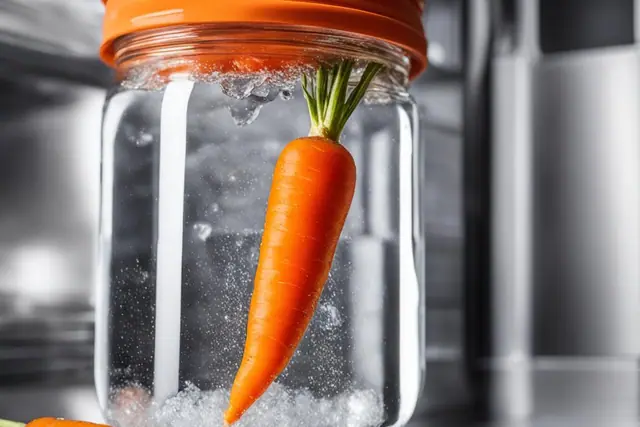
In this guide
- Understanding the Importance of Proper Storage
- Washing Carrots Before Storage
- Reviving Soft Carrots
- Separating Carrots from Ethylene-Producing Fruits
- Freezing Carrots for Future Use
- Storing Carrots in the Refrigerator
- Using a Root Cellar for Carrot Storage
- Repurposing Carrot Greens
- Signs of Spoiled Carrots
- Carrots in Recipes
- Should You Wash Carrots Before Storage?
- Long-Term Carrot Storage Options
- Freezing Carrots for Extended Storage
- Conclusion
- Source Links
- FAQ
Storing carrots properly is crucial to retain their crispness. You can use various methods to ensure the freshness and texture of your carrots for a longer period of time. Let's explore the best ways to store carrots effectively.
Understanding the Importance of Proper Storage
When it comes to storing carrots, proper storage techniques are essential in maintaining their freshness, taste, and texture. Carrots are root vegetables, and they require specific handling and storage methods to prevent them from becoming soft and losing their crispness. By understanding the importance of proper carrot storage, you can ensure that your carrots stay fresh and delicious for longer periods of time.
Proper storage not only helps retain the crispness of carrots but also preserves their flavor and nutritional value. Without the right storage conditions, carrots can quickly deteriorate, resulting in a loss of taste and texture. By following the correct storage methods, you can prolong the shelf life of your carrots and enjoy their vibrant flavor and satisfying crunch in your meals.
One important aspect of proper carrot storage is temperature control. Carrots are best stored in a cool and dry environment, such as a refrigerator or root cellar. These cooler temperatures help slow down the degradation process and maintain the carrot's freshness. Additionally, using airtight containers or bags can keep out excess moisture and prevent the carrots from drying out.
Table: Tips for Proper Carrot Storage
| Storage Method | Temperature | Humidity | Duration |
|---|---|---|---|
| Refrigerator | 32°F to 40°F (0°C to 4°C) | High humidity, 95% | 2 to 4 weeks |
| Root Cellar | 32°F to 40°F (0°C to 4°C) | High humidity, 95% | 1 to 6 months |
| Freezer | 0°F (-18°C) or below | N/A | 8 to 12 months |
By following these storage methods and paying attention to temperature and humidity, you can ensure that your carrots stay fresh, crunchy, and flavorful. With proper storage, you can enjoy the natural goodness of carrots in your favorite recipes for an extended period of time.
Washing Carrots Before Storage
When it comes to storing carrots, it's important to avoid washing them before putting them away. Although you may be tempted to give them a good scrub, doing so can actually promote mold growth and reduce their shelf life. Water left on the carrots can create a moisture-rich environment that encourages the growth of mold, ultimately leading to spoilage.
So, what's the best approach? It's recommended to wait until you're ready to use the carrots before washing them. By doing this, you can minimize the risk of mold and preserve the freshness of your carrots for a longer period of time.
Additionally, it's important to handle carrots with care to prevent bruising. Carrots should be stored in a cool, dry place, such as the refrigerator or a root cellar, to maintain their crispness and flavor. By following these simple steps, you can ensure that your carrots stay fresh and delicious for all your culinary creations.
The Importance of Avoiding Water
Water left on carrots can lead to mold growth and reduce their storage life. It's crucial to keep your carrots as dry as possible to ensure their preservation. Washing them just before use is the best way to avoid any potential issues. By following this simple tip, you can enjoy the crispness and flavor of fresh carrots whenever you need them.
"Storing carrots without washing them is the key to maintaining their freshness. Water can create a breeding ground for mold, which can quickly deteriorate the quality of your carrots. Wait until you're ready to use them before giving them a good wash." - Vegetable Storage Expert
Preservation Tips for Carrots
To extend the shelf life of your carrots, it's important to store them properly. Here are some additional preservation tips to keep in mind:
- Remove any green tops from the carrots before storing them. The greens can draw moisture away from the carrots, causing them to lose crispness.
- Store carrots in a perforated plastic bag or in a container with ventilation holes to maintain proper airflow.
- Keep carrots away from ethylene-producing fruits, as the gas emitted by these fruits can accelerate the spoilage of carrots.
| Preservation Method | Benefits | Drawbacks |
|---|---|---|
| Refrigerator Storage | Keeps carrots crisp and fresh | May take up space in the refrigerator |
| Root Cellar Storage | Allows long-term storage | Requires access to a root cellar |
| Freezing | Extends storage life significantly | Carrots may lose some crispness after thawing |
https://www.youtube.com/watch?v=_DFOSxQ4u4c
Reviving Soft Carrots
If you find that your carrots have become soft, don't worry! There are ways to revive them and bring back their crisp texture. One effective method is to place the soft carrots in a jar or bag filled with water. This water immersion technique helps to firm up the carrots and restore their crunchiness. By submerging them in water, the carrots absorb moisture, which can help to plump them up and make them firm again.
In addition to water immersion, another trick to revive soft carrots is to trim off the green tops. The green tops of carrots can cause moisture loss, leading to a limp and soft texture. By cutting off the greens, you can prevent further deterioration and help the carrots retain their firmness. Remember to leave a small portion of the tops intact to avoid exposing the carrot's flesh.
Reviving soft carrots may require a bit of patience, but with these simple techniques, you can bring your carrots back to life and enjoy their crispness once again. Whether you plan to use them in salads, stir-fries, or as a healthy snack, firm and crunchy carrots will elevate your dishes with their fresh and vibrant flavor.
Table: Comparison of Techniques to Revive Soft Carrots
| Technique | Method | Effectiveness |
|---|---|---|
| Water Immersion | Placing soft carrots in a jar or bag filled with water | Highly effective in firming up soft carrots |
| Trimming off Green Tops | Cutting off the green tops of carrots | Prevents moisture loss and helps carrots retain firmness |
Separating Carrots from Ethylene-Producing Fruits
When it comes to storing carrots, one crucial factor to consider is their separation from ethylene-producing fruits. Ethylene gas, naturally released by certain fruits such as apples, bananas, and pears, can have a negative impact on the freshness and longevity of carrots. By keeping carrots away from these ethylene-producing fruits, you can prevent premature rotting and extend the shelf life of your carrots.
Ethylene gas can speed up the ripening and spoilage process of fruits and vegetables, including carrots. When carrots are exposed to ethylene gas, they are more likely to become soft, lose their crunchiness, and develop mold. To avoid this, it's important to store carrots separately from ethylene-producing fruits, particularly in the refrigerator.
By implementing a simple practice of separation, you can significantly extend the shelf life of your carrots. Place the carrots in a separate compartment or container in the refrigerator, away from fruits that release ethylene gas. This way, you can maintain the crispness and quality of your carrots for a longer period of time, ensuring they're ready to be enjoyed in your favorite dishes.
| Ethylene-Producing Fruits | Storage Recommendation |
|---|---|
| Apples | Keep separate from carrots to prevent premature rotting. |
| Bananas | Avoid storing with carrots to maintain their freshness. |
| Pears | Separate from carrots in the refrigerator to prolong their shelf life. |
By following this simple practice of separating carrots from ethylene-producing fruits, you can ensure that your carrots stay fresh, crisp, and ready to use. Enjoy the vibrant flavors and textures of your carrots in various dishes, knowing that you have taken the necessary steps to preserve their quality for an extended period of time.
Freezing Carrots for Future Use
When you have an abundance of carrots or want to ensure their long-term preservation, freezing is an excellent option. Freezing carrots not only allows you to extend their storage life but also provides versatility in using them in a variety of dishes. Whether you prefer to freeze cooked or uncooked carrots, this method ensures that you always have carrots on hand for your favorite recipes.
If you decide to freeze carrots, it is important to wash and peel them before proceeding. This ensures that any dirt or residue is removed, resulting in clean and safe carrots for freezing. Once washed and peeled, you have the choice to either shred or chop the carrots, depending on your preference. This allows for convenience when incorporating frozen carrots into your cooking.
Blanching the carrots before freezing is highly recommended as it helps preserve their color and texture. To blanch carrots, simply place them in boiling water for a short period of time, followed by immediate immersion in ice water to stop the cooking process. Blanching helps to retain the quality of the carrots during freezing and ensures that they remain firm and crisp when thawed.
| Freezing Carrots | Instructions |
|---|---|
| Step 1 | Wash and peel the carrots |
| Step 2 | Shred or chop the carrots |
| Step 3 | Blanch the carrots in boiling water |
| Step 4 | Immediately cool the carrots in ice water |
| Step 5 | Package the blanched carrots in freezer-safe bags or containers |
| Step 6 | Label and date the packaging |
| Step 7 | Place the packaged carrots in the freezer |
When it's time to use the frozen carrots, simply remove the desired amount from the freezer and thaw them in the refrigerator overnight. Thawing in the refrigerator ensures that the carrots defrost evenly and maintain their quality. Once thawed, you can incorporate the carrots into soups, stews, stir-fries, or even enjoy them as a side dish. Freezing carrots not only helps you save time and money but also allows you to enjoy the taste and nutritional benefits of carrots all year round.
Storing Carrots in the Refrigerator
When it comes to storing carrots to maintain their freshness and crispness, using the refrigerator can be an effective method. By following a simple technique with an airtight container and water immersion, you can keep your carrots in optimal condition for an extended period of time.
To start, place your carrots in an airtight container. This helps create a controlled environment by preventing exposure to air and moisture, which can lead to wilting and loss of texture. Make sure the container is large enough to accommodate the quantity of carrots you plan to store.
Next, submerge the carrots in water. This water immersion technique helps maintain the carrot's moisture and crispness by providing a humid environment. It acts as a protective barrier, preventing the carrots from drying out and becoming soft. For best results, change the water every week to ensure freshness.
By storing carrots in the refrigerator using this method, you can enjoy crisp and delicious carrots for a longer period of time. Whether you plan to use them in salads, stir-fries, or as a healthy snack, this storage technique will help preserve their taste and texture, ensuring that they are ready to be used whenever you need them.
Benefits of Storing Carrots in the Refrigerator
Storing carrots in the refrigerator offers several advantages over other storage methods. Here are a few benefits:
- Extended Shelf Life: The refrigeration slows down the natural degradation process, allowing you to store carrots for a longer period of time.
- Crispness Preservation: By submerging the carrots in water, you can maintain their crisp texture, making them enjoyable to eat even after storage.
- Convenience: Having carrots readily available in the refrigerator makes it easy to incorporate them into your meals and snacks without the need for frequent grocery store runs.
With these benefits in mind, storing carrots in the refrigerator using an airtight container and water immersion is a practical and effective way to keep your carrots fresh and delicious.
Using a Root Cellar for Carrot Storage
When it comes to long-term carrot storage, a root cellar is one of the best options. A root cellar provides a cool, dark, and moist environment that helps preserve the freshness and crispness of carrots for an extended period of time. By utilizing this underground storage space, you can ensure that your carrots stay delicious and ready to use even months after harvest.
To store your carrots in a root cellar, start by packing them in a sealed container. This will help maintain their moisture levels and prevent them from drying out. It's important to leave the carrots unpeeled, as this protective layer helps maintain their freshness. By keeping your carrots in a root cellar, you can extend their shelf life for up to six months, allowing you to enjoy their crunchiness and sweetness throughout the year.
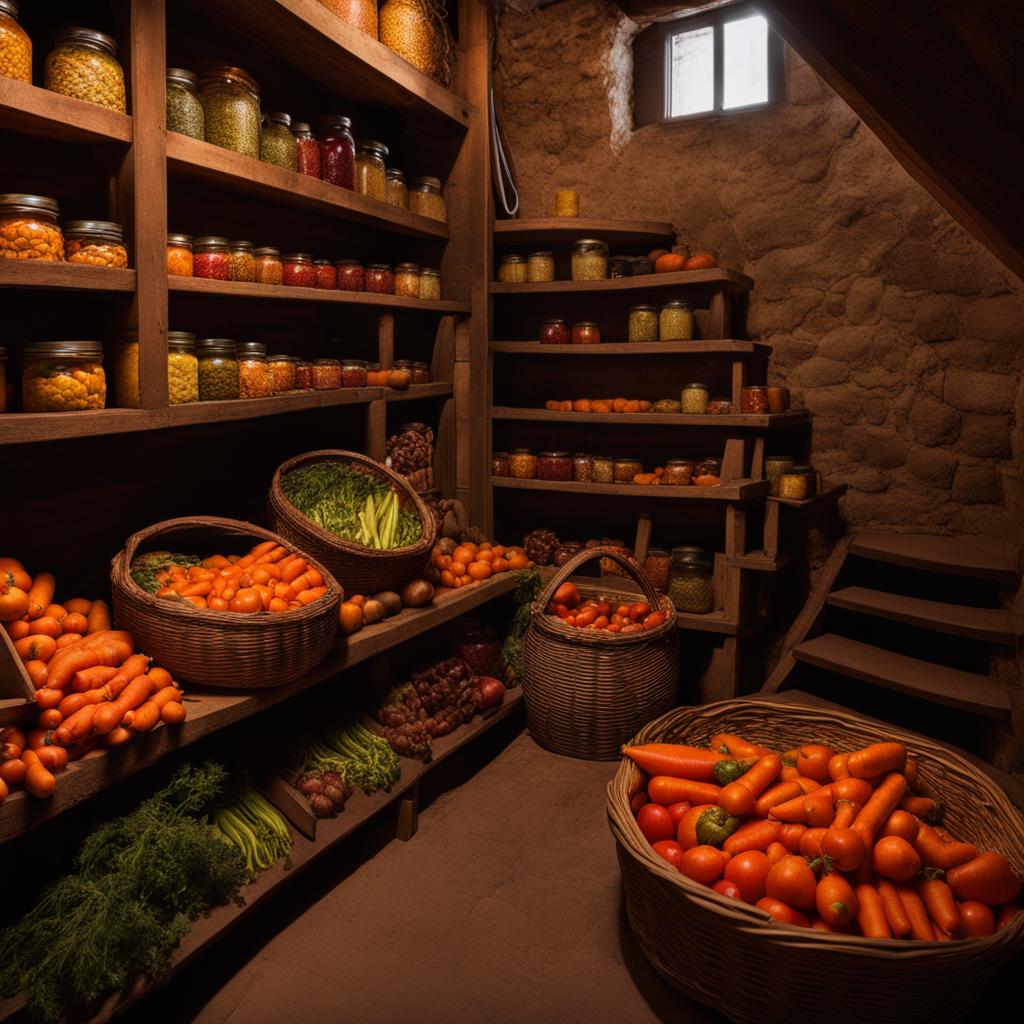
Table: Comparing Carrot Storage Methods
| Storage Method | Advantages | Disadvantages |
|---|---|---|
| Root Cellar | - Provides ideal cool and dark conditions - Preserves freshness for up to six months |
- Requires access to a root cellar - May not be suitable for all climates |
| Refrigerator | - Easy and convenient storage - Carrots stay fresh for a few weeks |
- Limited shelf life - May take up space in the refrigerator |
| Freezing | - Extends storage life up to one year - Versatile for various carrot preparations |
- Texture may change after thawing - Requires proper packaging and labeling |
As you can see from the table above, storing carrots in a root cellar offers the longest preservation period compared to other methods. However, if you don't have access to a root cellar, don't worry! There are still other effective storage options available to keep your carrots fresh and delicious.
Repurposing Carrot Greens
When it comes to carrots, most people focus on the bright orange root. However, the leafy green tops of carrots, known as carrot greens, should not be overlooked. These vibrant greens are not only edible but can also be repurposed into delicious sauces and condiments, adding a unique twist to your culinary creations.
Carrot greens have a slightly peppery flavor that pairs well with a variety of dishes. One popular way to use them is by making carrot green pesto. Similar to traditional basil pesto, carrot green pesto combines the greens with garlic, nuts, parmesan cheese, and olive oil to create a flavorful sauce. Spread it on toast, toss it with pasta, or use it as a topping for grilled meats and vegetables.
"Carrot greens have a slightly peppery flavor that pairs well with a variety of dishes."
Another option for utilizing carrot greens is by making a gremolata. Gremolata is a zesty Italian condiment typically made with lemon zest, garlic, and parsley. However, you can add a twist to this classic recipe by substituting parsley with finely chopped carrot greens. The result is a vibrant and aromatic topping that adds brightness and flavor to roasted vegetables, grilled fish, or even hearty stews.
The versatility of carrot greens extends beyond just sauces and condiments. You can also incorporate them into salads, stir-fries, or even as a garnish for soups and omelets. Get creative in the kitchen and explore different ways to make use of this often overlooked part of the carrot.
Table: Recipes Using Carrot Greens
| Recipe | Description |
|---|---|
| Carrot Green Pesto | A flavorful sauce made with carrot greens, garlic, nuts, parmesan cheese, and olive oil. Perfect for pasta, toast, or as a topping. |
| Carrot Green Gremolata | A zesty condiment combining carrot greens, lemon zest, garlic, and olive oil. Adds brightness and aroma to various dishes. |
| Carrot Green Salad | Chopped carrot greens tossed with fresh vegetables, fruits, and a tangy dressing. A refreshing and nutritious side dish. |
| Stir-Fried Carrot Greens | A quick and flavorful stir-fry using carrot greens as the main ingredient. Pair with your choice of protein and serve over rice or noodles. |
By repurposing carrot greens, you not only reduce waste but also add a burst of flavor and nutrition to your meals. So, the next time you buy carrots, don't forget to make the most of their leafy green tops!
Signs of Spoiled Carrots
When it comes to storing carrots, it's important to know the signs of spoilage to ensure you're consuming fresh and safe produce. Here are some indicators that your carrots have gone bad:
- Dark spots: If you notice any dark or discolored spots on your carrots, it's a clear sign of spoilage. These spots can indicate the presence of mold or bacterial growth.
- Firmness: Fresh carrots should be firm to the touch. If your carrots feel soft or mushy, it's a sign that they have deteriorated and are no longer suitable for consumption.
- Odor: Spoiled carrots can emit an unpleasant or off-putting odor. If you notice any strange smells coming from your carrots, it's best to discard them.
Remember, consuming spoiled carrots can lead to foodborne illnesses, so it's essential to be vigilant in recognizing these signs. If you're unsure about the freshness of your carrots, it's always better to err on the side of caution and dispose of them.
"Dark spots, firmness, and an off-putting odor are clear indications that your carrots have spoiled and should not be consumed." - Carrot Storage Expert
Properly storing your carrots and being aware of these signs of spoilage will help you enjoy fresh and flavorful carrots for longer periods. By paying attention to these visual and sensory cues, you can ensure that the carrots you consume are of the highest quality and taste.
| Signs of Spoiled Carrots | Causes |
|---|---|
| Dark spots | Mold or bacterial growth |
| Firmness | Loss of crispness and deterioration |
| Odor | Presence of spoilage bacteria |
Carrots in Recipes
Carrots are a versatile and nutritious ingredient that can be used in a variety of recipes. Their mild sweetness and vibrant color make them a bright addition to both savory and sweet dishes. Whether you're looking for a healthy side dish, a flavorful soup, or a delicious dessert, carrots have got you covered.
One popular way to incorporate carrots into recipes is by making carrot soup. This creamy and comforting soup showcases the natural sweetness of carrots and can be enjoyed hot or cold. Adding spices like ginger and turmeric can enhance the flavor profile and provide additional health benefits.
If you have a sweet tooth, carrot cake is a classic dessert that never disappoints. The grated carrots add moisture and texture, while the warm spices like cinnamon and nutmeg create a delightful aroma. Top it off with a cream cheese frosting for the perfect finishing touch.
Carrot Recipe Ideas:
- Roasted carrot and chickpea salad with lemon tahini dressing
- Carrot and ginger stir-fry with sesame seeds
- Carrot and raisin coleslaw with a tangy yogurt dressing
- Carrot and lentil curry served over fluffy basmati rice
- Carrot and orange muffins with a citrus glaze
Experimenting with carrots in different recipes not only adds a burst of color but also provides valuable nutrients like vitamin A and fiber. So, don't be afraid to get creative and explore the versatility of this humble vegetable in your kitchen.
Should You Wash Carrots Before Storage?
When it comes to storing carrots, you may be wondering whether or not you should wash them before putting them away. The answer depends on how you plan to use the carrots and the storage method you choose.
Carrots naturally have a waxy layer on their skin that helps to preserve their freshness and extend their storage life. Washing carrots can remove this protective layer and reduce their shelf life. Therefore, if you are planning to store your carrots for an extended period of time, it is best to avoid washing them before storage.
However, if you plan to blanch the carrots for freezing, it is recommended to wash them before blanching. Washing the carrots before blanching helps to remove any dirt or debris and ensures that the carrots are clean and ready for freezing. Just remember to thoroughly dry the carrots before blanching to prevent excess moisture.
Overall, the decision to wash carrots before storage depends on your intended use and the storage method you choose. If you plan to store them for a longer period of time, it is best to leave them unwashed to preserve their natural waxy layer. But if you plan to freeze them, a quick wash before blanching is recommended.
Table: Pros and Cons of Washing Carrots Before Storage
| Pros | Cons |
|---|---|
| Removes dirt and debris | Reduces storage life |
| Prepares carrots for immediate use | May introduce excess moisture |
| Recommended for freezing before blanching | Not necessary for long-term storage |
Long-Term Carrot Storage Options
When it comes to long-term storage of carrots, there are a few options to consider. One of the most traditional methods is using a root cellar. A root cellar provides an ideal environment for storing root vegetables like carrots. It is a cool and dark space that helps maintain the freshness and crispness of the carrots for several months. To store carrots in a root cellar, simply pack them in a sealed container and place them in the cellar. It is important to leave the carrots unpeeled to prevent moisture loss.
If you don't have access to a root cellar, another option for long-term carrot storage is keeping them submerged in water in the refrigerator. This method replicates the cool and moist conditions of a root cellar. To store carrots in the refrigerator, place them in an airtight container or plastic bag and fill it with water. Make sure the carrots are fully submerged. Change the water every week to maintain freshness. Again, it is essential to leave the carrots unpeeled for optimal storage results.
Both the root cellar and water immersion methods help preserve the crispness and flavor of carrots over an extended period. Choose the method that works best for your storage needs and enjoy fresh carrots even after several months!
Comparison of Long-Term Carrot Storage Options
| Storage Method | Advantages | Disadvantages |
|---|---|---|
| Root Cellar | - Ideal cool and dark environment - Maintains freshness for several months - No need for additional equipment |
- Requires access to a root cellar - Not suitable for those without a designated storage space |
| Water Immersion in Refrigerator | - Replicates cool and moist conditions - Maintains freshness for an extended period - Easy to implement with everyday household items |
- Requires regular water changes - Limited space in the refrigerator |
With these long-term storage options, you can enjoy the crispness and flavor of carrots long after they are harvested. Whether you have a root cellar or can utilize the water immersion method in your refrigerator, your carrots will stay fresh and ready to use whenever you need them.
Freezing Carrots for Extended Storage
When it comes to preserving the freshness and longevity of carrots, freezing can be a great option. Freezing carrots allows you to store them for an extended period of time without compromising their quality. Whether you have a surplus of carrots from your garden or want to take advantage of a sale at the grocery store, freezing is a convenient method for long-term storage.
To ensure the best results when freezing carrots, it's important to blanch them first. Blanching involves briefly boiling the carrots and then cooling them rapidly in ice water. This process helps to preserve their color, texture, and nutritional value. After blanching, you can choose to either freeze the carrots whole or cut them into smaller pieces, depending on your preferences and future usage.
When packaging the blanched carrots for freezing, it's essential to use freezer-safe bags or containers. This will protect the carrots from freezer burn and other forms of deterioration. Be sure to label the packages with the date of freezing to keep track of their freshness. When it comes time to thaw the frozen carrots, it's best to do so in the refrigerator overnight. This gradual thawing process helps to maintain the carrots' quality and crispness.
Conclusion
In conclusion, storing carrots properly is essential for preserving their crispness and freshness. By following the storage tips mentioned in this article, you can ensure that your carrots stay delicious and ready for use in various recipes.
Whether you choose to store them in the refrigerator or opt for long-term storage methods like using a root cellar or freezing, these techniques will help you maintain the taste and texture of your carrots for an extended period of time.
Remember to avoid washing carrots before storage, as water can promote mold growth and reduce their shelf life. Additionally, separating carrots from ethylene-producing fruits and utilizing the freezing method can help preserve their freshness and longevity.
So go ahead and apply these preservation methods to keep your carrots at their best. With proper storage techniques, you can enjoy crisp and flavorful carrots for longer periods, adding a fresh and vibrant touch to your culinary creations.
Source Links
- https://www.southernliving.com/food/kitchen-assistant/best-way-to-store-carrots
- https://www.realsimple.com/how-to-store-carrots-6889963
- https://www.liveeatlearn.com/how-to-store-carrots/
Frequently asked questions
- Should I wash carrots before storing them?
It is best not to wash carrots before storing them, especially if you plan to keep them for a longer period of time. Water left on the carrots can promote mold growth and reduce their shelf life. Wait until you're ready to use the carrots before washing them.
- How can I revive soft carrots?
To revive soft carrots, you can place them in a jar or bag filled with water. This can help them firm up. Cutting off the green tops of carrots can also prevent moisture loss and maintain their crisp texture.
- Can other fruits affect the freshness of carrots?
Yes, certain fruits like apples, bananas, and pears release ethylene gas, which can accelerate the rotting process of carrots. It's important to separate carrots from these ethylene-producing fruits in the refrigerator to prevent premature rotting.
- Can I freeze carrots for long-term storage?
Absolutely! You can freeze both cooked and uncooked carrots. It is recommended to wash and peel the carrots before freezing. You can choose to shred or chop them before storing in a freezer bag. Blanching the carrots beforehand can help preserve their color.
- How should I store carrots in the refrigerator?
To keep your carrots their freshest and crunchiest, you can store them in the refrigerator using a simple method. Place the carrots in an airtight container and submerge them in water. This water immersion technique helps maintain the carrot's moisture and crispness. Change the water every week for longer storage.
- What is a root cellar and can it be used for carrot storage?
A root cellar is an underground storage space that provides a cool and dark area to keep fruits and vegetables fresh. It is ideal for long-term carrot storage. Pack your unwashed carrots in a sealed container to extend their shelf life for up to six months. Remember to remove the green tops to prevent moisture loss.
- Can I use carrot greens for cooking?
Absolutely! Don't let carrot greens go to waste. Instead of discarding them, you can repurpose carrot greens to create delicious sauces like pesto or gremolata. Carrot greens have a slightly peppery flavor and can add a unique twist to your culinary creations.
- How can I tell if carrots have gone bad?
Signs of spoiled carrots include dark spots, a soft or slimy texture, and a moldy or off-putting odor. If you notice any of these signs, it's best to discard the carrots.
- What can I make with carrots in recipes?
Carrots are a versatile and nutritious ingredient that can be used in various recipes. From savory soups and stews to sweet carrot cakes, carrots add a vibrant color and flavor to dishes. Explore different carrot recipes to make the most of this versatile vegetable in your kitchen.
- Should I wash carrots before storing them?
No, it is not necessary to wash carrots before storage. Carrots have a natural waxy layer that helps them last longer. Scrubbing off this layer can reduce their storage life. Only wash carrots if you plan to blanch them for freezing.
- What are the options for long-term carrot storage?
For long-term storage, unpeeled carrots can be stored in a root cellar or submerged in water in the refrigerator. Root cellars provide the ideal conditions for preserving the freshness of carrots for several months. If a root cellar is not available, storing unpeeled carrots in water can also help maintain their crispness.
- Can I freeze carrots for extended storage?
Yes, freezing carrots is a great way to extend their storage life. Peeling and cutting the carrots before blanching them can help preserve their color and quality. After blanching, properly package the carrots in freezer-safe bags or containers. When thawing frozen carrots, it's recommended to do so in the refrigerator for best results.
AprilCook, recipe developer and the heart of Chefwiz. More about April