Gremolata
Rate this recipeBe the first to rate
 By AprilPublished
Have you ever tasted a dish that had that extra zing, that burst of freshness that made your taste buds dance?
 By AprilPublished
Have you ever tasted a dish that had that extra zing, that burst of freshness that made your taste buds dance?
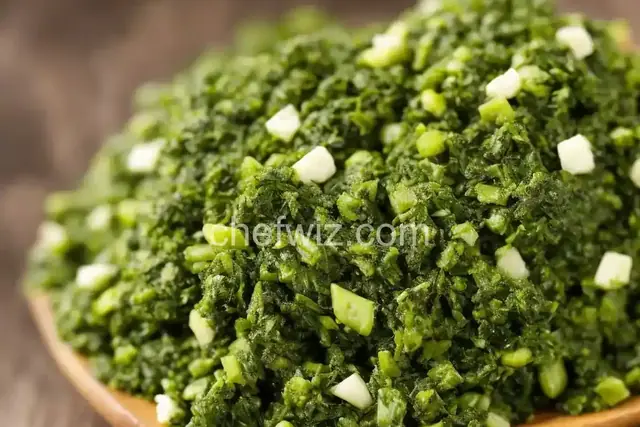
Combine the parsley, lemon zest, garlic, and salt in a small bowl.
Refer to the blog post above for various ways to incorporate the gremolata.
Have you ever tasted a dish that had that extra zing, that burst of freshness that made your taste buds dance? Chances are, it was the magic touch of gremolata. Gremolata is a simple yet powerful condiment that can elevate any dish to new heights. In this article, we will explore the wonders of gremolata, how to make it, and how to use it to enhance your culinary creations.
Gremolata is an Italian condiment that consists of three simple ingredients: fresh parsley, garlic, and lemon zest. These ingredients are finely chopped and combined to create a vibrant and aromatic mixture that adds a burst of flavor to any dish. Gremolata is often used as a garnish or finishing touch, sprinkled over soups, stews, roasted vegetables, grilled meats, or even pasta dishes.
Making gremolata is incredibly easy. All you need is a handful of fresh parsley, a clove of garlic, and the zest of a lemon. Start by finely chopping the parsley leaves and mincing the garlic. Then, using a microplane or a fine grater, zest the lemon to get the vibrant yellow outer layer. Mix all the ingredients together, and voila! You have a homemade gremolata ready to elevate your dishes.
Gremolata is incredibly versatile and can be used in numerous ways to enhance the flavors of your dishes. Here are a few ideas to get you started:
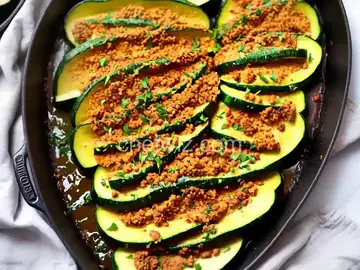
Roasted vegetables are already delicious, but a sprinkle of gremolata takes them to a whole new level. The fresh flavors of parsley and lemon zest complement the earthiness of the vegetables perfectly.
Whether it's a juicy steak or a succulent piece of chicken, gremolata adds an irresistible freshness and tanginess to grilled meats. Simply sprinkle it over your cooked meat just before serving, and watch the flavors come alive.
A bowl of comforting soup or stew can benefit greatly from the addition of gremolata. The aromatic flavors cut through the richness of the broth, adding a delightful contrast.
For a quick and easy pasta dish, toss cooked pasta with a spoonful of gremolata. The lemony freshness will brighten up the dish and make it feel light and refreshing.
Gremolata is a small but mighty condiment that can transform your dishes from ordinary to extraordinary. With its vibrant flavors and fresh aroma, gremolata adds that extra touch that makes your taste buds sing. So, the next time you want to take your culinary creations to new heights, reach for gremolata and let it work its magic.
While it's best to use fresh parsley for gremolata, you can use dried parsley in a pinch. Just keep in mind that the flavors may not be as vibrant.
Gremolata is best when used fresh, but you can store it in an airtight container in the refrigerator for up to 3 days.
Absolutely! Lime zest can be used as a substitute for lemon zest in gremolata, adding a tangy twist to your dishes.
While the classic gremolata recipe uses parsley, you can experiment with other herbs like cilantro or basil to create your own unique flavor profile.
Yes, gremolata is naturally gluten-free as it consists of parsley, garlic, and lemon zest.
It's best to use gremolata fresh, but if you have leftovers, you can freeze it in ice cube trays for future use.
Gremolata is primarily used as a garnish or finishing touch, but you can certainly mix it with olive oil and use it as a marinade for meats or vegetables.
Yes, there are variations of gremolata that include additional ingredients like anchovies, capers, or even grated cheese. These variations add their own unique flavors to the condiment.
AprilCook, recipe developer and the heart of Chefwiz. More about April