Guide
How to Store Asparagus to Maintain Freshness
Discover my top tips on how to store asparagus to keep it fresh and tasty. Dive in to find out the best methods for long-lasting, crisp asparagus!
 By April18 min read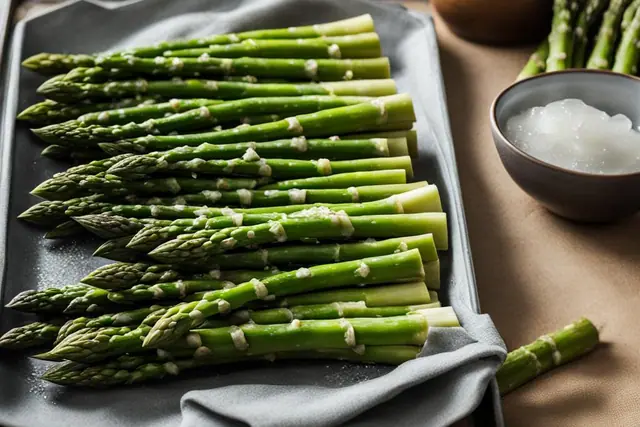
Asparagus is a delicious and nutritious vegetable that is best enjoyed when it is fresh and crisp. Proper storage techniques are essential to maintain its freshness and flavor. In this article, I will share some valuable tips on how to store asparagus to ensure its longevity and to preserve its quality. Whether you're a seasoned asparagus lover or a beginner, these storage methods will help you keep your asparagus at its best.
Buying and Choosing Fresh Asparagus
When it comes to buying asparagus, freshness is key. To ensure you're choosing the best quality asparagus, there are a few factors to consider. Look for firm stalks with smooth skin and tight buds. The stalks should be vibrant green in color, indicating freshness. Avoid asparagus with dry or woody bottoms, as this is a sign of age. Additionally, steer clear of any asparagus with cracked or shriveled skin, as it may be past its prime.
When shopping for asparagus, it's beneficial to buy from a vendor that keeps the bundles standing upright in water. This method helps maintain the freshness and crispness of the asparagus spears. The water keeps the stalks hydrated, preventing them from drying out. So, keep an eye out for vendors who take these extra steps to deliver the highest quality asparagus.
"Choosing fresh asparagus is crucial for ensuring the best flavor and texture in your dishes. Look for vibrant green stalks with tight buds and avoid any signs of dryness or cracking."
By following these tips, you can confidently select fresh asparagus that will elevate your recipes and bring out its natural flavors. With the right buying and choosing techniques, you can enjoy the best quality asparagus for your culinary creations.
https://www.youtube.com/watch?v=dkexkcJG3sc
| Buying and Choosing Fresh Asparagus |
|---|
| Look for firm stalks |
| Smooth skin |
| Tight buds |
| Avoid dry or woody bottoms |
| Avoid cracked or shriveled skin |
Storing Asparagus as Cut Flowers
When it comes to storing asparagus, there's a unique method that many people may not be aware of - treating it like cut flowers. This technique can help prolong the freshness of your asparagus, allowing you to enjoy it for longer. To store your asparagus as cut flowers, follow these simple steps:
- Trim the bottoms of the asparagus spears to remove any dry or woody ends.
- Stand the asparagus upright in a glass or jar filled with about an inch of water. This will help hydrate the spears and keep them crisp.
- Cover the top of the glass or jar with a plastic bag to create a humid environment.
- Place the glass or jar in the refrigerator and store for up to four days, changing the water every day or as needed to keep it fresh.
This method is particularly useful if you haven't had a chance to cook your asparagus on the day of purchase. By treating it like cut flowers, you can maintain its quality and flavor until you're ready to use it.
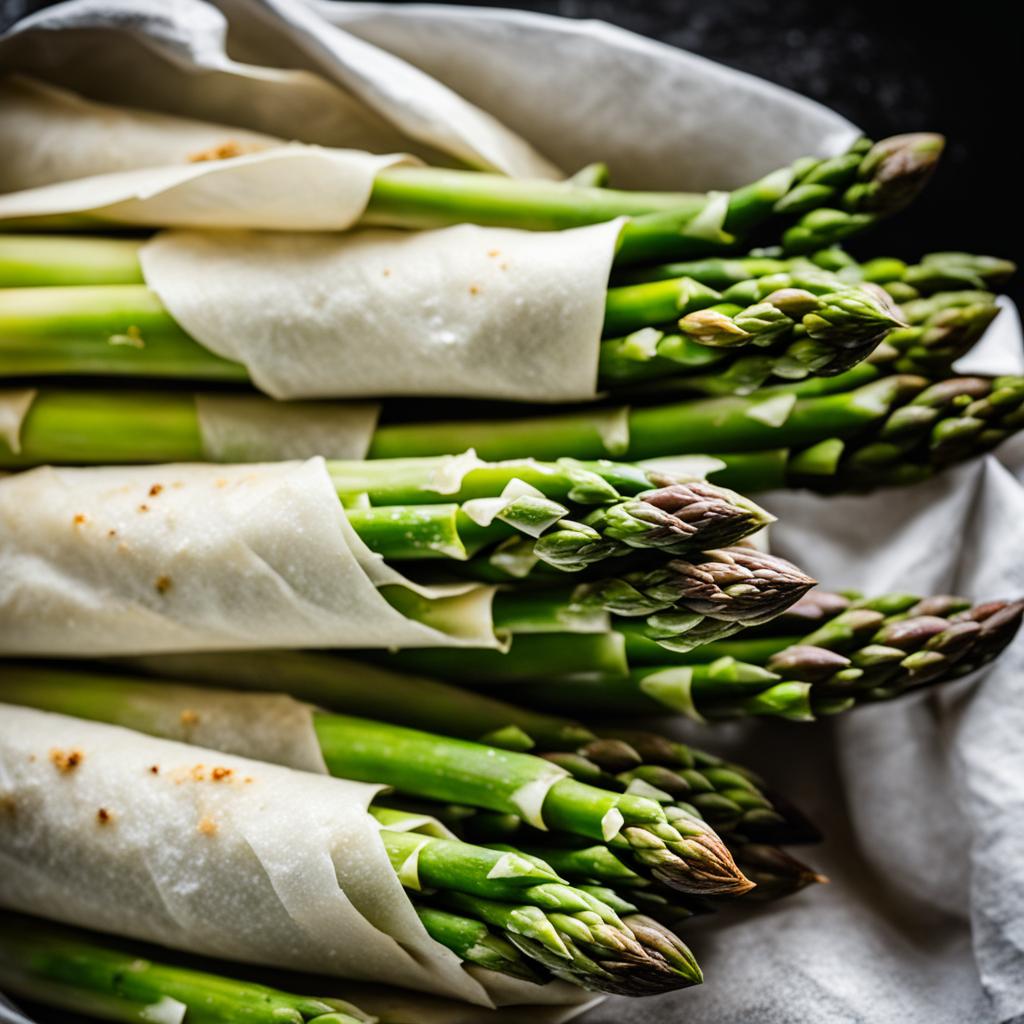


Benefits of Storing Asparagus with Wet Paper Towels
- Retains moisture: The damp paper towels help to retain the natural moisture in the asparagus, keeping it fresh and crisp.
- Prevents wilting: By creating a humid environment, the wet paper towels prevent the asparagus from wilting and drying out.
- Easy to maintain: Changing the wet paper towels is a simple task that ensures the asparagus stays in optimal condition.
With this method, you can confidently store your asparagus in the refrigerator, knowing that it will remain fresh and ready to use whenever you're in the mood for a delicious and nutritious meal.
Storing Asparagus in a Glass of Water
When it comes to storing asparagus, there are various methods and techniques you can use to maintain its freshness. One effective method is storing asparagus in a glass of water. This method helps to keep the asparagus hydrated and crisp, preserving its flavor and texture for a longer period of time.
To store asparagus in a glass of water, start by trimming the ends of the spears. Then, stand the asparagus upright in a glass or jar that is filled with about an inch of water. This allows the asparagus to absorb the moisture it needs to stay fresh. Cover the glass with a plastic bag to create a humid environment, which further helps to prevent the asparagus from wilting.
It is important to change the water in the glass regularly, especially if it becomes cloudy. By doing so, you can ensure that the asparagus stays fresh and free from bacteria. With this method, you can store asparagus in a glass of water for up to 5 days, allowing you to enjoy its delicious taste and nutritional benefits over an extended period.
Tips for storing asparagus in a glass of water:
- Trim the ends of the spears before placing them in the glass.
- Fill the glass with about an inch of water to keep the asparagus hydrated.
- Cover the glass with a plastic bag to create a humid environment.
- Change the water regularly, especially if it becomes cloudy.
- Store the glass in the refrigerator to maintain the freshness of the asparagus.
| Method | Duration | Key Points |
|---|---|---|
| Storing Asparagus in a Glass of Water | Up to 5 days | - Trim the ends of the spears - Stand the asparagus upright in a glass with water - Change the water regularly - Cover the glass with a plastic bag - Store in the refrigerator |
| Storing Asparagus as Cut Flowers | Up to 4 days | - Trim the ends of the spears - Stand the asparagus upright in a glass or jar with water - Cover with a plastic bag - Refrigerate and change the water as needed |
| Storing Asparagus with Wet Paper Towels | 1-2 days | - Wrap the asparagus in wet paper towels - Place in a plastic bag - Store in the refrigerator |
"Storing asparagus in a glass of water is an excellent way to keep it fresh and crisp. The water helps to hydrate the asparagus, while the plastic bag creates a humid environment, preventing wilting. Remember to change the water regularly to ensure freshness." - Asparagus Lover
Storing Cooked Asparagus
If you have some leftover cooked asparagus that you want to store for later use, it's essential to handle it correctly to maintain its quality. Here are a few tips on how to store cooked asparagus:
- Let the asparagus cool down: Before storing the cooked asparagus, allow it to cool completely at room temperature. This helps prevent condensation and moisture buildup inside the container.
- Use an airtight container: Transfer the cooled asparagus to an airtight container. Make sure it's tightly sealed to prevent air from getting in and causing the asparagus to dry out or absorb odors from other foods in the refrigerator.
- Refrigerate promptly: Place the container with the cooked asparagus in the refrigerator as soon as possible. It's best to store it in the main compartment rather than the door to maintain a more consistent temperature.
- Consume within a few days: Cooked asparagus will typically stay fresh for about 2-3 days when stored properly in the refrigerator. After that, its quality may start to deteriorate, so it's best to enjoy it sooner rather than later.
By following these simple steps, you can extend the shelf life of your cooked asparagus and have it ready to use in various dishes whenever you want.
Tips for Using Leftover Asparagus:
Having leftover cooked asparagus opens up a world of possibilities for creating delicious meals. Here are a few ideas:
- Add it to salads: Cold cooked asparagus can be a fantastic addition to green salads, adding a fresh and crisp texture.
- Make a frittata or omelet: Chop the cooked asparagus and incorporate it into a frittata or omelet for a flavorful and nutritious breakfast or brunch.
- Create a pasta dish: Toss the cooked asparagus with your favorite pasta, some garlic, olive oil, and grated Parmesan cheese for a quick and tasty meal.
- Use it in a stir-fry: Cut the cooked asparagus into bite-sized pieces and stir-fry it with other vegetables, protein of your choice, and your preferred seasonings.
With a bit of creativity, you can turn your leftover cooked asparagus into new and exciting dishes that everyone will love.
Guidelines for Storing Asparagus
Proper storage techniques are crucial to maintaining the freshness and quality of asparagus. By following these guidelines, you can ensure that your asparagus stays crisp and delicious for longer.
1. Refrigerate Immediately
After purchasing asparagus, it is essential to refrigerate it promptly. Asparagus is highly perishable and can quickly lose its freshness if left at room temperature for too long. Place the asparagus in the refrigerator as soon as you get home to preserve its flavor and texture.
2. Avoid Freezing
While freezing is a common method for preserving food, it is not recommended for fresh asparagus. Freezing can alter the texture and taste of asparagus, resulting in a less desirable eating experience. It's best to consume asparagus fresh or store it using other suitable methods.
3. Choose the Right Location
When storing asparagus in the refrigerator, it's important to select an appropriate location. Avoid placing it on the top shelf, as this area tends to be colder and may lead to freezing. Instead, opt for the vegetable drawer or crisper to maintain the optimal storage temperature.
4. Change Water Regularly
If you choose to store asparagus in a glass of water, remember to change the water regularly. This helps to prevent bacterial growth and maintain the freshness of the asparagus. Replace the water every day or whenever it becomes cloudy.
Following these guidelines will help you store asparagus properly and extend its shelf life. With the right storage techniques, you can enjoy fresh and flavorful asparagus in your meals for an extended period.
Avoiding Freezing and Properly Washing Asparagus
When it comes to storing asparagus, it's important to avoid freezing it without proper preparation. Freezing fresh asparagus without blanching it first can result in loss of flavor and texture. So, if you're planning to store your asparagus for an extended period, it's best to follow the right steps.
To properly wash asparagus before storage, start by rinsing it under cold running water to remove any dirt or debris. Gently pat dry the spears with a clean kitchen towel or paper towel to remove excess moisture. It's essential to wash the asparagus just before cooking or preparing it to prevent any potential molding.
By avoiding freezing and washing asparagus before storage, you can ensure that it maintains its quality and taste when you're ready to use it. Proper handling and storage techniques are key to enjoying the full flavor of this versatile spring vegetable.
Table: Proper Washing and Storing Techniques for Asparagus
| Method | Steps |
|---|---|
| Washing Asparagus |
|
| Storing Asparagus |
|
Remember, following these guidelines will help you store and enjoy your asparagus without any compromise in freshness and taste. Whether you choose to store it as cut flowers, wrapped in wet paper towels, or in a glass of water, proper washing and storing practices ensure the best possible outcome for your asparagus dishes.
Signs of Fresh and Spoiled Asparagus
When it comes to enjoying the best asparagus, it's important to know the signs of freshness. Fresh asparagus should have firm stems that snap easily when bent. The color should be vibrant green, indicating that it is still full of life and flavor. The tips of the spears should be tightly closed, a sign that they are still young and tender. These are the qualities to look for when selecting fresh asparagus at the store or market.
On the other hand, spoiled asparagus will show clear signs of deterioration. Limp stems and shriveled appearance indicate that the asparagus is past its prime. If the spears have a slimy texture or an off-putting odor, it's a sure sign of spoilage. Additionally, blemishes or mold growth on the surface of the asparagus are indicators that it has gone bad. It's always better to err on the side of caution and discard any asparagus that shows signs of spoilage.
By paying attention to these signs of freshness and spoilage, you can ensure that you're always using the best quality asparagus in your dishes. Choosing fresh asparagus and properly storing it will help you enjoy this seasonal delicacy at its peak flavor.
Table: Signs of Fresh and Spoiled Asparagus
| Signs of Fresh Asparagus | Signs of Spoiled Asparagus |
|---|---|
| Firm stems that snap easily when bent | Limp stems |
| Vibrant green color | Shriveled appearance |
| Tightly closed tips | Slime texture |
| Unpleasant odor | |
| Blemishes or mold growth |
By being able to identify the signs of fresh asparagus and distinguishing them from those of spoiled asparagus, you can make informed choices when purchasing and using this versatile vegetable. Remember, fresh asparagus brings a burst of flavor and vibrancy to your meals, so make sure you select and store it properly for the best culinary experience.
Proper Storage Temperature and Locations
Storing asparagus at the right temperature is crucial for maintaining its freshness and quality. The ideal storage temperature for asparagus is around 32 to 36 degrees Fahrenheit (0 to 2 degrees Celsius). However, it's important to note that asparagus should not be stored near freezing temperatures, as this can negatively affect its texture and flavor.
The best location for storing asparagus is in the refrigerator. The vegetable drawer or crisper is specifically designed to provide the optimal environment for storing various types of produce, including asparagus. These compartments help maintain the humidity levels needed to keep the asparagus fresh and crisp.
When storing asparagus in the refrigerator, avoid placing it on the top shelf or near the freezer compartment. Cold spots can cause the asparagus to freeze, leading to a loss of flavor and texture. It's also a good practice to keep the asparagus away from fruits and vegetables that produce ethylene gas, such as apples and tomatoes, as this can accelerate the deterioration of the asparagus.
Benefits of Proper Asparagus Storage
Properly storing asparagus not only helps maintain its freshness and quality but also provides several other benefits. By storing asparagus at the correct temperature and in the refrigerator, you can prolong its shelf life and enjoy its delicious flavor for a longer period of time. This allows you to save money by reducing waste and ensuring that you can use the asparagus in various recipes throughout the week.
Furthermore, asparagus is a nutritious vegetable that is high in vitamins A, C, and K, as well as folate and fiber. By storing it properly, you can preserve its nutritional value and ensure that you and your family are getting the maximum benefit from this healthy vegetable.
So remember, when it comes to storing asparagus, keep it cool but not freezing, store it in the refrigerator's vegetable drawer, and enjoy the benefits of fresh and flavorful asparagus in your meals!
Duration of Freshness for Stored Asparagus
When it comes to storing asparagus, understanding how long it can stay fresh in the fridge is crucial for meal planning and preventing food waste. Proper storage techniques can significantly extend the shelf life and maintain the freshness of asparagus, allowing you to enjoy this vibrant vegetable for a longer duration.
When stored in the refrigerator using the recommended methods, asparagus can stay fresh for up to five days. It's important to handle and store the asparagus properly to maximize its shelf life. By following the guidelines mentioned in this article, you can ensure that your asparagus retains its crispness, flavor, and nutritional value.
Optimal Storage Methods for Asparagus
To maintain the freshness of your asparagus, consider using one of the following storage methods:
- Storing asparagus like cut flowers: Trim the bottoms of the spears and stand them upright in a glass or jar with water. Cover with a plastic bag and refrigerate for up to four days, changing the water as needed.
- Storing asparagus with wet paper towels: Wrap the asparagus in wet paper towels and place it in a plastic bag before refrigerating. The moist paper towels help preserve the asparagus's crispness and prevent dehydration.
- Storing asparagus in a glass of water: Trim the ends of the spears, place them upright in a glass with about an inch of water, and cover with a plastic bag. Change the water if it becomes cloudy to maintain freshness for up to five days.
By choosing the storage method that suits your needs, you can enjoy fresh asparagus throughout the week and incorporate it into a variety of recipes. Remember to follow the tips for optimal storage temperature and location, as well as proper washing techniques, to ensure the best possible outcomes.
Benefits of Proper Asparagus Storage
Properly storing asparagus provides several benefits. First and foremost, it allows you to enjoy the vegetable at its peak flavor and texture, ensuring a more enjoyable dining experience. Additionally, storing asparagus properly reduces the risk of food waste by preventing spoilage and extending its shelf life.
Furthermore, by keeping asparagus fresh for a longer duration, you can incorporate it into various recipes and dishes, such as salads, stir-fries, and pasta. Asparagus is not only delicious but also packed with essential vitamins, minerals, and antioxidants, making it a nutritious addition to your meals.
| Storage Method | Duration of Freshness |
|---|---|
| Storing like cut flowers | Up to 4 days |
| Storing with wet paper towels | Up to 5 days |
| Storing in a glass of water | Up to 5 days |
The Benefits of Proper Asparagus Storage
Properly storing asparagus not only helps to maintain its freshness and flavor but also offers several advantages that you might not be aware of. By utilizing the recommended storage methods, you can enjoy the benefits of prolonging the shelf life of this delicious and nutritious vegetable.
Extended Freshness and Flavor
One of the main benefits of storing asparagus properly is that it allows you to enjoy its freshness and flavor for a longer period of time. Asparagus that is stored correctly remains crisp and vibrant, ensuring a delightful eating experience. The firm texture and distinct taste are preserved, allowing you to savor every bite.
Furthermore, proper storage prevents asparagus from becoming limp, shriveled, or developing an unpleasant odor. By following the guidelines mentioned earlier, you can maintain the quality of your asparagus and enjoy its exceptional taste with each use.
Nutritional Value Retention
Asparagus is packed with various essential nutrients, including vitamins A, C, E, and K, as well as folate, fiber, and antioxidants. Properly storing asparagus helps to retain these valuable nutrients, ensuring that you reap the maximum health benefits when consuming this vegetable.
When asparagus is stored correctly, it maintains its nutritional content and quality, ensuring that you receive the full range of vitamins and minerals when including it in your meals. By storing asparagus properly, you can ensure that it remains a valuable addition to your healthy diet.
Reduced Waste and Cost Savings
Proper asparagus storage not only helps to maintain freshness but also reduces the amount of waste. When asparagus is stored incorrectly, it can spoil quickly, resulting in discarded vegetables and wasted money. By using the recommended storage methods, you can minimize waste and maximize your investment in this flavorful vegetable.
Additionally, by extending the shelf life of asparagus, you can take advantage of sales or bulk purchases without worrying about the vegetable going bad before you can use it. This can result in significant cost savings over time, allowing you to enjoy asparagus more frequently without breaking the bank.
In Summary
Proper asparagus storage offers numerous benefits, including extended freshness and flavor, retention of nutritional value, and reduced waste and cost savings. By following the recommended storage methods, you can ensure that your asparagus stays crisp, tasty, and nutritious for a longer period of time. So, make the most of your asparagus by storing it properly and enjoying its deliciousness in various dishes!
Conclusion
In conclusion, proper storage is key to maintaining the freshness and quality of your asparagus. By following the guidelines outlined in this article, you can ensure that your asparagus stays crisp, flavorful, and ready for use in your favorite recipes.
Remember to choose fresh asparagus with firm stalks, smooth skin, and tight buds. Whether you prefer storing it as cut flowers, wrapping it in wet paper towels, or keeping it in a glass of water, these methods will help extend the shelf life of your asparagus.
Additionally, it's important to store your asparagus in the refrigerator at a cool but not freezing temperature. Avoid freezing fresh asparagus without blanching it first and wash it just before cooking to prevent moisture and potential molding.
By storing your asparagus properly, you can enjoy this delicious vegetable for up to five days while preserving its nutritional value. So go ahead and make the most of your asparagus by ensuring it stays fresh and ready for your culinary creations!
FAQ
How should I choose fresh asparagus?
Look for firm stalks with smooth skin and tight buds. Avoid asparagus with dry, woody, or cracked bottoms. Buy from a vendor that keeps the bundles standing upright in water for maximum freshness.
How can I store asparagus like cut flowers?
Trim the bottoms of the spears and stand them upright in a glass or jar with about an inch of water. Cover with a plastic bag and refrigerate for up to 4 days, changing the water as needed.
What is the best way to store asparagus with wet paper towels?
Wrap the asparagus in wet paper towels and place it in a plastic bag before refrigerating. The moist paper towels help maintain its crispness and prevent it from drying out.
How do I store asparagus in a glass of water?
Trim the ends of the asparagus, place the spears upright in a glass with about an inch of water, and cover them with a plastic bag. Change the water if it becomes cloudy to keep the asparagus fresh for up to 5 days.
How should I store cooked asparagus?
Store leftover cooked asparagus in an airtight container in the refrigerator for 2-3 days. It may not be as vibrant as freshly cooked asparagus, but it can still be enjoyed in various dishes.
What are the guidelines for storing asparagus?
Keep asparagus in the refrigerator immediately after purchase. Avoid placing it on the top shelf to prevent freezing. Change the water regularly if storing in a glass. Store in a breathable plastic bag if using the wet paper towel method. Use within 1-2 days if using the damp paper towel method. Use within 3-5 days if storing in a glass with water.
Can I freeze fresh asparagus?
Do not freeze fresh asparagus without blanching it first. It's best to wash asparagus just before cooking or preparing it to avoid moisture and potential molding.
How can I tell if asparagus is fresh or spoiled?
Fresh asparagus should have firm stems, vibrant green color, tight buds, and snappy stems. Spoiled asparagus will be limp, shriveled, and may have a strange smell. Check for signs of blemishes or wilting before storing or cooking asparagus.
Where should I store asparagus?
Asparagus should be stored in the refrigerator at a cool temperature, but not near freezing. Avoid placing it in cold spots, such as the top shelf, where freezing may occur. The vegetable drawer or crisper is the ideal location for storing asparagus.
How long does stored asparagus stay fresh?
When stored properly, asparagus can stay fresh for up to five days in the refrigerator. By following the recommended storage methods, you can prolong its shelf life and maintain its quality.
What are the benefits of proper asparagus storage?
Properly storing asparagus ensures that it maintains its freshness, flavor, and nutritional value for longer. It also prevents waste and allows you to enjoy this delicious vegetable in various dishes throughout its shelf life.
Source Links
AprilCook, recipe developer and the heart of Chefwiz. More about April