Guide
How to Store Bananas for Extended Ripeness
Discover helpful, easy steps on how to store bananas and keep them fresh for longer! Dive into my guide and extend your bananas' ripness period.
 By April20 min read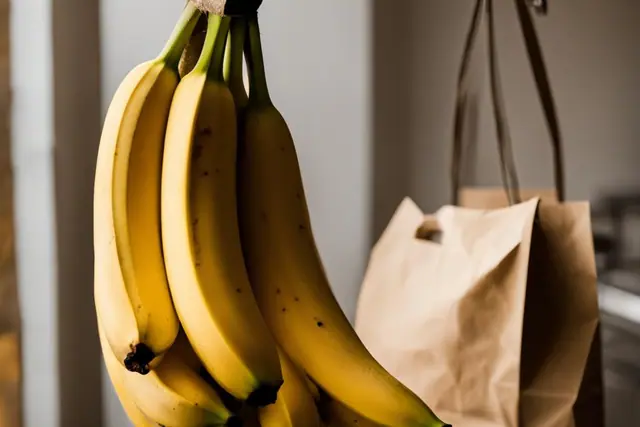
In this guide
- Hanging Bananas Away from Other Produce
- Wrapping the Stems in Plastic Wrap
- Storing Ripe Bananas in the Fridge
- Adding Citrus to Preserve Freshness
- Using Vinegar as an Alternative
- Freezing Bananas for Longer Storage
- Buying Green or Greenish-Yellow Bananas
- Removing the Bag Upon Returning from the Store
- Wrapping Individual Banana Stems
- Storing Bananas Away from Ripe Fruit
- Storing Bananas at Room Temperature with Airflow
- Avoiding Refrigeration Before Ripeness
- Using Brown Bananas for Baking and Banana Cream Pie
- Conclusion
- Source Links
- FAQ
Bananas have a tendency to ripen quickly, but with these simple hacks, you can prolong their yellow stage. Hang them away from other produce to prevent premature ripening, and wrap the stems in plastic wrap to slow down the release of ethylene gas. Once they ripen, store them in the fridge to extend their freshness. Adding citrus or vinegar can also help preserve the bananas' freshness. For longer storage, freeze them in the freezer.
- Hang bananas away from other produce to prevent premature ripening.
- Wrap the stems in plastic wrap to slow down the release of ethylene gas.
- Store ripe bananas in the fridge to extend their freshness.
- Adding citrus or vinegar can help preserve the bananas' freshness.
- Freeze bananas for longer storage.
Hanging Bananas Away from Other Produce
When it comes to storing bananas for extended ripeness, one effective technique is to hang them away from other produce. By doing so, you can prevent premature ripening and ensure that your bananas stay fresh for a longer period of time. Bananas release a natural ripening hormone called ethylene gas, which can accelerate the ripening process of other fruits. Fruits like avocados, peaches, tomatoes, apples, and figs are particularly sensitive to ethylene gas and can cause bananas to ripen faster when stored in close proximity.
By keeping your bananas separate from other fruit, you can slow down the ripening process and prolong their yellow stage. Hang them in a location where they are not in direct contact with other produce. This can be done by using a banana hook or by simply hanging them from a hook or a rod. By creating some distance between your bananas and other fruits, you can maintain the freshness of your bananas for a longer period of time.
In conclusion, hanging bananas away from other produce is a simple and effective way to extend their ripeness. By preventing the release of ethylene gas from interacting with other fruits, you can slow down the ripening process and enjoy fresh bananas for longer. So, the next time you bring home a bunch of bananas, remember to find a separate spot to hang them and enjoy their extended freshness.
Wrapping the Stems in Plastic Wrap
When it comes to prolonging the ripeness of bananas, a simple technique that can be highly effective is wrapping the stems in plastic wrap. This method helps to slow down the release of ethylene gas, which is responsible for accelerating the ripening process. By containing the ethylene gas at the top of the banana bunch, wrapping the stems can help extend the freshness of the fruit.
To utilize this hack, start by separating the bananas from the bunch. This allows for better airflow and reduces the chances of the ethylene gas traveling down the fruit. Next, take a small piece of plastic wrap and wrap it tightly around the top of each banana stem. This ensures that the ethylene gas remains trapped and doesn't escape, thus slowing down the ripening process.
For even better results, consider wrapping each individual stem separately. This further minimizes the chances of ethylene gas escaping and reaching the fruit. By taking these simple steps, you can enjoy perfectly ripe bananas for a longer period of time.
“Wrapping the stems of bananas in plastic wrap can help slow down the release of ethylene gas, which accelerates the ripening process.”
| Benefits of Wrapping Banana Stems in Plastic Wrap |
|---|
| Slows down the release of ethylene gas |
| Extends the freshness of the bananas |
| Reduces the chances of premature ripening |
| Allows for longer storage of ripe bananas |
Storing Ripe Bananas in the Fridge
Once your bananas reach the desired level of ripeness, you can store them in the fridge to extend their freshness. Cooler temperatures slow down the ripening process and can help preserve the flavor and texture of the fruit. It's normal for the peel to turn brown or black in the fridge, but the fruit inside should still be delicious. Refrigerating ripe bananas can prevent them from becoming overripe and spoiling quickly.
When storing ripe bananas in the fridge, it's important to keep them separate from other fruits and vegetables. Bananas release ethylene gas, which can accelerate the ripening process of nearby produce. By storing them in a separate area, you can avoid premature ripening and ensure that your bananas stay fresh for longer.
If you prefer your bananas to be chilled before eating, you can also place them in the fridge a few hours before consuming. This will give you a refreshing and cool banana experience. Remember to remove the peel before eating, as it may become harder to remove once chilled.
Overall, refrigerating ripe bananas is a simple and effective way to extend their shelf life and enjoy them for a longer period of time. It's a great option if you have more bananas than you can consume within a few days, or if you want to have a supply of ripe bananas readily available for smoothies, baking, or snacking.
Table: Comparing Shelf Life of Bananas
| Type of Storage | Shelf Life |
|---|---|
| Room Temperature | 2-7 days |
| Refrigerator | 7-14 days |
| Freezer | 2-3 months |
Adding Citrus to Preserve Freshness
Adding citrus, such as lemon or lime juice, to peeled bananas can help preserve their freshness. The acidity in citrus fruits slows down the oxidation process, which is responsible for browning. You can toss sliced bananas with citrus juice or brush whole or halved bananas with the juice. Diluting the juice with water is an option if needed. This technique can slightly affect the flavor of the bananas, making them slightly tart.
Using citrus to preserve the freshness of bananas is a simple and effective method. The acid present in citrus fruits acts as a natural preservative, slowing down the oxidation process. By applying lemon or lime juice to peeled bananas, you create a protective layer that prevents browning and helps maintain the vibrant yellow color of the fruit. Whether you're using sliced bananas in a fruit salad or enjoying a whole banana, a touch of citrus juice can make a big difference in extending their freshness.
"The natural acidity of citrus fruits is a fantastic way to preserve the freshness of bananas. By adding a squeeze of lemon or lime juice, you can keep your bananas looking and tasting fresh for longer. The acid in citrus fruits slows down the oxidation process, preventing the bananas from turning brown. This simple trick is perfect for those who enjoy using bananas in various recipes or prefer their bananas to stay bright and appetizing."
Table: Comparing the Effects of Citrus Preservatives
| Citrus Fruit | Application Method | Effect on Flavor | Effect on Freshness |
|---|---|---|---|
| Lemon | Tossing sliced bananas in lemon juice | Slightly tart | Preserves freshness |
| Lime | Brushing whole or halved bananas with lime juice | Mild citrus flavor | Preserves freshness |
When using citrus as a preservative, it's important to note that the flavor of the bananas may be slightly altered. The citrus juice adds a subtle tanginess to the bananas, making them slightly tart. This can be a delightful flavor addition for those who enjoy a hint of citrus in their bananas. However, if you prefer the natural sweetness of bananas, you can dilute the citrus juice with water to minimize the tartness while still benefitting from its preserving properties.
By harnessing the power of citrus, you can prolong the freshness of your bananas and enjoy them at their best for a longer period. Whether you're using lemon or lime juice, these natural preservatives slow down the oxidation process, preventing your bananas from turning brown. So the next time you have ripe bananas on hand, give them a citrus boost to keep them looking vibrant and tasting delicious.
Using Vinegar as an Alternative
When it comes to preventing bananas from browning, many people turn to citrus fruits like lemon or lime. However, if you're looking for an alternative, vinegar can be just as effective. A vinegar bath can help preserve the freshness of your bananas and prevent them from turning brown.
To use vinegar, you have a couple of options. One way is to immerse banana chunks in vinegar for a few seconds before removing them and allowing them to air dry. This method creates a vinegar barrier that inhibits the oxidation process, keeping your bananas looking fresh for longer. Alternatively, you can also sprinkle a little lemon juice or vinegar directly onto the peeled bananas. Just be sure to rinse them before consuming to avoid any lingering taste of vinegar.
"A vinegar bath can be a great alternative to citrus fruits for preventing banana browning. It works by creating a barrier that slows down the oxidation process."
While vinegar may not provide the same flavor enhancement as citrus fruits, it offers a distinct taste that can complement certain dishes. If you prefer a tangier twist to your bananas, using vinegar as an alternative is a great option to explore. It's all about finding the method that works best for your taste preferences and desired outcomes.
Add Vinegar Bath Method Summary
- Immerse banana chunks in vinegar or sprinkle lemon juice over the peeled bananas.
- A vinegar bath creates a barrier that slows down the oxidation process, preventing browning.
- Rinse the bananas before consumption to avoid any lingering taste of vinegar.
- Vinegar offers an alternative to citrus fruits with its own distinct taste.
https://www.youtube.com/watch?v=hC_3fD9POzI
Freezing Bananas for Longer Storage
When it comes to extending the shelf life of bananas, freezing is a fantastic option. By freezing your bananas, you can prevent spoilage and have a ready supply of this versatile fruit for your smoothies, baked goods, and other recipes. Freezing bananas is a simple process that allows you to enjoy their sweetness for an extended period.
To freeze bananas, start by peeling them and cutting them into chunks or slices. This will make them easier to use in your favorite dishes later on. Place the banana pieces in a freezer-safe bag, making sure to squeeze out any excess air before sealing it tightly. This will help prevent freezer burn and maintain the quality of the bananas.
Frozen bananas can last for at least 30 days in the freezer, so you'll always have a supply on hand. When you're ready to use them, simply thaw the bananas at room temperature. They will become soft and slightly mushy, which is perfect for adding to smoothies or baking into delicious treats.
Table: Freezing Bananas Tips
| Tip | Instructions |
|---|---|
| Peel and Slice | Peel the bananas and cut them into chunks or slices. |
| Bag It Up | Place the banana pieces in a freezer-safe bag, removing any excess air before sealing. |
| Label and Date | Write the date on the bag so you can keep track of how long they've been frozen. |
| Thaw at Room Temperature | When you're ready to use them, thaw the bananas at room temperature for a few minutes until soft. |
| Use in Recipes | Enjoy the frozen bananas in smoothies, baking, or as a healthy frozen treat. |
Freezing bananas is a great way to prevent spoilage and make sure you always have bananas on hand. Whether you use them in smoothies, baked goods, or simply as a frozen snack, frozen bananas are a versatile and convenient option. Follow the simple steps outlined above, and you'll never have to worry about your bananas going to waste again.
Buying Green or Greenish-Yellow Bananas
When it comes to prolonging the ripeness of bananas and reducing waste, one effective strategy is to buy green or greenish-yellow bananas. These under-ripe bananas have a longer shelf life and gradually ripen over time, giving you more flexibility to use them.
By opting for green bananas, you can ensure that your bananas don't ripen too quickly and spoil before you have a chance to enjoy them. Instead, they will ripen gradually, providing you with fresh bananas over several days.
Not only does buying green bananas help reduce waste, but it also allows you to have ripe bananas on hand whenever you need them. Whether you prefer your bananas slightly green or fully ripe, buying them in the green or greenish-yellow stage allows you to control their ripening process and enjoy them at your desired level of sweetness.
| Benefits of Buying Green Bananas |
|---|
| Extended ripening period |
| Reduced risk of overripe bananas |
| Flexibility in consumption |
| Reduced waste |
By following the tip of buying green or greenish-yellow bananas, you can ensure that your bananas last longer, ripen at your preferred pace, and minimize unnecessary waste. Embrace the versatility of under-ripe bananas and enjoy fresh, delicious bananas whenever you desire.
References:
- "How to Store Bananas for Extended Ripeness." Food Network, www.foodnetwork.com/healthy/photos/how-to-store-bananas-for-extended-ripeness.
- "How to Keep Bananas Fresh." EatingWell, www.eatingwell.com/article/273025/how-to-keep-bananas-fresh/.
- "How to Store Bananas Properly." The Spruce Eats, www.thespruceeats.com/how-to-store-bananas-4796920
Removing the Bag Upon Returning from the Store
When it comes to preserving the freshness and extending the ripeness of bananas, one important step is often overlooked: removing the bag as soon as you bring them home from the store. This simple action can prevent accelerated ripening and the buildup of ethylene gas, ultimately slowing down the ripening process of your bananas.
As bananas ripen, they release ethylene gas, a naturally occurring hormone that triggers the ripening process. When bananas are kept in a bag, the ethylene gas becomes trapped, causing the fruit to ripen more quickly. By removing the bag, you allow the gas to dissipate and prevent the accumulation of ethylene, thereby slowing down the ripening process and prolonging the lifespan of your bananas.
To ensure optimal freshness, take a moment to remove the bag from your bananas as soon as you get home. Store them in a well-ventilated area, such as a fruit bowl or a hanging basket, where they can continue to ripen at a controlled pace. This small practice can make a big difference in maintaining the quality and taste of your bananas for an extended period of time.
Why is removing the bag important?
By removing the bag from your bananas, you prevent the buildup of ethylene gas, which can accelerate the ripening process. This helps to slow down the ripening of the bananas and extends their freshness.
By incorporating this simple step into your banana storage routine, you can ensure that your bananas stay fresher for longer, reducing waste and maximizing their usability. Remember to remove the bag as soon as you bring your bananas home from the store to prevent accelerated ripening and ethylene buildup. With this small adjustment, you'll be able to enjoy delicious, ripe bananas at your own pace.
Wrapping Individual Banana Stems
When it comes to extending the ripeness of your bananas, wrapping the stems individually is a technique that can slow down the ripening process and prevent ethylene gas from traveling down the fruit. While wrapping the entire bunch is helpful, there may still be gaps between the stems where ethylene gas can escape and accelerate ripening. To ensure maximum freshness, separate each banana and wrap the stem of each fruit in plastic wrap.
By wrapping each stem individually, you create a barrier that reduces the chances of ethylene gas escaping and reaching the other bananas. This helps to slow down the ripening process, keeping your bananas fresh for a longer time. Additionally, individually wrapped stems make it easier to take out a single banana without disturbing the others, allowing you to enjoy them at your own pace.
To wrap the stems, simply tear off a small piece of plastic wrap and tightly wrap it around the top of each banana, covering the exposed stem. Ensure that the plastic wrap is securely fastened to create a sealed environment. By implementing this simple technique, you can extend the ripeness of your bananas and reduce waste.
Benefits of Wrapping Individual Banana Stems:
- Prevents ethylene gas travel between bananas
- Slows down the ripening process
- Keeps bananas fresh for a longer time
- Allows for easier individual banana removal
- Reduces waste
By taking the extra step to wrap each individual banana stem, you can enjoy the perfect ripeness of your bananas for an extended period. This simple technique is a game-changer when it comes to maximizing the freshness and flavor of your beloved bananas.
Storing Bananas Away from Ripe Fruit
When it comes to storing bananas, one important tip is to keep them away from ripe fruit. Ripe fruit releases a gas called ethylene, which can accelerate the ripening process of bananas. By storing your bananas separately from ripe fruit, you can slow down the ripening process and extend the freshness of your bananas.
By separating ripe and unripe fruit, you have more control over the ripening process. Placing bananas in a separate bowl or hanging them away from other fruit can help prevent the release of ethylene gas from affecting the bananas. This simple step can significantly slow down the ripening process and give you more time to enjoy your bananas while they are fresh.
Remember, storing bananas away from ripe fruit is not only about extending their freshness but also about maintaining their optimal flavor and texture. By keeping them separate, you ensure that the bananas ripen at a controlled pace, resulting in more enjoyable and delicious fruit.
Benefits of Storing Bananas Away from Ripe Fruit
- Slows down the ripening process
- Extends the freshness of bananas
- Maintains optimal flavor and texture
- Gives you more time to enjoy fresh bananas
Storing Bananas at Room Temperature with Airflow
When it comes to storing bananas, it's important to find the right balance between keeping them fresh and protecting them from bruising. Bananas are delicate fruits that can easily develop bruises when stored in closed containers or tightly packed spaces. To ensure optimal ripeness and prevent unnecessary damage, it's best to store bananas at room temperature with proper airflow.
One effective method of storing bananas is to place them in a bowl upside down. This helps distribute the pressure evenly, reducing the risk of bruising. Additionally, hanging bananas from a fruit tree or hook allows for proper airflow, preventing them from touching each other and minimizing the chances of bruising.
Not only does storing bananas at room temperature with airflow protect them from bruising, but it also allows them to ripen naturally. Bananas are sensitive to temperature changes, and storing them in the fridge can disrupt their ripening process. By keeping them at room temperature, you can ensure that they ripen at a steady pace, maintaining their optimal flavor and texture.
Benefits of Storing Bananas at Room Temperature
Storing bananas at room temperature with proper airflow has several advantages:
- Minimizes bruising: By placing bananas upside down in a bowl or hanging them, you can reduce the risk of bruising caused by pressure or contact with other fruits.
- Allows for natural ripening: Room temperature storage allows bananas to ripen gradually, enhancing their flavor and texture.
- Preserves optimal freshness: Bananas stored at room temperature maintain their freshness for a longer period, providing you with delicious, ripe fruit for snacking and cooking.
- Promotes even ripening: Proper airflow prevents bananas from ripening unevenly, ensuring an evenly ripe bunch for consumption.
Remember, bananas should be stored away from other ripe fruit to prevent accelerated ripening. With the right storage conditions, you can protect your bananas from bruising and enjoy their natural sweetness and flavor.
Avoiding Refrigeration Before Ripeness
When it comes to storing bananas, it's important to know when to refrigerate them. While refrigeration is a great way to extend the freshness of ripe bananas, it's best to avoid putting unripe bananas in the fridge. This is especially true for tropical fruits like bananas, as they do not handle cold storage well.
Putting unripe bananas in the refrigerator can actually stall the ripening process and turn the peel black. Even if you return them to room temperature, they may not be able to resume the ripening process. Refrigeration should be reserved for bananas that have reached the desired level of ripeness and have some brown speckles on the peel.
So, what should you do with unripe bananas? The best approach is to leave them at room temperature until they ripen naturally. You can place them in a fruit bowl or hang them from a fruit tree or hook to ensure proper airflow and prevent bruising. This way, you can enjoy perfectly ripened and flavorful bananas without any compromise in taste or texture.
Table: Comparing Refrigeration of Unripe Bananas vs. Ripe Bananas
| Unripe Bananas | Ripe Bananas |
|---|---|
| Should not be refrigerated | Can be refrigerated |
| Does not resume ripening process after refrigeration | Continues to ripen slowly in the refrigerator |
| May turn black and fail to ripen properly | May develop brown speckles but remain fresh inside |
By understanding the importance of avoiding refrigeration before ripeness, you can ensure that your bananas ripen naturally and provide the best flavor and texture. Remember to keep unripe bananas at room temperature and reserve refrigeration for ripe bananas to make the most of this versatile fruit.
Using Brown Bananas for Baking and Banana Cream Pie
When bananas start to turn brown, they may not look very appetizing for eating, but they are actually perfect for baking. The natural sugars in brown bananas are more concentrated, resulting in a sweeter and more flavorful taste. This makes them ideal for adding richness to baked goods, such as banana bread and banana cream pie.
In fact, brown bananas are often preferred over their yellow counterparts when it comes to baking. Their soft texture and intense banana flavor make them a key ingredient in many delicious recipes. Whether you're making a moist banana bread or a creamy banana cream pie, using brown bananas will elevate the taste and provide a delicious depth of flavor.
So, the next time you have a bunch of overripe bananas sitting on your kitchen counter, don't throw them away! Instead, put them to good use in your favorite baked treats. Their natural sweetness will shine through, creating desserts that are not only scrumptious but also a great way to reduce food waste.
"Brown bananas are like the secret ingredient for amazing banana cream pie. Their ripe and sweet flavor takes the pie to a whole new level of deliciousness!"
Table: Comparison of Banana Ripeness Levels for Baking
| Banana Ripeness | Texture | Flavor | Best Uses |
|---|---|---|---|
| Yellow (Slightly Green) | Firm | Mild | Smoothies, Fresh Consumption |
| Yellow (Fully Ripe) | Soft | Sweet | Baking, Pancakes, Waffles |
| Brown Spots | Very Soft | Ripe, Intense | Banana Bread, Muffins, Cakes |
As the table above shows, brown bananas are the perfect ripeness level for baking. Their very soft texture allows them to blend easily into batters and doughs, creating moist and flavorful treats. The ripe and intense flavor of brown bananas adds a natural sweetness to baked goods, reducing the need for additional sugars. So, the next time you have overripe bananas, don't toss them out. Instead, transform them into delectable baked treats that will have everyone asking for seconds.
Conclusion
In conclusion, storing bananas properly can significantly extend their ripeness, reducing waste and ensuring you have fresh bananas for longer. By following these tips and techniques, you can enjoy your favorite fruit for an extended period of time.
To start, hang bananas away from other produce to prevent premature ripening. This will help slow down the release of ethylene gas, which can accelerate the ripening process of other fruits. Wrapping the stems in plastic wrap is another effective method to slow down ripening, as it contains the ethylene gas that is released mainly from the top of the banana bunch.
If your bananas have reached the desired ripeness, consider storing them in the fridge. Cooler temperatures can slow down the ripening process and help preserve the flavor and texture of the fruit. Adding citrus, such as lemon or lime juice, can also help preserve the freshness of bananas by slowing down oxidation. Alternatively, vinegar can be used as an alternative for those who prefer a different taste.
For longer storage, freezing bananas is a great option. Simply peel and cut them into chunks or slices, and store them in freezer-safe bags. Freezing bananas can keep them fresh for at least 30 days. Finally, buying green or greenish-yellow bananas can give you more time to use them and reduce waste.
Source Links
- https://www.allrecipes.com/article/how-to-make-bananas-last-longer/
- https://www.simplyrecipes.com/how-to-store-bananas-7480444
- https://www.today.com/food/best-tips-keep-bananas-turning-brown-ripening-t150266
Frequently asked questions
- How should I store bananas for extended ripeness?
Hang them away from other produce, wrap the stems in plastic wrap, store ripe bananas in the fridge, add citrus or vinegar, or freeze them for longer storage.
- Why should I hang bananas away from other produce?
Hanging bananas away from other produce prevents premature ripening by reducing the exposure to ethylene gas released by other fruits.
- How does wrapping the stems in plastic wrap help?
Wrapping the stems in plastic wrap slows down the release of ethylene gas, which accelerates the ripening process of bananas.
- Can I store ripe bananas in the fridge?
Yes, storing ripe bananas in the fridge can extend their freshness by slowing down the ripening process.
- How can adding citrus preserve the freshness of bananas?
Citrus fruits contain acidity that slows down the oxidation process, preventing bananas from browning and preserving their freshness.
- Is there an alternative to using citrus?
Yes, you can use vinegar as an alternative to citrus. Vinegar can also inhibit the oxidation process and prevent bananas from browning.
- Can I freeze bananas for longer storage?
Yes, freezing bananas is a great option for long-term storage. Peel and cut them into chunks or slices before freezing.
- Should I buy green or ripe bananas?
Buying green or greenish-yellow bananas allows them to ripen gradually over time, giving you more flexibility and reducing waste.
- Why should I remove the bag upon returning from the store?
Removing the bag prevents the buildup of ethylene gas, which can accelerate the ripening process of bananas.
- Should I wrap individual banana stems?
Wrapping each individual stem in plastic wrap prevents ethylene gas from traveling down the fruit and slows down the ripening process.
- Can bananas be stored near ripe fruit?
No, storing bananas near ripe fruit can accelerate the ripening process. It's best to keep them separate to control the ripening process.
- How should I store bananas at room temperature?
Store bananas at room temperature with proper airflow to protect them from bruising. Hanging them from a fruit tree or hook is a good option.
- Should I refrigerate unripe bananas?
No, refrigerating unripe bananas can turn the peel black and stall the ripening process. Reserve refrigeration for ripe bananas.
- Can I use brown bananas for baking?
Yes, brown bananas are ideal for baking as they are ripe and sweet. They add richness and flavor to recipes like banana bread and banana cream pie.
- What are some tips and techniques for storing bananas for extended ripeness?
Hang bananas away from other produce, wrap the stems in plastic wrap, store ripe bananas in the fridge, add citrus or vinegar, freeze for longer storage, and buy green bananas.
AprilCook, recipe developer and the heart of Chefwiz. More about April