Guide
How to Store Apples for Long-lasting Freshness
Discover the best methods on how to store apples to maintain their freshness longer. I take you through the steps for preserving your favorite fruit.
 By April14 min read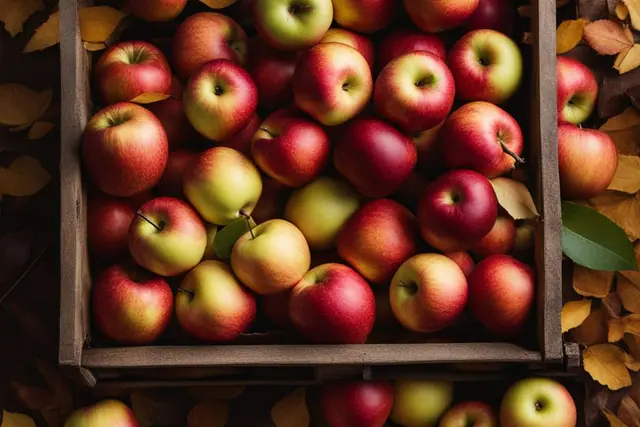
In this guide
Are you tired of your apples going bad before you can enjoy them? It's time to learn the secrets to storing apples for long-lasting freshness. With the right techniques and conditions, you can extend the shelf life of your apples by up to a year.
Controlling the atmosphere is key to preserving the freshness of your apples. By regulating temperature, oxygen, carbon dioxide, and humidity levels, you can slow down the ripening process and keep your apples fresh and crisp.
But that's not all – choosing the right apples, handling them with care, and storing them in the ideal conditions are equally important. In this guide, I'll walk you through the best practices for storing apples, from selecting the right varieties to creating a root cellar-like environment.
Choosing the Best Apples for Storage
When it comes to long-term apple storage, selecting the right varieties is crucial. Not all apples are created equal in terms of their ability to stay fresh for an extended period. For optimal storage results, it's best to choose apples that are tart and have thick skin.
Some of the best apple varieties for long-term storage include McIntosh, Fuji, Rome, Granny Smith, Red Delicious, and Cosmic Crisp®. These apples have a firm texture and a high acidity level, making them ideal for storing over several months.
"The tart and thick-skinned varieties, like Granny Smith, are great for long-term storage because their high acidity and sturdy skin help them last," explains apple storage expert, Jane Smith.
"When choosing apples for storage, it's important to look for ones that are free from bruises, blemishes, and cuts. This ensures that the apples will have a better chance of staying fresh for an extended period,"
she adds.
Table: Best Apples for Long-Term Storage
| Apple Variety | Description |
|---|---|
| McIntosh | Tart and crisp, ideal for baking and eating |
| Fuji | Sweet and firm, excellent for fresh eating and salads |
| Rome | Mildly tart with a dense texture, perfect for pies and sauces |
| Granny Smith | Extremely tart and crisp, great for baking and cooking |
| Red Delicious | Sweet and juicy, best enjoyed fresh |
| Cosmic Crisp® | Sweet and crisp, slow to brown, versatile for various uses |
While Honeycrisp is a popular apple variety known for its exceptional taste, it doesn't store as well as the aforementioned varieties. Therefore, it's best to consume Honeycrisp apples within a shorter timeframe rather than relying on them for long-term storage.
When selecting apples for storage, it's essential to keep in mind that proper handling and storage conditions are equally important in ensuring the longevity of freshness. By choosing the right apple varieties and following the appropriate storage techniques, you can enjoy delicious, crispy apples for an extended period.
https://www.youtube.com/watch?v=b2oMepXqb08
Proper Handling of Apples
When it comes to storing apples for long-lasting freshness, proper handling is crucial. Handling apples with care helps prevent bruising and damage, which can speed up the production of ethylene gas and cause the apples to rot. To ensure your apples stay fresh and delicious, here are some key tips for handling them with care:
- Treat apples as fragile as eggs. Apples have delicate skin, so it's important to handle them gently to avoid any unnecessary bruising or damage. Avoid tossing or dropping them, and be mindful of how you place them in storage.
- Store apples in a manner that prevents them from rolling around or getting damaged. You can use apple crates or bins with dividers to keep the apples separate and minimize any potential contact or friction between them.
- Avoid storing bruised or damaged apples together with the rest of your batch. One bad apple can spoil the whole bunch, so it's important to remove any apples that show signs of rot or decay.
- Keep your storage area clean and free from any sharp objects or rough surfaces that could cause damage to the apples. Additionally, regular inspection of your stored apples allows you to identify and remove any apples that may be spoiling or showing signs of deterioration.
By treating your apples carefully and avoiding any unnecessary bruising or damage, you can help prolong their freshness and ensure they stay in excellent condition for an extended period.
Storing apples in the refrigerator is a great way to extend their freshness and keep them crisp for longer. The crisper drawer is the ideal spot for apple storage as it provides a controlled environment with adjustable humidity levels.
The temperature in the refrigerator for apple storage should be set between 30-35 degrees F (-1 to 2 degrees C) to prevent them from freezing. This low temperature helps slow down the ripening process and keeps the apples fresh for a longer period. It's important to note that storing apples at temperatures below 30 degrees F (-1 degree C) can cause them to freeze and lose their texture.
The humidity level in the crisper drawer should be set between 90-95% to maintain the right moisture balance for the apples. This prevents them from drying out or becoming too moist, which can lead to spoilage. If your refrigerator doesn't have adjustable humidity settings, you can place a damp paper towel or a small bowl of water in the crisper drawer to create a humid environment.
| Temperature | Humidity |
|---|---|
| 30-35 degrees F (-1 to 2 degrees C) | 90-95% |
When storing apples in the refrigerator, it's important to keep them separate from other fruits and vegetables. Apples release ethylene gas, which can cause faster ripening and spoilage in nearby produce. Store them in a plastic bag with holes or wrap them individually in paper towels to prevent them from absorbing odors from other foods.
Creating a Root Cellar-Like Environment
If you have larger quantities of apples, you can create a root cellar-like environment for long-term storage. This method simulates the conditions of a traditional root cellar, providing the ideal climate for preserving apples for extended periods. By following a few simple steps, you can ensure that your apples stay fresh and delicious for many months.
The Ideal Temperature
One of the key factors in creating a root cellar-like environment is maintaining the right temperature. The temperature should be between 32-40 degrees Fahrenheit (0-4 degrees Celsius). This cool temperature helps slow down the ripening process and extend the shelf life of the apples.
Humidity and Ventilation
High humidity levels are essential for long-term apple storage. Aim for a humidity range of 80-95% to prevent the apples from drying out. This can be achieved by storing the apples in a cool, dark place with adequate ventilation. Good ventilation helps minimize the risk of mold and allows for the exchange of air.
Keeping it Dark
Darkness plays a crucial role in preserving the quality of stored apples. Exposure to light can cause the breakdown of chlorophyll, leading to unpleasant flavors and textures. Therefore, it's important to keep the storage area as dark as possible, ensuring that your apples retain their natural flavor and freshness.
| Conditions for Long-Term Apple Storage | Temperature | Humidity | Ventilation | Darkness |
|---|---|---|---|---|
| Root Cellar-Like Environment | 32-40°F (0-4°C) | 80-95% | Adequate | Dark |
Tips for Storing Apples in Root Cellar-Like Conditions
When it comes to long-term apple storage in a root cellar-like environment, there are a few tips and tricks to ensure your apples stay fresh and flavorful for as long as possible. Here are some key considerations:
- Choosing perfect apples for storage: Select apples that are in excellent condition, without any bruises or blemishes. These imperfections can accelerate the ripening process and lead to spoilage.
- Wrapping apples for storage: To keep your apples separate and prevent them from touching each other, wrap each apple individually. Use newspaper or kraft paper to create a protective barrier between the apples.
- Single layer apple storage: It's best to store your wrapped apples in a crate or bin in a single layer. This allows for better airflow and helps prevent the spread of rot if one apple starts to spoil.
- Checking apples periodically: Regularly inspect your stored apples and remove any apples that show signs of spoilage. This will help prevent the spread of mold or rot to the rest of the batch.
By following these tips, you can maximize the longevity and quality of your stored apples, ensuring you can enjoy their crispness and flavor throughout the storage period.
The Benefits of Single Layer Storage
Storing your apples in a single layer has several advantages over stacking them on top of each other. Firstly, it allows for better airflow around each apple, reducing the risk of trapped moisture and mold growth. Secondly, if one apple starts to spoil, it can be easily removed without disturbing the rest of the batch. Lastly, single layer storage helps prevent excessive pressure on the apples, which can cause bruising and accelerate the ripening process.
Imagine a table that demonstrates the benefits of single layer apple storage:
| Storage Method | Advantages |
|---|---|
| Single layer storage | Better airflow, easier inspection, prevents spread of spoilage |
| Stacked storage | Risk of trapped moisture, harder to spot spoilage, more prone to bruising |
In single layer apple storage, each apple has room to breathe, reducing the risk of spoilage. This method allows for easier inspection and removal of any damaged or spoiled apples, preventing the spread of rot and mold to other apples. Plus, it minimizes the chance of bruising, ensuring your stored apples stay in pristine condition.
Choosing the Ideal Storage Container
When it comes to storing apples in a root cellar-like environment, the right container can make all the difference. A crate or bin with slatted sides and bottom is an excellent choice as it allows for proper ventilation, preventing excessive humidity and the build-up of ethylene gas. Avoid using airtight containers or plastic bags, as they can trap moisture and lead to mold growth. Opt for a container that is spacious enough to accommodate your apples in a single layer without overcrowding.
Here's a comparison of different storage containers:
| Container Type | Advantages |
|---|---|
| Crate or bin with slatted sides and bottom | Allows for proper ventilation, prevents excessive humidity and ethylene gas build-up |
| Airtight container or plastic bag | Traps moisture, leads to mold growth |
By following these tips and considering the proper handling, wrapping, storage method, and container choice, you can ensure the long-term freshness of your stored apples, allowing you to enjoy their deliciousness throughout the year.
Storing Sliced Apples
When it comes to storing sliced apples, there are a few key factors to consider to ensure their freshness and prevent browning. To keep your apple slices looking crisp and appetizing, it's important to take some simple yet effective steps.
First, toss the sliced apples in lemon juice or orange juice before storing them. The natural acidity in the citrus juice helps prevent oxidation and slows down the browning process. This trick is especially useful if you plan to keep the sliced apples for an extended period.
Next, choose an airtight container for storing the apple slices. A sealed container will help maintain the moisture content and prevent exposure to air, which can accelerate browning. If you don't have an airtight container, you can also use a resealable bag designed for food storage.
By following these simple steps, you can keep your sliced apples looking fresh and appetizing for longer periods. Whether you're packing them in a lunchbox or preparing them for a recipe, taking care to prevent browning will ensure that your apple slices remain visually appealing and delicious.
Freezing Apples
When it comes to preserving the freshness of apples for an extended period, freezing is an excellent option. Freezing apples allows you to enjoy their delicious flavor and texture even long after the harvest season has passed. Whether you want to use them for pies, sauces, or apple butter, freezing apples is a convenient way to have this versatile fruit on hand whenever you need it.
To freeze apple slices, start by spreading them out on a baking sheet in a single layer. This prevents them from sticking together and makes it easier to use just the right amount when you're ready. Place the baking sheet in the freezer and let the apple slices flash-freeze for a few hours. Once they're frozen, transfer them to a resealable plastic bag, removing any excess air before sealing it. Label the bag with the date and variety of apples for easy reference later on.
When using frozen apples for pies, sauces, or apple butter, there's no need to thaw them beforehand. Simply incorporate them directly into your recipe, straight from the freezer. The freezing process may cause a slight loss of texture and crispness, but the flavor and taste will remain intact. Plus, the convenience of having frozen apples readily available outweighs any minor texture changes.
By freezing apples, you can enjoy the flavors of the harvest season all year round. Whether you're making a warm apple pie in the middle of winter or whipping up a batch of homemade applesauce, frozen apples are a versatile ingredient that can be used in a variety of recipes. So, the next time you have an abundance of apples, don't let them go to waste. Freeze them and savor the taste of fresh apples whenever you desire.
Best Varieties for Freezing
If you're looking to freeze apples for future use in delicious recipes or refreshing juice and smoothies, it's important to choose the right varieties that will retain their flavor and texture even after being frozen. While all apple varieties can be frozen, some are better suited for specific purposes. One excellent choice for freezing is the Granny Smith apple.
The Granny Smith apple is known for its tartness and firmness, making it perfect for freezing. Whether you plan to use the frozen apple slices in pies, sauces, or even for snacking, the Granny Smith apple will hold up well in the freezing process. Its bright green skin and crisp flesh provide a delightful contrast in texture and taste.
To freeze Granny Smith apples, start by washing and slicing them to your desired thickness. Then, spread the slices in a single layer on a baking sheet and place them in the freezer for a few hours to flash freeze. Once they are frozen, transfer the apple slices to a plastic bag, remove any excess air, and seal it tightly. Label the bag with the date to keep track of their freshness. These frozen slices can be conveniently stored in the freezer for up to several months.
Table: Freezing Apples - Key Varieties
| Variety | Texture | Flavor | Suitable Uses |
|---|---|---|---|
| Granny Smith | Firm and crisp | Tart | Pies, sauces, snacks |
| Gala | Crisp | Sweet | Baking, applesauce, smoothies |
| Honeycrisp | Juicy and crisp | Sweet and slightly tart | Fresh eating, salads |
| Jonathan | Firm and crisp | Tart | Pies, baking, applesauce |
While the Granny Smith apple is an excellent choice for freezing, other varieties can also be used based on personal preference and intended use. Gala apples offer a sweeter flavor and are great for baking, making applesauce, or adding to smoothies. Honeycrisp apples are juicy and crisp, perfect for enjoying fresh or in salads. Jonathan apples have a tart flavor and hold their shape well when baked, making them ideal for pies and applesauce.
By selecting the best apple varieties for freezing and following the proper freezing techniques, you can conveniently enjoy the flavors of fresh apples throughout the year. Incorporate these frozen apples into your favorite recipes or create your own culinary delights knowing that the taste and texture will be preserved.
Conclusion
By following the proper storage methods, you can enjoy fresh and flavorful apples for an extended period. Store apples in cool environments, handle them gently to prevent damage, and choose the right varieties for the desired storage duration. Whether you're storing them in the refrigerator or creating a root cellar-like environment, these tips will help you maximize the freshness and quality of your apples.
Source Links
- https://www.foodandwine.com/lifestyle/keeping-apples-fresh-tips
- https://www.realsimple.com/food-recipes/shopping-storing/food/how-to-store-apples
- https://www.gardeners.com/how-to/how-to-store-apples/8907.html
Frequently asked questions
- How should I store apples for long-lasting freshness?
To store apples for longer periods, handle them gently to avoid bruising and keep them in a cool environment with controlled temperature and humidity levels. Lower temperatures (31-35 degrees F) and thicker-skinned, tart apples like Granny Smith are recommended for long-term storage. Avoid storing bruised or damaged apples as they can speed up the ripening process and cause spoilage.
- Which apple varieties are best for long-term storage?
The best apples for long-term storage are usually tart and thick-skinned varieties such as McIntosh, Fuji, Rome, Granny Smith, Red Delicious, and Cosmic Crisp®. These varieties can last for several months if stored properly. However, Honeycrisp apples do not store as well as others.
- How should I handle apples to prevent bruising and damage?
Treat apples as fragile as eggs and store them in a manner that prevents them from rolling around or getting damaged. Even a small bruise can cause apples to produce ethylene gas, which speeds up the ripening process and leads to rot. It's important to handle apples gently and avoid any form of damage.
- Can I store apples in the refrigerator?
Yes, you can store apples in the refrigerator to prolong their freshness. Place them in the crisper drawer, preferably in a plastic bag with holes or covered with a damp paper towel. The ideal temperature for apple storage is between 30-35 degrees F with 90-95% relative humidity. It's important to keep apples separate from other fruits and vegetables in the fridge, as apples release ethylene gas, which can cause faster ripening and spoilage.
- How can I create a root cellar-like environment for apple storage?
If you have larger quantities of apples, you can simulate a root cellar-like environment for long-term storage. Look for a cool, dark, and relatively humid place such as a cellar, garage, or a nook along a north wall. The temperature should be between 32-40 degrees F, with high humidity levels (80-95%) and adequate ventilation to prevent mold growth. Store perfect and bruise-free apples wrapped in newspaper or kraft paper in a crate or bin, ideally in a single layer. Check the apples periodically and remove any that are spoiling.
- How should I store sliced apples?
Sliced apples can be stored in a resealable bag or an airtight food storage container in the refrigerator. To prevent browning, toss the slices in lemon or orange juice before storing. The acidity in the juice helps prevent oxidation and keeps the slices fresh-looking. Cosmic Crisp® apples are a variety that doesn't brown easily and can last all day in a lunchbox without browning.
- Can I freeze apples?
Yes, apples can be frozen for later use in pies, tarts, applesauce, and apple butter. While freezing may cause some loss of texture and crispness, frozen apples are still suitable for cooking. To freeze apple slices, spread them out on a baking sheet and flash-freeze them for a few hours before transferring them to a plastic bag. Thawing is not necessary when using frozen apples in baking.
- Which apple varieties are best for freezing?
All apple varieties can be frozen, but some are better suited for specific uses. Granny Smith apples are popular for freezing and are commonly used in juice and smoothie recipes. They retain their flavor and texture well after freezing.
AprilCook, recipe developer and the heart of Chefwiz. More about April