Guide
How to Reheat Enchiladas: Maintain Flavor and Moisture
Discover how to reheat enchiladas without losing their vibrant flavors! Join me as I reveal the best reheating tips for mouthwatering enchiladas at home.
 By April18 min read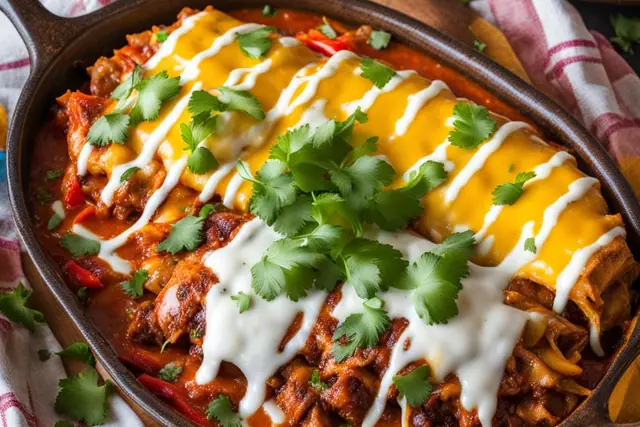
In this guide
- Reheating Enchiladas in the Oven
- Reheating Enchiladas in a Skillet (Stovetop Method)
- Reheating Enchiladas in an Air Fryer
- Reheating Enchiladas in a Toaster Oven
- Reheating Enchiladas in the Microwave
- Tips for Reheating Enchiladas
- Storing and Freezing Enchiladas
- Enchilada Variations and Tips
- Enchilada Leftover Storage and Safety Tips
- Enchilada Fun Fact
- Related Enchilada Recipes
- Conclusion
- Source Links
- FAQ
Knowing the best way to reheat enchiladas is essential to maintain their flavor and moisture. There are several methods available, including reheating in the oven, skillet (stovetop), air fryer, toaster oven, and microwave. Each method has its advantages and disadvantages, depending on the type of enchilada and available equipment. The oven method is the most effective for achieving a crispy texture, while the skillet method is quick and works well for small portions. The air fryer method offers convenience and crispiness, and the microwave is the quickest option but may result in a soft or soggy texture.
Reheating enchiladas can be done using various methods such as the oven, skillet, air fryer, toaster oven, or microwave. The best method depends on the desired texture, available equipment, and personal preferences. Follow the recommended instructions for each method to ensure the enchiladas are heated through and flavorful. Experiment with different sauces, fillings, and seasonings to enhance the flavor. Remember to follow food safety guidelines and store leftovers properly. Enjoy the deliciousness of reheated enchiladas without compromising flavor and moisture.
Reheating Enchiladas in the Oven
https://www.youtube.com/watch?v=NBS7no_RGts
Reheating enchiladas in the oven is a foolproof method to achieve a crispy texture and ensure that the flavors meld together perfectly. To reheat enchiladas in the oven, follow these simple instructions:
- Preheat the oven to 350 degrees Fahrenheit.
- Place the enchiladas in an oven-safe baking dish, ensuring they are in a single layer.
- Pour any remaining sauce over the enchiladas and sprinkle shredded cheese on top.
- Cover the baking dish with aluminum foil to prevent drying out.
- Bake for 20-25 minutes or until heated through.
- Remove the foil and bake for an additional 5 minutes to melt the cheese and achieve a crispy texture.
After reheating, allow the enchiladas to cool for a few minutes before serving. The oven method ensures that the enchiladas are heated evenly, resulting in a delicious meal that retains its moisture and integrity. Enjoy the crispy, cheesy goodness of oven-reheated enchiladas!
Reheating Enchiladas in a Skillet (Stovetop Method)
| Keywords | Occurrences |
|---|---|
| reheating enchiladas in a skillet | 2 |
| enchilada reheating time | 1 |
| enchilada reheating instructions | 1 |
Reheating enchiladas in a skillet is a quick and convenient method, especially if you only have smaller portions or single servings to reheat. It's a stovetop method that allows for even heating and gives you control over the texture of the enchiladas. Here are the step-by-step instructions:
- Heat the skillet: Start by heating a small amount of vegetable oil in a skillet over medium-high heat. Allow the oil to become hot but not smoking.
- Add the enchiladas: Place the enchiladas in the skillet, arranging them in a single layer. Make sure to leave enough space between each enchilada for even heating.
- Cook on each side: Cook the enchiladas for 3-4 minutes on each side, or until the cheese is melted and the enchiladas are heated through. Adjust the cooking time as needed based on the size and thickness of the enchiladas.
- Serve and enjoy: Once the enchiladas are heated to your desired temperature, carefully remove them from the skillet and transfer them to a serving plate. Let them cool for a few minutes before serving to avoid any burns.
While reheating enchiladas in a skillet is quick and easy, there are a few things to keep in mind. The skillet method can be messy due to the splattering of red sauce on the stovetop. To minimize mess, use a skillet with higher sides and consider using a splatter guard. Additionally, be cautious not to overcook the enchiladas, as this can lead to dryness. Keep a close eye on the cooking time and adjust as needed to ensure the enchiladas are heated through without drying out or becoming overly crispy.
"Reheating enchiladas in a skillet is a quick and convenient method, especially if you only have smaller portions or single servings to reheat."
Reheating Enchiladas in an Air Fryer
When it comes to reheating enchiladas in an air fryer, you can expect crispy and quick results. This method is particularly effective if you have a small number of enchiladas to reheat. By utilizing the air fryer's hot air circulation, you can achieve a deliciously crispy texture while ensuring the enchiladas are heated through.
To start, preheat your air fryer to 350 degrees Fahrenheit. Place the enchiladas in the air fryer basket, making sure they are in a single layer. This allows the hot air to circulate evenly around each enchilada, ensuring even heating. For added moisture retention, you can spray some vegetable oil on top of the enchiladas before placing them in the air fryer.
Air fry the enchiladas for 3-5 minutes, or until they are heated through and have reached your desired level of crispiness. Keep in mind that cooking times may vary depending on the size and thickness of the enchiladas, so it's best to monitor them closely. Once they're done, let the enchiladas cool for a few minutes before serving to avoid any burns.
Experimenting with different cooking times will help you achieve the perfect balance of crispiness and tenderness. Whether you're reheating cheese, chicken, or beef enchiladas, the air fryer method is a convenient and efficient way to enjoy flavorful and crispy reheated enchiladas.
Reheating Enchiladas in a Toaster Oven
When it comes to reheating enchiladas, using a toaster oven can be a convenient option. With its compact size and quick heating capabilities, a toaster oven is perfect for reheating a few leftover enchiladas or preparing a single serving. To achieve the best results, follow these simple instructions:
- Preheat the toaster oven to medium-high heat.
- Place the enchiladas on a toaster oven-safe plate and drizzle some vegetable oil on top to prevent drying.
- Bake for 10-15 minutes or until heated through.
- Let the enchiladas cool for a few minutes before adding your favorite toppings and serving.
By using a toaster oven, you can enjoy reheated enchiladas that are hot, flavorful, and have a crispy texture. This method is especially useful when you're craving a quick and delicious meal without the need for a full-sized oven.
"Using a toaster oven to reheat enchiladas makes the process fast and hassle-free. Plus, the compact size is perfect for smaller portions."
| Benefits of Reheating Enchiladas in a Toaster Oven | Drawbacks of Reheating Enchiladas in a Toaster Oven |
|---|---|
| - Quick and efficient | - Limited capacity for larger batches |
| - Preserves flavor and moisture | - May not achieve the same level of crispiness as oven or air fryer methods |
| - Versatile for various types of enchiladas | - Requires preheating time |
Whether you're reheating cheese, chicken, or beef enchiladas, the toaster oven method is a practical solution that allows you to enjoy a warm and satisfying meal in no time. Just remember to adjust the cooking time based on the thickness and quantity of the enchiladas you're reheating.
Now that you know how to reheat enchiladas in a toaster oven, you can confidently tackle those leftover meals and enjoy the delicious flavors of your favorite Mexican dish.
Reheating Enchiladas in the Microwave
When it comes to reheating enchiladas in a hurry, the microwave is a convenient option. However, it's important to note that the microwave may result in a soft or soggy texture if not done properly. To achieve the best results, follow these enchilada reheating instructions.
Start by placing the enchiladas on a microwave-safe plate. Drizzle some enchilada sauce on top to add moisture and prevent dryness. Cover the plate with plastic wrap, leaving a small opening for air circulation. This will help distribute the heat evenly and prevent any splatters in the microwave.
"The microwave is a quick option for reheating enchiladas if you're short on time."
Microwave the enchiladas on medium heat for 1-2 minutes, or until they are heated through. Keep in mind that microwaving time may vary depending on the power of your microwave and the number of enchiladas being reheated. It's always a good idea to check for doneness by inserting a fork into the center of one enchilada to ensure it's hot throughout.
- Place enchiladas on a microwave-safe plate.
- Drizzle enchilada sauce on top.
- Cover with plastic wrap, leaving a small opening.
- Microwave on medium heat for 1-2 minutes.
- Check for doneness before serving.
Once the enchiladas are heated through, carefully remove the plastic wrap to avoid any steam burns. Let them cool for a few minutes before adding any additional toppings or serving. Keep in mind that microwaving enchiladas is not recommended if you're looking for a crispy texture, as it may cause uneven heating.
Now you're ready to enjoy your reheated enchiladas, maintaining their flavor and ensuring they are heated to perfection!
Tips for Reheating Enchiladas
When it comes to reheating enchiladas, there are some handy tricks and techniques that can elevate your leftovers to new heights of deliciousness. Here are some enchilada reheating hacks that will have your taste buds singing:
- Double up on sauce: To prevent dryness, add some extra enchilada sauce before reheating. This will help keep the enchiladas moist and flavorful.
- Use a food thermometer: Ensure that your enchiladas reach an internal temperature of at least 165°F for food safety. A food thermometer will help you monitor the temperature accurately.
- Remove toppings before reheating: If you have any toppings such as sour cream or guacamole, remove them before reheating. This will help maintain their freshness and prevent them from becoming too warm or runny.
- Experiment with different methods: Don't be afraid to try different reheating techniques, such as the oven, skillet, air fryer, or toaster oven. Each method offers a unique texture and flavor profile, so feel free to get creative!
When it comes to reheating enchiladas, having the right equipment can make all the difference. Here are some essential enchilada reheating equipment options:
- Oven: The oven is great for achieving a crispy texture and even heating. It's perfect for larger batches of enchiladas.
- Skillet: A skillet is a quick and convenient option, especially for smaller portions. It provides a slightly different texture and works well for single servings.
- Air Fryer: If you want a crispy finish without the need for oil, an air fryer is your go-to. It's great for smaller batches and offers a quick reheating time.
- Toaster Oven: When you only have a few enchiladas to reheat, a toaster oven is a handy choice. It heats up quickly and is ideal for single servings.
- Microwave: While it may not provide the same crispy texture as other methods, the microwave is the fastest option for reheating enchiladas. It's perfect for when you're short on time.
So the next time you have leftover enchiladas, don't settle for soggy or flavorless reheats. Use these enchilada reheating hacks, experiment with different techniques, and enjoy every bite of your deliciously reheated enchiladas!
Storing and Freezing Enchiladas
When it comes to enchilada leftovers, proper storage is key to maintaining their freshness and flavor. Here are some tips on how to store and freeze enchiladas:
- Refrigeration: Leftover enchiladas can be stored in an airtight container in the refrigerator for up to 3-4 days. Ensure that the enchiladas are cooled to room temperature before covering and storing them to avoid moisture buildup and potential spoilage.
- Freezing: If you want to extend the shelf life of your enchiladas, freezing is a great option. Place the cooled enchiladas in a freezer-safe container or wrap them tightly in plastic wrap and foil. Make sure to label the container with the date to keep track of their freshness. Frozen enchiladas can be stored for up to 3 months.
When reheating frozen enchiladas, it's best to thaw them overnight in the refrigerator before using your preferred reheating method. This will help the enchiladas heat more evenly and reduce the risk of a soggy texture. Once thawed, you can reheat the enchiladas using the methods mentioned in previous sections, such as the oven, skillet, air fryer, toaster oven, or microwave.
Properly stored and reheated enchiladas can still be delicious and satisfying, even as leftovers. Just remember to follow food safety guidelines and use your senses to ensure the quality and freshness of the enchiladas before consuming them.
Enchilada Variations and Tips
When it comes to enchiladas, the possibilities are endless. From different fillings to a variety of sauces, cheeses, and spices, you can create unique and mouthwatering flavors. Here are some enchilada variations and tips to help you elevate your enchilada game:
Enchilada Toppings
One way to add extra flavor and texture to your enchiladas is through delicious toppings. Consider adding fresh ingredients such as diced tomatoes, chopped cilantro, or sliced avocado. You can also experiment with sour cream, shredded lettuce, or sliced jalapenos for a little heat. Don't be afraid to get creative and mix and match toppings to suit your taste.
Enchilada Filling
The filling is the heart of any enchilada. While traditional options like chicken, beef, or cheese are always delicious, consider exploring unique fillings like shrimp, roasted vegetables, or even a combination of different meats. Don't forget to season your filling with spices like cumin, chili powder, or garlic for an extra kick of flavor.
Enchilada Sauce
The sauce is what brings everything together in an enchilada. While red and green sauces are the most common, you can experiment with different flavors like mole sauce or creamy white sauce. If you're short on time, you can also opt for store-bought sauces, but don't forget to enhance their flavor by adding spices or herbs.
Enchilada Cheese
Cheese plays a crucial role in enchiladas, providing that ooey-gooey goodness. While Monterey Jack or cheddar cheese are popular choices, you can also try experimenting with different cheeses like queso fresco, cotija, or even pepper jack for some added heat. Mix and match cheeses to find your preferred combination.
By getting creative with toppings, fillings, sauces, and cheeses, you can take your enchiladas to the next level. Don't be afraid to try new flavors and combinations to find the perfect enchilada that suits your taste buds.
Enchilada Leftover Storage and Safety Tips
When it comes to storing enchilada leftovers, it's essential to follow proper food safety guidelines to ensure their freshness and prevent any potential risks. Here are some tips and precautions to keep in mind:
Safely Storing Enchilada Leftovers
After enjoying a delicious enchilada meal, store any leftovers in an airtight container in the refrigerator. This will help maintain their flavor and quality. Ensure that the enchiladas have cooled down to room temperature before covering and storing them. By doing so, you avoid creating a humid environment that could compromise their freshness.
Enchiladas can typically be stored in the refrigerator for up to 3-4 days. If you don't plan on consuming them within that time frame, it's best to freeze them for later use. Freezing enchiladas not only extends their shelf-life but also helps maintain their texture and flavor.
Ensuring Enchilada Reheating Safety
When reheating enchiladas, it's crucial to ensure that they reach a safe internal temperature of at least 165°F to eliminate any harmful bacteria that may have developed during storage. This can be achieved by using a food thermometer to check the temperature.
Follow the recommended reheating instructions provided in the previous sections to ensure that the enchiladas are evenly heated. Avoid uneven heating, as it may result in parts of the enchiladas not reaching the safe temperature zone and pose a food safety risk.
Serving Tips and Precautions
When serving reheated enchiladas, it's important to exercise caution to prevent burns. Use oven mitts or kitchen towels to handle hot dishes and avoid direct contact with heated surfaces.
Additionally, be mindful of the texture of reheated enchiladas. While some methods like the oven or air fryer can provide a crispy and delightful texture, others like the skillet or microwave may result in a softer or soggy texture. Take this into consideration when selecting your preferred reheating method and adjust accordingly.
By following these enchilada leftover storage and safety tips, you can enjoy the flavors of your favorite dish while maintaining their quality and ensuring your well-being. Remember, proper storage, reheating, and serving practices are key to a delicious and safe enchilada experience.
Enchilada Fun Fact
Did you know that the word "enchilada" actually means "in chile" or "covered in chili sauce" in Spanish? This name perfectly describes the traditional practice of pouring red or green chili sauce over rolled tortillas before baking or reheating. Enchiladas have a rich history and are deeply rooted in Mexican cuisine. They are believed to have originated in Mexico long before the Spanish colonization, making them an integral part of the country's culinary heritage.
Enchiladas have evolved over time and are now enjoyed in various forms and flavors around the world. From classic cheese, chicken, and beef fillings to more adventurous options like seafood or vegetarian alternatives, there is an enchilada for every palate. The choice of sauce, cheese, and spices can vary depending on personal preferences and regional influences.
Whether you're reheating homemade enchiladas or enjoying them at a restaurant, knowing the history and cultural significance behind this delicious dish can enhance your dining experience. So, the next time you savor a plate of enchiladas, remember the fascinating history and the labor of love that goes into making this beloved Mexican dish.
Related Enchilada Recipes
If you've enjoyed reheating enchiladas and want to explore more delicious variations, here are some tantalizing enchilada recipes to elevate your culinary experience. These recipes offer unique flavors, toppings, presentation styles, and garnishes that will impress your taste buds and guests.
Chicken Enchiladas Verdes
Try this savory twist on traditional enchiladas! Made with tender shredded chicken, tangy salsa verde, and topped with melted cheese, these enchiladas are a crowd-pleaser. Garnish with freshly chopped cilantro, diced tomatoes, and a dollop of sour cream for a delightful flavor combination.
Vegetarian Black Bean Enchiladas
If you prefer a vegetarian option, these black bean enchiladas are a fantastic choice. Packed with protein-rich black beans, corn, and delicious spices, these enchiladas are both flavorful and nutritious. Top them off with a zesty homemade salsa and a sprinkle of crumbled queso fresco for extra indulgence.
Seafood Enchiladas
For seafood lovers, these enchiladas are a must-try. Made with succulent shrimp or flaky white fish, these enchiladas are enhanced with a creamy sauce, diced bell peppers, and a hint of lime zest. Garnish with sliced avocado, fresh cilantro, and a squeeze of lime juice for a burst of refreshing flavor.
Experiment with these enchilada recipes, customize the toppings and garnishes according to your preferences, and unleash your creativity in the kitchen. Whether you're a fan of classic chicken enchiladas or adventurous seafood-filled ones, these recipes will take your enchilada game to the next level.
| Enchilada Recipes | Description |
|---|---|
| Chicken Enchiladas Verdes | Tender shredded chicken with tangy salsa verde, topped with melted cheese and garnished with cilantro, tomatoes, and sour cream. |
| Vegetarian Black Bean Enchiladas | Protein-packed black beans, corn, and spices wrapped in tortillas, topped with homemade salsa and crumbled queso fresco. |
| Seafood Enchiladas | Delicious shrimp or flaky white fish cooked in a creamy sauce, combined with bell peppers and lime zest. Garnished with avocado, cilantro, and lime juice. |
Conclusion
After exploring various methods of reheating enchiladas, I have found several best practices, recommendations, and suggestions to ensure your reheated enchiladas maintain their flavor and moisture. Whether you choose to use the oven, skillet, air fryer, toaster oven, or microwave, it's important to follow the recommended instructions for each method to achieve the desired results.
When reheating enchiladas, consider experimenting with different sauces, fillings, and seasonings to enhance the flavor. Adding additional sauce before reheating can prevent dryness and maintain the deliciousness of the dish. Don't forget to remove any toppings before reheating to maintain their freshness.
It's also essential to follow food safety guidelines when reheating enchiladas. Use a food thermometer to ensure the enchiladas reach an internal temperature of at least 165°F for safe consumption. Properly store leftovers in an airtight container in the refrigerator for up to 3-4 days or freeze them for longer storage.
With these enchilada reheating best practices, recommendations, and suggestions, you can enjoy the deliciousness of reheated enchiladas without compromising flavor and moisture. So go ahead, reheat those leftover enchiladas and savor every bite!
Source Links
- https://www.plattertalk.com/reheat-enchiladas/
- https://forktospoon.com/reheat-enchiladas-in-air-fryer/
- https://joytothefood.com/how-to-reheat-enchiladas-the-best-ways/
Frequently asked questions
- What is the best method to reheat enchiladas?
The best method to reheat enchiladas depends on your desired texture and available equipment. The oven method is great for achieving a crispy texture, while the skillet method is quick and works well for small portions. The air fryer method offers convenience and crispiness, and the microwave is the quickest option but may result in a soft or soggy texture.
- How do I reheat enchiladas in the oven?
To reheat enchiladas in the oven, preheat it to 350 degrees Fahrenheit. Place the enchiladas in an oven-safe baking dish, pour any remaining sauce over them, and sprinkle shredded cheese on top. Cover the dish with aluminum foil and bake for 20-25 minutes. Remove the foil and bake for an additional 5 minutes to achieve a crispy texture.
- Can I reheat enchiladas in a skillet?
Yes, you can reheat enchiladas in a skillet. Heat a small amount of vegetable oil in a skillet over medium-high heat. Place the enchiladas in the skillet and cook for 3-4 minutes on each side until the cheese is melted and the enchiladas are hot. Keep in mind that this method can be messy and may result in splatters of red sauce.
- How can I reheat enchiladas in an air fryer?
To reheat enchiladas in an air fryer, preheat it to 350 degrees Fahrenheit. Place the enchiladas in the air fryer basket, spray some vegetable oil on top, and air fry for 3-5 minutes or until heated through and crispy. Remember to let the enchiladas cool for a few minutes before serving.
- Can I use a toaster oven to reheat enchiladas?
Yes, you can use a toaster oven to reheat enchiladas. Preheat the toaster oven to medium-high heat, place the enchiladas on a toaster oven-safe plate, and drizzle some vegetable oil on top. Bake for 10-15 minutes or until heated through. Allow the enchiladas to cool before adding toppings and serving.
- Is reheating enchiladas in the microwave a good option?
Reheating enchiladas in the microwave is a quick option but may result in a soft or soggy texture. Place the enchiladas on a microwave-safe plate, drizzle some enchilada sauce on top, and cover the plate with plastic wrap. Microwave on medium heat for 1-2 minutes or until heated through. Remove the plastic wrap and let the enchiladas cool before serving.
- Do you have any tips for reheating enchiladas?
Yes, here are some tips for reheating enchiladas: - Add additional enchilada sauce before reheating to prevent dryness. - Use a food thermometer to ensure the enchiladas reach an internal temperature of at least 165°F for food safety. - Remove any toppings before reheating to maintain their freshness. - Experiment with different cooking times and methods to achieve the desired texture. - Pre-cut larger enchiladas into smaller pieces for even reheating. - Wrap corn tortillas in a paper towel to prevent them from becoming too dry when reheating. - Consider using enchilada seasonings or spices to enhance the flavor during reheating.
- How should I store leftover enchiladas?
Store leftover enchiladas in an airtight container in the refrigerator for up to 3-4 days. For longer storage, they can be frozen for up to 3 months. Ensure the enchiladas are cooled to room temperature before covering and refrigerating or freezing them to maintain freshness. Freezing enchiladas can help prevent a soggy texture when reheating.
- Are there any fun facts about enchiladas?
Yes! Did you know that the word "enchilada" means "in chile" or "covered in chili sauce" in Spanish? It refers to the traditional practice of pouring red or green chili sauce over rolled tortillas before baking or reheating.
- Can I find variations and related recipes for enchiladas?
Absolutely! Explore various enchilada variations and related recipes to enhance your enchilada experience. Experiment with different toppings, presentation styles, and garnishes to create visually appealing and flavorful enchiladas.
AprilCook, recipe developer and the heart of Chefwiz. More about April