Guide
How to Peel a Kiwi: Techniques for Perfect Slices
Discover the secret to perfect kiwi slices! I'll show you how to peel a kiwi quickly and mess-free. Let's dive into this tasty fruit preparation guide.
 By April18 min read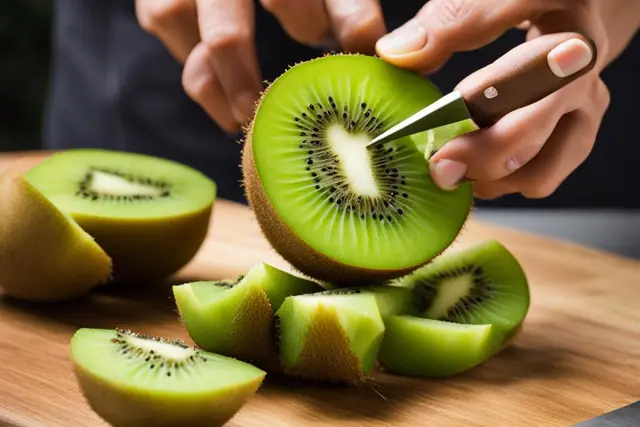
In this guide
- The Basic Knife Method
- The Spoon Method
- Kiwi Fruit Preparation Techniques and Peeling Hacks
- Can You Cut Kiwi Ahead of Time?
- How Long Does Kiwi Last After You Cut It?
- Kiwi Fruit Peeling Tricks and Methods
- Including Kiwis in Your Diet
- Tips for Buying Kiwis
- How to Ripen Kiwis
- Storing Kiwis
- Recipe Ideas with Kiwis
- Conclusion
- Source Links
- FAQ
Kiwis are small but mighty fruits with a sweet-tart flavor. They are packed with nutrients like potassium, vitamin C, vitamin A, calcium, and iron. If you've ever wondered how to peel a kiwi to achieve those perfect slices, you're in the right place. In this article, I will share with you three easy and efficient techniques to peel a kiwi, whether you prefer using a knife, a spoon, or a vegetable peeler.
The Basic Knife Method
When it comes to peeling a kiwi, one of the most basic and commonly used methods is the knife method. This technique allows you to remove the skin of the kiwi easily, leaving you with a perfectly peeled fruit that is ready to be enjoyed.
To peel a kiwi using the knife method, start by placing the fruit on a cutting board and slice off both ends. This will provide a stable base for the kiwi and make it easier to handle. Then, stand the kiwi upright and use a downward motion to cut away the peel, rotating the fruit as you go. Continue cutting until all the skin is removed, and you are left with the beautiful green flesh of the kiwi.
Once the kiwi is peeled, you can slice it into wedges or rounds, or dice it into smaller pieces. The choice is yours! The knife method gives you the freedom to create kiwi slices in any shape or size that suits your culinary needs.
| Advantages of the Basic Knife Method | Disadvantages of the Basic Knife Method |
|---|---|
|
|
"The knife method is a straightforward and efficient way to peel a kiwi. With a sharp knife and a bit of practice, you can easily remove the skin and enjoy the delicious fruit inside." - Chef Jane
The Spoon Method
In addition to using a knife, there is another easy and mess-free way to peel a kiwi - the spoon method. This technique is perfect for those who prefer a gentler approach to peeling their kiwis. Let me walk you through the steps:
- Start by trimming off both ends of the kiwi to create a stable base.
- Next, insert a spoon near the edge of the fruit, as close to the skin as possible.
- Gently rotate the spoon around the kiwi, applying gentle pressure to separate the flesh from the skin.
- Continue rotating the spoon until you have made a complete circle around the kiwi.
https://www.youtube.com/watch?v=SNFyY1tVR3U
Once the kiwi is fully separated from its skin, you can easily slide out the peeled fruit. Now, you can slice it into wedges, rounds, or dice it into smaller pieces, depending on your preference.
Tips for Easy Kiwi Peeling with the Spoon Method:
- Make sure to use a spoon with a thin edge, as it will be easier to slide between the flesh and the skin.
- Take care not to press too hard with the spoon to avoid crushing the fruit.
- If the spoon method is not working smoothly, try slightly scoring the skin with a knife before using the spoon.
With the spoon method, you can enjoy peeled kiwis without any mess or hassle. Give it a try and see how easy it is to peel this delicious fruit!
Kiwi Fruit Preparation Techniques and Peeling Hacks
When it comes to preparing kiwi fruit, there are a few techniques and hacks that can make the process easier and more efficient. Whether you're looking to peel a kiwi with minimal mess or create a visually stunning presentation, these methods will help you achieve your goals. Let's explore some kiwi fruit preparation techniques and peeling hacks:
The Star Cut with Knife Method
If you're looking to impress your guests with a unique presentation, the star cut with knife method is a great option. Start by placing the kiwi on a cutting board and make diagonal slices with a knife, going halfway through the skin. Then, gently pull the halves apart and separate them to reveal a beautiful star pattern. This method is perfect for fruit bowls or garnishing desserts, adding an extra touch of elegance to your dishes.
Kiwi Fruit Peeling Hacks
Peeling a kiwi can sometimes be a bit tricky, but with these peeling hacks, you'll be a pro in no time. One hack is to use a spoon to separate the flesh from the skin. After trimming off the ends of the kiwi, insert a spoon near the edge of the fruit and rotate it around, staying as close to the skin as possible. This will help you easily slide out the peeled kiwi, leaving behind the skin. Another hack is to use a vegetable peeler, which can be a handy tool for peeling kiwis quickly and efficiently.
| Technique | Benefits |
|---|---|
| The Star Cut with Knife Method | Creates a visually appealing pattern |
| Kiwi Fruit Peeling Hacks | Makes peeling easier and more efficient |
These kiwi fruit preparation techniques and peeling hacks will help you make the most of this delicious fruit. Whether you're looking to create a stunning presentation or simply make peeling easier, these methods will surely come in handy. So go ahead, grab a kiwi, and try out these techniques for yourself!
Can You Cut Kiwi Ahead of Time?
When it comes to prepping fruits, convenience is key. So, can you cut kiwi ahead of time? The answer is yes! This juicy fruit can be prepared in advance, saving you time and effort when you're ready to enjoy it.
Once you've peeled and sliced your kiwi, tightly wrap the pieces in plastic wrap or place them in an airtight container. This will help prevent any browning or drying out. You can store cut kiwi in the refrigerator for up to two hours without compromising its flavor or texture.
If you need to store it for a longer period, it's best to tightly pack the cut kiwi into a sealed container or wrap it tightly with plastic wrap. This will help maintain its freshness for a longer time. Just remember to consume the cut kiwi within a few days to ensure the best taste and quality.
Table: Kiwi Fruit Storage Guidelines
| Storage Method | Refrigerator | Room Temperature |
|---|---|---|
| Whole, Unripe Kiwi | Up to 1 month | Not recommended |
| Whole, Ripe Kiwi | Up to 1 week | Not recommended |
| Cut Kiwi | Up to 2 hours | Not recommended |
| Cut Kiwi (stored tightly) | Up to 2 days | Not recommended |
Remember, proper storage is essential to maintain the freshness and flavor of your kiwi. By following these simple steps, you can enjoy the convenience of pre-cut kiwi while still savoring its delicious taste and nutritional benefits.
How Long Does Kiwi Last After You Cut It?
After peeling and cutting a kiwi, it's important to store it properly to maintain its freshness and prevent it from spoiling. Kiwi fruit will typically last for about two to three days after it is cut, as long as it is stored correctly. To ensure the longest possible shelf life for your cut kiwi, here are some tips:
- Place the cut kiwi in an airtight container or wrap it tightly in plastic wrap. This will help keep the fruit from drying out and protect it from absorbing any odors from other foods in the refrigerator.
- Store the container of cut kiwi in the refrigerator at a temperature of around 35°F to 40°F (1.7°C to 4.4°C). This will help slow down the natural ripening process and keep the fruit fresh for a longer period of time.
- Avoid storing cut kiwi near other fruits that produce ethylene gas, such as apples, avocados, or tomatoes. Ethylene gas can speed up the ripening process of kiwi and cause it to spoil more quickly.
By following these storage guidelines, you can enjoy the freshness of cut kiwi for up to a few days. Remember to check the fruit for any signs of spoilage, such as mold, off smells, or a slimy texture, before consuming. If you notice any of these signs, it's best to discard the kiwi to avoid the risk of foodborne illness.
Table: Proper Storage of Cut Kiwi
| Storage Method | Time |
|---|---|
| Airtight container in the refrigerator | 2-3 days |
| Tightly wrapped in plastic wrap in the refrigerator | 2-3 days |
| Stored near ethylene-producing fruits | Shorter shelf life |
"Proper storage is key to maintaining the freshness of cut kiwi. By storing it in an airtight container or wrapping it tightly in plastic wrap and keeping it in the refrigerator, you can enjoy the fruit for up to a few days."
Kiwi Fruit Peeling Tricks and Methods
Peeling a kiwi can be a hassle, but with these simple tricks and methods, you'll be able to peel kiwis quickly and easily. Whether you prefer using a knife, spoon, or vegetable peeler, there's a technique that's perfect for you. Let's explore some effective kiwi fruit peeling tricks and methods.
The Knife Method
The knife method is a classic way to peel a kiwi. Start by cutting off both ends of the kiwi, then use a downward motion to remove the peel, rotating the kiwi as you go. This method gives you control and precision, allowing you to create perfect kiwi slices for your recipes or garnishes.
The Spoon Method
If you're looking for a mess-free option, the spoon method is for you. Trim off the ends of the kiwi, then insert a spoon near the edge of the fruit and rotate it around, staying close to the skin. This separates the flesh from the skin, making it easy to slide out the peeled kiwi. This method is great for quick and effortless peeling.
The Vegetable Peeler Method
For those who prefer a tool specifically designed for peeling, a vegetable peeler is a handy option. Begin by trimming off the ends of the kiwi, then use the vegetable peeler to remove the peel in long strips, following the contours of the fruit. This method is convenient and efficient, providing you with smooth, peel-free kiwi in no time.
| Method | Pros | Cons |
|---|---|---|
| The Knife Method | Control and precision | Requires knife skills |
| The Spoon Method | Mess-free | May take slightly longer |
| The Vegetable Peeler Method | Convenient and efficient | Requires a vegetable peeler |
Choose the method that suits you best and start enjoying perfectly peeled kiwis in your favorite recipes. Remember to wash the kiwi thoroughly before peeling, and make sure to store any leftover peeled kiwi properly to maintain its freshness. Happy kiwi peeling!
Including Kiwis in Your Diet
Kiwis are a versatile fruit that can be a delicious and nutritious addition to your diet. With their vibrant green flesh and tangy-sweet flavor, kiwis can be enjoyed in a variety of ways. From refreshing fruit bowls to invigorating smoothies, here are some ideas to incorporate kiwis into your meals:
Fruit Bowls:
Create a colorful and nutritious fruit bowl by combining sliced kiwis with other fruits like strawberries, blueberries, and pineapple. Top it off with a sprinkle of granola or a drizzle of honey for added texture and sweetness.
Smoothies:
Add a tropical twist to your morning routine by blending kiwis into your favorite smoothie recipe. Combine kiwis with frozen bananas, spinach, and coconut water for a refreshing and energizing start to your day.
Parfaits:
Layer sliced kiwis with Greek yogurt and granola for a satisfying and nutritious parfait. This versatile dish can be enjoyed as a healthy breakfast or a tasty snack.
Cakes and Tarts:
Elevate your desserts by incorporating kiwis into cakes and tarts. Decorate your creations with kiwi slices for a visually appealing and flavorful finish.
Incorporating kiwis into your meals not only adds a burst of color and flavor but also provides essential vitamins and minerals. Kiwis are rich in vitamin C, which boosts your immune system and promotes healthy skin. They are also a good source of dietary fiber, aiding in digestion and promoting a healthy gut.
So the next time you're looking to enhance your meals with a touch of freshness and nutrition, don't forget to include kiwis. Whether it's a simple fruit bowl or an intricate dessert, kiwis can add a delightful twist to your culinary creations.
Kiwis are not only delicious, but they also offer a plethora of health benefits. Let's dive into the various ways that including kiwis in your diet can contribute to your overall well-being.
The Nutritional Powerhouse of Kiwis
Kiwis are rich in essential vitamins and minerals that promote good health. These small fruits are packed with vitamin C, which plays a vital role in boosting the immune system and protecting against common illnesses. Additionally, kiwis contain potassium, which supports heart health and helps regulate blood pressure.
Furthermore, kiwis are an excellent source of fiber, aiding in digestion and promoting regular bowel movements. They also provide a good amount of vitamin A, which is beneficial for eye health. Calcium and iron are other essential nutrients found in kiwis, contributing to strong bones and supporting overall energy levels, respectively.
Boosting Immunity and Promoting Digestion
The high vitamin C content in kiwis helps strengthen the immune system, protecting the body against infections and illnesses. Kiwis also contain natural enzymes that aid in digestion, helping to break down proteins and facilitating nutrient absorption. This makes them a great addition to a well-balanced diet.
Weight Management and Heart Health
Kiwis have a low calorie and fat content, making them an ideal choice for those looking to manage their weight. The fiber found in kiwis helps promote feelings of fullness and aids in digestion, making it easier to maintain a healthy weight. Additionally, the potassium in kiwis supports heart health by assisting in the maintenance of normal blood pressure levels.
| Nutrient | Amount per 100g |
|---|---|
| Calories | 61 |
| Protein | 1.1g |
| Fat | 0.5g |
| Carbohydrates | 14.7g |
| Fiber | 3g |
| Potassium | 312mg |
| Vitamin C | 92.7mg |
| Vitamin A | 87μg |
| Calcium | 34mg |
| Iron | 0.4mg |
Incorporating kiwis into your diet can offer a range of health benefits, from boosting immunity to supporting heart health. With their delicious taste and nutrient-packed profile, kiwis are a versatile fruit that can be enjoyed in a variety of ways.
Tips for Buying Kiwis
When it comes to buying kiwis, there are a few key things to keep in mind. Look for kiwis with uniform skin that is light brown, tan, or beige in color. Avoid kiwis with any soft spots or scars on the skin, as this may indicate that the fruit is overripe or damaged. It's also important to choose kiwis that have a plump shape and a little give when gently pressed. This indicates that the fruit is ripe and ready to eat.

It's best to buy kiwis during their peak season, which is from October to May. During this time, you're more likely to find kiwis that are ripe and bursting with flavor. If you're unsure about the ripeness of a kiwi, you can also check the stem end of the fruit. If it feels slightly soft and gives when pressed, it's a good sign that the kiwi is ripe and ready to be enjoyed.
By following these tips, you can ensure that you're selecting the best kiwis for your needs. Whether you're planning to enjoy them on their own or incorporate them into your favorite recipes, fresh and flavorful kiwis are a delicious addition to any meal.
How to Ripen Kiwis
When you have unripe kiwis that you want to enjoy soon, there is a simple trick to expedite the ripening process. To ripen kiwis at home, place them in a paper bag along with a ripe banana or apple. These fruits produce ethylene gas, a natural compound that accelerates ripening. Seal the bag and leave it at room temperature for a day or two. The ethylene gas released by the banana or apple will help ripen the kiwis faster.
Keep in mind that the ripening time can vary depending on the initial stage of the kiwis. If the kiwis are already slightly ripe, they may only need a day or less to reach optimal ripeness. However, if the kiwis are still firm and unripe, it may take a few days for them to become soft and juicy. Check on the kiwis daily and give them a gentle squeeze to determine their ripeness. Once they reach the desired level of softness, transfer them to the refrigerator to extend their shelf life.
Table: Ripening Kiwis with Ethylene Gas
| Fruit | Ripening Time |
|---|---|
| Kiwis | 1-3 days |
By using the ripening method described above, you can enjoy perfectly ripe kiwis whenever you desire. Whether you want to add them to fruit salads, smoothies, or desserts, ripened kiwis will provide a burst of sweet and tangy flavor.
Storing Kiwis
Kiwis, with their vibrant green flesh and tangy flavor, are a delightful addition to any fruit bowl or recipe. But what should you do with them once you've brought them home? Here are some tips on how to store kiwis to keep them fresh and delicious.
If you plan to enjoy your kiwis within a week, storing them at room temperature is perfectly fine. Simply place them in a fruit bowl or on the kitchen counter, away from direct sunlight. This will allow the kiwis to ripen naturally and develop their sweet taste.
However, if you need to prolong the shelf life of your kiwis, refrigeration is the way to go. Before storing them in the fridge, make sure your kiwis are fully ripe. You can tell they're ready when they give slightly to gentle pressure.
Place the ripe kiwis in a plastic bag or wrap them individually in paper towels to prevent them from drying out. Then, store them in the refrigerator's crisper drawer, where the temperature and humidity are ideal for preserving their freshness. Kiwis can typically last for up to one month when stored this way.
Tips for Proper Kiwi Storage:
- Store ripe kiwis at room temperature for up to one week.
- Refrigerate fully ripe kiwis to extend their shelf life for up to one month.
- Wrap kiwis individually in paper towels or place them in a plastic bag to prevent them from drying out in the fridge.
- Keep kiwis away from ethylene-producing fruits like apples, avocados, and tomatoes to avoid accelerating their ripening process.
Recipe Ideas with Kiwis
If you're looking for new and creative ways to incorporate kiwis into your meals, we've got you covered. These versatile fruits add a pop of color, flavor, and texture to a variety of recipes. Here are some delicious ideas to inspire your culinary creations:
Fruit Salad with Kiwi
One simple and refreshing way to enjoy kiwis is by adding them to a fruit salad. Combine sliced kiwi with other fruits like strawberries, pineapple, and blueberries for a burst of sweetness and tanginess. Drizzle the salad with a honey-lime dressing to enhance the flavors and serve it as a side dish or a light and healthy dessert option.
Kiwi Smoothie Bowl
Create a vibrant and nutritious breakfast or snack by blending kiwis with your favorite smoothie ingredients. Combine frozen kiwi chunks with banana, spinach, almond milk, and a touch of honey for sweetness. Pour the smoothie into a bowl, and top it with sliced kiwi, granola, and chia seeds for added crunch and texture.
Kiwi Tart
If you're feeling adventurous, try making a kiwi tart for a show-stopping dessert. Start by baking a buttery tart crust and allow it to cool. Then, fill the tart shell with a creamy custard or a layer of melted white chocolate. Arrange sliced kiwis on top, and finish with a sprinkle of powdered sugar or a drizzle of chocolate sauce. This elegant and delicious treat is sure to impress your guests.
These are just a few examples of the many ways you can incorporate kiwis into your recipes. Get creative in the kitchen and experiment with different flavors and textures to make the most of this versatile fruit.
Conclusion
In conclusion, peeling a kiwi doesn't have to be a difficult task. With these simple and effective techniques, you can easily remove the skin and enjoy perfect kiwi slices for all your culinary creations. Whether you prefer using a knife, spoon, or vegetable peeler, each method offers its own benefits and ease of use.
Remember to choose ripe kiwis with uniform skin and store them properly to maintain their freshness. Kiwis are not only delicious but also incredibly nutritious, packed with vitamins, minerals, and fiber. By adding kiwis to your diet, you can reap the health benefits and enhance the flavor and color of your meals.
So, get creative and experiment with different ways to incorporate kiwis into your dishes. From fruit salads to smoothie bowls, parfaits to desserts, kiwis add a refreshing burst of flavor and texture. Try out these peeling techniques and enjoy the versatility of this amazing fruit!
Source Links
- https://feelgoodfoodie.net/recipe/how-to-cut-a-kiwi/
- https://www.bhg.com/how-to-peel-a-kiwi-7374621
- https://www.liveeatlearn.com/how-to-cut-a-kiwi/
Frequently asked questions
- How do I peel a kiwi?
There are three easy ways to peel a kiwi - using a knife, a spoon, or a vegetable peeler.
- What is the basic knife method for peeling a kiwi?
Start by placing the kiwi on a cutting board and slice off both ends. Then, stand the kiwi upright and use a downward motion to cut away the peel, rotating the kiwi as you go.
- How do I peel a kiwi with a spoon?
After trimming off the ends of the kiwi, insert a spoon near the edge of the fruit and rotate it around, staying as close to the skin as possible. This will separate the flesh from the skin, allowing you to easily slide out the peeled kiwi.
- What is the star cut with knife method for peeling a kiwi?
Start by placing the kiwi on a cutting board and making diagonal slices with a knife, halfway through the skin. Then, pull the halves apart and separate them. This method creates a visually appealing pattern and is perfect for fruit bowls or garnishing desserts.
- Can I cut kiwi ahead of time?
Yes, you can. Once cut, tightly wrapped kiwi can be stored in the refrigerator for up to two hours. If you need to store it for longer, it's best to tightly pack the cut kiwi into a sealed container or wrap it tightly.
- How long does kiwi last after you cut it?
Kiwi will be best if used within two to three days after it is cut. It's important to store it properly in the refrigerator to maintain its freshness.
- How do you store kiwi after you cut it?
To store kiwi after it is cut, either pack it tightly into a sealed container or wrap it tightly. This will help prevent it from drying out and maintain its flavor and texture.
- How can I include kiwis in my diet?
Kiwis are a versatile fruit that can be included in various dishes like fruit bowls, smoothies, and pastries. They pair well with other fruits like strawberries and cantaloupe.
- What are the health benefits of kiwis?
Kiwis are a nutritious fruit packed with vitamins, minerals, and fiber. They are a good source of potassium, vitamin C, vitamin A, calcium, and iron. Including kiwis in your diet can help boost your immune system, improve digestion, and support overall health.
- What should I look for when buying kiwis?
When buying kiwis, look for ones with uniform skin that is light brown, tan, or beige, without any soft spots or scars. Make sure the kiwis have a plump shape and a little give when gently pressed. It's best to buy kiwis during their peak season, which is from October to May.
- How can I ripen kiwis?
If your kiwis are not yet ripe, you can ripen them at home by placing them in a paper bag with a ripe banana or apple. The ethylene gas produced by the banana or apple will help speed up the ripening process of the kiwis.
- How should I store kiwis?
Kiwis can be stored at room temperature for up to one week. If you want to extend their shelf life, you can store them in the refrigerator for up to one month. It's important to keep kiwis away from other ethylene-producing fruits like apples, avocados, and tomatoes, as this can accelerate their ripening process.
- What are some recipe ideas with kiwis?
Kiwis can be used in a variety of recipes, including fruit salads, smoothie bowls, parfaits, cakes, and tarts. They add a pop of color, flavor, and texture to any dish. Get creative and experiment with different ways to incorporate kiwis into your meals.
AprilCook, recipe developer and the heart of Chefwiz. More about April