Guide
How to Store Kiwi for Peak Ripeness
Learn how to store kiwi for lasting freshness. I simplify essential tips and tricks to give you juicy, ripe kiwi whenever the craving strikes!
 By April20 min read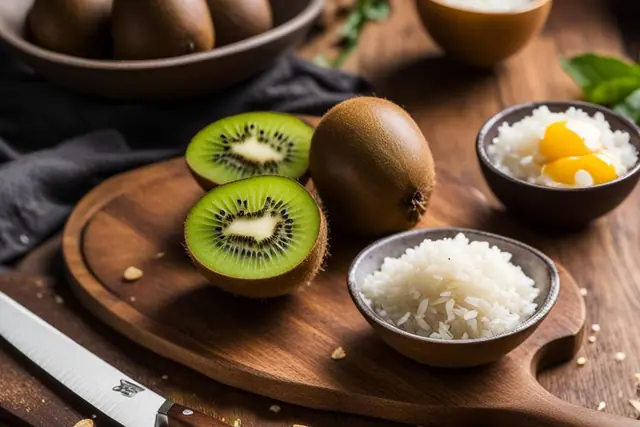
In this guide
- Understanding Kiwi Fruit and its Ripeness
- Ideal Conditions for Storing Ripe Kiwi
- Storing Unripe Kiwi for Ripening
- Preventing Overripening and Spoilage
- Freezing Kiwi for Long-Term Storage
- Tips for Buying Fresh Kiwi Fruit
- Storing Ripe Kiwi at Refrigerator Temperatures
- Storing Unripe Kiwi at Room Temperature
- Freezing Kiwi for Easy Storage
- Avoiding Common Storage Mistakes
- The Importance of Proper Kiwi Storage
- Tips for Choosing the Best Kiwi Fruit
- Understanding the Peak Growing Season
- Nutritional Facts of Kiwi Fruit
- Conclusion
- Source Links
- FAQ
Kiwi fruit is unique in its appearance and taste, and proper storage is essential to ensure that it stays fresh and ripe for longer. By following a few simple tips, you can enjoy juicy, ripe kiwi whenever you want.
Understanding Kiwi Fruit and its Ripeness
Kiwi fruit is a delightful and nutritious berry with a distinctive appearance and taste. To ensure that you store kiwi fruit properly, it's important to understand how to determine its ripeness. By following a few simple tips, you can enjoy the perfect kiwi whenever you desire.
When selecting kiwi fruit, look for firm, plump fruits with thin, fuzzy skin. Avoid kiwis with wrinkles, soft spots, or bruises, as these are signs of loss of moisture and quality. Ripe kiwis should feel soft to the touch and emit a fresh, fruity scent. The skin of a ripe kiwi can range in color from gold to brown. The flesh inside should be bright green and slightly soft, with black seeds evenly distributed throughout. Kiwi fruit is a delicate fruit, so be sure to handle it with care.
By understanding the characteristics of ripe kiwi fruit, you can easily determine its ripeness and make informed decisions when shopping or storing it. Knowing the signs of ripeness will help you select the perfect kiwi fruit and enjoy it at its peak flavor.
| Ripeness Indicators | Characteristics |
|---|---|
| External Appearance | Firm, plump fruit with thin, fuzzy skin |
| Skin Color | Gold to brown |
| Touch | Soft to the touch |
| Scent | Fresh, fruity aroma |
| Flesh | Bright green, slightly soft, evenly distributed black seeds |
Now that you have a better understanding of what to look for in a ripe kiwi, you can confidently enjoy this delicious fruit at its best. In the next section, we will explore the ideal conditions for storing ripe kiwi to maintain its peak ripeness and extend its shelf life.
Ideal Conditions for Storing Ripe Kiwi
If you have perfectly ripe kiwis, the best place to store them is in the refrigerator. The cool temperatures and controlled humidity will help maintain their peak ripeness for up to two weeks.
To ensure their freshness, it is important to properly package the ripe kiwis. Place them in a perforated plastic bag or loosely wrap them in plastic produce bags. This allows for proper airflow and prevents moisture buildup. It is important to avoid stacking anything on top of the kiwis, as this can cause them to become squashed and spoil quickly.
When storing ripe kiwis in the refrigerator, it is crucial to keep them away from ethylene-producing fruits such as apples and bananas. Ethylene gas can accelerate the ripening process of the kiwis and cause them to become overripe faster. By following these storage guidelines, you can prolong the freshness of your ripe kiwis and enjoy their delicious flavor for longer.
| Storage Tips for Ripe Kiwi |
|---|
| Store ripe kiwis in the refrigerator |
| Place them in a perforated plastic bag or loosely wrap them in plastic produce bags |
| Avoid stacking anything on top of the kiwis |
| Keep ripe kiwis away from ethylene-producing fruits |
Remember: Proper storage is essential to maintain the quality and freshness of ripe kiwis. By storing them in the refrigerator and following these storage tips, you can enjoy the perfect ripeness of kiwi fruit for an extended period.
Storing Unripe Kiwi for Ripening
When it comes to unripe kiwi, proper storage is essential to ensure they ripen naturally and develop their sweet, tangy flavor. Here are some tips for storing unripe kiwi:
Room Temperature Storage
Unripe kiwi should be stored at room temperature in a well-ventilated area. Place the unripe kiwis in a paper bag or fruit bowl, allowing them enough space to breathe. Avoid stacking anything on top of them as it can cause bruising. Keeping the kiwis at room temperature will allow them to ripen gradually.
Ethylene Gas
If you want to speed up the ripening process, you can place an apple or banana alongside the unripe kiwis. These fruits naturally produce ethylene gas, which promotes ripening. The ethylene gas emitted by the apple or banana will help accelerate the kiwis' ripening process, resulting in perfectly ripe fruit.
Check for Ripeness
To determine if the unripe kiwis are ripe and ready to eat, gently press your thumb against the skin. If it gives slightly and feels soft, the kiwi is ripe. It should have a slight give without being too mushy. Additionally, it should have a pleasant, fruity aroma.
Transfer to Refrigerator
Once your unripe kiwis have reached the desired level of ripeness, it's time to transfer them to the refrigerator. Place them in an airtight container to maintain their freshness and prevent them from overripening. Refrigerating the ripe kiwis will help extend their shelf life for up to four weeks.
By following these simple storage tips, you can ensure that your unripe kiwis ripen to perfection, allowing you to enjoy their delicious taste and vibrant flavor.
https://www.youtube.com/watch?v=5RjXWiDefc4
Preventing Overripening and Spoilage
When it comes to kiwi fruit, overripening and spoilage can quickly turn a delicious and juicy fruit into a mushy mess. To prevent this from happening, it's important to take a few precautions and follow some simple tips.
Regularly inspecting your kiwis for any signs of soft spots, cuts, bruises, or mold is crucial to catching potential spoilage early on. If you notice any of these signs, it's best to discard the kiwi to prevent it from affecting the others.
Another important tip is to store ripe kiwis in a single layer with enough room to breathe. Stacking or overcrowding them can lead to squashing and accelerated spoilage. By allowing them space, you can maintain their quality for longer.
Lastly, always store your ripe kiwis away from ethylene-producing fruits like apples and bananas. Ethylene is a ripening hormone that can cause kiwis to ripen too quickly, leading to overripeness and spoilage. Keeping them separate can help preserve their freshness for a longer period.
Table: Signs of Overripening and How to Prevent It
| Signs of Overripening | Prevention Tips |
|---|---|
| Mushy texture | Inspect kiwis regularly for soft spots and discard any overripe fruits. |
| Excessive squishiness | Store ripe kiwis in a single layer to avoid stacking and squashing. |
| Development of mold | Store kiwis away from ethylene-producing fruits to prevent accelerated ripening. |
By following these simple tips and paying attention to the signs of overripening, you can ensure that your kiwi fruit stays fresh, delicious, and enjoyable for a longer period of time.
Freezing Kiwi for Long-Term Storage
When it comes to storing kiwi fruit for an extended period, freezing is a convenient and effective method. Freezing kiwi not only helps preserve its freshness but also allows you to enjoy this delicious fruit throughout the year. To freeze kiwi, start by removing the skin. This can be done easily by cutting off the ends, inserting a spoon between the skin and the flesh, and gently peeling it off. Once the kiwi is peeled, you have two options: freezing it whole or slicing it.
If you choose to freeze kiwi whole, place the peeled fruits in a resealable bag to avoid freezer burn. Make sure to remove as much air as possible from the bag before sealing it. Alternatively, if you prefer sliced kiwi, lay the slices in a single layer on a baking tray lined with parchment paper. This will prevent the slices from sticking together during freezing. Once frozen solid, transfer the slices to a freezer bag or an airtight container.
Now, you may be wondering how long frozen kiwi can be stored. Well, when properly stored in the freezer, kiwi can last for up to a year. However, for the best flavor and texture, it is recommended to consume frozen kiwi within six months. Frozen kiwi is incredibly versatile and can be used in various ways. You can add frozen kiwi to smoothies, blend it into refreshing juices, or use it as a topping for desserts like ice cream or yogurt.
| Benefits of Freezing Kiwi | Drawbacks of Freezing Kiwi |
|---|---|
| 1. Extends the shelf life of kiwi | 1. Texture may change slightly after freezing |
| 2. Convenient storage option for future use | 2. Thawed kiwi may be slightly softer |
| 3. Retains the nutritional value of kiwi | 3. Freezer space may be limited |
Expert Tip:
Before freezing kiwi, it's recommended to enjoy it at its peak ripeness. Freezing can enhance the storage life of kiwi, but it won't improve the quality of an already overripe fruit. So, make sure to freeze kiwi when it is at its freshest and most flavorful.
By freezing kiwi, you can enjoy the taste of this delightful fruit even when it's out of season. Whether you're making smoothies or adding a burst of flavor to your favorite desserts, frozen kiwi is a convenient and versatile ingredient to have on hand. So go ahead, stock up on this delicious fruit, freeze it, and savor the refreshing goodness of kiwi all year round!
Tips for Buying Fresh Kiwi Fruit
When it comes to buying fresh kiwi fruit, there are a few key factors to consider. By paying attention to the texture, blemishing, timing, and smell, you can ensure that you choose the best kiwis for your enjoyment.
Texture
When selecting kiwi fruit, it's important to look for fruits with firm, smooth skin. Avoid kiwis that are wrinkly or mushy, as these are signs of overripeness or spoilage. A perfectly ripe kiwi should feel slightly soft when pressed, but not excessively soft or squishy.
Blemishing
Inspect the kiwi fruit for any bad blemishes, cuts, or bruises. These can indicate a loss of quality and nutrients. Choose kiwis that are free from any obvious damage and have a smooth, unblemished appearance.
| Tip | Key Point |
|---|---|
| Texture | Look for firm, smooth skin |
| Blemishing | Avoid kiwis with bad blemishes, cuts, or bruises |
| Timing | Press lightly to check ripeness |
| Smell | Choose kiwis with a pleasant, fruity scent |
Timing
Timing is also crucial in selecting the perfect kiwi fruit. Press lightly against the center of the kiwi to determine its ripeness. A ripe kiwi should give slightly and feel soft to the touch. If it feels too firm, it may need more time to ripen. If it feels too soft, it is likely overripe and should be avoided.
Smell
A fresh kiwi fruit will have a pleasant, fruity scent. Take a moment to smell the kiwis before purchasing them. If they have a strong or unpleasant odor, it may indicate that they are past their prime and not suitable for consumption.
By considering the texture, blemishing, timing, and smell of kiwi fruit, you can make an informed decision and choose the best kiwis for a delightful and flavorful experience.
Storing Ripe Kiwi at Refrigerator Temperatures
When it comes to storing ripe kiwi, the refrigerator is your best friend. Refrigerator temperatures ranging from 32-35 degrees Fahrenheit provide the ideal environment for maintaining the peak ripeness of your kiwis. To ensure freshness, store your ripe kiwis in an airtight container, such as a plastic bag or sealed container.
It's important to give your ripe kiwis some breathing room, so avoid stacking anything on top of them. The container should be loosely sealed or perforated to allow for proper airflow. By storing ripe kiwis in the refrigerator, you can extend their shelf life for up to 5 to 10 days, ensuring that you can enjoy their juicy, flavorful goodness whenever you crave.
| Storage Method | Temperature | Duration |
|---|---|---|
| Refrigerator | 32-35 degrees Fahrenheit | 5 to 10 days |
Remember, ripe kiwis are delicate, so handle them with care. Avoid excessive pressure or squeezing, as it can lead to bruising or spoilage. Also, be mindful of storing ripe kiwis alongside ethylene-producing fruits like apples or bananas, as this can accelerate the ripening process and shorten their shelf life. Keep them separate to maintain their freshness for as long as possible.
So, when your kiwis have reached their perfect ripeness, don't hesitate to store them in the refrigerator to maintain their peak flavor and texture. With proper storage, your ripe kiwis will be ready to enjoy whenever you desire.
Storing Unripe Kiwi at Room Temperature
When it comes to storing unripe kiwi, room temperature is key. By allowing them to ripen naturally, you can ensure optimal flavor and texture. To kickstart the ripening process, store unripe kiwis in a paper bag with an apple or banana. These fruits release ethylene gas, which speeds up the ripening process. Remember to keep the unripe kiwis in a single layer and seal the paper bag loosely to retain moisture.
Avoid placing unripe kiwis in the refrigerator, as cold temperatures can delay ripening. Instead, find a cool spot in your kitchen or pantry. Keep in mind that unripe kiwis typically take about 3 to 5 days to ripen.
Once the unripe kiwis have reached their desired ripeness, it's important to transfer them to the refrigerator. This will help preserve their freshness and prevent overripening. With proper storage, ripe kiwis can last in the refrigerator for about 5 to 7 days.
| Unripe Kiwi Storage Tips | Room Temperature | Refrigerator |
|---|---|---|
| Temperature | Approximately 65°F to 75°F (18°C to 24°C) | Approximately 32°F to 35°F (0°C to 2°C) |
| Ripening Time | 3 to 5 days | N/A |
| Storage Duration | N/A | About 5 to 7 days |
By following these storage tips, you can ensure that your unripe kiwis ripen perfectly and your ripe kiwis stay fresh and delicious for longer.
Freezing Kiwi for Easy Storage
Freezing kiwi is a simple and convenient method to ensure that you always have this delicious fruit on hand. Whether you have an abundance of ripe kiwis or want to stock up during the peak season, freezing them is a great way to extend their shelf life for up to a year. Here are some easy steps to freeze kiwi and maximize its storage:
- Peel and slice the kiwi: Start by peeling the kiwi and slicing it into small cubes or slices. This will make it easier to use the frozen kiwi in various recipes later.
- Arrange on a baking tray: Line a baking tray with parchment paper and place the kiwi slices in a single layer. Make sure there is enough space between each slice for even freezing.
- Freeze the slices: Place the baking tray with the kiwi slices in the freezer and let them freeze completely. This usually takes a few hours, but you can leave them overnight to ensure they are fully frozen.
- Transfer to airtight containers: Once the kiwi slices are frozen solid, transfer them to a zip-top bag or airtight container. Be sure to label the container with the date for easy identification later.
Frozen kiwi can be stored for up to a year without compromising its taste and texture. You can use frozen kiwi to add a burst of flavor to smoothies, juices, or even as a topping for desserts. Thaw the frozen kiwi in the refrigerator or simply add it directly to your favorite recipes. Enjoy the convenience of having frozen kiwi at your fingertips for a refreshing and nutritious treat!
Benefits of Freezing Kiwi
Freezing kiwi offers several benefits beyond simple storage. Here are a few key advantages:
- Convenience: Frozen kiwi allows you to enjoy this fruit at any time, regardless of its availability in the market. It eliminates the need to constantly replenish your supply of fresh kiwis.
- Extended shelf life: By freezing kiwi, you can extend its shelf life and prevent waste. This is especially useful if you have a surplus of ripe kiwis or want to stock up during the peak growing season.
- Versatility: Frozen kiwi can be used in a variety of recipes, from smoothies and juices to desserts and salads. It adds a refreshing and tangy flavor to any dish.
Freezing kiwi is a practical way to ensure that you always have this delectable fruit available whenever you need it. Follow these simple steps to freeze kiwi and enjoy its vibrant taste and nutritional benefits throughout the year.
Avoiding Common Storage Mistakes
Storing kiwi properly is essential to maintain its freshness and flavor. To avoid common storage mistakes, there are a few key points to keep in mind. Firstly, it's important not to freeze whole kiwis without removing the skin. Freezing with the skin intact can make it difficult to peel them once thawed. Instead, peel the kiwis before freezing them for easier handling and consumption.
Another common mistake is overcrowding or stacking kiwis during storage. When kiwis are packed too tightly, they can easily get squashed, leading to spoilage. To prevent this, store kiwis in a single layer with enough room to breathe. This will help maintain their shape and quality.
"Proper storage techniques are crucial to maintain the quality and freshness of kiwis."
Lastly, it's crucial to avoid storing kiwis near ethylene-producing fruits such as apples and bananas. Ethylene is a natural ripening hormone that can accelerate the ripening process of kiwis, causing them to spoil more quickly. To prevent this, store kiwis separately from other fruits and vegetables to maintain their freshness and extend their shelf life.
Common Storage Mistakes
To summarize, here are the common storage mistakes to avoid when storing kiwis:
- Do not freeze whole kiwis with the skin intact
- Avoid overcrowding or stacking kiwis
- Store kiwis separately from ethylene-producing fruits
By following these tips, you can ensure the proper storage of kiwis and enjoy their freshness and flavor for longer periods of time.
The Importance of Proper Kiwi Storage
Proper storage of kiwi is crucial for maintaining its freshness and flavor. Kiwis are unique fruits that continue to ripen after being picked, so storing them correctly can slow down or speed up the ripening process, depending on their current state. Whether your kiwis are ripe, unripe, or you're planning to freeze them for long-term storage, following the right storage techniques is essential to enjoy juicy, ripe kiwis whenever you want.
When it comes to storing ripe kiwis, the refrigerator is your best friend. The cool temperatures ranging from 32-35 degrees Fahrenheit help maintain the fruit's peak ripeness for up to two weeks. To properly store ripe kiwis, place them in a perforated plastic bag or loosely wrap them in plastic produce bags, ensuring they have enough space to breathe. Avoid storing ripe kiwis alongside ethylene-producing fruits like apples and bananas, as this can accelerate the ripening process.
On the other hand, if your kiwis are still unripe and slightly firm, storing them at room temperature is the way to go. Keep them in a paper bag or fruit bowl, making sure they have enough space to breathe. If you don't have a paper bag, simply place them on the counter, but avoid stacking anything on top of them. To speed up the ripening process, you can store unripe kiwis with an apple or banana, as they release ethylene gas, a hormone that helps fruits ripen.
Freezing is another excellent option for long-term storage of kiwi. To freeze whole kiwis, remove the skin first and place them in a resealable bag to avoid freezer burn. Alternatively, slice the kiwis and lay them in a single layer on a baking tray lined with parchment paper. Once frozen, transfer the slices to a freezer bag or airtight container. Frozen kiwi can be stored for up to a year and is perfect for adding to smoothies or using as a refreshing dessert topping.
| Storage Method | Temperature | Durations |
|---|---|---|
| Refrigerator | 32-35 degrees Fahrenheit | Up to 2 weeks |
| Room temperature | Around 70 degrees Fahrenheit | Until ripe (usually within a few days) |
| Freezing | 0 degrees Fahrenheit or below | Up to 1 year |
"Proper storage is essential to maximize the freshness and flavor of kiwi. By following the right techniques, you can enjoy ripe, juicy kiwis whenever you desire."
Tips for Choosing the Best Kiwi Fruit
When it comes to choosing the best kiwi fruit, there are a few key factors to consider. By selecting the right kiwis, you can ensure that you're getting the most delicious and flavorful fruit. To help you make the best choice, here are some tips for choosing the best kiwi fruit:
- Look for large, plump fruits: Opt for kiwis that are large and plump, as they tend to be juicier and more flavorful.
- Check the skin: The skin of a kiwi should be thin and fuzzy with a brown color. Avoid kiwis with wrinkled or soft skin, as this can indicate that they are overripe.
- Inspect for blemishes: Examine the kiwi for any blemishes, cuts, or bruises. A high-quality kiwi should be free from any visible damage.
- Consider the aroma: Take a whiff of the kiwi fruit. It should have a pleasant, fruity scent. Avoid kiwis with a sour or strong smell.
By following these tips, you can select the best kiwi fruit for your enjoyment. Whether you're eating it raw or using it in fruit salads, choosing high-quality kiwis will enhance your culinary experience.
"The skin of a kiwi should be thin and fuzzy with a brown color."
For a visual summary of the tips for choosing the best kiwi fruit, refer to the table below:
| Tip | Description |
|---|---|
| Look for large, plump fruits | Select kiwis that are large and plump for a juicier and more flavorful experience. |
| Check the skin | Avoid kiwis with wrinkled or soft skin, as this can indicate overripeness. |
| Inspect for blemishes | Choose kiwis that are free from any visible damage, such as cuts or bruises. |
| Consider the aroma | Opt for kiwis with a pleasant, fruity scent, and avoid those with a sour or strong smell. |
By keeping these tips in mind and referring to the table, you can confidently select the best kiwi fruit for your culinary creations.
Understanding the Peak Growing Season
When it comes to enjoying the freshest and most flavorful kiwi fruit, it's essential to understand the peak growing season. By knowing when kiwis are at their best, you can make informed decisions about buying and storing them.
In the United States, kiwi fruit is available domestically from October through May. However, the peak season for kiwis in California occurs during the months of December and January. During this time, you are more likely to find an abundance of fresh and delicious kiwis in the market.
By purchasing kiwis during the peak growing season, you can enjoy the benefits of their optimal flavor and texture. Whether you're adding them to fruit salads, blending them into smoothies, or enjoying them on their own, kiwis are a delicious and nutritious choice.
| Kiwi Growing Season | Peak Months |
|---|---|
| United States | October - May |
| California | December - January |
Make the most of this peak growing season by incorporating kiwis into your diet. Their vibrant green flesh, sweet flavor, and refreshing juiciness make them a perfect addition to any meal or snack.
Nutritional Facts of Kiwi Fruit
Kiwi fruit is not only delicious but also packed with essential nutrients that contribute to a well-rounded and nutritious diet. Let's take a look at the nutritional composition of kiwi fruit:
| Nutrient | Amount per 1/2 cup serving |
|---|---|
| Calories | 55 kcal |
| Protein | 1.03g |
| Carbohydrates | 13.19g |
| Fat | 0.47g |
| Saturated Fat | 0.028g |
| Cholesterol | 3mg |
| Iron | 0.28mg |
| Vitamin C | 83.4mg |
| Vitamin A | 3 RAE |
| Calcium | 31mg |
| Sodium | 3mg |
| Dietary Fiber | 2.7g |
Kiwi fruit is a low-calorie food, making it a great addition to a balanced diet. It is rich in dietary fiber, which aids in digestion and helps maintain a healthy weight. The fruit also contains a significant amount of vitamin C, which is essential for boosting the immune system and promoting collagen production for healthy skin.
“Kiwi fruit is not only delicious but also packed with essential nutrients that contribute to a well-rounded and nutritious diet.”
Furthermore, kiwi fruit is a good source of vitamin A, which supports eye health, and iron, which is important for carrying oxygen throughout the body. It also contains small amounts of calcium, sodium, and cholesterol.
Incorporating kiwi fruit into your diet is a smart choice for those looking to enjoy a tasty snack while reaping the numerous health benefits it offers.
Conclusion
Properly storing kiwi fruit is crucial to preserve its freshness and maximize its flavor. By following the tips outlined in this article, you can ensure that your kiwis stay at the peak of their ripeness, whether they are already ripe, unripe, or frozen.
When buying fresh kiwi fruit, remember to consider its texture, blemishing, timing, and smell. Firm, smooth skin, and a fresh, fruity scent indicate a delicious kiwi. Storing ripe kiwi in the refrigerator in an airtight container will extend its shelf life for up to 10 days, while allowing unripe kiwis to ripen naturally at room temperature will yield the best results. And if you need to store kiwi for the long term, freezing it is a convenient option that preserves its taste and quality for up to a year.
By understanding and implementing these storage techniques, you can enjoy the delightful juiciness and unique flavor of kiwi whenever you desire. Remember to handle kiwis with care, avoid common storage mistakes, and regularly inspect them for signs of spoilage. With proper storage, you'll always have access to delicious, ripe kiwi for a refreshing snack, healthy smoothies, or delightful dessert toppings.
Source Links
- https://www.allrecipes.com/how-to-store-kiwi-8364272
- https://utopia.org/guide/how-to-store-kiwi-properly-fridge-and-counter/
- https://www.cde.ca.gov/ls/nu/fd/kiwi.asp
Frequently asked questions
- How should I store ripe kiwi?
The best place to store ripe kiwi is in the refrigerator. Place them in a perforated plastic bag or loosely wrap them in plastic produce bags, making sure not to stack anything on top of them. Avoid storing them alongside ethylene-producing fruits like apples and bananas. Ripe kiwi can last for up to two weeks in the refrigerator.
- How should I store unripe kiwi?
If the kiwis are still slightly firm and need more time to ripen, it's best to store them at room temperature. Keep them in a paper bag or fruit bowl, ensuring that they have enough space to breathe. Avoid storing unripe kiwis with ethylene-sensitive fruits. Once the unripe kiwis are perfectly ripe, transfer them to the refrigerator to maintain their freshness for up to four weeks.
- How can I prevent overripening and spoilage of kiwis?
To prevent overripening and spoilage, regularly inspect the kiwis for any signs of soft spots, cuts, bruises, or mold. If the kiwi feels excessively soft or squishes easily, it's overripe and should be discarded. Store ripe kiwis in a single layer with enough room to breathe.
- How can I freeze kiwi for long-term storage?
To freeze kiwi, peel and slice it into small cubes or slices. Arrange the slices in a single layer on a parchment-lined baking tray and place it in the freezer. Once frozen solid, transfer the kiwi slices to a zip-top bag or airtight container. Frozen kiwi can be stored for up to a year and is perfect for adding to smoothies or thawing for a refreshing treat.
- What are some common storage mistakes to avoid?
Avoid freezing whole kiwi without removing the skin, as it can become difficult to peel after thawing. Also, don't overcrowd or stack kiwis, as this can lead to squashing and spoilage. Additionally, avoid storing kiwis near ethylene-producing fruits like apples or bananas, as it can cause rapid ripening and spoilage.
AprilCook, recipe developer and the heart of Chefwiz. More about April