Guide
How to Freeze Pasta Sauce for Quick Meals
Discover how to freeze pasta sauce for healthy, homecooked meals on demand. Simple steps for sustainable eating. Your future self will thank you!
 By April20 min read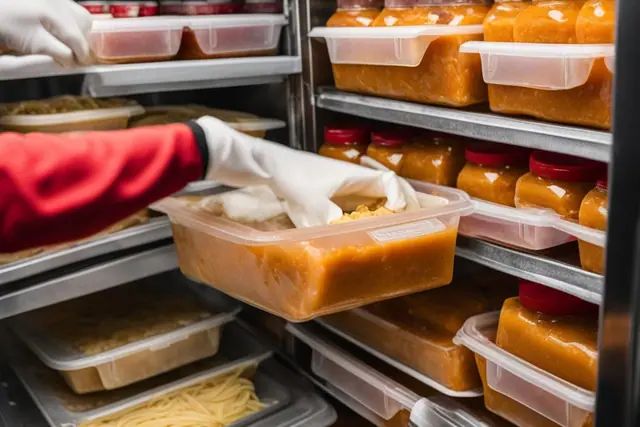
In this guide
- Tips for Freezing Pasta Sauce
- Freezing Times for Pasta Sauces
- Thawing and Reheating Frozen Pasta Sauce
- Recipes for Make-Ahead Pasta Sauces
- How to Freeze Creamy Pasta Sauces
- Tips for Labeling Frozen Pasta Sauces
- Benefits of Freezing Pasta Sauce
- Tips and Tricks for Freezing Pasta Sauce
- The Versatility of Frozen Pasta Sauce
- Sauces That Should Not Be Frozen
- Proper Storage and Packaging for Frozen Pasta Sauce
- The Joy of Having Pasta Sauce on Demand
- Conclusion
- Source Links
- FAQ
Freezing pasta sauce is a convenient way to have homemade meals ready in no time. Whether you're meal prepping for the week or planning for leftovers, freezing pasta sauce allows you to enjoy the convenience of having it readily available for quick and easy meals. In this article, I will guide you through the steps on how to freeze pasta sauce effectively.
Tips for Freezing Pasta Sauce
When it comes to freezing pasta sauce, there are a few key tips to keep in mind to ensure optimal results and long-term preservation. Here are some helpful tips to guide you through the process:
- Cool it Down: Before freezing your pasta sauce, make sure it has completely cooled down. This helps maintain food safety and prevents the sauce from spoiling during the freezing process.
- Choose the Right Container: Select suitable containers that are freezer-safe, such as Tupperware or plastic containers. Ensure the containers are tightly sealed to prevent air exposure and freezer burn.
- Proper Portioning: Consider portioning the sauce according to your needs. You can use ice cube trays for small amounts or snack-size freezer bags for larger quantities. Squeeze out excess air to prevent freezer burn.
- Labeling: Don't forget to label each container with the name and date. This will help you keep track of the contents and ensure that you use them within a reasonable time frame.
To visually summarize these tips, refer to the table below:
| Tips for Freezing Pasta Sauce |
|---|
| Cool the sauce before freezing |
| Use freezer-safe containers |
| Portion the sauce according to your needs |
| Label each container with the name and date |
By following these tips, you can ensure that your pasta sauce remains frozen and preserved for future use. Whether you're looking to meal prep, save time, or have a stockpile of flavorful sauces at your disposal, freezing pasta sauce is a convenient and practical solution.
Freezing Times for Pasta Sauces
When it comes to freezing pasta sauces, there are a few things to keep in mind to ensure optimal storage and quality. Homemade pasta sauces can generally be stored in the freezer for up to 6 months, although it's important to note that the flavors may diminish after that time. By freezing pasta sauces, you can save time in the kitchen and have a stockpile of ready-to-use sauces on hand for quick and convenient meals.
Freezing times for pasta sauces may vary depending on the recipe and the size of the portions. It's a good idea to portion the sauce according to how you plan to use it. For example, if you often make small pasta dishes or use sauce as a flavor enhancer, freezing small portions in ice cube trays or snack-size freezer bags can be a convenient option. If you prefer larger servings or want to have a family-sized portion ready for a meal, quart-size zip-top plastic bags or plastic containers may be more suitable.
To help you plan your freezer storage and make-ahead meals, here's a table with estimated freezing times for different types of pasta sauces:
| Type of Sauce | Freezing Time |
|---|---|
| Tomato Sauce | 6 months |
| Marinara Sauce | 6 months |
| Bolognese Sauce | 6 months |
| Alfredo Sauce | 4-6 months |
| Creamy Mushroom Sauce | 4-6 months |
| Pesto Sauce | 4-6 months |
Remember that these freezing times are estimates and can vary depending on factors such as the specific recipe, storage conditions, and personal preferences. It's always a good idea to label each container with the name and date to keep track of the contents and ensure they are used within a reasonable time frame.
Thawing and Reheating Frozen Pasta Sauce
To enjoy the convenience of frozen pasta sauce, proper thawing and reheating techniques are essential. Here are some tips and cooking tips to ensure the best results:
- Thawing in the refrigerator: The best method for thawing frozen pasta sauce is to defrost it slowly in the refrigerator. Simply place the container of sauce in the refrigerator overnight, allowing it to thaw gradually. This method ensures that the sauce stays at a safe temperature during the thawing process.
- Thawing under cold water: If you need to thaw the sauce quickly, you can place the container in a large bowl in the sink and run cold water over it until it thaws. However, be sure to avoid using hot water, as it can raise the temperature of the food to unsafe levels.
- Reheating on the stove top: Once the sauce is thawed, you can reheat it on the stove top over low heat. Simply place the thawed sauce in a saucepan and heat it gently, stirring occasionally, until it reaches the desired temperature.
- Reheating in the microwave: Alternatively, you can reheat the thawed sauce in the microwave. Transfer the sauce to a microwave-safe bowl, cover it with a microwave-safe lid or plastic wrap, and heat it in short intervals, stirring between each interval, until it is heated through.
It's important to note that creamy pasta sauces may require some extra whisking to come back together after freezing and reheating. The freezing process can cause some separation, but with a little whisking, the sauce will regain its creamy consistency.
By following these thawing and reheating tips, you can enjoy the convenience of frozen pasta sauce without compromising on flavor or quality.
https://www.youtube.com/watch?v=FM8tQpiLY04
| Thawing Methods | Advantages | Disadvantages |
|---|---|---|
| Refrigerator Thawing | - Safest method - Allows gradual thawing |
- Requires advance planning |
| Cold Water Thawing | - Quicker thawing option | - Requires supervision - Can result in uneven thawing |
| Stove Top Reheating | - Allows for even heating - Can add additional flavors while reheating |
- Requires constant monitoring - Can result in overcooking if not watched closely |
| Microwave Reheating | - Convenient and quick - Provides even heating if stirred regularly |
- Can cause uneven heating if not stirred - May alter the texture of the sauce |
Table: Thawing and Reheating Methods for Frozen Pasta Sauce
Recipes for Make-Ahead Pasta Sauces
When it comes to pasta sauces, the possibilities are endless. From classic tomato sauce to rich and meaty Bolognese, Italian cuisine offers a wide range of delicious options. In this section, I will share some tried and tested recipes for make-ahead pasta sauces that can be frozen for future use.
The Recipes:
1. Classic Tomato Sauce: This versatile sauce is a staple in Italian cooking. To make it, sauté onions and garlic in olive oil until fragrant. Add canned tomatoes, tomato paste, and a combination of Italian herbs, such as basil, oregano, and thyme. Simmer the sauce for about 30 minutes to allow the flavors to meld together. Let the sauce cool completely before transferring it to freezer-safe containers.
2. Marinara Sauce: Similar to tomato sauce, marinara is a simple and quick option. In a saucepan, heat olive oil and sauté garlic until golden. Add crushed tomatoes, a pinch of red pepper flakes, and fresh basil leaves. Simmer the sauce for 15-20 minutes, stirring occasionally. Once cooled, divide the sauce into portions and freeze them for later use.
3. Bolognese Sauce: This hearty meat sauce is perfect for pasta dishes. Start by browning ground beef and Italian sausage in a large pot. Add diced onions, carrots, and celery to the pot and cook until softened. Pour in crushed tomatoes, tomato paste, red wine, and a bay leaf. Let the sauce simmer for a couple of hours to develop the flavors. Allow the sauce to cool before freezing it in portions.
These make-ahead pasta sauces can be stored in the freezer for up to 6 months. When you're ready to enjoy a delicious pasta meal, simply thaw the sauce in the refrigerator overnight or heat it directly from frozen on the stove top. With these recipes on hand, you'll never have to rely on store-bought sauces again!
How to Freeze Creamy Pasta Sauces
Freezing creamy pasta sauces, such as Alfredo sauce, is a great way to preserve them for future use. While the texture of creamy sauces may change slightly after freezing and thawing, they can still be enjoyed in various dishes. Here are a few tips for freezing and preserving creamy pasta sauces:
- Cool the sauce: Allow the creamy sauce to cool completely before packaging it for freezing. This will help maintain its flavor and prevent bacterial growth.
- Choose the right container: Use freezer-safe containers to store the creamy sauce. Tupperware or plastic containers with tight lids work well for this purpose.
- Portion the sauce: Divide the sauce into smaller portions before freezing. This will allow you to thaw only the amount you need for each meal.
- Label and date the containers: Don't forget to label each container with the name of the sauce and the date of freezing. This will help you keep track of the contents and ensure you use them within a reasonable time frame.
Example Table: Freezing Creamy Pasta Sauces
| Step | Description |
|---|---|
| 1 | Cool the sauce completely before freezing. |
| 2 | Choose freezer-safe containers with tight lids. |
| 3 | Divide the sauce into smaller portions for easy thawing. |
| 4 | Label each container with the sauce name and freezing date. |
Freezing creamy pasta sauces like Alfredo sauce is a convenient way to have homemade meals on hand. The sauces may have a slightly different texture after freezing, but they can still be enjoyed in various dishes.
When you're ready to use the frozen creamy sauce, thaw it in the refrigerator overnight. Once thawed, reheat the sauce on the stove top, whisking it back together to ensure a smooth consistency. Creamy pasta sauces can be a delicious addition to your favorite pasta dishes, providing a creamy and indulgent flavor.
Tips for Labeling Frozen Pasta Sauces
When it comes to freezing pasta sauce, proper labeling is key. By clearly marking your containers with the name and date, you'll be able to easily identify the contents and ensure that you're using them within a reasonable time frame. Additionally, including any specific instructions or cooking tips on the label can be a helpful reminder for future use.
Labeling your frozen pasta sauces not only helps with organization and meal planning, but it also saves you from any potential confusion down the line. Whether you have multiple types of sauces or different batches made at various times, having clear labels will prevent any mix-ups and ensure that you're enjoying the sauce at its best quality.
When it comes to labeling, there are a few key pieces of information to include. Firstly, make sure to write the name of the sauce on the label so that you can easily identify it later. You should also include the date that the sauce was frozen, as this will help you keep track of its freshness. And if there are any specific instructions or cooking tips that you want to remember, be sure to jot those down as well.
Table:
| Sauce | Date Frozen | Instructions |
|---|---|---|
| Marinara | 11/15/2021 | Thaw in the fridge overnight |
| Alfredo | 12/01/2021 | Reheat gently on the stove |
| Pesto | 12/10/2021 | Add a splash of olive oil before serving |
By taking the time to label your frozen pasta sauces, you'll have peace of mind knowing exactly what you have on hand and how to best enjoy it. Whether you're preparing meals in advance or simply looking for a quick and easy dinner option, proper labeling is an essential step in freezing and preserving your pasta sauces.
Benefits of Freezing Pasta Sauce
Freezing pasta sauce offers several benefits that make it a convenient and time-saving option for meal planning and easy dinners:
- Convenience: By freezing pasta sauce, you can have ready-to-use sauces on hand whenever you need them. This eliminates the need for last-minute meal preparation and allows for quick and easy dinners.
- Meal Planning: Freezing pasta sauce allows you to prepare sauces in advance, making meal planning a breeze. You can batch cook and stockpile sauces, ensuring that you always have a variety of options available for different pasta dishes.
- Easy Dinners: With frozen pasta sauce, you can easily whip up a delicious meal in no time. Simply defrost the sauce and pair it with cooked pasta for a quick and satisfying dinner.
- Stockpile: Freezing pasta sauce allows you to create a stockpile of sauces, saving you time and effort in the kitchen. Having a variety of frozen sauces on hand gives you the flexibility to create different meals without starting from scratch every time.
- Batch Cooking: When you freeze pasta sauce, you can take advantage of batch cooking. Prepare a large quantity of sauce at once and portion it out for future use. This saves time and energy, especially on busy days when you don't have the time or energy to cook from scratch.
Overall, freezing pasta sauce is a practical and efficient way to ensure that you always have a homemade meal at your fingertips. It provides convenience, allows for easy meal planning, and saves time in the kitchen. With the ability to stockpile and batch cook sauces, you can enjoy delicious pasta dishes with minimal effort.
Tips and Tricks for Freezing Pasta Sauce
If you find yourself with leftover pasta sauce, don't let it go to waste! Freezing pasta sauce is a great way to preserve those extra portions for future use. Here are some tips and tricks to ensure that your frozen sauce stays flavorful and easy to reheat:
- Use leftover sauce to prevent waste and save money. Instead of throwing away those extra servings, simply freeze them for later use. This is a great way to stretch your meals and make the most out of your ingredients.
- When reheating frozen sauce, simmer it on the stovetop. This gentle heat will gradually thaw the sauce and allow the flavors to meld together. Avoid using high heat, as this can cause the sauce to burn or become watery.
- Thaw frozen sauce in the refrigerator overnight. This slow thawing process ensures that the sauce stays at a safe temperature and prevents any potential bacterial growth. Simply take the sauce out of the freezer the night before you plan to use it and let it thaw in the fridge.
- Don't be afraid to get creative with your sauce ingredients. Frozen pasta sauce can be a great flavor enhancer or taste enhancer for other dishes. Add a dollop of thawed sauce to soups, stews, or casseroles to give them a boost of flavor.
I love freezing pasta sauce because it allows me to have a quick and delicious meal on hand whenever I need it. Whether I'm using leftover sauce or making a big batch to freeze, I know that I can rely on my frozen pasta sauce to add flavor and convenience to my meals. Plus, it's a great way to experiment with different sauce ingredients and create unique flavors. So, the next time you find yourself with extra sauce, give freezing a try and see how it can enhance your mealtime!
Summary:
Freezing pasta sauce is a smart way to prevent waste and have a quick meal solution on hand. By using leftover sauce and freezing it properly, you can save money and enjoy the convenience of having a flavorful sauce ready to go. Reheating frozen sauce on the stovetop and thawing it in the refrigerator ensures that it retains its taste and texture. Don't be afraid to get creative with your sauce ingredients and use thawed sauce to enhance other dishes. Freezing pasta sauce is a simple yet effective way to add convenience and flavor to your meals!
| Tips and Tricks for Freezing Pasta Sauce |
|---|
| Use leftover sauce to prevent waste and save money. |
| When reheating frozen sauce, simmer it on the stovetop. |
| Thaw frozen sauce in the refrigerator overnight. |
| Don't be afraid to get creative with your sauce ingredients. |
The Versatility of Frozen Pasta Sauce
Frozen pasta sauce is not only a convenient option for quick meals, but it also offers a world of culinary possibilities. With a little creativity and experimentation, you can use frozen pasta sauce to create a variety of delicious recipes. Whether you're looking to make a classic pasta dish, a comforting soup or stew, or even a gourmet pizza, frozen pasta sauce can be the secret ingredient that elevates your culinary creations.
When it comes to using frozen pasta sauce, the recipe options are endless. You can start by simply thawing the sauce and tossing it with your favorite pasta for a quick and easy meal. Add some fresh herbs, grated cheese, or a drizzle of olive oil to enhance the flavors. If you're feeling adventurous, you can use frozen pasta sauce as a base for a homemade soup or stew. Simply thaw the sauce, add some broth, vegetables, and protein of your choice, and let it simmer to perfection.
Another way to unleash the versatility of frozen pasta sauce is by using it as a topping for homemade pizza. Spread the thawed sauce over your pizza dough, and then add your favorite toppings, such as cheese, vegetables, and meats. Bake it in the oven until the crust is golden brown and the cheese is melted and bubbly. The result? A gourmet pizza that will impress even the most discerning palates.
| Recipe Name | Steps | Instructions |
|---|---|---|
| Pasta Primavera | 1. Cook pasta according to package instructions. 2. In a skillet, sauté your favorite vegetables until tender. 3. Add thawed pasta sauce to the skillet and heat through. 4. Toss the sauce with the cooked pasta. 5. Serve with grated Parmesan cheese. |
- Use a mix of colorful vegetables like bell peppers, zucchini, and cherry tomatoes for added flavor and visual appeal. - Feel free to customize the recipe by adding protein, such as cooked chicken or shrimp. |
| Italian Wedding Soup | 1. In a pot, combine thawed pasta sauce and chicken broth. 2. Bring the mixture to a boil. 3. Add cooked meatballs, chopped spinach, and cooked pasta. 4. Simmer for a few minutes until the flavors meld together. 5. Serve hot with a sprinkle of grated Parmesan cheese. |
- For a vegetarian version, use vegetable broth and substitute the meatballs with cooked white beans. - Feel free to add other ingredients like carrots, celery, and onions for more depth of flavor. |
These are just a few examples of how you can use frozen pasta sauce in your cooking. Feel free to experiment with different techniques, ingredients, and flavors to create your own signature dishes. With a stockpile of frozen pasta sauce in your freezer, you'll always have a quick and delicious meal at your fingertips.
Sauces That Should Not Be Frozen
While most pasta sauces can be successfully frozen, there are some sauces that are best enjoyed fresh and should not be frozen. Homemade sauces, canned sauces, and jarred sauces are examples of sauces that are readily available and do not require freezing for long-term storage. These sauces have already gone through a preservation process during their production and are designed to have a long shelf life without the need for freezing.
Homemade sauces, such as those made from scratch using fresh ingredients, are best enjoyed immediately or stored in the refrigerator for short-term use. The flavors and textures of homemade sauces may change when frozen, and they may not retain the same quality as when freshly made. It's best to savor the flavors of homemade sauces while they are at their peak.
Canned sauces and jarred sauces, on the other hand, are already packaged and preserved for long-term storage. These sauces have undergone a specific canning process that ensures their safety and quality. Freezing these already preserved sauces can lead to changes in taste, texture, and overall quality. It's recommended to follow the instructions on the packaging of canned or jarred sauces to maximize their shelf life without the need for freezing.
When it comes to sauces that should not be frozen, it's important to understand that it's not a matter of safety but rather of taste and quality. These sauces are already designed to have a longer shelf life, and freezing them may compromise their flavors and overall appeal. So, while it's tempting to freeze every sauce for convenience, it's best to enjoy these particular sauces fresh.
| Sauce | Best enjoyed | Not recommended for freezing |
|---|---|---|
| Homemade sauce | Immediately or stored in the refrigerator for short-term use | Quality may change when frozen |
| Canned sauce | As packaged | May lead to changes in taste, texture, and overall quality |
| Jarred sauce | As packaged | May compromise flavors and overall appeal |
So, when it comes to preserving your favorite pasta sauces, it's important to know which ones are best for freezing and which ones are best enjoyed fresh. By understanding the unique qualities of each sauce and following proper storage guidelines, you can ensure that your pasta sauces are always at their best, whether frozen or enjoyed right away.
Proper Storage and Packaging for Frozen Pasta Sauce
When it comes to preserving your homemade pasta sauce for long-term storage, proper storage and packaging techniques are essential. Following these guidelines will ensure that your sauce maintains its quality and flavor even after being frozen. Here are some tips to help you store and package your frozen pasta sauce effectively:
- Choose the right containers: Use freezer-safe containers such as Tupperware, plastic containers, or freezer bags. These containers will prevent freezer burn and maintain the integrity of your sauce.
- Tightly seal the containers: When packaging your sauce, make sure to tightly seal the containers to prevent air exposure. This will help preserve the flavor of the sauce and prevent any potential contamination.
- Label the containers: It's important to label each container with the name and date of the sauce. This will help you keep track of the contents and ensure that you use them within a reasonable time frame.
- Arrange containers in an organized manner: Organize your containers in a way that makes it easy for you to locate and access them when needed. Consider arranging them in a single layer or stacking them neatly to save space.
By following these storage and packaging techniques, you can ensure that your frozen pasta sauce remains fresh and delicious for an extended period. Proper preservation will allow you to enjoy homemade sauces whenever you need them, saving you time and effort in the kitchen.
The Joy of Having Pasta Sauce on Demand
Freezing pasta sauce is a game-changer when it comes to mealtime convenience. With a little bit of planning and preparation, you can have delicious homemade pasta sauce on demand, ready to elevate your quick meals to a whole new level. Whether you're a busy parent, a college student, or simply someone who appreciates the convenience of make-ahead dishes, freezing pasta sauce is a time-saving strategy that will make your life easier.
Imagine coming home after a long day and not having to worry about spending hours in the kitchen. Instead, you can simply reach into your freezer and pull out a container of perfectly preserved pasta sauce that tastes just as good as the day it was made. With a few simple steps, you can have a stockpile of flavorful sauces at your fingertips, ready to be paired with your favorite pasta or used as a base for other dishes.
By freezing pasta sauce, you not only save time but also cut down on food waste. You can make larger batches of sauce and store them in portioned containers, ensuring that you always have just the right amount for your needs. No more half-empty jars of sauce going bad in the fridge or having to throw away leftovers that have been forgotten. With frozen pasta sauce, you have the power to control your portions and reduce unnecessary waste.
The Benefits of Freezing Pasta Sauce
- Convenience: Having pasta sauce on hand means you can whip up a quick and delicious meal in no time. No need to spend hours simmering a fresh batch of sauce every time you want pasta.
- Make-ahead: Freezing pasta sauce allows you to prepare meals in advance, making it easier to stick to your meal planning goals and saving you precious time during busy weekdays.
- Quick meals: With frozen pasta sauce, you can create a variety of quick and easy meals. From classic spaghetti and meatballs to creamy tomato penne, the possibilities are endless.
So the next time you find yourself craving a comforting bowl of pasta or need a quick and easy dinner option, remember the joy of having pasta sauce on demand. With a little bit of prep work and the magic of your freezer, you can enjoy the convenience of homemade pasta sauce whenever you want it.
Conclusion
In conclusion, freezing pasta sauce is a simple and effective method for preserving homemade sauces. By following proper techniques for cooling, packaging, and thawing, you can conveniently have pasta sauce on hand whenever you need it. Whether you're meal prepping, planning for leftovers, or looking to save time in the kitchen, frozen pasta sauce offers endless possibilities for quick and delicious meals.
With a variety of recipes and creative uses, frozen pasta sauce provides the convenience of having a stockpile of ready-to-use sauces. It allows you to easily whip up a homemade meal without the hassle of making sauce from scratch. Plus, freezing pasta sauce can help you save money by utilizing leftover sauce and preventing waste.
By labeling each container with the name and date, you can keep track of your frozen pasta sauce and ensure that you use it within a reasonable time frame. You can also include any specific instructions or cooking tips on the label for easy reference. So why not start freezing your pasta sauce today and enjoy the convenience of having delicious, homemade meals on demand?
Source Links
- https://www.allrecipes.com/article/how-to-freeze-pasta-sauce/
- https://www.tasteofhome.com/article/freezing-spaghetti-sauce-how-to/
- https://www.foodnetwork.com/how-to/packages/help-around-the-kitchen/how-freeze-homemade-sauce
Frequently asked questions
- How long can homemade pasta sauce be stored in the freezer?
Homemade pasta sauce can be stored in the freezer for about 6 months.
- How should I thaw frozen pasta sauce?
The best method for thawing frozen pasta sauce is to defrost it slowly in the refrigerator overnight.
- Can I reheat frozen pasta sauce?
Yes, you can reheat frozen pasta sauce by simmering it on the stove top.
- What are some popular pasta sauce recipes that can be frozen?
Some popular pasta sauce recipes that can be made ahead and frozen include classic tomato sauce, marinara sauce, and Bolognese sauce.
- Can creamy pasta sauces be frozen?
Yes, creamy pasta sauces, such as Alfredo sauce, can be frozen. Just whisk the sauce back together when reheating.
- How should I label frozen pasta sauce?
It's important to label each container with the name and date of the sauce.
- What are the benefits of freezing pasta sauce?
Freezing pasta sauce provides convenience by having it readily available for quick and easy meals. It also helps with meal planning and saves time in the kitchen.
- How can I use frozen pasta sauce?
Frozen pasta sauce can be used in a variety of recipes and culinary creations, such as pasta dishes, soups, stews, and even as a topping for pizzas.
- Are there any sauces that should not be frozen?
Homemade sauces, canned sauces, and jarred sauces are examples of sauces that are readily available and do not require freezing for long-term storage.
- What containers should I use to store frozen pasta sauce?
It's important to use suitable containers that are freezer-safe, such as Tupperware, plastic containers, or freezer bags.
- What is the joy of having pasta sauce on demand?
Having pasta sauce on demand allows for convenient and quick meal preparation, saving time in the kitchen.
AprilCook, recipe developer and the heart of Chefwiz. More about April