Guide
How to Cut a Bell Pepper: Techniques and Tips
Discover simple steps on how to cut a bell pepper and enhance your cooking skills. Learn these foolproof techniques that I have mastered just for you!
 By April21 min read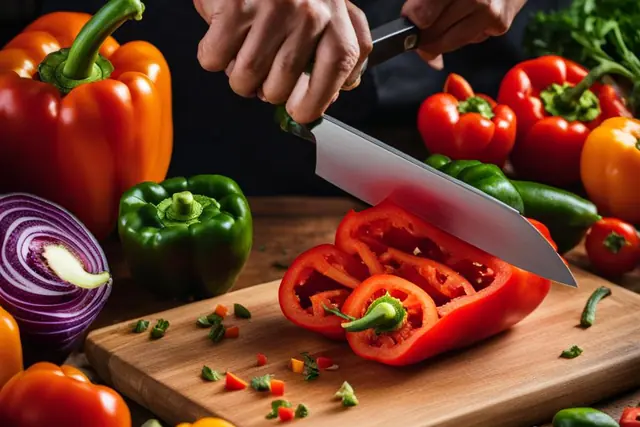
In this guide
- The Nutritional Profile of Bell Peppers
- How to Slice a Bell Pepper into Rings
- How to Slice a Bell Pepper into Strips
- How to Dice a Bell Pepper
- Differentiating Green, Yellow, and Red Bell Peppers
- Freezing Cut Bell Peppers
- Organic Bell Peppers vs. Conventional Bell Peppers
- Why Bell Peppers Are a Staple in the Kitchen
- The Importance of Using a Sharp Knife
- Tips for Selecting and Storing Bell Peppers
- Bell Pepper Recipes to Try
- The Benefits of Bell Pepper Consumption
- Tips for Cutting Bell Peppers without Making a Mess
- Conclusion
- Source Links
- FAQ
Cutting a bell pepper can be done in various ways to suit different recipes and presentations. From slicing it into rings to dicing it finely, mastering the techniques of cutting a bell pepper will enhance your cooking skills and open up a world of possibilities in the kitchen. In this article, I will guide you through the step-by-step process of cutting a bell pepper using different methods such as slicing, dicing, julienne, chopping, and mincing. Whether you are a beginner or an experienced cook, these tips and techniques will help you handle bell peppers with ease and precision.
The Nutritional Profile of Bell Peppers
Bell peppers are not only delicious but also packed with essential nutrients. They are a rich source of vitamin C, especially red bell peppers, which have even higher levels of this nutrient. Bell peppers also contain vitamin A, potassium, fiber, folic acid, and iron. These nutrients contribute to the overall health and well-being of the body. Adding bell peppers to your meals can help boost your immune system, promote healthy digestion, and support heart health.
Let's take a closer look at the nutritional benefits of bell peppers:
| Nutrient | Red Bell Peppers | Green Bell Peppers | Yellow Bell Peppers |
|---|---|---|---|
| Vitamin C | High | Moderate | Moderate |
| Vitamin A | Low | Low | Moderate |
| Potassium | Moderate | Low | Moderate |
| Fiber | Moderate | Moderate | Moderate |
| Folic Acid | Moderate | Low | Moderate |
| Iron | Low | Low | Low |
Bell peppers, regardless of color, provide a range of health benefits due to their vitamin and mineral content. Red bell peppers are particularly rich in vitamin C, which is essential for immune function and collagen production. Vitamin A, found in yellow bell peppers, supports eye health and proper cell growth. Potassium, present in all bell pepper varieties, helps maintain healthy blood pressure levels.
Fiber, another key nutrient in bell peppers, aids in digestion and can help promote feelings of fullness. Folic acid, also known as folate, is important for cell development and is particularly crucial for pregnant women. Lastly, iron, although present in smaller amounts in bell peppers, plays a role in oxygen transport throughout the body.
How to Slice a Bell Pepper into Rings
Slicing a bell pepper into rings is a simple and versatile technique that can add a pop of color and flavor to various dishes. Whether you want to create beautiful crudité plates, top off a delicious sandwich, or add a crispy texture to fried foods, bell pepper rings are the perfect choice. Here's a step-by-step guide on how to slice a bell pepper into rings:
- Start by laying the bell pepper on its side on a cutting board.
- Trim about half an inch from both the stem end and the bottom of the pepper.
- Run a knife around the inside of the pepper to remove the core.
- Slice the pepper thinly into rings.
Now you have beautifully sliced bell pepper rings that can elevate the presentation of your dishes. They can be used to create visually appealing crudité plates, stacked on top of sandwiches for added crunch, or even fried to perfection for a delicious snack. Bell pepper rings also make an excellent addition to dishes like chilis and ratatouilles, adding both flavor and color.
By mastering the art of slicing bell peppers into rings, you can enhance the visual appeal and flavor of your dishes. Get creative and explore the many ways you can incorporate these beautiful rings into your culinary creations.
How to Slice a Bell Pepper into Strips
Slicing a bell pepper into strips is a versatile technique that adds a pop of color and crunch to a variety of dishes. Whether you're looking to enhance a salad, add a vibrant element to crudité plates, or incorporate bell pepper strips into sautés, chilis, soups, or stews, this cutting method is easy to master.
To slice a bell pepper into strips, start by cutting off about ½ inch from the top and bottom of the pepper. Then, make two vertical slits through the flesh, open the pepper, and remove the core. Lay the pepper halves on the cutting board, skin-side down, and slice them thinly into strips. The length and thickness of the strips can be adjusted to your preference and recipe requirements.
With their crisp texture and vibrant color, bell pepper strips are not only visually appealing but also add a fresh and tangy flavor to your dishes. They can be enjoyed raw in salads, used as a nutritious ingredient in stir-fries, or cooked to perfection in various recipes. Get creative and explore the many ways you can incorporate bell pepper strips into your culinary creations.
| Bell Pepper Strips Inspiration | Recipes |
|---|---|
| Salads | Feta and Bell Pepper Salad |
| Crudité Plates | Bell Pepper Rainbow Platter |
| Sauté | Chicken and Bell Pepper Stir-Fry |
| Chilis | Vegetarian Three Bean Chili |
| Soups | Roasted Bell Pepper Soup |
| Stews | Beef and Bell Pepper Stew |
https://www.youtube.com/watch?v=K-2rZpk_1yQ
Expert Tip:
For a more pronounced smoky flavor, try charring the bell pepper strips on a grill or over an open flame before incorporating them into your recipes.
How to Dice a Bell Pepper
Dicing a bell pepper is a versatile technique that adds texture and flavor to a variety of dishes, particularly egg dishes like omelets and mirepoix in Creole cuisine. To dice a bell pepper:
- Cut off about ½ inch from the top and bottom of the pepper.
- Cut two vertical slits through the flesh and open the pepper.
- Remove the core by cutting around it.
- Lay the pepper halves on the cutting board, skin-side down.
- Cut the pepper into thin strips.
- Rotate the strips by 90 degrees and cut them into dice of your desired size.
Diced bell pepper can be incorporated into egg dishes like omelets for added flavor and crunch. It is also commonly used as part of the mirepoix, a mixture of diced vegetables, in soups, stews, and Creole cuisine.
By mastering the technique of dicing bell peppers, you can elevate your cooking skills and create delicious dishes that showcase the vibrant colors and flavors of this versatile vegetable.
| Dish | Ingredients |
|---|---|
| Bell Pepper Omelette |
|
| Creole Gumbo |
|
Experiment with dicing bell peppers in your favorite dishes and explore the endless culinary possibilities that this versatile vegetable has to offer.
Differentiating Green, Yellow, and Red Bell Peppers
When it comes to bell peppers, you may have noticed that there are different colors available, including green, yellow, and red. But did you know that all these peppers come from the same plant? Yes, it's true! The difference lies in their ripening time.
Green bell peppers are picked earlier in the ripening process, giving them their characteristic crispness and slightly bitter taste. On the other hand, yellow and red bell peppers are left on the vine longer, allowing them to fully ripen. This additional ripening time results in sweeter and milder flavors, as well as a change in nutritional content.
When it comes to nutritional content, red bell peppers are the winners. They contain six times more vitamin A and over twice the amount of vitamin C compared to their green counterparts. So, if you're looking to add more vitamins to your diet, red bell peppers are a great choice.
Freezing Cut Bell Peppers
If you have an abundance of cut bell peppers and want to preserve them for later use, freezing is a great option. To freeze cut peppers, chop them into your desired cut, whether it's rings, strips, or dice. Flash freeze the cut peppers on sheet pans, making sure they are spread out and not touching. Once frozen, transfer the peppers to an airtight, freezer-safe container. Frozen cut peppers can be stored for up to six months. In a regular fridge, cut peppers will stay fresh for about three days.
Freezing cut bell peppers is a simple process that allows you to extend their shelf life without compromising their quality. By following these steps, you can enjoy the convenience of having pre-cut bell peppers readily available for your favorite recipes whenever you need them.
It's important to note that while frozen bell peppers can be added directly to cooked dishes like soups, stews, and stir-fries, they may not retain their crisp texture when thawed. For dishes that require the bell peppers to be raw or lightly cooked, it's best to use fresh bell peppers for optimal flavor and texture.
| Storage Method | Storage Duration |
|---|---|
| Freezer (cut peppers) | Up to six months |
| Regular Fridge (cut peppers) | Up to three days |
By properly freezing cut bell peppers, you can avoid waste and always have this versatile ingredient on hand for your culinary creations. Whether you're making a stir-fry, soup, or casserole, frozen cut peppers can be a convenient time-saver in the kitchen.
Organic Bell Peppers vs. Conventional Bell Peppers
When it comes to bell peppers, there is often a debate between organic and conventional options. Organic bell peppers are grown without the use of synthetic pesticides or fertilizers, while conventional bell peppers are grown using conventional farming methods. The main concern when choosing between the two is the presence of pesticides.
The Environmental Working Group has identified bell peppers as one of the produce items that typically retain higher levels of pesticides, even after washing. This is why some individuals opt for organic bell peppers, as they are grown without the use of these potentially harmful chemicals. However, it's important to note that washing conventional bell peppers can reduce pesticide residues to some extent.
“Organic bell peppers are grown without synthetic pesticides or fertilizers, making them a popular choice for those concerned about exposure to harmful chemicals." - [Your Name]
When deciding between organic and conventional bell peppers, consider your priorities and values. If reducing your exposure to pesticides is a top concern, organic bell peppers may be the best choice for you. However, if cost or availability is a limiting factor, washing conventional bell peppers thoroughly can help minimize pesticide residues.
| Organic Bell Peppers | Conventional Bell Peppers | |
|---|---|---|
| Nutritional Content | Similar to conventional bell peppers | Similar to organic bell peppers |
| Pesticide Residues | Minimal to none | Potential presence, wash to reduce |
| Cost | Usually higher | Usually lower |
| Availability | Varies, may be more limited | Widely available |
Ultimately, the choice between organic and conventional bell peppers depends on your personal preferences, budget, and values. Both options can be enjoyed as part of a balanced diet, and washing conventional bell peppers can help mitigate pesticide exposure. Whichever you choose, bell peppers are a delicious and nutritious addition to many recipes.
Why Bell Peppers Are a Staple in the Kitchen
Bell peppers are a staple in many kitchens for several reasons. Their crisp and juicy texture makes them a delightful addition to any dish. Whether raw, fire roasted, or cooked slowly, bell peppers add a burst of vibrant color and a sweet or tangy flavor that enhances the overall taste of a meal.
One of the key reasons why bell peppers are a kitchen staple is their versatility in cooking methods. They can be sliced, diced, or julienned to suit various recipes. From stir-fries and salads to soups and stews, bell peppers complement a wide range of ingredients and bring balance to flavor profiles.
Not only do bell peppers add depth and complexity to dishes, but they are also essential for ingredient preparation and vegetable preparation in cooking. Their vibrant colors make them visually appealing, and their crunchiness adds a desirable texture to meals. Whether you're making a simple salsa or a complex curry, bell peppers are an essential component of many recipes, making them a must-have in any kitchen.
The Importance of Using a Sharp Knife
When it comes to cutting bell peppers, using a sharp knife is essential. The skin of bell peppers can be thick and tough, making it challenging to cut through with a dull knife. By using a sharp knife, you'll have an easier time cutting through the bell pepper, resulting in clean and precise cuts. A sharp knife also reduces the risk of accidents as it requires less force to cut, providing better control and minimizing the chances of slipping.
To ensure that your knife stays sharp, regular maintenance is crucial. Sharpening your knife periodically and honing the blade before each use will help maintain its sharpness. A chef's knife, with its versatile blade and comfortable grip, is recommended for cutting bell peppers. It allows for seamless slicing, dicing, and chopping, making it an essential tool in any kitchen.
In addition to using a sharp knife, it's equally important to have a stable cutting board. A cutting board with a non-slip surface will ensure safety and ease when cutting bell peppers. A stable cutting board prevents the peppers from moving around while you're cutting, reducing the risk of accidents. Choose a cutting board that is large enough to accommodate the size of the bell pepper and has a sturdy grip to keep it in place.
Table: Benefits of Using a Sharp Knife
| Benefits | Description |
|---|---|
| Easy cutting | A sharp knife glides through the bell pepper, making cutting effortless and precise. |
| Knife maintenance | Regular sharpening and honing of the knife keeps it in optimal condition for cutting. |
| Chef's knife | A chef's knife provides control and versatility, making it suitable for various cutting techniques. |
| Cutting board | A stable cutting board ensures safety and ease when cutting bell peppers. |
In conclusion, using a sharp knife is vital for cutting bell peppers effectively. It allows for easy and precise cutting, reducing the risk of accidents. Additionally, maintaining the sharpness of your knife and using a stable cutting board are essential for optimal cutting performance. By following these tips, you can enhance your cooking experience and create beautifully prepared bell peppers.
Tips for Selecting and Storing Bell Peppers
When it comes to selecting and storing bell peppers, a few key factors can ensure that you choose the best ones and keep them fresh for longer. Here are some tips to help you make the right choices:
- Color: Look for bell peppers that have vibrant and consistent colors. Avoid any that have blemishes, soft spots, or dull appearances.
- Weight: Hold the bell pepper in your hand and feel its weight. A good bell pepper should feel heavy for its size, indicating a higher water content and a crisp texture.
- Firmness: Gently press the bell pepper with your fingers. It should feel firm and spring back when you release the pressure. Avoid peppers that feel soft or mushy.
- Shape: Bell peppers should have a uniform shape, free from wrinkles or deformities. Look for peppers that have a symmetrical and smooth appearance.
Once you have selected your bell peppers, it's important to store them properly to maintain their freshness. Here's what you need to know:
- Room Temperature: If you plan to use your bell peppers within a day or two, it's best to store them at room temperature. Place them in a cool, dry place away from direct sunlight.
- Fridge: If you want to extend the shelf life of your bell peppers, store them in the refrigerator. Place whole bell peppers in a ventilated bag and keep them in the crisper drawer. They can stay fresh for up to two weeks when stored this way.
- Freezer: If you have excess bell peppers or want to save them for future use, you can freeze them. Simply dice or julienne the peppers, flash freeze them on a sheet pan, and then transfer them to an airtight freezer-safe container. Frozen bell peppers can be stored for up to six months.
By following these tips for selecting and storing bell peppers, you can ensure that you always have fresh and flavorful peppers on hand for your culinary creations.
| Selection Tips | Storage Tips |
|---|---|
| Look for vibrant colors | Store at room temperature for 1-2 days |
| Choose peppers that feel heavy | Keep in the refrigerator for up to 2 weeks |
| Check for firmness | Freeze diced or julienne peppers for up to 6 months |
| Ensure a uniform shape |
Bell Pepper Recipes to Try
If you're looking for culinary inspiration and meal ideas, bell peppers are a versatile ingredient that can elevate your dishes with their vibrant color, crisp texture, and unique flavor. Whether you prefer quick and easy recipes or more elaborate creations, bell peppers can be used in a variety of cooking methods and paired with different flavor combinations. Here are some bell pepper recipes to try:
Bell Pepper Stuffed with Quinoa and Black Beans
This vegetarian recipe is not only delicious but also packed with nutrients. Cut the top off a bell pepper, remove the seeds, and stuff it with cooked quinoa, black beans, diced tomatoes, corn, and your favorite seasonings. Bake the stuffed pepper in the oven until the pepper is tender and the filling is heated through. Serve it as a healthy, satisfying meal.
Bell Pepper and Chicken Stir-Fry
A stir-fry is a quick and easy way to incorporate bell peppers into your meals. Slice bell peppers, along with other vegetables like onions, carrots, and broccoli, and stir-fry them with thinly sliced chicken breast in a hot pan. Add soy sauce, garlic, and ginger for extra flavor. Serve the stir-fry over steamed rice or noodles for a filling and nutritious meal.
Roasted Bell Pepper and Tomato Soup
If you're craving a comforting soup, try making a roasted bell pepper and tomato soup. Roast bell peppers, tomatoes, and onions in the oven until they are caramelized and fragrant. Blend the roasted vegetables with vegetable broth, garlic, and herbs until smooth. Heat the soup on the stove and season with salt and pepper to taste. Serve it with a drizzle of olive oil and a sprinkle of fresh herbs for a flavorful and satisfying soup.
These are just a few examples of the many delicious bell pepper recipes you can explore. Whether you're a beginner in the kitchen or an experienced cook, bell peppers offer endless possibilities for creating flavorful and nutritious meals. Experiment with different cooking methods, such as grilling, sautéing, or roasting, and combine bell peppers with your favorite ingredients to create unique flavor combinations.
Table: Bell Pepper Recipe Ideas
| Recipe | Description |
|---|---|
| Bell Pepper Stuffed with Quinoa and Black Beans | A vegetarian recipe packed with nutrients |
| Bell Pepper and Chicken Stir-Fry | A quick and easy meal with a mix of flavors and textures |
| Roasted Bell Pepper and Tomato Soup | A comforting and flavorful soup option |
The Benefits of Bell Pepper Consumption
When it comes to bell peppers, their vibrant colors are not just visually appealing – they also offer a multitude of health benefits. Bell peppers are packed with essential nutrients that contribute to overall well-being and support various bodily functions. Here are some key benefits of incorporating bell peppers into your diet:
Vitamin C: Boosts the Immune System
Bell peppers are an excellent source of vitamin C, a powerful antioxidant that helps strengthen the immune system. Vitamin C plays a vital role in protecting the body against infections and diseases, and it also aids in collagen production for healthy skin and wound healing.
Vitamin B6: Supports Blood Cell Formation
Another important nutrient found in bell peppers is vitamin B6, which is essential for the formation of red blood cells. Adequate levels of vitamin B6 help transport oxygen throughout the body, supporting energy production and overall vitality.
Quercetin: Contributes to Disease Prevention
Bell peppers contain the antioxidant quercetin, known for its potential role in disease prevention. Quercetin has been associated with reduced inflammation, improved heart health, and even potential anticancer effects. Including bell peppers in your diet can help harness the benefits of this powerful antioxidant.
Vitamin E: Promotes Muscle Health and Nervous System Function
Vitamin E, found in bell peppers, is crucial for maintaining healthy muscles and supporting the proper functioning of the nervous system. It acts as an antioxidant, protecting cells from oxidative stress and promoting optimal muscle function. Additionally, vitamin E plays a vital role in maintaining a healthy nervous system.
By including bell peppers in your meals, you can enjoy their delicious taste while reaping the numerous health benefits they offer. Whether raw in salads, sautéed in stir-fries, or roasted in dishes, bell peppers are a versatile and nutritious addition to any diet.
As a bell pepper enthusiast, you may have some burning questions about cutting techniques, cooking tips, storage, and nutritional content. Here are the most frequently asked questions about bell peppers:
Tips for Cutting Bell Peppers without Making a Mess
Cutting bell peppers can be a messy task, with seeds sticking to your hands, the cutting board, and even your knife. However, there is a simple method used by professional chefs that allows for clean and efficient cutting. By following these tips, you can cut bell peppers with minimal waste, in a clean workspace, and with ease of handling.
1. Maintain a clean and organized workspace: Before you start cutting, make sure your cutting board is clean and dry. This will help prevent any cross-contamination and ensure a hygienic environment for food preparation. Additionally, keep your knife and workspace clutter-free to avoid any accidents or distractions.
2. Use a professional chef's method for cutting: The professional chef's method involves minimizing waste by removing the stem, core, and seeds of the bell pepper in one clean motion. Start by cutting off the top and bottom of the bell pepper. Stand the pepper upright and carefully make a vertical slice down one side, following the natural curve of the pepper. Open up the pepper to reveal the seed core, and simply remove it with your hands or a knife. This method saves time and ensures that you can utilize the maximum amount of edible bell pepper.
3. Handle the bell peppers with ease and precision: To easily handle bell peppers, it's important to have a firm grip on the vegetable. Hold the pepper with one hand and steady it on the cutting board with your other hand. This will give you better control and help prevent any accidental slips or injuries. Moreover, using a sharp knife will make the cutting process smoother and require less force, further reducing the chances of accidents.
By following these tips, you can cut bell peppers without making a mess and enjoy the process of preparing this versatile vegetable. With a clean workspace, efficient cutting technique, and ease of handling, you'll be able to incorporate bell peppers into your dishes with confidence and precision.
Conclusion
In conclusion, mastering the techniques of cutting a bell pepper opens up a world of possibilities in the kitchen. Whether you're a beginner or an experienced cook, these bell pepper cutting techniques will enhance your cooking skills and allow you to handle bell peppers with ease and precision.
From slicing into rings to dicing finely, the step-by-step process outlined in this article provides a comprehensive guide for preparing bell peppers in different ways. By learning these techniques, you'll be able to incorporate bell peppers into a variety of dishes, adding vibrant colors, crisp textures, and delicious flavors.
By confidently utilizing these bell pepper cutting techniques, you'll be able to elevate your cooking skills and create delicious meals that impress family and friends. So next time you reach for a bell pepper, remember the various cutting methods you've learned, and let your culinary imagination soar!
Source Links
- https://feelgoodfoodie.net/recipe/how-to-cut-bell-pepper/
- https://www.savorynothings.com/how-to-cut-a-bell-pepper/
- https://www.liveeatlearn.com/how-to-cut-bell-peppers/
Frequently asked questions
- . How do I cut a bell pepper without making a mess?
Cutting a bell pepper can be messy, with seeds sticking to your hands, cutting board, and knife. To minimize mess, try the professional chef's method: Cut off the top of the bell pepper and remove the core. Lay the bell pepper flat on one side and slice it open, removing any remaining seeds and white pith. With the flesh-side down, slice it into your desired shape. This method minimizes waste and ensures ease of handling while cutting.
- . What are some cooking tips for using bell peppers?
When cooking with bell peppers, consider these tips: For added flavor, roast the peppers under the broiler until charred, then place them in a sealed bag to steam for easy peeling. To retain their vibrant color and crispness, don't overcook bell peppers; they should still have a slight crunch. Bell peppers pair well with a variety of flavors, including garlic, onions, herbs, and spices, so don't be afraid to experiment with different seasonings.
- . How should I store bell peppers?
To ensure the freshness of bell peppers, store them properly. Whole bell peppers can be stored at room temperature for a day or two if they will be used immediately. If you want to extend their shelf life, store them in the refrigerator in a ventilated bag for up to two weeks. If you have cut bell peppers that you want to freeze, chop them into your desired shape and flash freeze them on a sheet pan before transferring them to an airtight container for storage.
- . What is the nutritional content of bell peppers?
Bell peppers are low in calories and rich in essential nutrients. They are an excellent source of vitamin C, providing more than 100% of the recommended daily intake in a single serving. Bell peppers also contain vitamin A, vitamin B6, fiber, and other antioxidants. These nutrients contribute to immune system support, blood cell formation, disease prevention, muscle health, and nervous system function.
With these frequently asked questions answered, you are well-equipped to handle bell peppers with confidence in the kitchen. Whether you're looking for tips on cutting techniques, cooking suggestions, storage advice, or information about their nutritional content, you now have the knowledge to make the most of this versatile vegetable. Enjoy incorporating bell peppers into your meals and exploring the numerous culinary possibilities they offer!
- How do I slice a bell pepper into rings?
Lay the bell pepper on its side and trim off the stem end and bottom. Remove the core, then slice the pepper thinly into rings.
- How do I slice a bell pepper into strips?
Cut off the top and bottom of the pepper, then make two vertical slits through the flesh. Open the pepper, remove the core, and slice the halves into thin strips.
- How do I dice a bell pepper?
Cut off the top and bottom of the pepper, then make two vertical slits through the flesh. Open the pepper, remove the core, and cut the halves into strips. Rotate the strips and dice them into your desired size.
- What is the difference between green, yellow, and red bell peppers?
Green bell peppers are picked earlier, while yellow and red peppers spend more time ripening on the vine, becoming sweeter and more nutritious. Red bell peppers have higher levels of vitamins A and C compared to green peppers.
- Can I freeze cut bell peppers?
Yes, chop the peppers into your desired cut, spread them out on sheet pans, and freeze them. Once frozen, transfer them to an airtight, freezer-safe container. They can be stored for up to six months.
- Should I buy organic bell peppers?
Bell peppers often contain high levels of pesticides, so if you're concerned about pesticide residues, consider buying organic bell peppers. Washing conventional bell peppers can reduce pesticide residues to some extent.
- How do I select and store bell peppers?
Look for peppers that are vibrant in color, heavy for their size, and have shiny, firm skin without wrinkles. Store whole bell peppers at room temperature for a day or two, or in the fridge in a ventilated bag for up to two weeks.
- What can I cook with bell peppers?
Bell peppers can be used in salads, omelets, sandwiches, soups, stews, stir-fries, and more. They add color, texture, and flavor to any dish.
- What are the health benefits of bell peppers?
Bell peppers are rich in vitamin C, vitamin B6, quercetin, and vitamin E. They support the immune system, blood cell formation, disease prevention, muscle health, and nervous system function.
- How do I cut bell peppers without making a mess?
Maintain a clean and organized workspace, use a professional chef's method for cutting to minimize waste, and handle the bell peppers with ease and precision.
AprilCook, recipe developer and the heart of Chefwiz. More about April