Guide
How to Cut Bell Peppers? (Perfect Step-By-Step Guide)
Discover how to cut bell peppers effortlessly with my easy step-by-step guide. Save time, enhance presentation, and elevate your dishes. Join me today!
 By April19 min read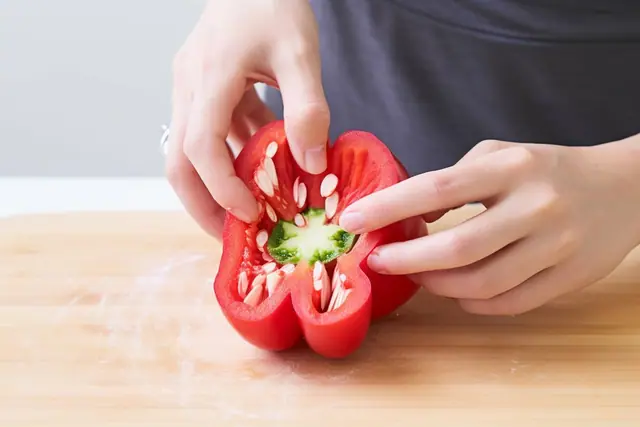
In this guide
- How to Cut Bell Peppers
- How to Cut Bell Peppers - Key Takeaways:
- Why Cutting Bell Peppers Correctly Matters
- Tools and Preparation
- Cutting Bell Peppers into Halves
- Creating Bell Pepper Rings
- Julienne: Cutting Bell Peppers into Strips
- Dicing Bell Peppers
- Tips for Safe and Efficient Cutting
- Selecting and Storing Bell Peppers
- Nutritional Benefits of Bell Peppers
- Freezing Bell Peppers
- How to Cut Bell Peppers - Conclusion
- Our Friends:
- FAQ
How to Cut Bell Peppers
Cutting bell peppers can be easy and efficient when following a step-by-step guide. Let's explore the various methods and techniques for cutting bell peppers.
How to Cut Bell Peppers - Key Takeaways:
- There are several methods for cutting bell peppers, depending on the desired shape.
- For bell pepper halves, either slice lengthwise or trim the top and cut in half; remove the seeds and veins.
- For bell pepper rings, trim the stem and slice into rings; thicker or thinner depending on preference.
- For julienne, trim the stem, cut vertically from bottom to stem, and julienne the pepper slab.
- For diced peppers, follow the julienne steps and then rotate the strips 90 degrees and dice.
- Use a sharp knife and cut with the skin side down to achieve clean, precise cuts.
- When selecting bell peppers, choose vibrant and uniform colors, firm and heavy peppers, and avoid blemishes or soft spots.
- Bell peppers can be stored at room temperature for a day or two, in the fridge for up to two weeks (wrap cut peppers in a paper towel), or frozen for up to 6 months.
- Bell peppers are low in calories and rich in vitamins C, B6, and E, as well as antioxidants like quercetin.
https://www.youtube.com/watch?v=4EOm4tDDKuk
Why Cutting Bell Peppers Correctly Matters
Mastering the art of cutting bell peppers correctly is crucial for ensuring optimal presentation and enhancing the flavors and textures of your dishes. The way you cut bell peppers can significantly impact the overall visual appeal of your meals, making them more enticing and appetizing. Whether you're cooking for yourself or preparing a dish for guests, taking the time to cut bell peppers properly can elevate your culinary creations to a whole new level.
When bell peppers are cut with precision and care, they not only look visually appealing but also taste better. The way you cut the peppers can affect the cooking time and the way they absorb flavors during cooking. By cutting bell peppers in the appropriate shape and size, you can ensure that they cook evenly and retain their natural crunchiness. This allows the bell peppers to stand out as a vibrant and delicious addition to your recipes.
Additionally, cutting bell peppers correctly can enhance the overall texture of your dishes. By removing the seeds and veins and slicing the peppers in a specific way, you can create different textures that add depth and variety to your meals. For example, cutting bell peppers into rings or julienne strips can provide a satisfying crunch, while dicing them can create small, uniform pieces that blend seamlessly with other ingredients.
By paying attention to the cutting techniques and presentation of bell peppers, you can transform ordinary dishes into culinary masterpieces. Whether you're preparing salads, stir-fries, sauces, or stuffed peppers, the way you cut the bell peppers can make a significant difference in the final outcome. So, sharpen your knife, gather your fresh bell peppers, and let your culinary imagination run wild as you explore the various cutting techniques to bring out the best in this versatile vegetable.
Why Cutting Bell Peppers Correctly Matters
- Optimal presentation of dishes
- Enhanced flavors and textures
- Even cooking and better absorption of flavors
- Vibrant and appealing visual appeal
- Varied and satisfying textures
Tools and Preparation
Before diving into the cutting process, it's important to gather the necessary tools, including a sharp chef's knife, a sturdy cutting board, and ensure the peppers are properly rinsed and dried. A sharp knife is essential as it allows for clean, precise cuts and reduces the risk of accidents. A chef's knife, with its long, curved blade, is ideal for cutting bell peppers, providing control and versatility.
When selecting a cutting board, opt for one that is large enough to comfortably accommodate the size of the bell peppers. A stable and sturdy cutting board will prevent slips and accidents while cutting. It's also important to choose a cutting board made of a material that won't dull the knife's blade.
Before starting the cutting process, rinse the bell peppers under cool, running water to remove any dirt or residue. Pat them dry with a clean kitchen towel or paper towels to ensure a firm grip while handling. Dry peppers will also prevent any excess moisture that may affect the quality and texture of the cut peppers.
Table 1: Essential Tools for Cutting Bell Peppers
| Tool | Description |
|---|---|
| Sharp Chef's Knife | An essential tool for clean, precise cuts. |
| Sturdy Cutting Board | Provides stability and prevents slips while cutting. |
| Water and Towels | For rinsing and drying the bell peppers. |
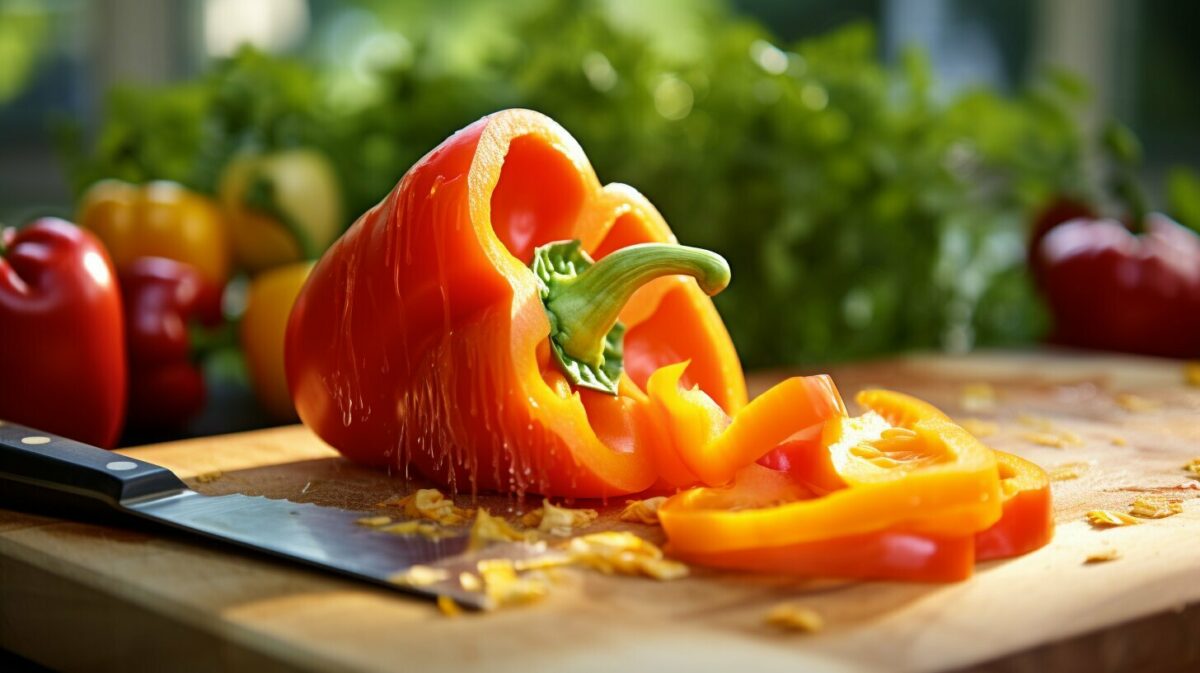
"A sharp knife is essential for cutting bell peppers. It allows for clean, precise cuts and reduces the risk of accidents." - Professional Chef
List: Tips for Safe and Efficient Cutting
- Always keep fingers and hands away from the blade while cutting.
- Use a stable cutting board and secure it to prevent slips and accidents.
- Cut with the skin side down to provide stability and ensure even slices.
- Remove the seeds and veins for a better taste and texture.
With the necessary tools and preparation in place, you're now ready to dive into the exciting world of cutting bell peppers!
Cutting Bell Peppers into Halves
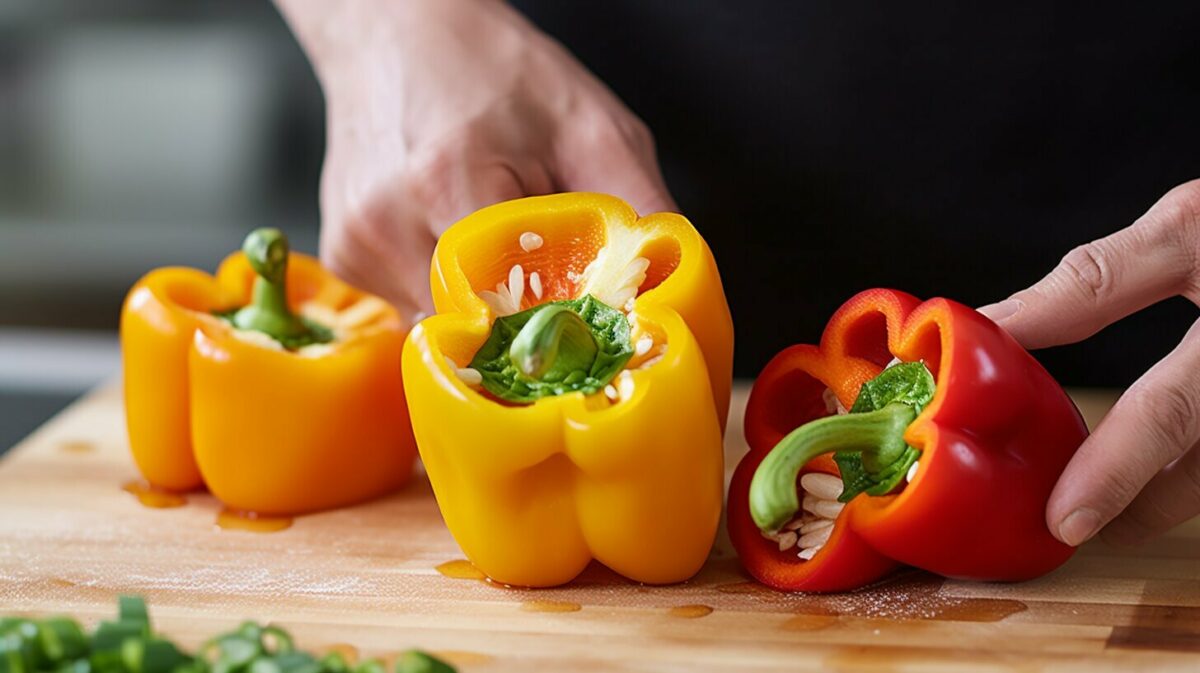
To obtain bell pepper halves, you can either slice the pepper lengthwise or trim the top and cut it in half, ensuring to remove the seeds and veins for a clean cut. Bell pepper halves are a versatile shape that can be used in a variety of recipes, from stuffed peppers to grilled vegetables. Let me walk you through the steps:
- To begin, prepare a sharp knife and a sturdy cutting board. It's important to use a sharp knife, as a dull one may crush the pepper instead of making a clean cut.
- Place the bell pepper on the cutting board with the skin side down. This will provide stability and make it easier to cut.
- If you prefer to slice lengthwise, start by cutting off the stem end of the pepper. Then, carefully slice the pepper in half from top to bottom, following its natural curves.
- If you choose to trim the top, start by cutting off the stem end as close to the top as possible. Then, gently remove the seeds and veins by either scooping them out with a spoon or rinsing the pepper under cold water.
- Once the seeds and veins are removed, make a straight cut across the pepper to create two equal halves.
Now you have perfectly cut bell pepper halves ready to be used in your favorite recipes. Remember, the seeds of bell peppers are edible but can have a slightly bitter taste, so it's best to remove them for a more enjoyable eating experience.
Next, let's move on to creating bell pepper rings, which are great for adding a pop of color and flavor to your dishes. Keep reading to learn how.
Creating Bell Pepper Rings
For those wanting to incorporate bell pepper rings into their recipes, simply trim the stem, slice the pepper into rings, and adjust the thickness according to your preference. Bell pepper rings add not only visual appeal but also a delightful crunch to dishes.
Begin by laying the bell pepper on its side and using a sharp knife to cut off the stem, creating a flat surface. This ensures stability while slicing the pepper into rings. Place the pepper upright and make horizontal cuts, creating rings of your desired thickness. Thicker rings are great for grilling or stuffing, while thinner rings work well for salads or garnishing.
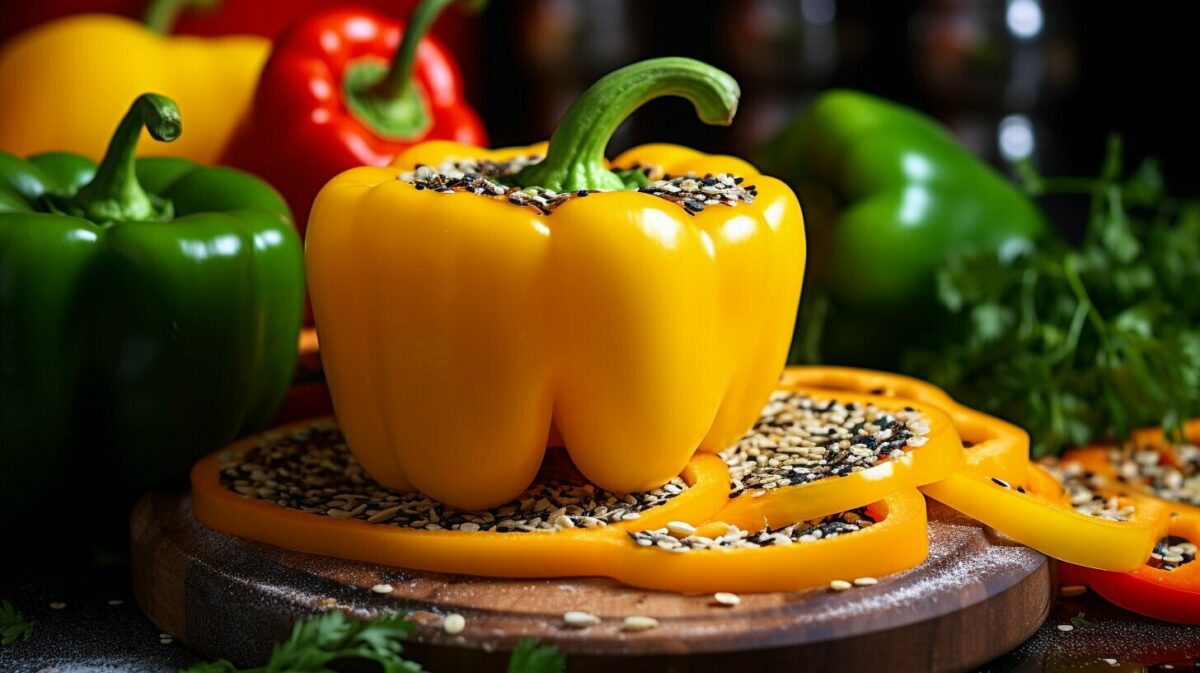
Whether you're preparing a vibrant stir-fry, a refreshing salad, or a delicious sandwich, bell pepper rings are a versatile ingredient that can elevate the presentation and flavor of your dish. So grab a fresh bell pepper, follow these simple steps, and let your culinary creativity shine!
Julienne: Cutting Bell Peppers into Strips
Julienne-cut bell peppers can add a touch of elegance to your dishes. Begin by trimming the stem of the bell pepper, ensuring that it is removed completely. Next, take the bell pepper slab and cut it vertically from the bottom to the stem. This will create long, even strips of the pepper.
Once you have the pepper slab in strips, it's time to julienne them. Take each strip and cut it into thin, uniform pieces, approximately 1/8 to 1/4 inch thick. The key to achieving a consistent julienne cut is to make sure all the pieces are of similar width.
Remember to use a sharp knife for cutting bell peppers. A sharp blade will make the process much easier and give you cleaner cuts. When cutting the bell peppers, always keep the skin side down to maintain stability and control. It's worth noting that bell pepper seeds are edible but have a bitter taste. To enhance the flavor of your dish, it's best to remove them.
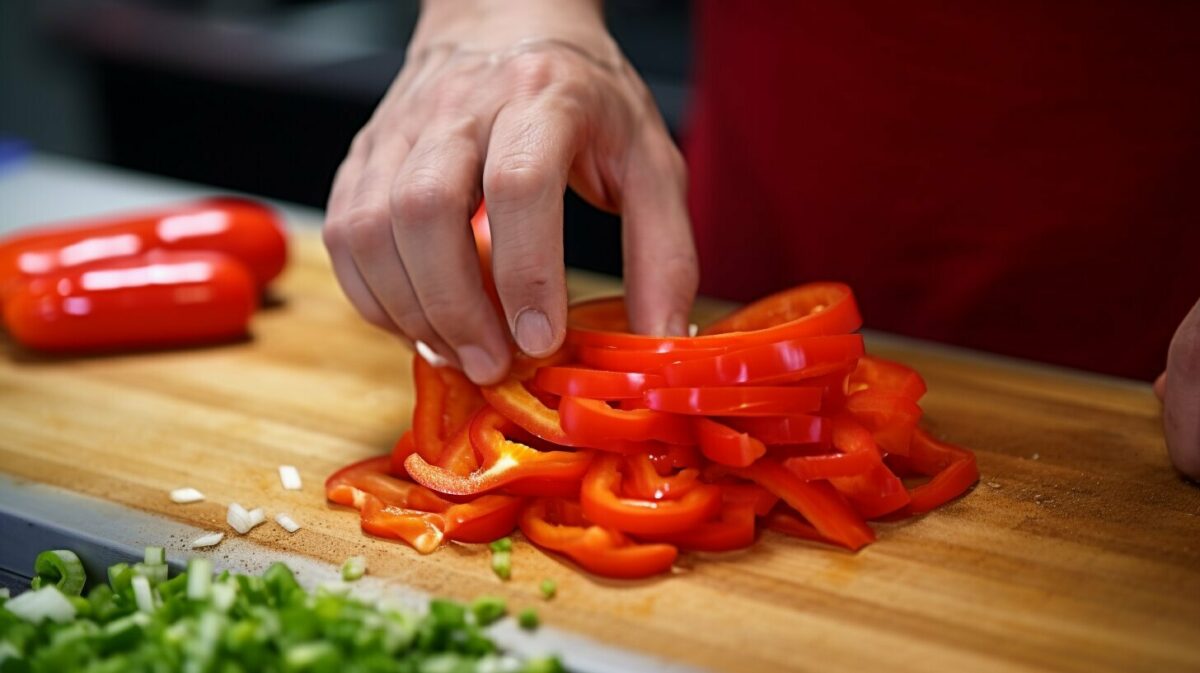
The julienne-cut bell peppers can be used in various culinary applications, such as stir-fries, salads, and garnishes. Their long, slender shape adds visual appeal and a delightful crunch to your dishes. So next time you're looking to elevate your recipes, try your hand at julienning bell peppers for that extra touch of elegance.
| Benefits of Julienne-cut Bell Peppers: |
|---|
| Enhances dish presentation |
| Adds a delightful crunch |
| Creates uniformity in the dish |
Dicing Bell Peppers
Diced bell peppers are versatile and can be used in various recipes. After following the julienne steps, rotate the strips 90 degrees and dice them into small, consistent pieces. This technique creates uniform dices that will cook evenly and add visual appeal to your dishes.
Start by preparing the bell pepper slab as described in the previous section on julienne. Once you have the long, thin strips, rotate them 90 degrees so they are perpendicular to your knife. This step is crucial for achieving perfectly diced pieces.
With the strips arranged horizontally, use a sharp knife to cut across them in small, even increments. Take your time to ensure that each cut is made all the way through the pepper strips. By maintaining a steady hand and using a smooth chopping motion, you will create beautifully diced bell peppers.
Now that you know how to dice bell peppers, you can add them to your favorite recipes, such as stir-fries, salads, omelets, and fajitas. The vibrant colors and fresh flavors of diced bell peppers can elevate any dish, providing a burst of nutrition and taste.
| Benefits of Diced Bell Peppers: |
|---|
| Versatility: Diced bell peppers can be incorporated into a wide range of dishes. |
| Nutritional Value: Bell peppers are low in calories and packed with essential vitamins and antioxidants. |
| Enhanced Presentation: The uniformity of diced bell peppers adds visual appeal to your meals. |
| Even Cooking: Diced pieces ensure that bell peppers cook evenly, maintaining their texture and flavor. |
| Texture and Taste: Diced bell peppers provide a crisp texture and a subtle sweetness to dishes. |
Tips for Safe and Efficient Cutting
Mastering safe knife skills is essential when cutting bell peppers. Follow these tips to ensure minimal waste, no mess, and clean, professional-looking cuts.
To start, make sure you have a sharp knife. A dull knife can slip and lead to accidents. I recommend using a sharp chef's knife for the job. Place the bell pepper on a stable cutting board and hold it steady with your non-dominant hand. With the skin side down, begin by cutting off the top and removing the stem.
Next, it's time to remove the seeds and veins. Use the tip of your knife to carefully slice along the edges, following the natural contours of the pepper. Gently pull away the seeds and veins, ensuring that you remove all of them. While the seeds are edible, they can add a bitter taste to your dishes, so it's best to discard them.
Now that your bell pepper is ready, you can proceed with the desired cutting technique. Whether you're cutting the pepper into halves, rings, julienne strips, or diced pieces, remember to always maintain a firm grip on the pepper and keep your fingers curled inward to protect them from accidental cuts. Take your time and cut with precision to achieve clean, uniform slices.
| Cutting Technique | Description |
|---|---|
| Bell Pepper Halves | Slice lengthwise or trim the top and cut in half; remove seeds and veins. |
| Bell Pepper Rings | Trim the stem, slice into rings of desired thickness. |
| Julienne | Trim the stem, cut vertically from bottom to stem, and julienne the pepper slab. |
| Diced Peppers | Follow the julienne steps, rotate the strips 90 degrees, and dice. |
By following these safe cutting techniques, you'll not only enhance your culinary skills but also create visually appealing dishes that are a delight to the eyes. So, grab your sharp knife and start cutting those bell peppers with confidence!

Selecting and Storing Bell Peppers
To ensure the best flavor and quality, it's important to select bell peppers with vibrant colors, firm and heavy texture, and avoid any blemishes or soft spots. Bell peppers come in a variety of colors, including green, red, yellow, and orange. Each color has its own unique flavor profile and sweetness level. When selecting bell peppers, choose those with vibrant and uniform colors, as it indicates freshness and ripeness. Avoid peppers with dull or faded colors, as they may be overripe or less flavorful.
When picking up bell peppers, give them a gentle squeeze. They should feel firm and have a slight weight to them. Heavier peppers tend to be juicier and have a thicker flesh. Avoid peppers that feel soft or have wrinkled skin, as they may be past their prime. Blemishes or dark spots on the skin can be an indication of rot or mold, so it's best to avoid peppers with these imperfections. Opt for peppers that have smooth and shiny skin, as it signifies freshness.
Proper storage techniques are crucial for maintaining the freshness of bell peppers. Whole bell peppers can be stored at room temperature for a day or two, but it's recommended to store them in the refrigerator to prolong their shelf life. To store bell peppers in the fridge, place them in a perforated plastic bag or wrap them in a paper towel to absorb any excess moisture. This will help prevent them from becoming soggy or developing mold. Stored this way, bell peppers can stay fresh for up to two weeks.
| Storage Method | Duration |
|---|---|
| Room Temperature | 1-2 days |
| Refrigerator (wrapped in paper towel) | Up to 2 weeks |
| Freezer | Up to 6 months |
If you have an abundance of bell peppers and would like to extend their shelf life even further, consider freezing them. Freezing bell peppers is a simple way to preserve their freshness and flavor. Start by washing and drying the peppers thoroughly. Remove the stem, seeds, and veins, then cut them into desired shapes. Blanching the peppers by briefly immersing them in boiling water and then immediately transferring them to an ice bath can help maintain their color and texture. Once blanched, pat the peppers dry and store them in airtight freezer bags or containers. Frozen bell peppers can be stored for up to 6 months.
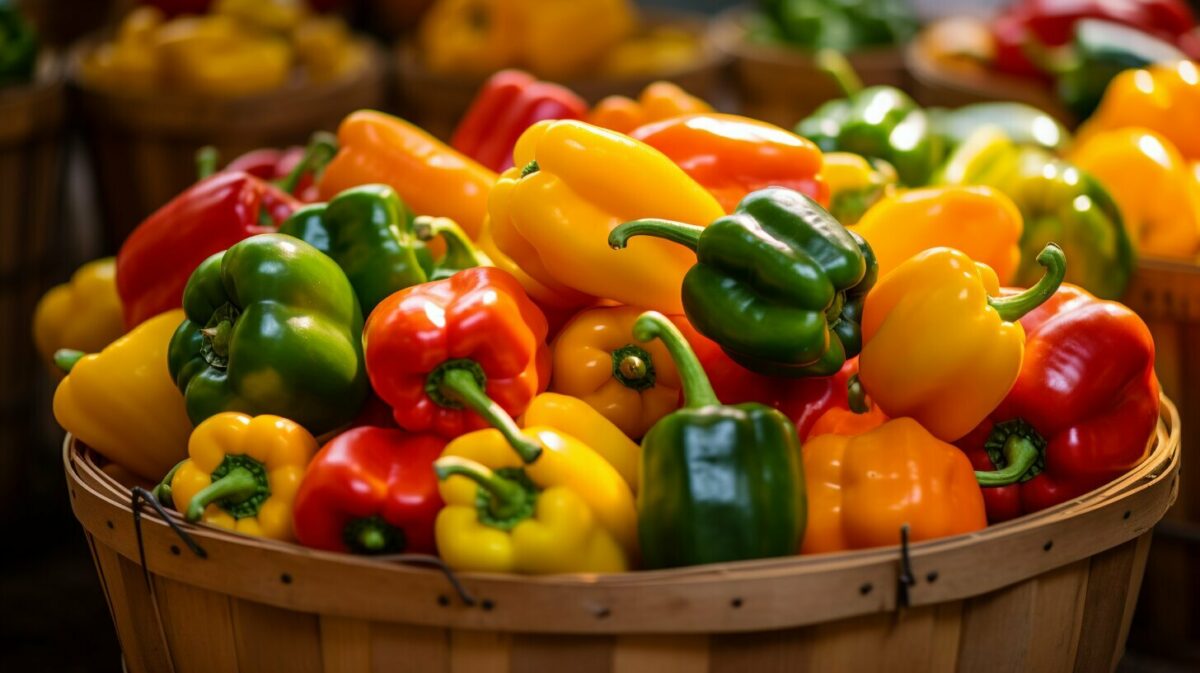
When it comes to bell peppers, selecting the right ones and following proper storage techniques will ensure the best flavor and quality in your recipes. Whether you're using them raw in salads, sautéing them for stir-fries, or stuffing them for a delicious meal, vibrant and firm bell peppers will elevate the taste and presentation of your dishes.
Nutritional Benefits of Bell Peppers
Bell peppers not only add flavor and vibrancy to dishes but also offer numerous health benefits, being low in calories and rich in vitamins C, B6, and E, as well as antioxidants like quercetin. These colorful vegetables are a great addition to any diet, providing essential nutrients while adding a pop of color to your plate.
Vitamin C plays a crucial role in maintaining a healthy immune system, promoting wound healing, and protecting cells from damage caused by free radicals. Bell peppers are an excellent source of vitamin C, with a single bell pepper providing more than 100% of the daily recommended intake. Including bell peppers in your diet can help boost your immune system and support overall health.
| Nutrient | Amount per 100g |
|---|---|
| Vitamin C | 80.4 mg |
| Vitamin B6 | 0.29 mg |
| Vitamin E | 0.37 mg |
| Quercetin | 6.02 mg |
In addition to vitamin C, bell peppers are also a good source of vitamin B6, which plays a vital role in brain development and function, as well as the production of red blood cells. Vitamin E, another antioxidant found in bell peppers, helps protect the body's cells from damage caused by free radicals, reducing the risk of chronic diseases.
Bell peppers are packed with essential nutrients and antioxidants, making them a nutritious and delicious addition to any meal.
Antioxidants like quercetin, found in abundance in bell peppers, have been linked to a reduced risk of chronic diseases, including heart disease and certain types of cancer. These powerful compounds help neutralize harmful free radicals in the body, protecting cells from damage and promoting overall health.
So, whether you enjoy them raw in salads, sautéed in stir-fries, or stuffed with flavorful fillings, bell peppers are a versatile and nutritious choice that can elevate the nutritional value of any meal.
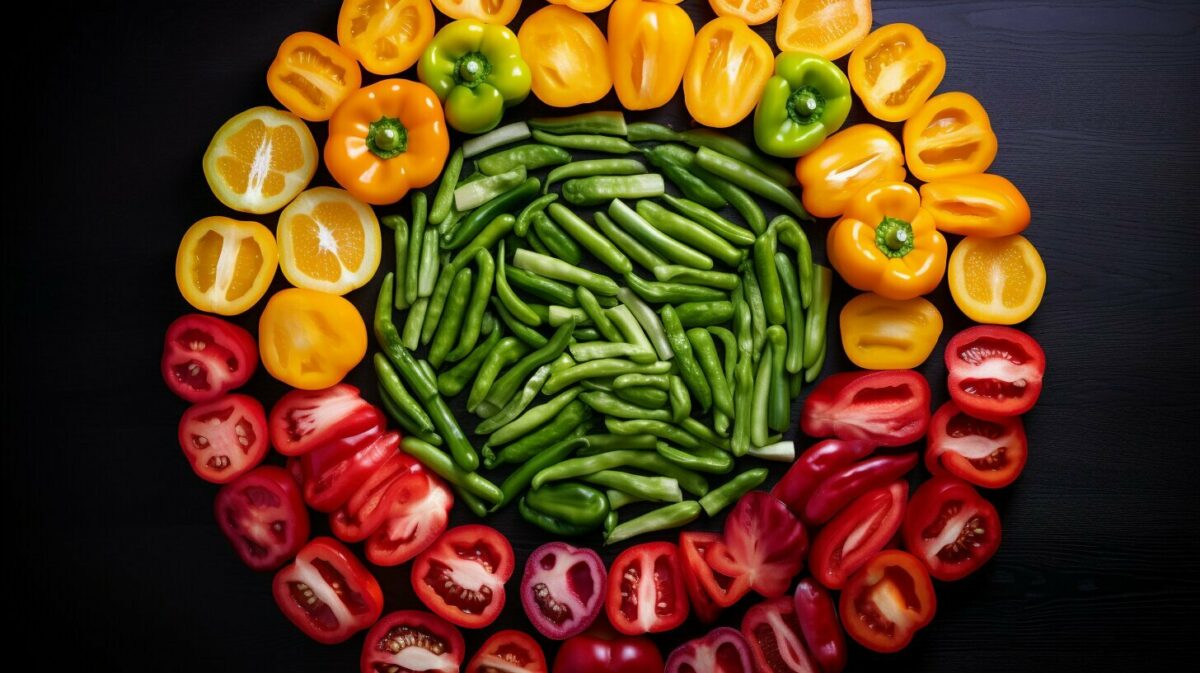
Bell peppers can elevate a wide range of dishes, from sauces and salads to stir-fries and stuffed peppers. Discover the myriad of culinary uses for these vibrant and flavorful veggies.
When it comes to sauces, bell peppers add a sweet and tangy depth of flavor. Whether you're making a classic marinara sauce or a spicy salsa, the addition of bell peppers can take your sauce to the next level. Dice them finely for a chunky texture or blend them for a smooth consistency.
In salads, bell peppers provide a refreshing crunch and burst of color. Add them raw to a leafy green salad for a vibrant pop, or roast them for a smoky flavor. They pair well with a variety of ingredients, such as tomatoes, cucumbers, and feta cheese, creating a delicious medley of flavors.
When it comes to stir-fries, bell peppers are a staple ingredient. Their crisp texture and mild flavor complement a variety of proteins and vegetables. Slice them into thin strips and toss them into the wok for a quick and nutritious addition to your stir-fry. The vibrant colors of the bell peppers will make your dish visually appealing as well.
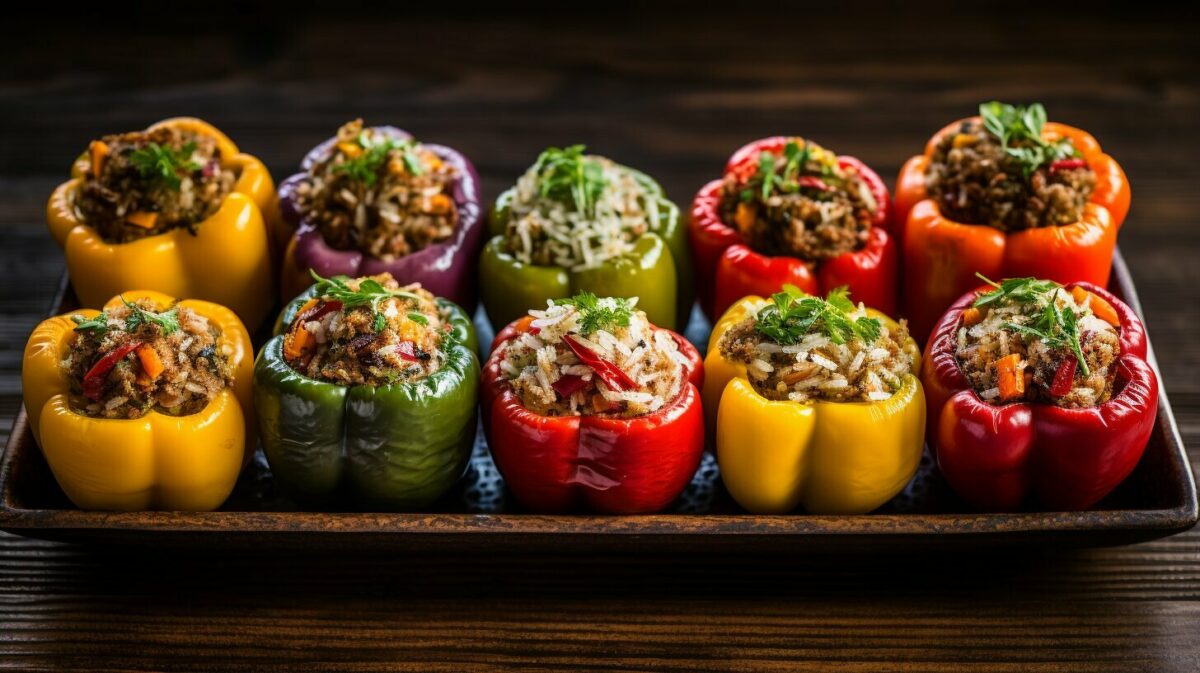
Stuffed Peppers Recipe
"Stuffed peppers are a crowd-pleasing dish that can be customized to suit your taste. Try this simple and delicious recipe for a hearty and satisfying meal!"
Ingredients
- 4 red bell peppers
- Extra-virgin olive oil
- 1½ cups white cheddar cheese
- Avocado slices or guacamole
- Lime wedges
- Sea salt and freshly ground black pepper
- 1 tablespoon extra-virgin olive oil
- 2 garlic cloves
- 2 jalapeños
- 2 scallions
- 1 teaspoon lime zest
- 1½ tablespoons lime juice
- 1 teaspoon cumin
- 1 teaspoon coriander
- 1 teaspoon cayenne
- 1 teaspoon sea salt
- ½ cup finely chopped cilantro
- 3 cups cooked white jasmine rice
- 1½ cups cooked black beans
- 1½ cups corn kernels
Instructions
- Preheat the oven to 450°F and prepare a baking sheet by lining it with parchment paper.
- Cut the peppers in half lengthwise, removing the seeds and membranes. Place them on the baking sheet, cut side up.
- Drizzle the peppers with olive oil, salt, and pepper, then bake them for 10 minutes.
- Remove any liquid that accumulates inside the peppers and discard it. Set the peppers aside.
- In a large bowl, combine olive oil, garlic, jalapeños, scallions, lime zest, lime juice, cumin, coriander, cayenne, salt, and cilantro.
- Add the rice, black beans, and corn to the bowl, and mix everything together.
- Fill each pepper half with the mixture, then top them with cheese.
- Broil the peppers for 2 to 5 minutes, until the cheese is bubbly and browned. Alternatively, continue baking at 450°F for 10 to 15 minutes until the cheese has melted.
- Serve the stuffed peppers with avocado slices, lime wedges, and extra jalapeños, if desired.
Enjoy these delicious stuffed peppers as a main course or serve them as a side dish. The combination of flavors and textures will surely impress your family and friends!
| Benefit | Description |
|---|---|
| Low in calories | Bell peppers are a great choice for those looking to watch their calorie intake. They provide a burst of flavor without adding excessive calories to your meals. |
| Rich in vitamins | Bell peppers are packed with essential vitamins, including vitamin C, B6, and E. These vitamins are important for maintaining a healthy immune system and promoting overall well-being. |
| Antioxidants | Quercetin, an antioxidant found in bell peppers, has been associated with various health benefits, including reducing inflammation and protecting against certain chronic diseases. |
Freezing Bell Peppers
If you have an abundance of bell peppers, freezing them is a great way to preserve their freshness. Learn how to freeze bell peppers properly and enjoy them for up to 6 months.
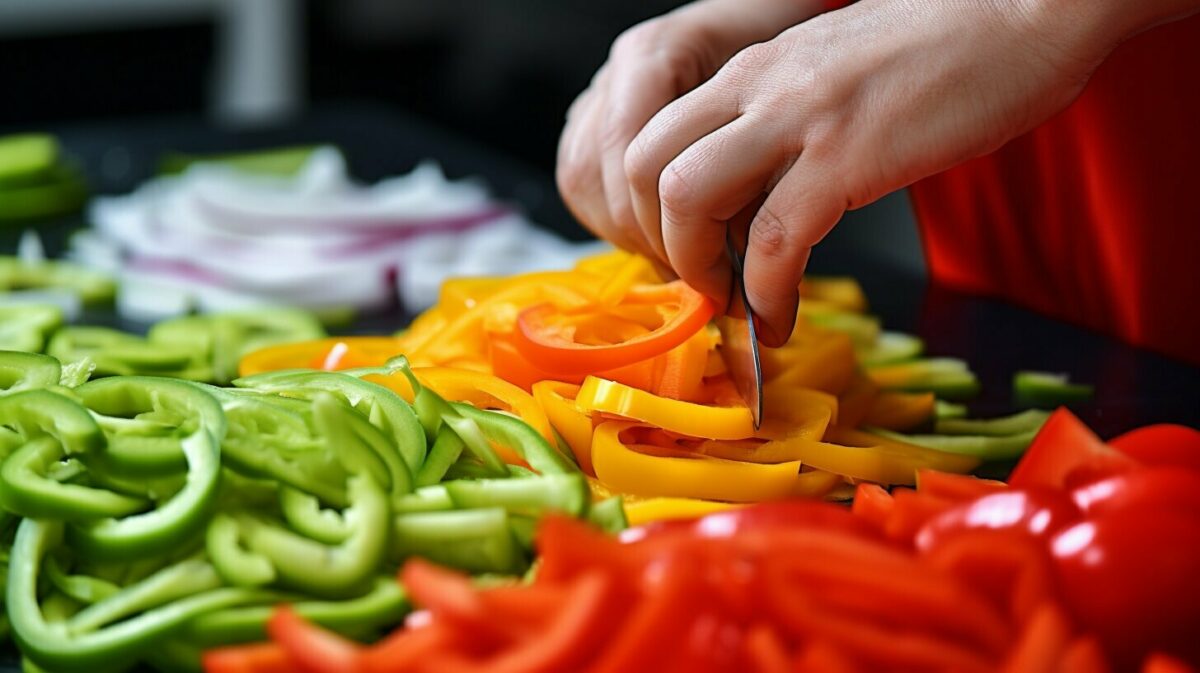
To freeze bell peppers, start by washing and drying them thoroughly. Next, remove the stem and seeds, as they can give off a bitter taste. Then, decide how you would like to cut the peppers based on your future recipes. Whether you prefer slices, strips, or diced peppers, make sure to cut them into uniform sizes for even freezing and cooking.
After cutting, spread the bell pepper pieces on a baking sheet in a single layer, making sure they don't touch each other. Place the sheet in the freezer and let the bell peppers freeze completely, which usually takes about 1-2 hours.
Once frozen, transfer the bell pepper pieces into airtight freezer bags or containers. Label them with the date of freezing and use within 6 months for best quality. Frozen bell peppers can be directly added to cooked dishes without thawing, making them convenient for quick and easy meal preparation.
By freezing bell peppers, you can enjoy their vibrant colors and nutritional benefits even when they are out of season. Whether you use them in stir-fries, soups, or casseroles, frozen bell peppers will add a burst of flavor and color to your culinary creations.
| Benefits of Freezing Bell Peppers: |
|---|
| Preserves freshness for up to 6 months |
| Convenient for quick and easy meal preparation |
| Retains vibrant colors and nutritional benefits |
How to Cut Bell Peppers - Conclusion
Cutting bell peppers can be a breeze with the right techniques, tools, and a little practice. By following this step-by-step guide, you'll be able to cut bell peppers effortlessly and enhance the presentation and flavors of your dishes.
Learning how to cut bell peppers is essential for various recipes, and there are several methods you can use depending on the desired shape. For bell pepper halves, you can either slice them lengthwise or trim the top and cut them in half, removing the seeds and veins. If you prefer bell pepper rings, simply trim the stem and slice the pepper into rings of your preferred thickness. For julienne strips, start by trimming the stem, then cut the pepper slab vertically from the bottom to the stem and julienne it. And if you want diced peppers, follow the julienne steps and then rotate the strips 90 degrees before dicing.
When cutting bell peppers, it's important to use a sharp knife and cut with the skin side down. While the seeds are edible, they have a bitter taste, so it's best to remove them. When selecting bell peppers, choose vibrant and uniform colors, firm and heavy peppers, and avoid any blemishes or soft spots. You can store bell peppers at room temperature for a day or two, in the fridge for up to two weeks (wrap cut peppers in a paper towel to keep them fresh), or freeze them for up to six months.
Bell peppers are not only delicious but also low in calories and rich in essential vitamins such as vitamin C, B6, and E. They are also packed with antioxidants like quercetin, which can benefit your overall health. So, now that you know how to cut bell peppers, you can confidently incorporate them into a variety of recipes, from sauces and salads to stir-fries and stuffed peppers, and enjoy their nutritional benefits in every bite.
Our Friends:
- https://whatmollymade.com/how-to-cut-a-bell-pepper/
- https://www.earthfoodandfire.com/how-to-cut-bell-peppers/
Frequently asked questions
- How do I cut bell peppers?
There are several methods for cutting bell peppers, depending on the desired shape. For bell pepper halves, you can either slice lengthwise or trim the top and cut in half. Remove the seeds and veins. For bell pepper rings, trim the stem and slice into rings of your preferred thickness. For julienne, trim the stem, cut vertically from bottom to stem, and julienne the pepper slab. And for diced peppers, follow the julienne steps and then rotate the strips 90 degrees and dice.
- Is it necessary to remove the seeds from bell peppers?
While bell pepper seeds are edible, they have a bitter taste. It's best to remove them before using the peppers in your recipes.
- How should I select bell peppers?
When selecting bell peppers, choose vibrant and uniform colors. Look for firm and heavy peppers and avoid any blemishes or soft spots.
- How should I store bell peppers?
Bell peppers can be stored at room temperature for a day or two. To store them in the fridge, wrap cut peppers in a paper towel and they will stay fresh for up to two weeks. If you want to freeze bell peppers, they can be stored for up to 6 months.
- What are the nutritional benefits of bell peppers?
Bell peppers are low in calories and rich in vitamins C, B6, and E. They are also packed with antioxidants like quercetin, which provides several health benefits.
AprilCook, recipe developer and the heart of Chefwiz. More about April