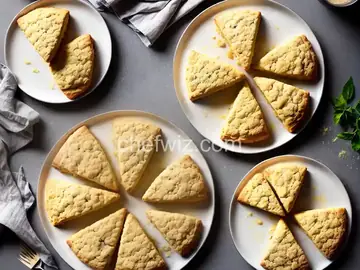
World's Best Scones! From Scotland to the Savoy to the U.S.
Rate this recipeBe the first to rate
 By AprilPublished
 When it comes to baked goods, few treats are as delightful as a warm, buttery scone.
 By AprilPublished
 When it comes to baked goods, few treats are as delightful as a warm, buttery scone.
Preheat the oven to 400 degrees F (200 degrees C) and prepare a baking sheet by greasing it.
In a large bowl, combine the sifted flour, baking powder, sugar, and salt. Use a pastry blender or rub the butter between your fingers until the mixture resembles peas. Stir in the currants.
In a measuring cup, whisk together the milk and sour cream. Gently stir this mixture into the flour mixture until the dough is moistened, being careful not to overwork it.
With floured hands, shape the dough into 2- to 3-inch diameter balls. Place them onto the prepared baking sheet and lightly flatten. The scones should be slightly touching each other.
Make the egg wash by whisking together the egg and milk. Brush the tops of the scones with the egg wash and let them rest for about 10 minutes.
Bake the scones in the preheated oven until the tops turn golden brown, which should take around 10 to 15 minutes.
If desired, you can substitute raisins for the currants.
To reheat the scones, either split them in half and toast them or wrap them in aluminum foil and heat them in the oven until heated through.
When it comes to baked goods, few treats are as delightful as a warm, buttery scone. Originating from Scotland, scones have made their way across the globe and have become a beloved staple in many countries, including the United States. From traditional recipes to modern variations, scones continue to captivate taste buds with their crumbly texture and endless flavor possibilities.
Scotland is renowned for its rich culinary heritage, and scones hold a special place in the hearts of Scots. These simple yet satisfying treats were traditionally made with just a few ingredients: flour, sugar, butter, and milk. The result? A scone that is light, fluffy, and perfect for spreading with jam and clotted cream.
But what makes Scottish scones truly special is the love and care that goes into making them. Passed down through generations, families have their own secret recipes, each one cherished and perfected over time. It's this attention to detail that sets Scottish scones apart and makes them a national treasure.
While Scotland may be the birthplace of scones, it was the world-renowned Savoy Hotel in London that elevated them to new heights. In the late 19th century, the Savoy became famous for its luxurious afternoon tea service, which included an array of delicate pastries and, of course, scones.
Under the guidance of legendary chef Auguste Escoffier, the Savoy's scones became the epitome of indulgence. The recipe was refined to include additional ingredients like eggs and baking powder, resulting in a scone that was even lighter and more decadent. Served with clotted cream and strawberry jam, these scones became a symbol of luxury and sophistication.
It wasn't long before scones made their way across the Atlantic and took the United States by storm. As American bakers put their own spin on the classic recipe, scones began to evolve into a versatile treat with endless flavor possibilities.
From blueberry to chocolate chip, pumpkin to cinnamon, there's a scone flavor for every palate. Whether enjoyed with a cup of tea in the morning or as a sweet treat after dinner, scones have become a beloved part of American cuisine.
A scone is best enjoyed fresh out of the oven, when it's still warm and fragrant. Slather it with clotted cream and your favorite jam for the ultimate indulgence.
Absolutely! Scones freeze well, making them a convenient treat to have on hand. Simply wrap them tightly in plastic wrap or place them in an airtight container before freezing. When you're ready to enjoy them, let them thaw at room temperature or gently warm them in the oven.
While butter is a key ingredient in traditional scone recipes, you can certainly experiment with substitutes like coconut oil or margarine. Just keep in mind that the texture and flavor may be slightly different.
Yes, you can make eggless scones! Simply replace the eggs with a flaxseed or chia seed mixture, or use a commercial egg replacer. The scones may be slightly denser, but they'll still be delicious.
Absolutely! Whole wheat flour can be used in place of all-purpose flour for a healthier twist. Just keep in mind that the texture may be slightly denser, so adjust the liquids accordingly.
Of course! Nuts, dried fruit, chocolate chips, and even cheese can add a delightful twist to your scones. Get creative and experiment with different flavor combinations to find your favorite.
To prevent spreading, make sure your butter is cold and cut into small pieces. Additionally, avoid overmixing the dough, as this can activate the gluten and make the scones spread. Handle the dough gently and only mix until the ingredients are just combined.
Yes, you can! There are many gluten-free flour blends available that can be used in place of regular flour. Experiment with different blends to find the one that works best for you.
In conclusion, scones have a rich history and have evolved into a beloved treat enjoyed around the world. Whether you prefer the traditional Scottish recipe or a modern variation, scones are sure to satisfy your sweet cravings. So, why not whip up a batch of these delectable treats and indulge in a taste of scone perfection?
AprilCook, recipe developer and the heart of Chefwiz. More about April