Vegetable Sushi
Rate this recipeBe the first to rate
 By AprilPublished
 Are you looking for a delicious and healthy alternative to traditional sushi?
 By AprilPublished
 Are you looking for a delicious and healthy alternative to traditional sushi?
Cook the rice in a rice cooker with 3 1/4 cups of water according to the manufacturer's instructions, or use a saucepan if you don't have a rice cooker.
In a saucepan over medium heat, combine vinegar, sugar, and 1 teaspoon of salt. Stir until the sugar is dissolved.
Transfer the cooked rice to a large wooden bowl. Pour a quarter of the vinegar mixture over the rice using a wooden spoon or spatula. Gently fold the rice to cool it and break up any clumps. Repeat with the remaining vinegar mixture and let the rice sit for 5 minutes.
Cover a bamboo sushi mat with plastic wrap. Place a half sheet of nori, rough-side up, on the mat. Moisten your hands and spread a handful of rice slightly larger than a lemon onto the nori, pressing it evenly to the edges. Sprinkle with sesame seeds.
Peel the cucumber and slice it into matchsticks. Thinly slice the avocado, tomato, and red onion. Peel the tough ends of the asparagus.
Flip the nori so it's rice-side down on the mat, with the short end facing you. Spread a small amount of wasabi paste in a line about one-third of the way up the nori.
Arrange a few pieces each of lettuce, cucumber, avocado, tomato, and onion in a tight pile in the lower third of the nori sheet.
Are you looking for a delicious and healthy alternative to traditional sushi? Look no further than vegetable sushi! Packed with fresh and vibrant flavors, vegetable sushi is a delightful dish that can be enjoyed by anyone, whether you're a sushi lover or a vegetarian. In this article, we'll explore the world of vegetable sushi, its benefits, and some creative ways to enjoy this plant-based delight.
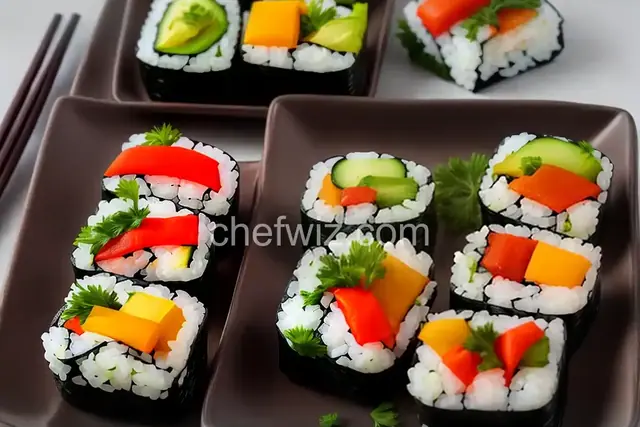
Vegetable sushi is a culinary masterpiece that combines the essence of sushi with the goodness of fresh vegetables. It offers a unique and refreshing twist on traditional sushi, making it a perfect choice for those who prefer a lighter and more vibrant option. With a variety of colorful vegetables at the helm, vegetable sushi not only pleases the taste buds but also provides a visual feast for the eyes.
Choosing vegetable sushi comes with numerous health benefits. It's an excellent way to incorporate more vegetables into your diet, ensuring you receive a wide range of essential nutrients, vitamins, and minerals. Additionally, vegetable sushi is low in calories and high in fiber, making it an ideal choice for those watching their weight or looking to maintain a healthy lifestyle.
One of the great things about vegetable sushi is its versatility. You can experiment with different fillings and combinations to create your own unique rolls. From classic cucumber and avocado rolls to more adventurous options like sweet potato or mango rolls, the possibilities are endless. You can even try adding a sprinkle of sesame seeds or a drizzle of spicy mayo to take your vegetable sushi to the next level of flavor.
Vegetable sushi offers a delicious and healthy alternative to traditional sushi. With its vibrant colors and fresh flavors, it's a feast for both the eyes and the taste buds. Whether you're a vegetarian, vegan, or simply looking to explore new culinary horizons, vegetable sushi is a must-try. So go ahead, grab your chopsticks, and indulge in the wonderful world of vegetable sushi!
Yes, vegetable sushi can easily be made gluten-free by using gluten-free soy sauce and ensuring that all the ingredients are free from gluten contamination.
Absolutely! Vegetable sushi is a perfect choice for vegans as it contains no animal products. Just make sure to use vegan-friendly ingredients, such as nori sheets and plant-based fillings.
Definitely! Making vegetable sushi at home is a fun and rewarding experience. You can find sushi-making kits and all the necessary ingredients at your local grocery store or online.
Yes, if you're looking to switch things up, you can try using cauliflower rice or quinoa as a substitute for traditional sushi rice. These alternatives offer a healthier twist while still providing a satisfying texture.
Vegetable sushi is best consumed fresh, ideally within a few hours of preparation. However, if stored properly in an airtight container in the refrigerator, it can stay fresh for up to 24 hours.
While it is not recommended to freeze vegetable sushi due to its delicate nature, you can freeze the individual components, such as cooked rice or prepared fillings, and assemble the sushi when you're ready to enjoy it.
Some popular vegetable fillings for sushi include cucumber, avocado, carrot, bell peppers, asparagus, and sweet potato. Feel free to get creative and mix and match your favorite vegetables to create your own unique combinations.
Absolutely! Vegetable sushi is bursting with flavors and textures that are equally delightful as traditional sushi. The combination of fresh vegetables, tangy sauces, and the satisfying crunch of nori creates a taste experience that will leave you wanting more.
AprilCook, recipe developer and the heart of Chefwiz. More about April