Spaghetti Marinara
Rate this recipeBe the first to rate
 By AprilPublished
 Are you craving a hearty and flavorful pasta dish that will transport you straight to Italy?
 By AprilPublished
 Are you craving a hearty and flavorful pasta dish that will transport you straight to Italy?
In a large skillet, combine olive oil and garlic. Cook over medium heat until the garlic turns golden around the edges, approximately 3 minutes.
Add onion, oregano, and 1 teaspoon of salt to the skillet. Stir and cook until the onion becomes soft but not browned, around 10 minutes.
Pour in the tomatoes and their juices, along with 1/2 cup of water. Continue cooking until the sauce slightly reduces, approximately 20 minutes.
Stir in the basil and season with salt. Keep the sauce warm over low heat.
Meanwhile, bring a large pot of salted water to a boil.
Add the pasta to the boiling water and cook according to the instructions on the label.
Before draining the pasta, reserve 1 cup of the cooking water.
Add the drained pasta to the sauce, along with the butter and 1/2 cup of the reserved cooking water.
Increase the heat to medium and toss the pasta to coat, adding more of the reserved cooking water as needed to loosen the sauce.
Transfer the pasta to serving bowls and drizzle with olive oil.
Are you craving a hearty and flavorful pasta dish that will transport you straight to Italy? Look no further than spaghetti marinara! This classic Italian dish has been delighting taste buds for generations with its simple yet delicious combination of ingredients. In this article, we will explore the origins of spaghetti marinara, its key components, and how to make it at home. So, grab a fork and get ready to dive into the world of spaghetti marinara!
Spaghetti marinara, also known as spaghetti al pomodoro in Italy, is a dish that originated in Naples. It is a staple in Italian cuisine and has become popular worldwide. The name "marinara" translates to "mariner's style," which refers to the sauce's association with the sea and the sailors who would often enjoy this dish.
Traditionally, spaghetti marinara was made using fresh tomatoes, garlic, olive oil, and herbs. The sauce was simmered slowly to allow the flavors to meld together, creating a rich and aromatic base for the pasta. Over time, variations of the dish have emerged, with some recipes incorporating additional ingredients like onions, chili flakes, or even seafood.
Pasta is the star of this dish, and it's essential to choose the right type. Spaghetti is the most common choice for spaghetti marinara, but you can also use other long pasta varieties like linguine or fettuccine.
Tomatoes are the key ingredient in the marinara sauce. Fresh, ripe tomatoes are ideal, but you can also use canned diced tomatoes for convenience. The tomatoes provide the base and tanginess to the sauce.
Garlic and onions add a depth of flavor to the sauce. The garlic brings a subtle pungency, while the onions add sweetness and complexity to the dish.
Olive oil is the preferred oil for spaghetti marinara, as it adds a fruity and rich flavor to the sauce. It also helps to bring all the ingredients together and create a smooth consistency.
Herbs like basil, oregano, and parsley are commonly used to season the marinara sauce. These herbs add freshness and aroma to the dish. Additionally, a pinch of red chili flakes can be added for those who enjoy a bit of heat.
Now that you know the key components of spaghetti marinara, let's dive into how to make it at home. Remember, the beauty of this dish lies in its simplicity and fresh flavors.
First, start by cooking the pasta according to the package instructions. While the pasta is cooking, prepare the marinara sauce. Heat olive oil in a saucepan over medium heat and sauté minced garlic and diced onions until they turn golden and fragrant.
Add the tomatoes to the saucepan and gently crush them with a fork or a wooden spoon. This will release their juices and help create a chunky texture. Season the sauce with salt, pepper, and your choice of herbs and spices. Allow the sauce to simmer for about 20-30 minutes to let the flavors meld together.
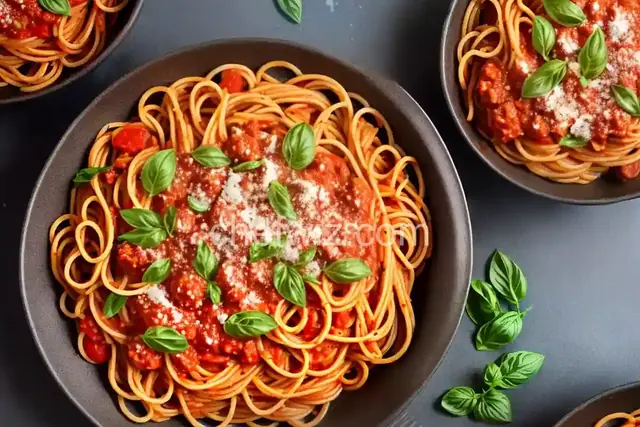
Once the pasta is cooked al dente, drain it and add it to the saucepan with the marinara sauce. Toss the pasta in the sauce until it is well coated. Serve hot with a sprinkle of grated Parmesan cheese and a sprig of fresh basil on top.
Spaghetti marinara is a classic Italian dish that brings together simple and fresh ingredients to
While fresh herbs provide the best flavor, you can substitute dried herbs if you don't have fresh ones on hand. Just remember to use them in smaller quantities as their flavors are more concentrated.
While spaghetti marinara is traditionally a vegetarian dish, you can certainly add meat if you prefer. Ground beef or Italian sausage can be browned and added to the sauce for a heartier version.
Yes, spaghetti marinara can be frozen for later use. Allow it to cool completely, then transfer it to an airtight container or freezer bag. It can be stored in the freezer for up to three months. Just remember to thaw it overnight in the refrigerator before reheating.
Absolutely! While spaghetti is the classic choice, feel free to experiment with different pasta shapes. Penne, rigatoni, or even angel hair pasta can be used to create a unique twist on this traditional dish.
If you prefer a spicier marinara sauce, you can increase the amount of red chili flakes or even add a diced jalapeño pepper to the saucepan. Adjust the heat level to your liking by adding more or less spice.
Absolutely! Spaghetti marinara is a versatile dish, and you can add a variety of vegetables to enhance its nutritional value. Bell peppers, zucchini, or mushrooms are great options that add texture and flavor to the dish.
While making marinara sauce from scratch is always recommended for the best flavors, you can use canned marinara sauce if you're short on time. Just make sure to choose a high-quality sauce without any added sugars or preservatives.
Absolutely! There are many gluten-free pasta options available in the market today, made from ingredients like rice, quinoa, or corn. Simply choose a gluten-free pasta and follow the same steps to create a delicious gluten-free spaghetti marinara.
AprilCook, recipe developer and the heart of Chefwiz. More about April