Pasta Dough for Ravioli
Rate this recipeBe the first to rate
 By AprilPublished
 Are you ready to embark on a culinary adventure to create delicious homemade ravioli?
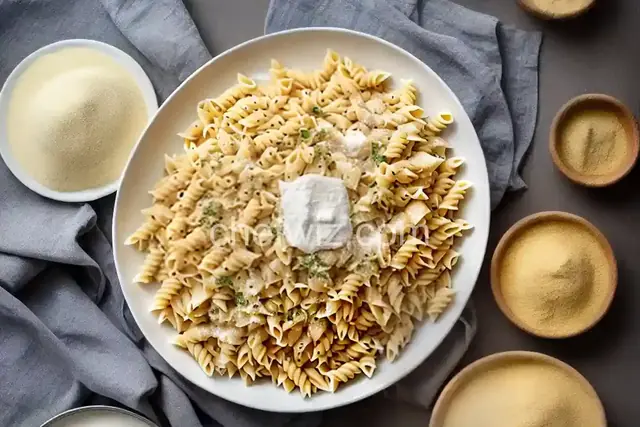 By AprilPublished
 Are you ready to embark on a culinary adventure to create delicious homemade ravioli?
If using an electric mixer, combine the flour and salt in the mixing bowl fitted with a dough hook.
Add the eggs one at a time and continue mixing.
Drizzle in 1 tablespoon of olive oil and mix until all the flour is incorporated and a ball of dough forms.
Sprinkle some flour on a work surface and knead and fold the dough for about 10 minutes until it becomes elastic and smooth.
Brush the surface of the dough with the remaining olive oil and wrap it in plastic wrap.
Allow the dough to rest for approximately 30 minutes to let the gluten relax.
If you don't have an electric mixer:
Combine the flour and salt on a flat work surface and shape it into a mound with a well in the center.
In the well, add the eggs and 1 tablespoon of olive oil, then lightly beat them with a fork.
Gradually incorporate the flour from the inside of the well, using a circular motion with one hand for mixing and the other hand to protect the outer wall.
Continue mixing until the flour forms a ball of dough.
Follow the remaining instructions as mentioned above.
To roll and shape the pasta:
Cut the ball of dough in half and cover and reserve the piece you're not immediately using to prevent it from drying out.
Dust the counter and dough with a little flour.
Press the
Are you ready to embark on a culinary adventure to create delicious homemade ravioli? Making your own pasta dough is the first step towards achieving perfection in every bite. In this article, we will explore the secrets of crafting the perfect pasta dough for ravioli. So, let's dive in and uncover the magic!
Imagine the pasta dough as the sturdy foundation of your ravioli masterpiece. Just like a solid base supports a magnificent building, a well-made pasta dough sets the stage for a delightful culinary experience. But what makes a good pasta dough?
Creating pasta dough is like weaving a tapestry of flavors and textures. The combination of flour, eggs, and a pinch of salt forms the backbone of this masterpiece. The flour provides structure, while the eggs add richness and bind everything together. As for the salt, it enhances the taste and brings out the natural flavors.
Now that we know the components, let's talk about the art of mixing them. It's essential to strike the perfect balance to achieve a smooth and elastic dough. Too much flour, and your dough will be dry and crumbly. Too little, and it will be sticky and hard to work with. Just like a perfectly tuned orchestra, each ingredient must harmonize with the others.
Think of your dough as a ballerina gracefully gliding across the stage. It should be soft, pliable, and easy to handle. The key is to add the flour gradually, allowing it to absorb the eggs and form a cohesive dough. Kneading the dough with love and care will develop the gluten, resulting in a tender yet resilient texture.
As tempting as it may be to dive right into rolling out the dough, patience is crucial. Allowing the dough to rest for at least 30 minutes will work wonders. Just like a weary traveler finding solace in a cozy inn, the resting time allows the gluten to relax and the flavors to meld together.
So, cover your dough with a clean kitchen towel and let it rest. Take this time to prepare your filling, whether it's a classic ricotta and spinach combination or a creative twist with mushroom and cheese. The possibilities are endless!
Now that you have mastered the art of creating the foundation, it's time to transform it into a work of art. Roll out your dough, aiming for a thin and even sheet. Just like a painter delicately brushes strokes onto a canvas, your rolling pin will shape the destiny of your ravioli.
Once your dough is rolled out, it's time to get creative with your filling. Spoon small mounds of your chosen filling onto the dough, leaving enough space in between. Then, gently cover the filling with another sheet of rolled-out dough, sealing the edges with your fingertips.
Imagine your ravioli as little parcels of joy, waiting to be cooked and enjoyed. Boil them in a pot of salted water until they float to the surface, indicating their readiness. Serve them with your favorite sauce, whether it's a classic marinara, a creamy alfredo, or a delicate brown butter and sage combination.
Creating the perfect pasta dough for ravioli is an art that requires patience, love, and a touch of creativity. From mixing the ingredients to rolling out the dough, every step contributes to the final masterpiece. So, gather your ingredients, unleash your inner chef, and let the magic of homemade ravioli unfold!
Absolutely! There are many gluten-free flour options available, such as almond flour or rice flour, that can be used to make delicious gluten-free pasta dough.
Homemade pasta dough can be stored in the refrigerator for up to 3 days. Just make sure to wrap it tightly in plastic wrap or place it in an airtight container to keep it fresh.
Yes, you can freeze homemade ravioli! After assembling the ravioli, place them on a baking sheet lined with parchment paper and freeze until firm. Once frozen, transfer them to a freezer-safe bag or container. They can be stored in the freezer for up to 2 months.
To prevent your ravioli from sticking together, make sure to generously flour both the working surface and the ravioli itself. This will create a barrier between the pasta and keep them from sticking.
Absolutely! While a pasta machine can make the rolling process easier, you can still make ravioli by rolling the dough with a rolling pin. Just make sure to roll the dough as thin as possible for the best results.
Yes, you can use whole wheat flour to make pasta dough for ravioli. However, keep in mind that the texture and flavor will be slightly different compared to using all-purpose flour.
The ravioli is cooked when it floats to the surface of the boiling water. This indicates that the pasta is cooked through and ready to be enjoyed.
Yes, you can make the pasta dough in advance and keep it in the refrigerator until you are ready to use it. Just make sure to wrap it tightly in plastic wrap to prevent it from drying out.
AprilCook, recipe developer and the heart of Chefwiz. More about April