Unleavened Bread
Rate this recipeBe the first to rate
 By AprilPublished
 Have you ever tasted the heavenly delight of freshly baked bread?
 By AprilPublished
 Have you ever tasted the heavenly delight of freshly baked bread?
Preheat the oven to 375 degrees F (190 degrees C).
Grease a baking sheet.
In a large bowl, combine flour and salt. Create a well in the center.
In a separate bowl, beat together the eggs and melted butter. Pour the mixture into the well in the flour mixture.
Use a fork to mix the ingredients until they become crumbly.
Slowly add milk to the flour mixture. Use your hands to mix the dough into a ball.
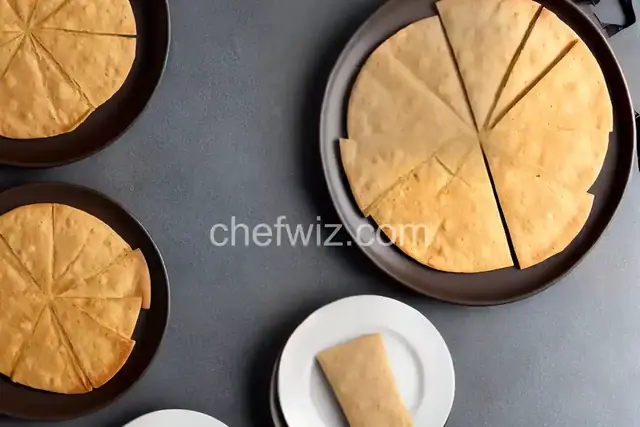
Roll the dough into a flat loaf shape.
Place the dough on the greased baking sheet.
Bake in the preheated oven for 15 to 20 minutes, or until the edges are lightly browned.
If desired, you can use water instead of milk and oil instead of butter as alternatives.
Have you ever tasted the heavenly delight of freshly baked bread? The aroma wafting through the air, the warmth of the loaf in your hands, and the satisfaction of biting into a slice of pure goodness. Bread has been a staple in many cultures for centuries. One such type of bread is unleavened bread. In this article, we will explore the wonderful world of unleavened bread, its history, its unique characteristics, and why you should give it a try.
Unleavened bread is a type of bread that is made without the use of yeast or other leavening agents. It is a simple and humble bread that has been enjoyed by various civilizations throughout history. Unlike its leavened counterparts, unleavened bread does not rise, resulting in a denser and more compact texture. The absence of leavening agents also gives unleavened bread a distinct taste and flavor profile.
Unleavened bread has a rich history that dates back thousands of years. It is believed to have originated in ancient Egypt, where it was a staple food for the Egyptians. The use of unleavened bread can also be traced back to biblical times, where it played a significant role in religious ceremonies and rituals. It was during the Jewish holiday of Passover that unleavened bread gained widespread recognition and became an integral part of Jewish tradition.
Unleavened bread offers several advantages over its leavened counterparts. Firstly, it is quick and easy to make. Since it does not require yeast or other leavening agents, there is no need for lengthy rising or proofing times. This makes unleavened bread a perfect choice for those who are short on time or new to bread-making. Secondly, unleavened bread is a healthier alternative. It tends to have fewer calories and a lower carbohydrate content compared to leavened bread. Lastly, the unique taste and texture of unleavened bread make it a delightful addition to any meal.
Unleavened bread can be enjoyed in various ways. It can be served as a side dish alongside soups or stews, used as a base for sandwiches, or even enjoyed on its own with a spread of butter or jam. Its versatility allows you to get creative and experiment with different flavors and toppings. Whether you prefer it plain or with a hint of herbs and spices, unleavened bread is sure to satisfy your taste buds.
In conclusion, unleavened bread is a delightful and simple delight that has stood the test of time. Its history, unique characteristics, and ease of preparation make it a great choice for bread enthusiasts and beginners alike. So why not try your hand at making unleavened bread and experience the joy of baking a traditional bread that has been enjoyed for centuries?
Yes, unleavened bread can be made gluten-free by using alternative flours such as rice flour or almond flour.
Yes, unleavened bread can be frozen for later use. Just make sure to wrap it tightly in plastic wrap or place it in an airtight container before freezing.
Unleavened bread can last for several days when stored in a cool and dry place. However, it is best enjoyed fresh.
Absolutely! Unleavened bread can be customized with various flavors and fillings. From herbs and spices to cheese and vegetables, the possibilities are endless.
While unleavened bread is often associated with religious holidays like Passover, it can be enjoyed throughout the year as a delicious and versatile bread option.
Yes, unleavened bread holds cultural significance in various cultures and is often used in traditional dishes and ceremonies.
Yes, unleavened bread can be made on a stovetop or even over an open flame. It requires a different cooking technique but can still yield delicious results.
Yes, different cultures have their own variations of unleavened bread, each with its own unique flavors and preparation methods.
AprilCook, recipe developer and the heart of Chefwiz. More about April