Czech Bread Dumplings (Knedlíky)
Rate this recipeBe the first to rate
 By AprilPublished
 Are you ready to embark on a culinary journey to the heart of Czech cuisine?
 By AprilPublished
 Are you ready to embark on a culinary journey to the heart of Czech cuisine?
Gather all the necessary ingredients.
In a bowl, combine warm milk, sugar, and yeast. Allow it to sit and bloom for approximately 10 minutes.
Add an egg and kosher salt to the yeast mixture. Then, pour in 2 ¾ cups of flour. Stir using a wooden spoon until the dough starts to pull away from the sides of the bowl and forms a cohesive dough.
Knead the dough on a lightly floured surface until it becomes smooth and slightly elastic, which usually takes around 3 minutes.
Transfer the dough to a lightly oiled bowl, making sure to coat the top of the dough with oil. Cover the bowl and let the dough rise in a warm place until it doubles in size, which usually takes about 2 hours.
Once the dough has risen, place it back on your work surface and press out any excess air. Form the dough into a uniform ball.
Divide the dough into two equal pieces, and shape each piece into a uniform ball. Roll each ball into a tube, approximately 2 to 2 ½ inches wide. Cover the dough with plastic wrap or a clean kitchen towel and let it proof for 20 to 25 minutes.
Meanwhile, bring a large pot of salted water to a steady simmer.
Carefully transfer one of the risen pieces of dough into the simmering water. Bring the water back to a simmer, cover the pot tightly
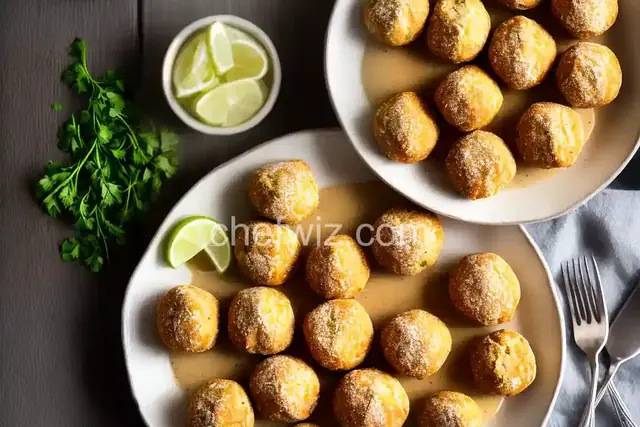
Are you ready to embark on a culinary journey to the heart of Czech cuisine? Join me as we explore the delightful world of Czech bread dumplings, also known as Knedlíky. These pillowy soft dumplings are the perfect accompaniment to hearty Czech dishes, adding a touch of comfort and satisfaction to every bite.
Imagine sinking your teeth into a cloud-like dumpling that effortlessly soaks up the rich flavors of a savory sauce. That's the magic of Czech bread dumplings. Made from a simple dough mixture of flour, yeast, milk, and eggs, these dumplings are then steamed to perfection. The result? A light and fluffy dumpling that pairs beautifully with stews, roasts, and saucy dishes.
Making Czech bread dumplings is an art that requires patience and precision. The dough must be carefully mixed and kneaded to achieve the perfect consistency. Once formed into a log, the dough is wrapped in a cloth and gently steamed until cooked through. The dumplings are then sliced into rounds and served alongside the main dish.
One of the most popular ways to enjoy Czech bread dumplings is with Svíčková, a traditional Czech dish consisting of marinated beef, a creamy sauce, and cranberry compote. The dumplings act as a sponge, soaking up the delicious sauce and elevating the flavors of the dish. They also make a wonderful accompaniment to goulash, roasted meats, and sauerkraut.
Czech bread dumplings are more than just a side dish; they are a taste of Czech culture and tradition. These dumplings have been a staple in Czech cuisine for centuries, passed down through generations. They are a symbol of comfort, warmth, and togetherness, bringing families and friends together around the dinner table.
To reheat Czech bread dumplings, simply steam them for a few minutes until warmed through. You can also slice them and pan-fry them in butter for a crispy texture.
Yes, you can freeze Czech bread dumplings. After steaming and cooling, wrap them tightly in plastic wrap or place them in an airtight container. When ready to use, thaw them in the refrigerator and reheat as desired.
No, Czech bread dumplings are not gluten-free as they are made with wheat flour. However, there are gluten-free alternatives available that use ingredients like rice flour or potato starch.
While yeast is traditionally used in Czech bread dumplings, you can make a yeast-free version using baking powder as a leavening agent. The texture and flavor may vary slightly, but the dumplings will still be delicious.
Czech bread dumplings are typically savory, but they can be adapted to suit your taste. For a sweet twist, you can add a touch of sugar or vanilla to the dough.
Czech bread dumplings can be kept in the refrigerator for up to 3 days. To prolong their freshness, store them in an airtight container or wrap them tightly in plastic wrap.
Yes, you can make Czech bread dumplings without eggs. Simply omit the eggs from the dough mixture and adjust the liquid as needed to achieve the right consistency.
While Czech bread dumplings and German bread dumplings share similarities, they are not the same. Czech bread dumplings are typically lighter and fluffier, while German bread dumplings tend to be denser and heavier.
In conclusion, Czech bread dumplings are a delightful addition to any Czech meal, bringing comfort and flavor to the table. Whether enjoyed with a traditional dish or adapted to suit your taste, these pillowy dumplings are sure to satisfy. So why not try your hand at making Czech bread dumplings and experience the magic for yourself?
AprilCook, recipe developer and the heart of Chefwiz. More about April