Ultimate Mashed Potatoes
Rate this recipeBe the first to rate
 By AprilPublished
 Who doesn't love a heaping plate of creamy, buttery mashed potatoes?
 By AprilPublished
 Who doesn't love a heaping plate of creamy, buttery mashed potatoes?
Begin by heating the broth and potatoes in a 3-quart saucepan over medium-high heat until it reaches a boil.
Once boiling, reduce the heat to medium and cover the saucepan. Allow the potatoes to cook for approximately 10 minutes, or until they become tender.
Drain the potatoes, but be sure to reserve the broth for later use.
Mash the cooked potatoes, adding in 1/4 cup of the reserved broth, light cream, sour cream, chives, butter, bacon, and black pepper.
If desired, gradually add more of the reserved broth to achieve the desired consistency.
Finally, garnish the mashed potatoes with the remaining bacon.
Who doesn't love a heaping plate of creamy, buttery mashed potatoes? They are the ultimate comfort food and a staple on many dinner tables. But how can you take your mashed potatoes to the next level? In this article, we will explore some tips and tricks to create the ultimate mashed potatoes that will have your taste buds dancing with delight.
The first step in creating the perfect mashed potatoes is choosing the right type of potato. Russet potatoes are a popular choice due to their high starch content, which results in fluffy and light mashed potatoes. Yukon Gold potatoes are another great option, as they have a creamy texture and a buttery flavor.
When it comes to peeling potatoes for mashed potatoes, it's a matter of personal preference. Some people prefer the smooth and velvety texture of peeled potatoes, while others enjoy the added texture and nutrients that the potato skin provides. If you decide to leave the skin on, make sure to give the potatoes a good scrub to remove any dirt or debris.
Once you've chosen your potatoes, it's time to cook them to perfection. Start by cutting the potatoes into evenly sized pieces to ensure even cooking. Boil the potatoes in salted water until they are fork-tender. This usually takes around 15-20 minutes, depending on the size of the potato pieces. Overcooking the potatoes can result in a gummy texture, so make sure to keep an eye on them.
Seasoning is key when it comes to mashed potatoes, and that starts with adding salt to the cooking water. Adding salt to the water helps to season the potatoes from the inside out, resulting in a more flavorful end product. Be generous with the salt, as potatoes can be quite bland without it.
Butter is what takes mashed potatoes from good to amazing. After draining the cooked potatoes, return them to the pot and add a generous amount of butter. The heat from the potatoes will melt the butter, creating a luscious and creamy base. Use unsalted butter so that you can control the saltiness of the final dish.
To achieve the perfect texture, use a potato masher or a hand mixer to mash the potatoes until smooth. Avoid overmixing, as this can result in a gluey texture. For extra creaminess, you can also add some warm milk or cream to the potatoes as you mash them.
Once the potatoes are mashed to your desired consistency, it's time to season them to taste. Add salt and pepper, and any other seasonings you prefer, such as garlic powder, chives, or grated cheese. Taste as you go and adjust the seasonings accordingly. Remember, you can always add more, but you can't take it away.
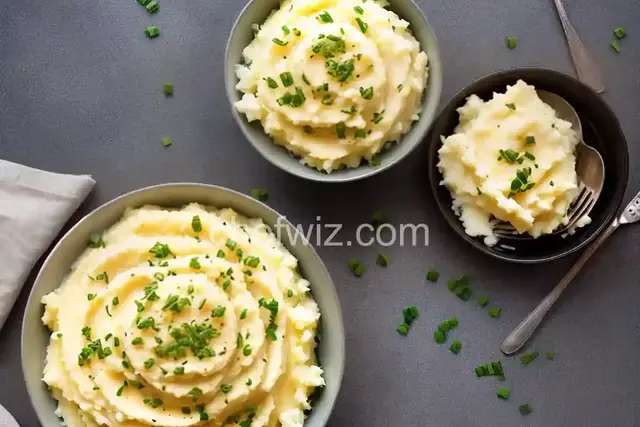
Now that your ultimate mashed potatoes are ready, it's time to garnish and serve them. You can top them with a pat of butter, a sprinkle of fresh herbs, or even some crispy bacon bits. Mashed potatoes pair well with a variety of dishes, from roasted chicken to grilled steak to vegetarian options.
Mashed potatoes are a classic side dish that can be elevated to new heights with a few simple tips and tricks. By choosing the right potatoes, cooking them to perfection, and adding the right ingredients, you can create the ultimate mashed potatoes that will have everyone at the table asking for seconds. So go ahead, get creative, and enjoy the creamy goodness of homemade mashed potatoes.
Yes, you can use red potatoes for mashed potatoes. However, keep in mind that red potatoes have a waxy texture, which results in a slightly chunkier mashed potato. If you prefer a smoother texture, opt for Russet or Yukon Gold potatoes.
Yes, you can make mashed potatoes ahead of time. Simply prepare the mashed potatoes as usual, cover them tightly, and refrigerate. When you're ready to serve, reheat them in the oven or on the stovetop, adding a bit of milk or butter to loosen them up if needed.
Yes, you can freeze mashed potatoes. Allow the mashed potatoes to cool completely, then transfer them to a freezer-safe container or zip-top bag. When you're ready to enjoy them, thaw them in the refrigerator overnight and reheat them as desired.
To make vegan mashed potatoes, simply substitute dairy-free alternatives for the butter and milk. Use vegan butter or margarine and a non-dairy milk, such as almond milk or oat milk. The result will be just as delicious and creamy.
Absolutely! Adding cheese to mashed potatoes can take them to a whole new level of deliciousness. Add grated cheddar, Parmesan, or even blue cheese to your mashed potatoes for a cheesy twist.
Leftover mashed potatoes can be turned into a variety of tasty dishes. You can make potato pancakes, shepherd's pie, or even use them as a topping for a creamy potato soup. Get creative and experiment with different recipes!
To make your mashed potatoes less lumpy, make sure to cut the potatoes into evenly sized pieces before cooking. Additionally, using a potato ricer or a food mill can help ensure a smoother texture. If you still have some lumps, you can also pass the mashed potatoes through a fine-mesh sieve.
Absolutely! If you don't have a potato masher, you can use a fork or a sturdy whisk to mash the potatoes. It might take a bit
AprilCook, recipe developer and the heart of Chefwiz. More about April