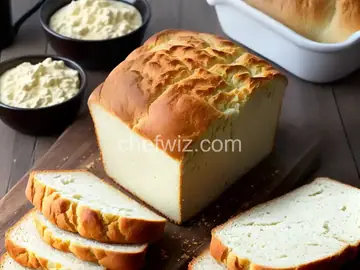
Traditional White Bread
Rate this recipeBe the first to rate
 By AprilPublished
 Are you craving the comforting aroma of freshly baked bread? Look no further!
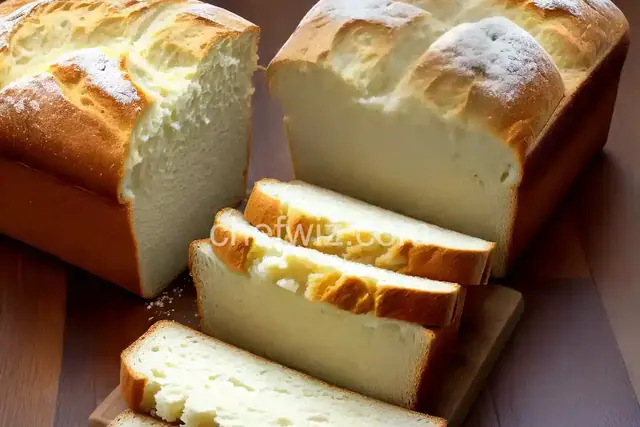 By AprilPublished
 Are you craving the comforting aroma of freshly baked bread? Look no further!
Start by dissolving the yeast and sugar in warm water in a large bowl.
Stir in 2 cups of flour, lard, and salt.
Gradually add the remaining flour, 1/2 cup at a time, mixing well after each addition.
Once the dough comes together, transfer it to a lightly floured surface and knead for about 8 minutes until smooth and elastic.
Lightly oil a large bowl and place the dough in it, turning it to coat with oil.
Cover the bowl with a damp cloth and allow the dough to rise in a warm place until it doubles in volume, which should take around 1 hour.
Grease two 9x5-inch loaf pans with a light coating of oil.
Deflate the dough and transfer it to a lightly floured surface.
Divide the dough into two equal pieces and shape them into loaves.
Place the loaves into the prepared pans, cover them with a damp cloth, and let them rise until doubled in volume, which should take around 40 minutes.
Preheat the oven to 425 degrees F (220 degrees C).
Once the oven is preheated, place the bread in it and immediately lower the temperature to 375 degrees F (190 degrees C).
Bake the loaves for approximately 30 minutes, or until the top is golden brown and the bottom of the loaf sounds
Are you craving the comforting aroma of freshly baked bread? Look no further! In this article, we will delve into the art of making traditional white bread from scratch. Whether you're a seasoned baker or a beginner, this recipe will guide you through the process, step by step. So, roll up your sleeves and let's get started!
There's something magical about the process of making bread from scratch. As you mix the simple ingredients together, the dough begins to transform, rising and swelling like a living creature. The scent of yeast fills the air, promising warmth and comfort. And when the bread emerges from the oven, golden brown and crusty, it's a moment of pure satisfaction.
But why bother making bread at home when you can easily buy it from the store? The answer lies in the quality and taste. Store-bought bread often contains preservatives and additives, compromising its flavor. Homemade bread, on the other hand, is made with love and care, resulting in a loaf that is soft, fluffy, and oh-so-delicious.
Before we dive into the recipe, let's take a closer look at the basic ingredients you'll need:
Now that we're familiar with the ingredients, let's jump into the step-by-step process of making traditional white bread:
And there you have it – a simple yet foolproof recipe for traditional white bread. Baking bread at home is not only a delicious way to nourish yourself and your loved ones, but it's also a therapeutic and rewarding experience. So, why not give it a try? Fill your kitchen with the aroma of freshly baked bread and enjoy the fruits of your labor. Happy baking!
Absolutely! Whole wheat flour can be substituted for all-purpose flour, although it may result in a denser loaf. You may need to adjust the amount of liquid and kneading time accordingly.
To check if your yeast is still active, dissolve it in lukewarm water with a pinch of sugar. If it becomes frothy within a few minutes, it's good to go. If not, your yeast may have expired, and you'll need to get a fresh batch.
Absolutely! Adding herbs or spices to your bread dough can elevate the flavor profile. Experiment with your favorite combinations and let your creativity shine.
To keep your homemade bread fresh, store it in a paper bag or bread box at room temperature. Avoid storing it in plastic bags, as this can make the crust soft and chewy.
Yes, you can freeze homemade bread! Simply slice the loaf, wrap it tightly in plastic wrap or aluminum foil, and place it in a freezer bag. Thaw the slices as needed and enjoy.
Homemade bread is best enjoyed within the first few days of baking. It can stay fresh for up to a week if stored properly.
Absolutely! Many bread machines have a dedicated setting for white bread. Simply follow the manufacturer's instructions to make your bread dough and let the machine do the work for you.
Definitely! This recipe can be adapted to make delicious white bread buns or rolls. Simply shape the dough into smaller portions, let them rise, and bake them for a slightly shorter time.
AprilCook, recipe developer and the heart of Chefwiz. More about April