Amish White Bread
Rate this recipeBe the first to rate
 By AprilPublished
 When it comes to the art of bread-making, few can rival the timeless appeal and rustic charm of Amish White Bread.
 By AprilPublished
 When it comes to the art of bread-making, few can rival the timeless appeal and rustic charm of Amish White Bread.
Gather all the necessary ingredients.
In a large bowl, dissolve sugar in warm water. Stir in yeast and let it proof until it forms a creamy foam, which should take about 5 to 10 minutes.
Add oil and salt to the yeast mixture. Gradually mix in the flour, adding one cup at a time.
On a lightly floured surface, knead the dough until it becomes smooth.
Place the dough in a well-oiled bowl, ensuring it is coated all around. Cover with a damp cloth and let it rise until it has doubled in size, which should take approximately 1 hour.
Punch down the dough to release any air bubbles.
Knead the dough for a few minutes, then divide it in half. Shape each portion into a loaf and place them into two well-oiled 9x5-inch loaf pans.
Allow the dough to rise again until it reaches the top of the pans, which should take about 30 minutes.
In the meantime, preheat the oven to 350 degrees F (175 degrees C).
Once the dough has risen, bake the loaves in the preheated oven for approximately 30 minutes or until they turn golden brown.
Finally, enjoy your freshly baked bread!
When it comes to the art of bread-making, few can rival the timeless appeal and rustic charm of Amish White Bread. This traditional recipe has been passed down through generations, capturing the hearts and taste buds of many with its simple yet satisfying flavors. Join me as we embark on a delightful journey into the world of Amish White Bread, discovering its origins, unique characteristics, and the joy it brings to those who savor its tender and fluffy slices.
Imagine a simpler time, where the hustle and bustle of modern life were replaced by a sense of community and togetherness. The Amish people, known for their commitment to a traditional way of life, have long embraced the art of baking bread as an essential part of their daily routine. Amish White Bread, with its soft texture and mild flavor, has become a staple in their households, embodying the values of simplicity, authenticity, and quality.
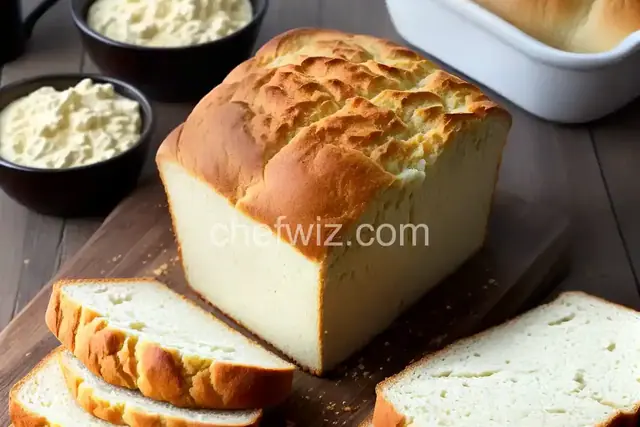
One of the most distinctive features of Amish White Bread is its irresistibly soft and fluffy texture. Every bite feels like a pillowy cloud, melting in your mouth and leaving a subtle sweetness behind. This bread is perfect for sandwiches, toast, or simply enjoyed on its own. Its versatility and delicate flavor make it a beloved choice for both young and old.
What sets Amish White Bread apart from other bread recipes is the love and care that goes into making it. The process of kneading the dough by hand, patiently waiting for it to rise, and baking it to perfection requires time and dedication. By investing their time and effort, the Amish bakers infuse every loaf with a special touch that can't be replicated by mass-produced bread.
Unlike many commercial breads that rely on artificial additives and quick-rising techniques, Amish White Bread takes its time to develop its unique flavor. The dough is allowed to rise slowly, giving it ample time to ferment and develop a depth of taste that is truly remarkable. This slow rise ensures that every slice is packed with flavor and a subtle tang that lingers on your palate.
Now that we've explored the allure of Amish White Bread, it's time to bring the magic into your own kitchen. With a few simple ingredients and a dash of patience, you can experience the joy of baking this traditional bread yourself. Whether you're a seasoned baker or a novice in the kitchen, Amish White Bread is a recipe that anyone can master.
To create the perfect loaf of Amish White Bread, you'll need flour, yeast, water, sugar, salt, and a touch of oil. These humble ingredients come together to form the foundation of this beloved bread. Remember, it's the simplicity of the recipe that allows the flavors to shine through.
Once you've gathered your ingredients, it's time to roll up your sleeves and get to work. Kneading the dough by hand not only brings a sense of satisfaction but also allows you to connect with the centuries-old tradition of bread-making. As you feel the dough transform beneath your fingertips, you'll understand why this process is considered therapeutic and rewarding.
As the dough rises, it's important to resist the temptation to rush the process. Allow it to double in size, savoring the anticipation of what's to come. This waiting period is a reminder that good things take time, and the end result will be worth every minute of patience.
Amish White Bread is more than just a loaf of bread; it's a symbol of tradition, community, and the joy of simple pleasures. Whether you're baking it for your family or sharing it with friends, this timeless recipe is sure to bring smiles and contentment. So, gather your ingredients, embrace the art of bread-making, and savor the delightful journey that Amish White Bread offers.
While it's possible to substitute whole wheat flour, keep in mind that it will alter the texture and taste of the bread. Experiment with different ratios to find the perfect balance that suits your preferences.
Absolutely! Once cooled, you can slice the bread and freeze it for future use. Just make sure to wrap it tightly to prevent freezer burn.
If stored properly in a sealed container, Amish White Bread can stay fresh for up to a week. However, it's unlikely to last that long once you experience its delightful flavors!
Certainly! Feel free to get creative and add your favorite extras to the dough before baking. Whether it's raisins, nuts, or even herbs, these additions can elevate the flavor profile of your Amish White Bread.
No, traditional Amish White Bread is not gluten-free as it uses regular wheat flour. However, there are gluten-free alternatives available that can help you enjoy a similar bread experience.
While the traditional method involves kneading the dough by hand, you can adapt the recipe for a bread machine. Simply follow the machine's instructions and enjoy the convenience of homemade bread.
Amish White Bread stands out due to its soft texture, mild sweetness, and the love that goes into making it. The traditional techniques and slow rise contribute to its unique flavor profile.
Absolutely! Honey can be a wonderful substitute for sugar in Amish White Bread, adding a touch of natural sweetness and depth of flavor.
AprilCook, recipe developer and the heart of Chefwiz. More about April