Traditional Rub for St. Louis Ribs
Rate this recipeBe the first to rate
 By AprilPublished
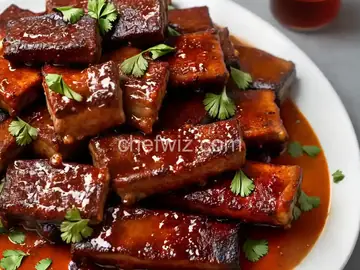
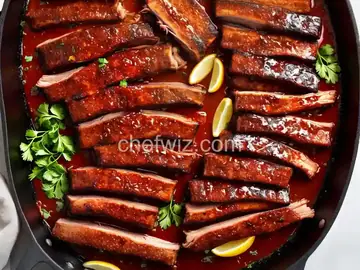
 When it comes to cooking St. Louis ribs, there's nothing quite like a traditional rub to enhance the flavor and create a delicious meal.
 By AprilPublished
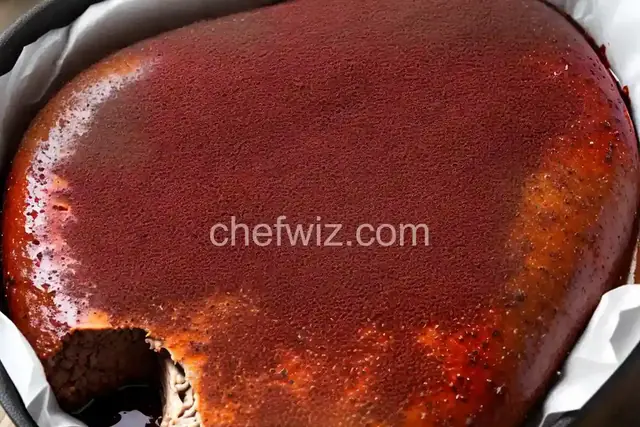
 When it comes to cooking St. Louis ribs, there's nothing quite like a traditional rub to enhance the flavor and create a delicious meal.
Create dry rub: Mix together brown sugar, paprika, mustard, sea salt, garlic powder, onion powder, and coriander in a small bowl.
Prepare the ribs: Coat the ribs with oil and sprinkle them with the dry rub. Allow the ribs to sit at room temperature for 1 hour.
Heat a charcoal or gas grill for indirect cooking at a temperature of 230 to 250 degrees F (110 to 120 degrees C). Add drained wood chips.
Place the ribs, meaty-side down, over a drip pan and cook on the preheated grill for 2 hours. Occasionally baste the ribs with sprays of apple juice on both sides. For a charcoal grill, add approximately 12 coals every 45 minutes to maintain the heat.
Remove the ribs from the grill and wrap each rack in heavy-duty aluminum foil. Return the wrapped ribs to the grill and continue cooking over indirect heat until the ribs are very tender. This usually takes about 1 hour and 30 minutes to 3 hours. For a charcoal grill, add more coals as necessary to maintain the temperature.
When it comes to cooking St. Louis ribs, there's nothing quite like a traditional rub to enhance the flavor and create a delicious meal. But what exactly makes a traditional rub? In this article, we'll explore the ins and outs of creating the perfect rub for your St. Louis ribs.
Before we dive into the specifics of a traditional rub, let's start with the basics. A rub is a mixture of herbs, spices, and other seasonings that is applied to meat before cooking. It adds flavor, enhances the texture, and creates a mouthwatering crust on the surface of the meat.
St. Louis ribs have a rich and meaty flavor, but a good rub can take them to a whole new level. The combination of spices and seasonings in a traditional rub helps to enhance the natural flavors of the ribs, creating a tantalizing taste sensation that will leave your taste buds begging for more.
Now that we understand the importance of a rub, let's talk about how to create the perfect traditional rub for St. Louis ribs. The key is to find the right balance of flavors that will complement the meat without overpowering it.
A traditional rub typically includes a combination of spices such as paprika, garlic powder, onion powder, black pepper, and cayenne pepper. These spices add warmth and depth of flavor to the ribs, creating a well-rounded taste experience.
To balance out the spices, a touch of sweetness is often added to the rub. Brown sugar or honey are popular choices, as they caramelize during cooking, creating a deliciously sweet and sticky glaze on the ribs.
Don't forget the salt! Salt is an essential ingredient in any rub as it helps to enhance the natural flavors of the meat. Be sure to use a good quality salt and adjust the amount to suit your taste.
While a traditional rub is a great starting point, don't be afraid to get creative and add your own personal touch. Experiment with different herbs, spices, and seasonings to create a rub that is uniquely yours.
Once you've created your perfect traditional rub, it's time to apply it to the St. Louis ribs. Make sure the ribs are dry before applying the rub, as moisture can prevent the rub from adhering properly.
Start by generously sprinkling the rub over the surface of the ribs, using your hands to gently massage it into the meat. Be sure to coat both sides of the ribs for maximum flavor.
After applying the rub, it's time to cook the ribs. There are various cooking methods you can choose from, including grilling, smoking, or baking. Whichever method you choose, make sure to cook the ribs low and slow to allow the flavors to develop and the meat to become tender.
A traditional rub is the secret to achieving mouthwatering St. Louis ribs. By combining a careful selection of spices, a touch of sweetness, and a pinch of salt, you can create a rub that will take your ribs to new heights of flavor. So next time you're planning to cook St. Louis ribs, don't forget to whip up a batch of your very own traditional rub.
Yes, you can certainly use a pre-made rub if you're short on time or prefer the convenience. However, making your own traditional rub allows you to customize the flavors to your liking.
For best results, it's recommended to let the rub sit on the ribs for at least 30 minutes to allow the flavors to penetrate the meat. However, if you're short on time, you can still achieve great results by applying the rub right before cooking.
Absolutely! While brown sugar is a popular choice, you can experiment with different types of sugar such as white sugar, maple syrup, or even molasses to create different flavor profiles.
Yes, you can adjust the amount of spices in the rub to suit your personal taste preferences. Start with the recommended measurements and adjust accordingly until you find the perfect balance of flavors.
The cooking time for St. Louis ribs can vary depending on the cooking method and the thickness of the ribs. As a general rule, allow 2-3 hours for grilling or smoking, and 3-4 hours for baking in a low-temperature oven.
Absolutely! While the traditional rub is specifically designed for St. Louis ribs, you can certainly use it on other types of meat such as pork chops, chicken, or even beef. Just adjust the cooking time accordingly.
Yes, you can store the rub in an airtight container in a cool, dry place for up to 6 months. This allows you to have a batch of homemade rub ready whenever you're in the mood for some delicious St. Louis ribs.
While the traditional rub is primarily designed for meat, you can certainly experiment with using it on vegetarian or vegan dishes. Try using it on grilled vegetables, tofu, or even tempeh to add a burst of flavor.
AprilCook, recipe developer and the heart of Chefwiz. More about April