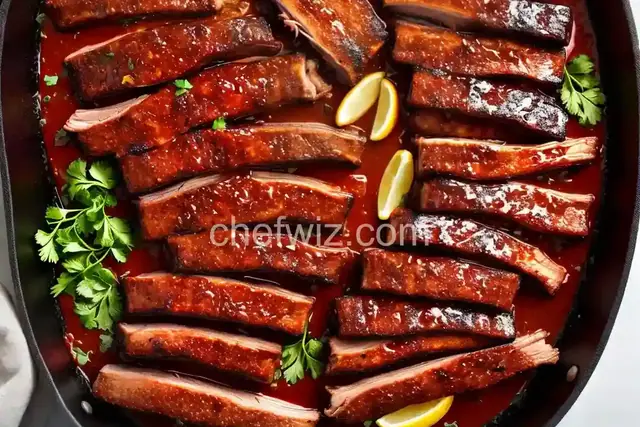
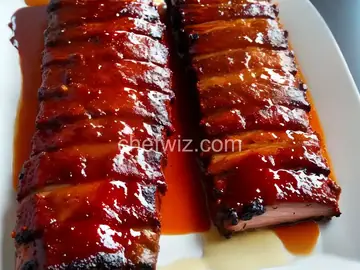
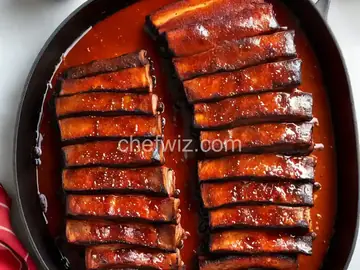
Are you tired of the same old pork spare ribs? Do you want to elevate your barbecue game and impress your friends and family with a unique and flavorful dish? Look no further, because I've got the recipe for you! In this article, I will show you how to smoke pork spare ribs like a pro, creating a dish that is anything but ordinary.
Why Smoke Pork Spare Ribs?
Smoking pork spare ribs is a culinary adventure that adds a whole new dimension to your cooking. The low and slow cooking method infuses the meat with a smoky flavor and tenderizes it to perfection. The result is succulent ribs that fall off the bone, each bite bursting with rich, smoky goodness.
But smoking pork spare ribs is not just about the taste. It's also about the experience. The process of smoking ribs requires patience and attention to detail. It's like a slow dance between the cook and the grill, where you have to carefully monitor the temperature and adjust the smoke levels to achieve that perfect balance of flavors.
Choosing the Right Ribs
When it comes to smoking pork spare ribs, choosing the right cut of meat is crucial. Look for ribs that have a good amount of meat on them and are not overly fatty. The meat should be marbled with fat, as this will help keep the ribs moist and flavorful during the smoking process.
It's also important to remove the membrane from the back of the ribs before smoking. This thin layer can prevent the smoke and seasoning from penetrating the meat, resulting in a less flavorful end product. Simply use a knife or your fingers to peel off the membrane, and you're ready to go.
The Smoking Process
Now that you have the perfect ribs, it's time to start the smoking process. Preheat your smoker to a temperature of around 225°F, as this will ensure slow and even cooking. You can use a combination of charcoal and wood chips to create that signature smoky flavor. Experiment with different types of wood, such as hickory, apple, or mesquite, to find your favorite flavor profile.
Once your smoker is preheated, place the ribs on the grates, bone side down. Close the lid and let the magic happen. The ribs will need to smoke for several hours, so be patient. During this time, you can baste the ribs with a flavorful barbecue sauce or mop to keep them moist and add an extra layer of flavor.
Pro Tip:
For an extra burst of flavor, try wrapping the ribs in foil during the last hour of cooking. This will help trap the moisture and intensify the smoky taste. Just be careful when unwrapping the foil, as the ribs will be hot and tender.
The Finishing Touch
Once your ribs have reached the desired tenderness, it's time to take them off the smoker and let them rest for a few minutes. This resting period allows the juices to redistribute, resulting in moist and juicy ribs. Then, slice the ribs into individual portions and serve them with your favorite barbecue sauce or a side of coleslaw.
So, the next time you're craving pork spare ribs, don't settle for the ordinary. Take the plunge into the world of smoking and elevate your barbecue game. With a little patience and a lot of flavor, you can create not-your-everyday smoked pork spare ribs that will leave everyone wanting more.
Frequently asked questions
- How long does it take to smoke pork spare ribs?
The smoking process usually takes around 4 to 6 hours, depending on the size of the ribs and the temperature of your smoker.
- Can I use a gas grill instead of a smoker?
While a gas grill can be used for smoking, it may not provide the same depth of flavor as a dedicated smoker. However, you can still achieve tasty results by using a smoker box or foil packet filled with wood chips.
- Should I marinate the ribs before smoking?
It's not necessary to marinate the ribs before smoking, as the smoking process will infuse them with plenty of flavor. However, you can apply a dry rub or a marinade if you prefer.
- Can I freeze leftover smoked ribs?
Yes, you can freeze leftover smoked ribs. Just make sure to wrap them tightly in foil or place them in an airtight container before freezing. They can be reheated in the oven or on the grill later.
- How do I know when the ribs are done?
The ribs are done when the meat is tender and easily pulls away from the bone. You can also use a meat thermometer to check the internal temperature, which should be around 195°F.
- Can I use a different type of meat for smoking?
Absolutely! While pork spare ribs are a popular choice, you can also smoke beef ribs, chicken, or even fish. The smoking process can add a delicious smoky flavor to a variety of meats.
- Can I smoke ribs without a smoker?
If you don't have a smoker, you can still achieve smoky flavors by using a charcoal grill and indirect heat. Simply place the ribs on one side of the grill and the charcoal on the other, and let them smoke slowly.
- Can I use a store-bought barbecue sauce?
Absolutely! Store-bought barbecue sauces can add a great flavor to your smoked ribs. However, if you want to get creative, you can also make your own homemade sauce using your favorite ingredients.
- Do I need to soak the wood chips before using them?
It's not necessary to soak the wood chips before using them. Dry wood chips will produce more smoke, while soaked chips will create steam. Experiment with both methods to find your preferred level of smokiness.
 By AprilPublished