Traditional Beef Samosas: A Delightful Fusion of Flavors
Who doesn't love a crispy, savory samosa? These triangular pockets of joy are a staple in many cuisines, and one of the most popular variations is the traditional beef samosa. Bursting with aromatic spices and tender beef, these samosas are a delicious fusion of flavors that will leave your taste buds craving for more.
The Art of Making Traditional Beef Samosas
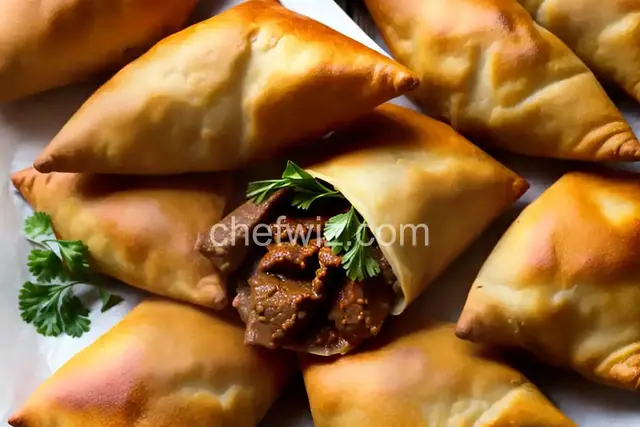
Creating the perfect beef samosa is an art. It requires a delicate balance of flavors and textures to achieve that irresistible bite. The process begins with a flaky pastry dough that encases the flavorful filling. The filling, typically made with minced beef, onions, garlic, and a secret blend of spices, is cooked to perfection before being carefully folded into the pastry. The samosas are then fried until golden brown and crispy, ready to be devoured.
The Secret to a Flaky Pastry
One of the key components of a delicious samosa is the flaky pastry. It should be crisp and light, providing the perfect contrast to the rich and flavorful filling. Achieving this texture requires a combination of factors, including the right ratio of flour to fat and a technique known as "layering." Layering involves folding the dough multiple times, creating thin layers that separate during frying, resulting in that sought-after flakiness.
A Symphony of Spices
No traditional beef samosa is complete without a harmonious blend of spices. From aromatic cumin and coriander to fiery chili powder and paprika, each spice plays a crucial role in creating a flavor profile that tantalizes the taste buds. The spices work together to enhance the natural richness of the beef and create a depth of flavor that is truly irresistible.
The Magic of Traditional Beef Samosas
Traditional beef samosas are more than just a delicious snack; they are a cultural experience. They bring people together, creating moments of joy and connection. Whether enjoyed as an appetizer, a snack, or a part of a larger meal, these samosas have the power to transport you to a world of exotic flavors and vibrant traditions.
Imagine biting into a perfectly crisp samosa, the flavors exploding in your mouth. The tender beef, the fragrant spices, the flaky pastry—each bite is a delightful adventure. It's like taking a journey to a bustling street market, where the aroma of spices fills the air and the sound of sizzling samosas entices passersby.
These samosas are not just a treat for your taste buds; they are a treat for your senses. The sight of the golden-brown crust, the sound of the crunch as you take a bite, the smell of the fragrant spices—it all comes together to create a sensory feast that is truly unforgettable.
Frequently asked questions
- Can I use a different type of meat instead of beef for samosas?
Absolutely! While traditional beef samosas are popular, you can customize the filling and use other meats like chicken, lamb, or even vegetarian options like potatoes and peas.
- Are samosas difficult to make at home?
Not at all! While making samosas may seem daunting at first, with a little practice and patience, you can master the art of samosa making in no time. Plus, the satisfaction of enjoying homemade samosas is worth the effort.
- Can I bake samosas instead of frying them?
Yes, you can bake samosas instead of frying them for a healthier alternative. However, keep in mind that the texture and flavor may vary slightly compared to the traditional fried version.
- Can I freeze samosas for later use?
Absolutely! Samosas freeze exceptionally well. After frying, allow them to cool completely, then store them in an airtight container or freezer bag. When you're ready to enjoy them, simply reheat them in the oven for a few minutes.
- Can I serve samosas with a dipping sauce?
Yes, samosas are often served with various dipping sauces like mint chutney, tamarind chutney, or even ketchup. These sauces complement the flavors of the samosas beautifully.
- How long do samosas stay fresh?
Freshly fried samosas are best enjoyed immediately while they are still warm and crispy. However, if stored properly in an airtight container, they can stay fresh for up to 2-3 days.
- Are samosas gluten-free?
Traditional samosas are made with wheat flour, which contains gluten. However, there are gluten-free alternatives available, such as using rice flour or gluten-free pastry dough, so everyone can enjoy this delicious treat.
- Can I make samosas in advance for a party?
Absolutely! Making samosas in advance for a party is a great idea. You can prepare the filling and fold the samosas ahead of time, then fry them just before serving to ensure they are hot and crispy.
- In Conclusion
Traditional beef samosas are a delightful fusion of flavors that bring joy to any occasion. From the flaky pastry to the aromatic spices and tender beef filling, each bite is a burst of culinary delight. So why not embark on this culinary adventure and try making these savory treats at home? You'll be rewarded with a delicious snack that will transport you to a world of exotic flavors and vibrant traditions.
 By AprilPublished