Saffron Couscous
Rate this recipeBe the first to rate
 By AprilPublished
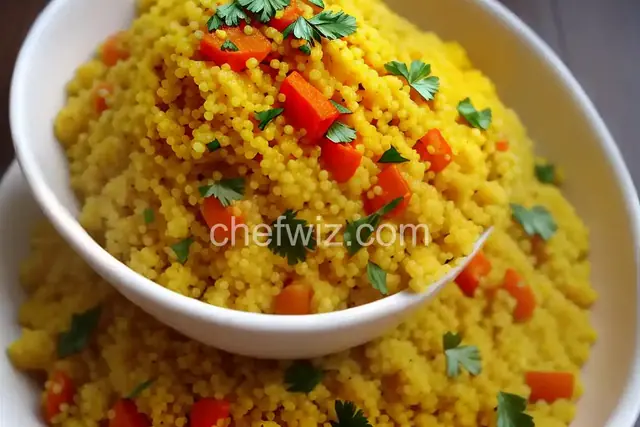
 When it comes to culinary delights, few dishes can match the exotic and aromatic experience of saffron couscous.
 By AprilPublished
 When it comes to culinary delights, few dishes can match the exotic and aromatic experience of saffron couscous.
In a bowl, combine warm water and saffron.
In a saucepan, mix couscous and vegetable broth together and bring to a boil.
Remove the saucepan from heat, cover it, and let it sit for 5 minutes.
Fluff the couscous with a fork and transfer it to a bowl.
Into the couscous, stir in the saffron mixture, celery, currants, olive oil, lemon juice, harissa, cumin, and sea salt.
Refrigerate the mixture until chilled, for at least 30 minutes.
This recipe serves 4 as a side dish or 2 as a main dish salad.
If desired, chicken or beef broth can be used instead of vegetable broth.
Harissa can be replaced with ground red pepper or red pepper flakes.
When it comes to culinary delights, few dishes can match the exotic and aromatic experience of saffron couscous. This golden-hued grain, infused with the delicate essence of saffron, is a true feast for the senses. Whether served as a side dish or the star of the meal, saffron couscous is a versatile and flavorful addition to any table.
Saffron, often referred to as the "golden spice," is a treasure trove of flavor and history. Derived from the crocus flower, this precious spice has been prized for centuries for its vibrant color and distinct taste. Just a pinch of saffron can transform an ordinary dish into something extraordinary.
When it comes to saffron couscous, the addition of this magical spice elevates the dish to new heights. The warm, earthy notes of saffron blend harmoniously with the nutty flavor of couscous, creating a symphony of taste that lingers on the palate.
Saffron couscous is not just a delicious dish; it is a celebration of tradition and culture. Originating from North Africa, couscous has been a staple in the region for centuries. This humble grain, made from durum wheat semolina, is steamed to perfection and served with a variety of meats, vegetables, and aromatic spices.
Just like the diverse flavors of the dish, the preparation of saffron couscous varies from region to region. In Morocco, for example, it is often cooked in a traditional steamer called a couscoussier, allowing the grains to absorb the flavors of the broth and spices. In Tunisia, saffron couscous is traditionally served with succulent lamb or chicken, creating a mouthwatering combination.
One of the reasons saffron couscous has gained popularity worldwide is its versatility. Whether you are a meat lover, a vegetarian, or a vegan, saffron couscous can be customized to suit your preferences.
For meat lovers, saffron couscous makes the perfect accompaniment to grilled lamb, chicken, or fish. The rich flavors of the meat complement the subtle saffron undertones, creating a symphony of taste. Vegetarians and vegans can enjoy saffron couscous as a standalone dish, packed with vegetables and topped with a flavorful sauce.
Moreover, saffron couscous can be enjoyed hot or cold, making it an ideal dish for any season. Serve it as a warm side dish during chilly winter nights, or toss it with fresh vegetables and herbs for a refreshing summer salad. The possibilities are endless!
Saffron couscous is more than just a dish; it is a journey through time and flavors. With its aromatic saffron-infused grains and endless possibilities, saffron couscous is a delightful blend of tradition and innovation. So why not embark on this culinary adventure and experience the magic of saffron couscous for yourself?
Couscous originated in North Africa and has been a staple in the region for centuries.
While saffron adds a unique flavor and color to the dish, you can still enjoy couscous without it. However, the distinct taste of saffron adds a delightful touch to the overall experience.
No, couscous is made from durum wheat semolina and contains gluten. Those with gluten sensitivities or allergies should opt for gluten-free alternatives.
There are various ways to cook saffron couscous, but the most common method involves steaming the grains in a couscoussier or a steamer. This allows the couscous to absorb the flavors of the broth and spices, resulting in a flavorful dish.
Yes, saffron couscous can be made in advance and stored in the refrigerator. Simply reheat it before serving or enjoy it chilled as a salad.
Saffron couscous pairs well with a variety of toppings, such as roasted vegetables, grilled chicken, lamb, or seafood. You can also drizzle it with a tangy sauce or sprinkle it with fresh herbs for added flavor.
Yes, saffron couscous can be frozen for later use. Make sure to store it in an airtight container to maintain its freshness.
Saffron is a versatile spice that can be used in a variety of dishes, such as paella, risotto, and even desserts like saffron-infused ice cream or cakes.
AprilCook, recipe developer and the heart of Chefwiz. More about April