To Sterilize Jars and Lids for Preserving
Rate this recipeBe the first to rate
 By AprilPublished
Preserving food is a great way to enjoy the flavors of summer all year round.
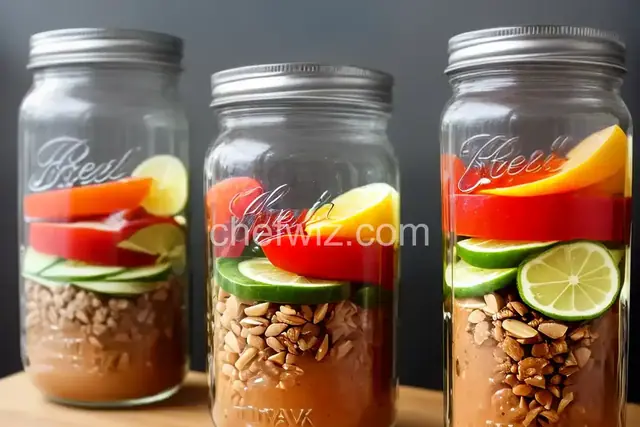 By AprilPublished
Preserving food is a great way to enjoy the flavors of summer all year round.
Clean the jars by washing them in hot soapy water and then rinsing them with scalding water.
Place the jars in a water-bath canner or on a rack set in a deep pot, and cover them with hot water.
Bring the water to a boil and let the jars boil, covered, for 15 minutes from the time steam starts to emerge from the pot.
Turn off the heat and allow the jars to stand in the hot water.
Just before filling the jars, flip them over onto a kitchen towel to dry. It is important to fill the jars while they are still hot.
Sterilize the lids by boiling them in water for 5 minutes.
Preserving food is a great way to enjoy the flavors of summer all year round. Whether you're making jams, pickles, or sauces, one of the most important steps in the preserving process is sterilizing your jars and lids. This ensures that your preserved foods stay fresh and safe to eat for months to come. But how exactly do you sterilize jars and lids? Let's find out!
When it comes to preserving food, cleanliness is key. Sterilizing your jars and lids helps eliminate any bacteria, yeast, or mold that may be present. By doing so, you create an environment that is inhospitable to these microorganisms, allowing your preserved foods to stay fresh and safe for a longer period of time.
There are several methods you can use to sterilize your jars and lids. One common method is boiling. Simply place your jars and lids in a large pot of boiling water for a set amount of time. Another method is using the dishwasher. Place your jars and lids in the dishwasher and run it on a hot cycle. You can also use the oven method. Preheat your oven to a specific temperature and then place your jars and lids inside for a certain duration.
To sterilize your jars and lids using the boiling method, start by washing them thoroughly with hot, soapy water. Rinse them well to remove any soap residue. Next, place your jars and lids in a large pot and fill it with enough water to cover them completely. Bring the water to a boil and let it boil for a specific amount of time. Once the time is up, carefully remove the jars and lids from the water using tongs and place them on a clean towel to air dry.
If you prefer using the dishwasher, start by washing your jars and lids with hot, soapy water. Rinse them well to remove any soap residue. Place your jars and lids in the dishwasher and run it on the hottest cycle. Once the cycle is complete, remove the jars and lids from the dishwasher and place them on a clean towel to air dry.
The oven method requires preheating your oven to a specific temperature, usually around 225°F (107°C). While the oven is preheating, wash your jars and lids with hot, soapy water and rinse them well. Place your jars and lids on a baking sheet and put them in the preheated oven. Let them bake for a certain duration, usually around 20 minutes. Once the time is up, carefully remove the jars and lids from the oven and place them on a clean towel to cool.
The duration for sterilizing your jars and lids depends on the method you choose. For the boiling method, it's recommended to boil the jars and lids for at least 10 minutes. The dishwasher method usually takes a full cycle, which can range from 45 to 90 minutes. The oven method typically requires around 20 minutes of baking time.
While it may be tempting to reuse jars and lids, it's generally not recommended. Reusing jars can increase the risk of contamination and spoilage. Lids, in particular, may not seal properly after being used once, which can lead to spoilage. It's best to use new jars and lids for each batch of preserves to ensure the highest quality and safety.
Here are a few tips to help you achieve successful jar sterilization:
Following these tips will help ensure that your preserved foods stay fresh and safe to eat.
Sterilizing jars and lids is an essential step in the preserving process. By eliminating any bacteria, yeast, or mold, you create an environment that keeps your preserved foods fresh and safe for months to come. Whether you choose the boiling, dishwasher, or oven method, make sure to follow the recommended durations and handle the sterilized jars and lids with clean hands. With proper sterilization, you can confidently enjoy your homemade preserves whenever you crave a taste of summer!
A1: No, it's not recommended to sterilize jars and lids in the microwave as they can overheat and potentially explode.
A2: Freezing does not effectively sterilize jars and lids. It's best to stick to boiling, dishwasher, or oven methods.
A3: It's generally not recommended to reuse metal lids as they may not seal properly after the initial use.
A4: If you're using jars and lids for dry ingredients, sterilization is not necessary. It's mainly required for preserving wet or perishable foods.
A5: Yes, you can sterilize jars and lids in a pressure cooker by following the manufacturer's instructions. It can be a quicker method than boiling.
A6: It's best to sterilize jars and lids before filling them with preserves to ensure that they are clean and free from any potential contaminants.
A7: While sunlight can help kill some bacteria, it's not a reliable method for sterilizing jars and lids. Stick to the recommended methods for best results.
A8: Sterilized jars and lids can be stored in a clean, dry place for several weeks
AprilCook, recipe developer and the heart of Chefwiz. More about April