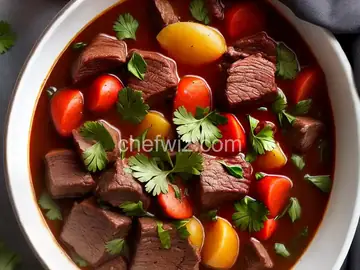
Thenthuk
Rate this recipeBe the first to rate
 By AprilPublished
 Have you ever tasted a dish that not only satisfies your hunger but also warms your heart?
 By AprilPublished
 Have you ever tasted a dish that not only satisfies your hunger but also warms your heart?
Gradually pour approximately ½ cup of water into a bowl containing 1 cup of all-purpose flour.
Thoroughly mix the flour and water by hand, adding more water until a smooth dough ball can be formed. Knead the dough well for 3-5 minutes until it becomes flexible and solid enough to stretch without breaking.
Shape the dough into a thick rope by rolling it between your hands, then divide the rope into 4-5 smaller pieces of equal thickness.
Apply oil to your hands and roll the dough pieces again to prevent sticking.
Place the dough pieces in a plastic bag or pot and cover them with a lid to prevent drying. Allow the dough to rest for 15-20 minutes, enabling it to become more flexible and easy to handle.
If using daikon, peel and chop it. Submerge the chopped daikon in water, adding 1 tablespoon of salt. Stir the daikon in the salty water and then rinse it thoroughly. This step helps remove the strong odor of the daikon.
Chop the onion, ginger, garlic, and tomato.
Heat 1½ tablespoons of oil over high heat until hot. Reduce the heat to medium-high and stir-fry the onion, ginger, and garlic for 2-3 minutes until the edges become slightly browned. Increase the heat back to high and add the tomatoes. Cook covered for about
Have you ever tasted a dish that not only satisfies your hunger but also warms your heart? Thenthuk, a traditional Tibetan noodle soup, is one such culinary delight. This hearty soup is a staple in Tibetan cuisine, known for its rich flavors and comforting qualities. In this article, we will explore the origins of Thenthuk, its unique ingredients, and the simple pleasure it brings to those who savor it.
Thenthuk has its roots in the breathtaking landscapes of Tibet, a region surrounded by the majestic Himalayan mountains. The harsh climate and high altitude have influenced Tibetan cuisine, which focuses on providing nourishment and warmth. Thenthuk, meaning "pulling noodles" in Tibetan, reflects this culture and geography in its preparation.
Thenthuk is a versatile dish that can be customized according to personal preferences. The soup typically consists of hand-pulled noodles, tender pieces of meat or vegetables, and a flavorful broth. The key to its distinct taste lies in the combination of aromatic spices and herbs. From cumin and garlic to ginger and coriander, each ingredient adds a unique depth of flavor to the soup.
The star of Thenthuk is undoubtedly the hand-pulled noodles. These noodles, made from a simple dough of flour and water, are rolled and stretched by hand into thin, elongated strands. The process requires skill and practice, resulting in noodles that have a slightly chewy texture and absorb the flavors of the broth beautifully.
Imagine sitting by a crackling fire on a cold winter evening, holding a steaming bowl of Thenthuk in your hands. As you take the first spoonful, the warmth of the broth soothes your soul, and the noodles provide a comforting bite. The flavors dance on your taste buds, leaving you with a sense of contentment and satisfaction. Thenthuk is more than just a meal; it is an experience that brings people together and nourishes both the body and the spirit.
Yes, Thenthuk can be easily adapted for vegetarians. Simply replace the meat with your favorite vegetables or tofu for a delicious and nutritious vegetarian version.
Yes, there are several regional variations of Thenthuk. Some versions use yak meat, while others incorporate local vegetables and spices. Each variation adds its own twist to this beloved Tibetan dish.
While it is best to enjoy Thenthuk fresh, you can freeze the leftovers for future meals. Make sure to store the soup and noodles separately to maintain their texture and taste.
The preparation time for Thenthuk can vary depending on your cooking skills. On average, it takes around 1-2 hours to make Thenthuk from scratch, including noodle preparation and simmering the broth.
No, Thenthuk is not gluten-free as it contains wheat-based noodles. However, you can explore gluten-free alternatives like rice noodles or buckwheat noodles to accommodate dietary restrictions.
Absolutely! You can customize the spiciness of Thenthuk according to your taste preferences. Add more or less chili peppers, or even incorporate mild spices like paprika for a milder version of the soup.
Thenthuk is best enjoyed fresh, but you can certainly prepare the broth and noodles in advance. Store them separately and combine them just before serving to maintain the optimal taste and texture.
Thenthuk pairs well with various side dishes such as Tibetan momos (dumplings), steamed vegetables, or a simple salad. These accompaniments complement the flavors of Thenthuk and create a well-rounded meal.
In conclusion, Thenthuk is more than just a bowl of soup; it is a testament to the rich heritage and culinary traditions of Tibet. Its flavors and textures provide comfort and warmth, making it a perfect dish for cold winter days or whenever you crave a hearty meal. So why not embark on a culinary adventure and savor the delights of Thenthuk? Your taste buds will thank you!
AprilCook, recipe developer and the heart of Chefwiz. More about April