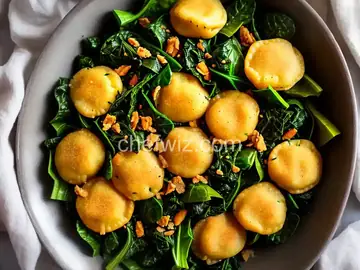
Egusi Stew
Rate this recipeBe the first to rate
 By AprilPublished
Are you tired of the same old recipes and looking to explore new flavors?
 By AprilPublished
Are you tired of the same old recipes and looking to explore new flavors?
In a large saucepan, heat the palm oil over medium heat.
Sauté the onion, garlic, tomatoes, ginger, and Scotch bonnet pepper in the palm oil until the vegetables become translucent, which should take around 10 minutes.
Add the egusi seeds to the saucepan and toast them in the oil for 10 minutes.
Incorporate the crayfish powder, Maggi, iru, and chicken stock into the mixture and let it simmer for 30 minutes.
In a separate pan, heat the canola oil over high heat.
Season the goat meat with salt and sear it in the hot oil until it turns brown on all sides, which should take about 7 minutes.
Transfer the goat meat to the egusi mixture and let it simmer together for approximately an hour, or until the meat becomes tender.
Add the pumpkin leaves to the saucepan during the last 20 minutes of cooking.
Ensure that the sauce thickens and most of the liquid has simmered off.
Adjust the seasoning by adding salt according to your taste.
Serve the dish with fufu or pounded yam.
Are you tired of the same old recipes and looking to explore new flavors? Look no further than Egusi Stew, a delicious and nutritious West African dish that will awaken your taste buds and leave you craving for more. Made with ground melon seeds and an array of aromatic spices, this stew is a culinary adventure you don't want to miss. In this article, we will take a closer look at the wonders of Egusi Stew and why it has become a favorite among food enthusiasts worldwide.
Egusi Stew holds a special place in the hearts of many West Africans. Originating from Nigeria, it has become a staple dish in several African countries. The name "Egusi" refers to the melon seeds used as the primary ingredient in this flavorful stew. These seeds are ground into a fine powder, which adds a unique texture and taste to the dish.
Traditionally, Egusi Stew is prepared for special occasions and gatherings, symbolizing unity and togetherness. It is a dish that brings people together, as they gather around a pot of simmering stew, savoring every spoonful and sharing laughter and stories.
Preparing Egusi Stew is an art form that requires patience and attention to detail. The process starts by roasting the melon seeds until they release a rich aroma. These seeds are then ground into a fine powder, which forms the base of the stew. Next, a variety of vegetables and proteins are added, such as spinach, pumpkin leaves, meat, or fish, depending on personal preference.
What sets Egusi Stew apart is the harmonious blend of flavors. The combination of the nutty undertones from the melon seeds, the earthy taste of the vegetables, and the succulent meat or fish creates a symphony of flavors that dance on your palate.
Not only is Egusi Stew a culinary delight, but it also offers numerous health benefits. The melon seeds used in the stew are packed with essential nutrients like vitamins, minerals, and healthy fats. These seeds are a good source of protein, making Egusi Stew a satisfying and nutritious meal option.
In addition to the melon seeds, the stew incorporates an array of vegetables, providing a rich source of fiber, vitamins, and antioxidants. Spinach, for instance, is known for its high iron content, which is essential for maintaining healthy blood cells and preventing anemia.
Egusi Stew is more than just a dish; it's a celebration of culture, flavors, and community. Its rich history and unique blend of ingredients make it a delightful culinary experience that should not be missed. Whether you're an adventurous foodie or simply looking to try something new, Egusi Stew is sure to leave a lasting impression on your taste buds. So gather your loved ones, embrace the art of cooking, and indulge in the wonders of Egusi Stew.
Absolutely! Egusi Stew can be customized to suit different dietary preferences. You can make a vegetarian version by omitting the meat or fish and adding more vegetables or plant-based protein alternatives.
Yes, you can freeze Egusi Stew for future meals. Divide it into portions and store them in airtight containers before freezing. When you're ready to enjoy it, simply thaw and reheat.
If you can't find melon seeds, you can use pumpkin seeds or sunflower seeds as alternatives. While the taste may differ slightly, they will still add a delightful nuttiness to the stew.
Yes, using pre-ground egusi powder is a convenient option. However, grinding the seeds fresh ensures a more intense flavor and aroma.
The level of spiciness can be adjusted to suit your taste preferences. You can add more or less chili peppers or use milder spices if you prefer a less spicy stew.
Yes, Egusi Stew pairs beautifully with rice. The combination of the rich stew and fluffy rice creates a satisfying and well-balanced meal.
Yes, there are several regional variations of Egusi Stew. Some recipes incorporate additional ingredients like okra or bitter leaves, adding unique flavors and textures.
You can find authentic Egusi Stew recipes in cookbooks specializing in African cuisine or by searching online. There are numerous websites and blogs dedicated to sharing traditional recipes from around the world.
AprilCook, recipe developer and the heart of Chefwiz. More about April