The Ultimate Paella
Rate this recipeBe the first to rate
 By AprilPublished
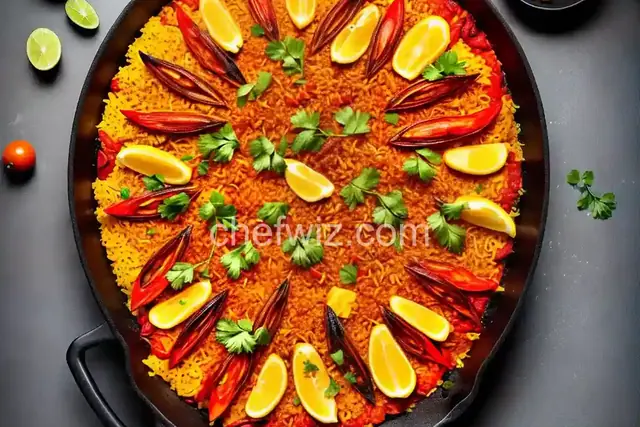
 Are you a fan of Spanish cuisine? Do you love the vibrant flavors and rich aromas that come from a perfectly cooked paella?
 By AprilPublished
 Are you a fan of Spanish cuisine? Do you love the vibrant flavors and rich aromas that come from a perfectly cooked paella?
Combine the paprika and oregano in a small bowl.
Rub the spice mix all over the chicken.
Marinate the chicken for 1 hour in the refrigerator.
Heat oil in a paella pan over medium-high heat.
Saute the chorizo until browned, then remove and set aside.
Add the chicken skin-side down and brown on all sides, using tongs to turn.
Sprinkle with salt and freshly ground pepper.
Remove the chicken from the pan and set aside.
In the same pan, saute the onions, garlic, and parsley to make a sofrito. Cook for 2 or 3 minutes on medium heat.
Add tomatoes and cook until the mixture caramelizes slightly and the flavors combine.
Fold in the rice and stir-fry to coat the grains.
Pour in water and simmer for 10 minutes, gently moving the pan around to ensure even cooking and absorption of the liquid.
Add the chicken, chorizo, and saffron.
Add the clams and shrimp, placing them into the rice.
Cook the shrimp for approximately 8 minutes.
Shake the paella gently and let it simmer, without stirring, until the rice is al dente for about 15 minutes.
During the last 5 minutes of cooking, add the lobster tails when the rice is filling the pan.
18.
Are you a fan of Spanish cuisine? Do you love the vibrant flavors and rich aromas that come from a perfectly cooked paella? If so, you're in for a treat! In this article, we will explore the world of paella, uncovering its history, discussing the different variations, and sharing some tips on how to make the ultimate paella that will impress your friends and family. So, grab your apron and get ready to embark on a culinary adventure!
Before we delve into the intricacies of making paella, let's take a moment to appreciate its rich history. Originating from the Valencia region of Spain, paella has been a beloved dish for centuries. It was traditionally cooked over an open fire by farmers and workers in the fields, using ingredients readily available to them. The dish was named after the pan it was cooked in - the "paellera."
Over time, paella evolved and incorporated different ingredients, including rabbit, chicken, snails, and various vegetables. The dish gained popularity and spread throughout Spain, and eventually, the world. Today, paella is considered a quintessential Spanish dish and is enjoyed by people from all corners of the globe.
When it comes to paella, there are several variations to choose from. The most well-known types include Valencian paella, seafood paella, and mixed paella. Valencian paella, the original version, features rabbit, chicken, and a medley of vegetables. Seafood paella, on the other hand, showcases an array of fresh seafood, such as shrimp, mussels, and squid. Mixed paella combines both meat and seafood, offering a delightful combination of flavors.
Each variation has its own unique taste and character, allowing you to tailor the dish to your preferences. Whether you're a seafood lover or a meat enthusiast, there's a paella variation that will satisfy your taste buds.
Now that we've covered the basics, let's dive into some tips that will help you create the ultimate paella:
One crucial element of a great paella is the type of rice used. Short-grain rice, such as Bomba or Calasparra, is ideal as it absorbs flavors without becoming mushy.
Start by sautéing onions, garlic, and bell peppers in olive oil. This creates a fragrant base that will infuse the rice with delicious flavors.
Paella relies on a flavorful broth to cook the rice to perfection. Use a homemade stock or high-quality store-bought broth for the best results.
Paella is a labor of love that requires patience. Allow the rice to cook slowly, absorbing the flavors and developing a slightly crispy bottom layer called "socarrat."
To add the finishing touch to your paella, garnish it with freshly chopped parsley and a squeeze of lemon juice. These simple additions brighten the flavors and bring the dish to life.
By following these tips, you'll be well on your way to creating a paella that will impress even the most discerning palates.
As you embark on your paella-making journey, remember that the ultimate paella is not just about the ingredients and techniques. It's about the love and passion you infuse into the process. Allow yourself to get lost in the aromas, savor each bite, and share the joy of this traditional Spanish dish with your loved ones.
While long-grain rice can be used in a pinch, the texture and flavor of the paella may be compromised. Short-grain rice is essential for achieving the perfect consistency.
Absolutely! There are many paella variations that don't include seafood. You can opt for a meat-based paella or a vegetable paella to suit your preferences.
While a traditional paellera is ideal, you can use a large, shallow frying pan as a substitute. Just make sure it's wide enough to evenly cook the rice.
To develop a crispy, caramelized bottom layer, increase the heat during the last few minutes of cooking. This will create that coveted socarrat.
Paella is best enjoyed fresh off the stove. However, you can make the base in advance and add the rice and toppings just before serving to ensure optimal flavor and texture.
While paella can be frozen, the texture of the rice may change slightly upon reheating. It's best to enjoy paella fresh, but freezing leftovers is an option if needed.
Absolutely! Feel free to experiment with spices like saffron, paprika, or turmeric to add an extra layer of flavor to your paella.
Yes, you can! There are plenty of delicious vegetarian and vegan paella recipes available. Simply substitute animal-based ingredients with plant-based alternatives, such as tofu or tempeh.
Now that you're armed with the knowledge and tips to create the ultimate paella, it's time to get cooking! Gather your ingredients, embrace the flavors of Spain, and indulge in a truly unforgettable culinary experience.
AprilCook, recipe developer and the heart of Chefwiz. More about April