Chow Mein
Rate this recipeBe the first to rate
 By AprilPublished
 When it comes to Chinese cuisine, few dishes can rival the popularity of Chow Mein.
 By AprilPublished
 When it comes to Chinese cuisine, few dishes can rival the popularity of Chow Mein.
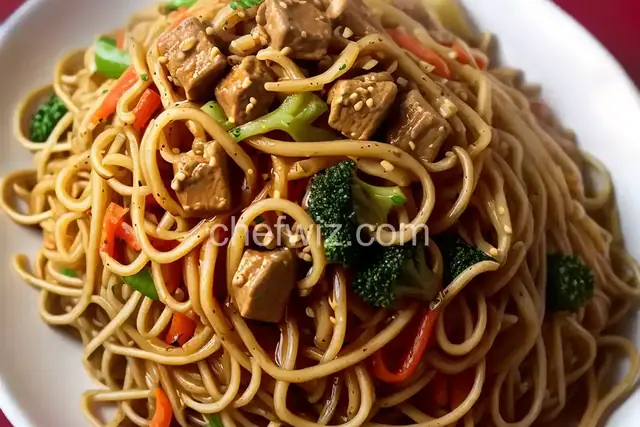
Start by boiling a pot of water and cooking the noodles as per the instructions provided on the package. Once cooked, drain the noodles and set them aside.
In a skillet, heat some peanut oil over medium-high heat. Add the carrots, cabbage, and onions to the skillet and cook for about 1 minute.
Pour in the chicken broth, soy sauce, and sesame oil into the skillet with the cooked vegetables.
Next, add the cooked noodles to the skillet and toss them in the mixture.
Finally, garnish the dish with sliced green onions on top.
When it comes to Chinese cuisine, few dishes can rival the popularity of Chow Mein. This delectable stir-fried noodle dish has captured the hearts and taste buds of people all over the world. But what makes Chow Mein so special? Join us on a flavorful journey as we explore the origins, variations, and secrets behind this beloved dish.
Like many dishes, the origins of Chow Mein are shrouded in mystery. This tantalizing creation is believed to have originated in the Guangdong province of Southern China. Its name, Chow Mein, translates to "fried noodles" in Mandarin. However, different regions have put their own unique spin on this dish, resulting in a variety of Chow Mein styles.
From the crisp and crunchy Hong Kong-style Chow Mein to the saucy and flavorful American-style version, Chow Mein has evolved and adapted to suit different palates. Each region has its own interpretation, combining local ingredients and cooking techniques to create a distinct flavor profile. Whether you prefer the spicy Sichuan-style or the simple and elegant Shanghai-style Chow Mein, there is something for everyone to enjoy.
Creating the perfect Chow Mein requires a delicate balance of flavors and textures. The noodles should be cooked just right, neither too soft nor too firm. The stir-frying process adds a smoky aroma and imparts a rich, umami taste. The choice of ingredients, such as meat, vegetables, and sauces, also plays a crucial role in elevating the dish to new heights of deliciousness.
Chow Mein is a dish that has captivated taste buds around the globe. Its versatility, unique flavors, and rich history make it a beloved favorite for both Chinese food enthusiasts and newcomers alike. Whether you prefer the traditional Cantonese style or a fusion variation, Chow Mein promises to take you on a delicious journey of flavors.
Yes, while traditional Chow Mein is made with egg noodles, you can experiment with different types of noodles like rice noodles or even spaghetti for a unique twist.
It depends on the type of noodles used. If you opt for gluten-free noodles, then your Chow Mein can be gluten-free. Always check the packaging to ensure the noodles are suitable for your dietary needs.
Absolutely! Chow Mein is a versatile dish that can easily be adapted to suit vegetarian or vegan diets. Simply replace meat with tofu or a variety of vegetables for a delicious plant-based version.
You can add an array of vegetables to your Chow Mein, such as bell peppers, carrots, mushrooms, and bean sprouts. Feel free to get creative and customize your dish to your liking.
The key to achieving a harmonious flavor profile in Chow Mein is to balance the salty, sweet, sour, and umami elements. Experiment with different sauces and seasonings until you find the perfect combination that suits your taste.
While Chow Mein is best enjoyed fresh, you can make it ahead of time and store it in the refrigerator. However, keep in mind that the noodles may become softer upon reheating.
Absolutely! You can add chicken, beef, shrimp, or any other protein of your choice to make your Chow Mein more hearty and satisfying.
Chow Mein is delicious on its own but can also be served as a side dish alongside other Chinese favorites like General Tso's chicken or sweet and sour pork. Pair it with a refreshing cup of hot tea for the ultimate Chinese dining experience.
AprilCook, recipe developer and the heart of Chefwiz. More about April