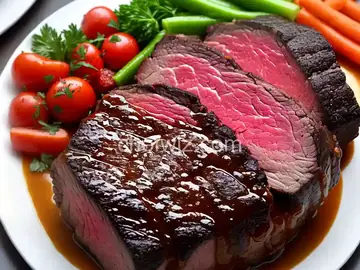
The Real Deal Korean Beef Ribs
Rate this recipeBe the first to rate
 By AprilPublished
Are you a fan of tender, flavorful, and succulent meat? Look no further than Korean beef ribs.
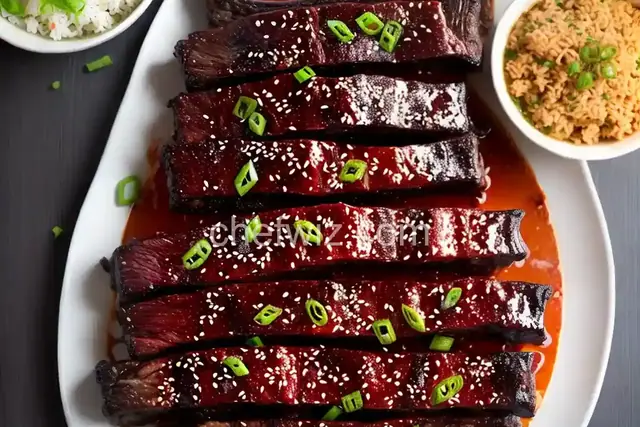 By AprilPublished
Are you a fan of tender, flavorful, and succulent meat? Look no further than Korean beef ribs.
Start by washing the ribs and ensuring there are no stray bits of bone. Let them drain for 30 minutes.
In a bowl, whisk together the soy sauce, sugar, honey, garlic, pepper, water, sesame oil, and plum wine until the sugar is completely dissolved.
Transfer the mixture into a 1-gallon plastic zipper bag.
Place the ribs into the marinade in the bag, making sure to squeeze out all the air before sealing it. Refrigerate the bag for at least 24 hours.
The following day, take the ribs out of the refrigerator and let them come to room temperature.
Remove the ribs from the marinade and discard the marinade.
Preheat your outdoor grill to medium-high heat and lightly oil the grate.
Grill the ribs for 4 to 6 minutes per side, or until they are browned and no longer pink inside.
Are you a fan of tender, flavorful, and succulent meat? Look no further than Korean beef ribs. These mouthwatering ribs are a staple in Korean cuisine and are known for their rich taste and tender texture. In this article, we will explore the real deal behind Korean beef ribs and why they are a must-try dish.
Korean beef ribs, also known as Galbi or Kalbi, are marinated in a delicious blend of soy sauce, garlic, sesame oil, and other flavorful ingredients. The marinade not only enhances the taste of the meat but also helps to tenderize it, resulting in incredibly juicy and tender ribs.
One of the key ingredients in the marinade is gochujang, a Korean chili paste that adds a unique and spicy kick to the ribs. It gives the dish a depth of flavor that is truly irresistible. The combination of sweet, savory, and spicy flavors in Korean beef ribs is what sets them apart from other types of ribs.
Cooking Korean beef ribs to perfection requires a two-step process – grilling and braising. Grilling the ribs over high heat helps to caramelize the marinade and gives them a beautiful charred exterior. This step also imparts a smoky flavor to the meat.
After grilling, the ribs are then braised in a flavorful broth until they become fall-off-the-bone tender. This slow cooking method allows the meat to become incredibly tender while infusing it with even more flavor.
When it comes to serving Korean beef ribs, the sides are just as important as the main dish. Traditional Korean side dishes, known as banchan, complement the flavors of the ribs perfectly. Some popular banchan options include kimchi, pickled vegetables, and steamed rice.
Additionally, you can also serve the ribs with a fresh salad or grilled vegetables to add some freshness and crunch to the meal. The contrast of textures and flavors elevates the overall dining experience.
Looking to try the real deal Korean beef ribs? You can find them at Korean BBQ restaurants or specialty Korean markets. These establishments often use high-quality ingredients and authentic cooking techniques to ensure the ribs are as delicious as possible.
If you're feeling adventurous, you can even try making Korean beef ribs at home. There are numerous recipes available online that provide step-by-step instructions on how to recreate this mouthwatering dish in your own kitchen.
Korean beef ribs are a true delight for meat lovers. With their tender texture, bold flavors, and unique cooking techniques, they offer a dining experience like no other. Whether you try them at a restaurant or make them at home, these ribs are sure to impress your taste buds and leave you craving for more.
Korean beef ribs, also known as Galbi or Kalbi, are marinated and grilled ribs that are a popular dish in Korean cuisine.
Their special marinade and the use of gochujang, a spicy Korean chili paste, gives Korean beef ribs a unique and flavorful taste.
Korean beef ribs are grilled over high heat to caramelize the marinade and then braised in a flavorful broth until tender.
Traditional Korean side dishes, such as kimchi and pickled vegetables, are great options. You can also serve them with salad or grilled vegetables.
You can try Korean BBQ restaurants or specialty Korean markets to find the best Korean beef ribs.
Absolutely! There are plenty of recipes available online that provide step-by-step instructions on how to make Korean beef ribs at home.
The cooking time for Korean beef ribs can vary depending on the recipe, but it typically takes around 30-40 minutes to grill and braise the ribs.
Korean beef ribs have a slightly spicy flavor due to the use of gochujang, but the level of spiciness can be adjusted according to personal preference.
AprilCook, recipe developer and the heart of Chefwiz. More about April