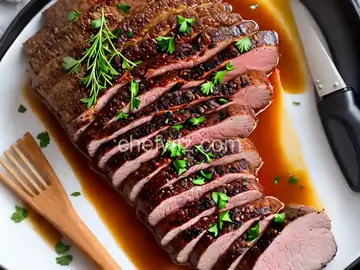
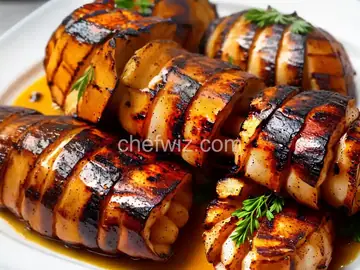
Sous Vide Prime Rib
Rate this recipeBe the first to rate
 By AprilPublished
 Are you craving a tender and juicy prime rib that melts in your mouth?
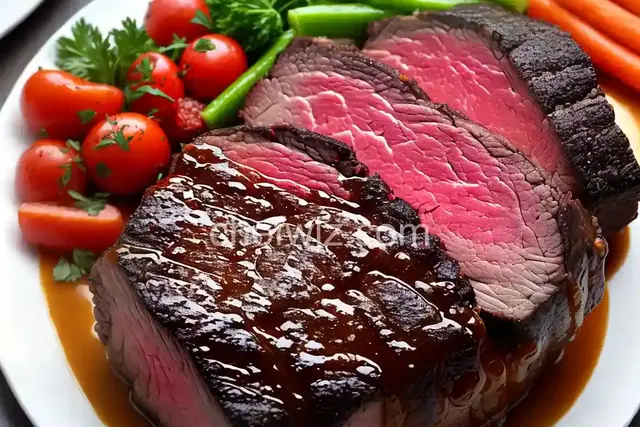 By AprilPublished
 Are you craving a tender and juicy prime rib that melts in your mouth?
Prepare a thermocirculator and water bath according to the instructions provided by the manufacturer.
Set the thermocirculator to a temperature of 135 degrees F (57 degrees C) and wait for the water bath to reach the desired temperature.
Evenly season the rib roast with 1 tablespoon of salt and place it in a large vacuum-sealable bag.
Place butter cubes, thyme sprigs, and crushed garlic around the rib roast in the bag.
Follow the manufacturer's instructions to seal the bag using a vacuum sealer.
Transfer the vacuum-sealed rib roast to the warm water bath with the thermocirculator.
Cover the vessel with aluminum foil to reduce evaporation and cook for 6 hours.
Remove the rib roast from the bag; it should be at a temperature of 135 degrees F (57 degrees C) after cooking.
Transfer the rib roast to a rimmed sheet pan lined with paper towels and gently pat it dry. Keep the contents remaining in the bag for later use.
Preheat the oven to the broil setting, positioning an oven rack about 10 inches below the heat source.
Line a rimmed baking sheet with aluminum foil and place a wire rack on top.
Evenly season the rib roast with the remaining tablespoon of salt and pepper, then place it on the prepared baking pan.
Cook the rib roast in the prehe
Are you craving a tender and juicy prime rib that melts in your mouth? Look no further than sous vide cooking. Imagine a perfectly cooked prime rib, seasoned to perfection, and cooked to the precise temperature you desire. Whether you're a seasoned chef or a cooking novice, sous vide prime rib is a culinary masterpiece that anyone can achieve with ease.
Sous vide, a French term meaning "under vacuum," is a cooking technique that involves sealing food in a vacuum-sealed bag and cooking it in a water bath at a precise and consistent temperature. This method ensures even cooking from edge to edge, resulting in a succulent and evenly cooked prime rib.
When it comes to cooking prime rib, precision is key. Sous vide cooking allows you to achieve the perfect doneness every time. By cooking the prime rib at a lower temperature for a longer period, the meat becomes incredibly tender and retains its natural juices. The result is a prime rib that is irresistibly tender, juicy, and packed with flavor.
Preparing sous vide prime rib is easier than you might think. Start by seasoning the prime rib with your favorite herbs and spices. Next, vacuum-seal the seasoned prime rib in a food-grade bag to ensure the flavors are locked in. Place the bag in a water bath, set the desired temperature, and let the sous vide machine do its magic. After a few hours, your prime rib will be perfectly cooked to your liking.
Begin by generously seasoning the prime rib with a blend of salt, pepper, garlic powder, and any other herbs or spices of your choice. The seasoning will infuse into the meat as it cooks, enhancing its flavor and aroma.
Place the seasoned prime rib into a vacuum-sealed bag, ensuring that it is tightly sealed to prevent any air from entering. This airtight seal locks in the flavors and juices, resulting in a more flavorful and succulent prime rib.
Fill a large pot or a sous vide container with water and set the sous vide machine to the desired temperature. Gently lower the sealed bag into the water bath, making sure it is fully submerged. Allow the prime rib to cook at the set temperature for several hours, depending on your preferred level of doneness.
To achieve a beautiful golden crust on the prime rib, remove it from the bag after sous vide cooking and pat it dry with a paper towel. Heat a skillet or grill to high heat and sear the prime rib on all sides until a caramelized crust forms. This step adds a delightful texture and enhances the flavors of the prime rib.
Patience is a virtue when it comes to sous vide prime rib. Although the cooking time may be longer compared to traditional methods, the end result is well worth the wait. The slow and precise cooking process ensures that every bite of the prime rib is tender, juicy, and packed with flavor. It's like experiencing a culinary symphony in your mouth.
Sous vide prime rib is a culinary masterpiece that brings out the best in this delectable cut of beef. With its precise and gentle cooking technique, sous vide ensures that every bite of prime rib is tender, juicy, and bursting with flavor. Whether you're cooking for a special occasion or simply craving a mouthwatering delight, sous vide prime rib is a must-try. So, grab your sous vide machine and get ready to indulge in a steakhouse-quality prime rib like never before.
A1: Yes, you can use frozen prime rib for sous vide cooking. Simply adjust the cooking time to allow for the extra time needed to thaw the meat.
A2: The recommended temperature for medium-rare sous vide prime rib is around 135°F (57°C). This temperature ensures a perfectly pink and juicy center.
A3: Absolutely! Seasoning the prime rib before vacuum-sealing allows the flavors to infuse into the meat during the sous vide cooking process, resulting in a more flavorful prime rib.
A4: Definitely! Sous vide prime rib is a showstopper dish that is perfect for special occasions. Its tender texture and flavorful taste are sure to impress your guests.
A5: Yes, you can cook a larger prime rib using sous vide. Just ensure that the prime rib is properly sealed and there is enough room in the water bath for the water to circulate around the meat.
A6: Yes, you can sous vide prime rib without a vacuum sealer. Simply use a heavy-duty ziplock bag and remove as much air as possible before sealing it.
A7: Yes, you can sous vide prime rib in advance and reheat it later. After sous vide cooking, quickly cool the prime rib in an ice bath, refrigerate it, and reheat it using a water bath before serving.
A8: Absolutely! Sous vide is a versatile cooking method that works well with various cuts of beef, including steaks, roasts, and briskets. It ensures consistent and delicious results every time.
AprilCook, recipe developer and the heart of Chefwiz. More about April