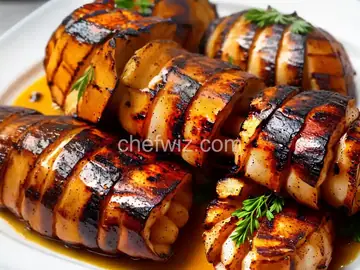
Sous Vide Pork Tenderloin
Rate this recipeBe the first to rate
 By AprilPublished
 Are you tired of overcooking your pork tenderloin? Do you want to achieve that perfect juicy and tender texture every time?
 By AprilPublished
 Are you tired of overcooking your pork tenderloin? Do you want to achieve that perfect juicy and tender texture every time?
Prepare a thermocirculator and water bath according to the instructions provided by the manufacturer.
Set the thermocirculator to 135 degrees F (58 degrees C) for medium-rare pork or 145 degrees F (63 degrees C) for medium doneness. Allow the water bath to reach the desired temperature.
In a medium microwave-safe bowl, combine the onion, wine, butter, Dijon mustard, vinegar, lemon juice, whole grain mustard, turbinado sugar, lemon zest, salt, and 1/2 teaspoon tarragon.
Microwave the mixture on high power for about 1 minute, stirring halfway through, until the butter melts and the sugar dissolves. This will yield 1 1/2 cups of sauce.
Place the tenderloins in a vacuum-sealable bag and add 3/4 cup of the mustard mixture. Massage the contents of the bag to ensure that the meat is evenly coated with the sauce. Arrange the tenderloins in a single layer in the bag.
Follow the manufacturer's instructions to seal the bag using a vacuum sealer.
Transfer the vacuum-sealed tenderloins to the warm water bath with the thermocirculator. Cover the vessel with aluminum foil to reduce evaporation.
Cook the tenderloins in the water bath for 45 to 50 minutes, or until they reach a doneness of 135 or 145 degrees
Are you tired of overcooking your pork tenderloin? Do you want to achieve that perfect juicy and tender texture every time? Look no further! In this article, we will explore the wonderful world of sous vide cooking and how it can transform your pork tenderloin into a delectable masterpiece.
Sous vide, which means "under vacuum" in French, is a cooking method that involves vacuum-sealing food in a bag and cooking it in a water bath at a precise temperature. This technique allows for precise control over the cooking process, resulting in evenly cooked and perfectly tender meat.
Imagine your pork tenderloin as a delicate piece of fabric. When cooked using traditional methods, it's like throwing that fabric into a hot dryer. It shrinks, becomes tough, and loses its natural moisture. But with sous vide, it's like gently steaming that fabric, maintaining its softness and retaining all its wonderful flavors.
One of the main benefits of sous vide cooking is the ability to achieve consistent results. With traditional cooking methods, it's easy to overcook or undercook your pork tenderloin, resulting in a less-than-ideal dining experience. But with sous vide, you can set the temperature precisely, ensuring that your pork tenderloin is cooked to perfection every single time.
Not only does sous vide cooking guarantee consistent results, but it also enhances the flavor and texture of your pork tenderloin. By cooking the meat in a sealed bag, all the flavors and juices are locked in, resulting in a moist and tender final product. It's like marinating your pork tenderloin from the inside out!
Now that you understand the wonders of sous vide cooking, let's dive into how to cook the perfect pork tenderloin using this technique.
First, you'll want to season your pork tenderloin with your favorite spices and herbs. This will infuse the meat with delicious flavors as it cooks. Place the seasoned pork tenderloin in a vacuum-sealed bag or a heavy-duty Ziploc bag, making sure to remove as much air as possible.
Next, preheat your water bath to the desired temperature. For a perfectly cooked pork tenderloin, set the temperature to 140째F (60째C). Once the water has reached the desired temperature, carefully place the sealed bag into the water bath.
Allow the pork tenderloin to cook in the water bath for 1 to 2 hours. The longer you cook it, the more tender it will become. However, be careful not to exceed 4 hours, as the texture of the meat may start to change.
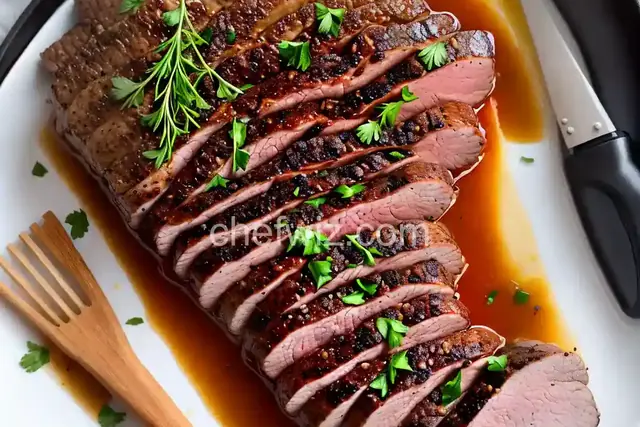
After the cooking time is up, remove the bag from the water bath and carefully pat dry the pork tenderloin. At this point, you have two options for finishing the dish. You can either give it a quick sear on a hot skillet or grill to achieve a beautiful crust, or you can brush it with a glaze and broil it in the oven for a caramelized finish. The choice is yours!
It is not recommended to cook the pork tenderloin directly in the water without a bag. The bag helps to seal in the flavors and juices, resulting in a more tender and flavorful pork tenderloin.
While it is safe to cook the pork tenderloin for longer than 4 hours, the texture of the meat may start to change. It is best to stick to the recommended cooking time for optimal results.
Yes, you can reuse vacuum-sealed bags as long as they are thoroughly cleaned and sanitized after each use. Make sure to check for any signs of wear or damage before reuse.
Yes, you can season the pork tenderloin after sous vide cooking. However, keep in mind that the flavors may not penetrate the meat as effectively as seasoning it before cooking.
Yes, you can sous vide frozen pork tenderloin. Simply adjust the cooking time by adding an extra hour or so to account for the frozen state of the meat.
Yes, you can sous vide multiple pork tenderloins at once. Just make sure that there is enough space for the water to circulate around each piece of meat, ensuring even cooking.
Yes, you can sous vide pork tenderloin without a vacuum sealer. Simply use a heavy-duty Ziploc bag and the water displacement method to remove the air from the bag.
Sous vide cooking is all about precision, and the recommended temperature for pork tenderloin is 140째F (60째C) for optimal results. Cooking at a higher temperature may result in a less tender and juicy final product.
It is not recommended to leave the pork tenderloin in the water bath for longer than the recommended cooking time, as the texture of the meat may become mushy. Stick to the recommended cooking time for the best results.
In conclusion, sous vide cooking is a game-changer when it comes to preparing pork tenderloin. With its precise temperature control and ability to lock in flavors and juices, you can achieve that perfect juicy and tender texture every time. So why settle for anything less? Give sous vide a try and elevate your pork tenderloin to new heights!
AprilCook, recipe developer and the heart of Chefwiz. More about April