The Perfect Pot of Rice
Rate this recipeBe the first to rate
 By AprilPublished
 Have you ever struggled to cook rice that comes out just right every time?
 By AprilPublished
 Have you ever struggled to cook rice that comes out just right every time?
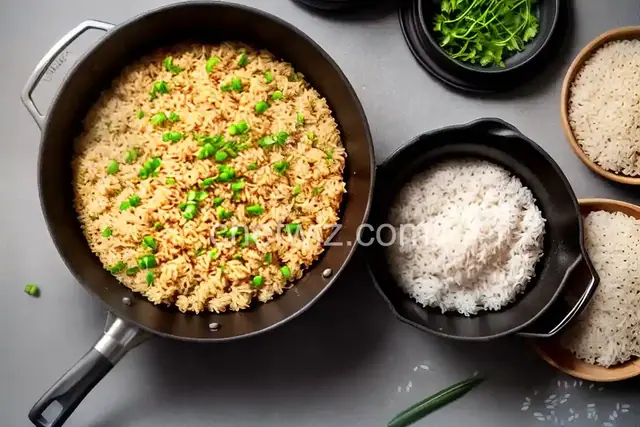
Begin by rinsing 1 cup of long-grain white rice in a fine-mesh sieve until the water runs clear. This process may take up to a minute. Alternatively, you can rinse the rice in a bowl or pot with multiple changes of cold water, carefully draining between rinses. However, using the fine-mesh sieve method is recommended for its convenience.
In a medium saucepan, combine the rinsed rice, ½ tsp. kosher salt, and 1¼ cups of water.
Gently stir everything together.
Bring the mixture to a boil, then cover the pot with a tight-fitting lid and reduce the heat to the lowest setting possible.
Allow the rice to cook undisturbed for 18 minutes. It is important not to open the lid during this time.
After 18 minutes, remove the saucepan from the heat.
Let the rice stand for at least 15 minutes or until you are ready to use it.
Before serving, uncover the saucepan and fluff the cooked rice with a fork.
Have you ever struggled to cook rice that comes out just right every time? Don't worry, you're not alone. Cooking rice perfectly can be a challenge for many people. But fear not, because in this article, we'll share some tips and tricks to help you achieve the perfect pot of rice, every time.
When it comes to cooking rice, the type of rice you choose plays a crucial role in the final result. There are various types of rice available, such as long-grain, medium-grain, and short-grain rice. Each type has its own unique characteristics and cooking requirements. Long-grain rice, for example, tends to be fluffy and separate when cooked, making it ideal for dishes like pilaf or stir-fry. On the other hand, short-grain rice is more sticky and chewy, perfect for sushi or risotto. So, before you begin cooking, consider the type of rice that best suits your recipe.
One important step that is often overlooked when cooking rice is rinsing. Rinsing the rice helps remove excess starch, which can make the rice sticky and clumpy. To rinse the rice, simply place it in a fine-mesh strainer and run cold water over it until the water runs clear. This simple step can make a big difference in the final texture of your cooked rice.
Getting the right ratio of rice to water is crucial for achieving perfectly cooked rice. A general rule of thumb is to use a 1:2 ratio, which means for every cup of rice, you'll need two cups of water. However, keep in mind that this ratio may vary depending on the type of rice you're using. For example, short-grain rice may require slightly more water. So, it's always a good idea to check the specific instructions on the rice packaging or recipe you're using.
There are several cooking methods you can use to cook rice, including stovetop, rice cooker, and instant pot. Each method has its advantages and may yield slightly different results. Stovetop cooking is the most traditional method, where you simmer the rice in a covered pot until the water is absorbed. Rice cookers provide convenience and often have built-in settings for different types of rice. Instant pots are perfect for those who want to cook rice quickly, using pressure cooking technology. Choose the method that works best for you and follow the instructions accordingly.
Once the rice is cooked, it's important to let it rest for a few minutes before serving. This allows the steam to redistribute and the rice to settle, resulting in a better texture. So, resist the temptation to dig in right away and give your rice a few minutes to rest. Trust us, it'll be worth the wait!
After the rice has rested, it's time to fluff it up with a fork. Gently run a fork through the rice, breaking up any clumps and separating the grains. This will give your rice a light and airy texture, making it even more enjoyable to eat.
With these tips in mind, you're now equipped to cook the perfect pot of rice. Remember to choose the right rice, rinse it thoroughly, use the correct rice-to-water ratio, and select the cooking method that works best for you. And don't forget to let it rest and fluff it up with a fork before serving. So, go ahead and impress your family and friends with your newfound rice-cooking skills!
Absolutely! Brown rice is a nutritious alternative to white rice and can be cooked using similar methods.
On average, it takes about 15-20 minutes to cook rice on the stovetop, depending on the type of rice and the heat level.
Yes, cooked rice can be frozen and reheated later. Just make sure to cool it down completely before freezing.
Rice can turn out mushy if there is too much water or if it's overcooked. Follow the recommended rice-to-water ratio and cooking times for best results.
Yes, you can add flavorings like herbs, spices, or broth to the cooking water to infuse the rice with extra flavor.
To prevent rice from sticking to the pot, make sure to use a non-stick pot and avoid stirring the rice while it's cooking.
Yes, rice cookers can be used to cook other grains like quinoa, couscous, or barley. Just adjust the cooking time and liquid ratio accordingly.
Yes, leftover rice can be reheated. Add a splash of water and heat it in the microwave or on the stovetop until heated through.
AprilCook, recipe developer and the heart of Chefwiz. More about April