The French Bread
Rate this recipeBe the first to rate
 By AprilPublished
 Have you ever walked past a bakery and caught a whiff of that irresistible aroma of freshly baked bread?
 By AprilPublished
 Have you ever walked past a bakery and caught a whiff of that irresistible aroma of freshly baked bread?
Begin by adding the sourdough starter, water, olive oil, salt, sugar, yeast, and flour in the mentioned order into the bread machine's pan.
Set the bread machine on the dough cycle and start it.
Once the dough cycle is completed, transfer the dough onto a surface that is lightly floured.
Knead the dough several times, adding more flour if necessary to reduce stickiness.
Cut the dough into two halves and roll each piece into a rectangle that is about 8 by 12 inches and 1/2-inch thick.
Roll the rectangles lengthwise, pinching the seams and tapering and pinching the ends to form loaves.
Line two baking sheets with parchment paper and sprinkle cornmeal on the paper.
Gently place the loaves onto the prepared baking sheets, cover them loosely with plastic wrap, and let them rise in a warm place until they have doubled in size, which should take approximately 30 minutes.
Preheat the oven to 375 degrees F (190 degrees C) and place a large baking stone on the center rack of the oven.
Put a baking dish on a lower rack and pour boiling water into it.
Remove the plastic wrap from the loaves and make several 1/2-inch deep cuts on each loaf using a sharp knife.
Whisk together the
Have you ever walked past a bakery and caught a whiff of that irresistible aroma of freshly baked bread? The French bread, with its crusty exterior and soft, chewy interior, is a staple in French cuisine. It is a culinary delight that has stood the test of time. In this article, we will explore the history, characteristics, and versatility of this beloved bread.
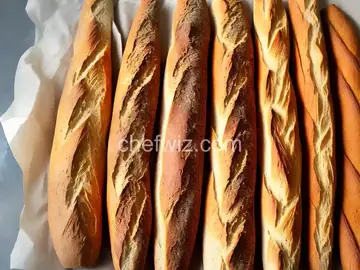
The French bread, or "pain français" as the French call it, has a rich history that dates back centuries. It was during the French Revolution in the late 18th century that the French bread as we know it today began to take shape. Bakers were required to produce bread that was affordable and accessible to all. This led to the creation of the iconic baguette, a long, slender loaf that quickly became a symbol of French culinary tradition.
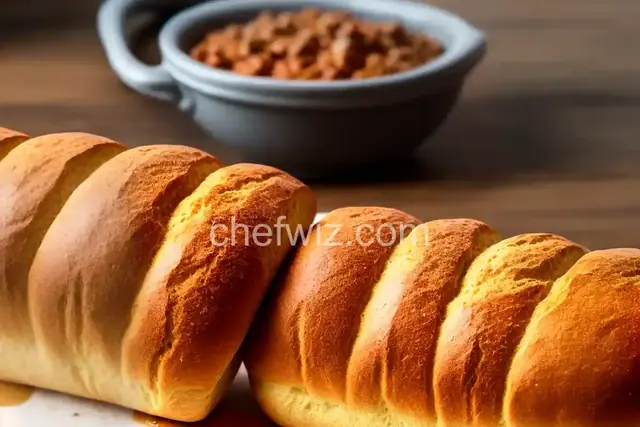
What sets French bread apart from other types of bread? One of its defining characteristics is its crust. The crust of a French bread is crispy and golden, thanks to the high heat at which it is baked. This creates a delightful contrast with the soft, airy interior of the bread. The French bread also has a unique flavor profile, with subtle hints of tanginess and sweetness.
The French bread's versatility cannot be overstated. It is a staple in French cuisine and can be enjoyed in various ways. It is the perfect accompaniment to a cheese platter, adding a textural element and a neutral base to showcase different types of cheeses. It can be used to make sandwiches, such as the classic French baguette sandwich, filled with meats, cheeses, and vegetables. French bread is also a key ingredient in popular dishes like croque monsieur and French onion soup.
The popularity of French bread extends far beyond the borders of France. It has become a beloved bread worldwide, with bakeries in different countries striving to recreate the authentic French taste. In fact, you can find French-inspired bakeries in cities around the globe, offering their own take on the classic baguette or other French bread varieties.
The French bread is more than just a loaf of bread. It is a cultural icon, a symbol of French gastronomy, and a testament to the art of bread-making. Its crusty exterior, soft interior, and versatile nature make it a favorite among bread lovers everywhere. So, the next time you catch a whiff of that irresistible aroma of freshly baked bread, take a moment to appreciate the legacy of the French bread.
No, French bread refers to a broader category of bread, while the baguette is a specific type of French bread. The baguette is characterized by its long, thin shape.
Yes, you can make French bread at home. There are many recipes available online that guide you through the process of making your own French bread.
French bread is best consumed on the day it is baked. However, if you have leftovers, you can store it in a paper bag or wrap it in a clean kitchen towel to help preserve its crustiness.
Yes, you can freeze French bread. Slice it before freezing, and when you're ready to enjoy it, simply thaw the slices and toast them to bring back their freshness.
The secret lies in baking the bread at a high temperature and creating steam in the oven. This combination helps to develop the crispy crust that is characteristic of French bread.
Absolutely! French bread can be used to make delicious desserts like bread pudding or pain perdu (French toast). Its slightly sweet flavor and soft texture make it a perfect base for these desserts.
Yes, there are several different varieties of French bread, including the baguette, boule (round loaf), and ficelle (thinner version of the baguette).
French bread is known for its crusty exterior, soft interior, and unique flavor profile. Its preparation techniques and specific ingredients contribute to its distinct characteristics.
AprilCook, recipe developer and the heart of Chefwiz. More about April