Venison Tenderloin
Rate this recipeBe the first to rate
 By AprilPublished
 Are you a fan of lean and flavorful meats? Look no further than venison tenderloin!
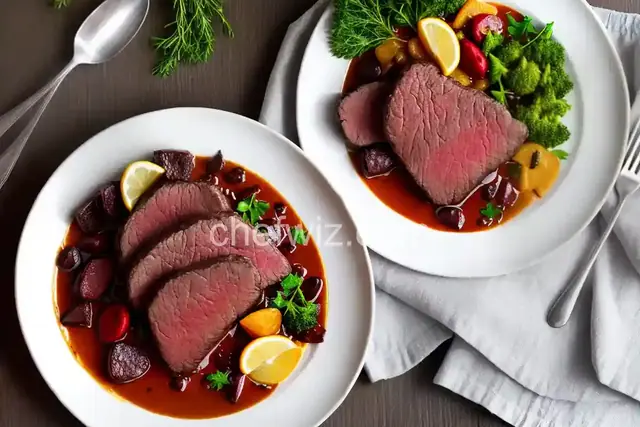 By AprilPublished
 Are you a fan of lean and flavorful meats? Look no further than venison tenderloin!
In a medium bowl, combine red wine, cider vinegar, onion, garlic, bay leaves, thyme, and rosemary. Mix well.
Transfer the mixture to a large resealable bag and add the venison tenderloin. Close the bag tightly, removing as much air as possible.
Place the bag in the refrigerator and let the meat marinate for at least 12 hours, turning it over two or three times during this time.
Preheat the oven to 325 degrees F (165 degrees C).
Remove the meat from the marinade and place it on a roasting rack in a roasting pan.
Roast the meat in the preheated oven for 2 to 2 1/2 hours, or until it reaches your desired degree of doneness. For medium rare, the internal temperature of the roast should be at least 150 degrees F (65 degrees C) when measured with a meat thermometer.
Allow the roast to rest for 15 to 20 minutes before carving.
While the tenderloin is roasting, heat the marinade in a saucepan over medium heat. Simmer the liquid until it is reduced by 1/3.
Serve the reduced marinade with the venison.
Are you a fan of lean and flavorful meats? Look no further than venison tenderloin! This exquisite cut of meat is not only delicious but also packed with essential nutrients. Whether you're a seasoned chef or an adventurous home cook, venison tenderloin is a versatile and healthy option that will elevate your culinary skills. In this article, we will explore the wonders of venison tenderloin and provide you with everything you need to know to cook it to perfection.
Venison tenderloin, also known as deer tenderloin, is the prized cut found along the deer's back. This muscle is not heavily worked, resulting in a tender and succulent piece of meat. Its leanness is comparable to skinless chicken breast, making it an excellent choice for health-conscious individuals. The rich, gamey flavor of venison tenderloin pairs beautifully with a variety of seasonings and cooking methods, allowing you to experiment and create unforgettable dishes.
When it comes to nutrition, venison tenderloin is a winner. It is low in fat and cholesterol while being an excellent source of protein, iron, and B vitamins. Protein is essential for muscle repair and growth, while iron plays a vital role in oxygen transport throughout the body. B vitamins are necessary for energy metabolism and maintaining a healthy nervous system. Including venison tenderloin in your diet can help you meet your nutritional needs while indulging in a delectable meal.
Now that you're aware of the benefits of venison tenderloin, it's time to explore some cooking techniques to bring out its best flavors. Whether you prefer grilling, roasting, or pan-searing, there's a method that suits your taste and skill level. Here are a few tips and tricks to ensure your venison tenderloin is cooked to perfection:
Marinating your venison tenderloin before cooking can add depth of flavor and help tenderize the meat. A combination of acidity, such as lemon juice or vinegar, and herbs and spices will work wonders. Let the meat marinate for at least a few hours or overnight for optimal results.
For a mouthwatering crust and tender interior, searing is the way to go. Heat a cast-iron skillet or grill pan over high heat and sear the venison tenderloin for a couple of minutes on each side. This technique locks in the juices and creates a delightful caramelized exterior.
If you're a fan of smoky flavors, grilling is an excellent choice for cooking venison tenderloin. Preheat your grill to medium-high heat and grill the meat for about 6-8 minutes per side, depending on the thickness. This method imparts a lovely char and smokiness that complements the natural flavors of the meat.
Roasting is a foolproof method to achieve even cooking and tender results. Preheat your oven to 425째F (220째C) and place the seasoned venison tenderloin on a roasting rack. Roast for about 15-20 minutes, or until the internal temperature reaches 130째F (54째C) for medium-rare. Let the meat rest for a few minutes before slicing to retain the juices.
Venison tenderloin is a fantastic choice for those seeking a flavorful and nutrient-dense meat option. Its leanness, rich taste, and versatility make it a prized ingredient in various cuisines. By following the cooking tips and techniques mentioned above, you can create mouthwatering venison tenderloin dishes that will impress both family and friends. So, why not take your taste buds on an extraordinary journey with venison tenderloin?
Yes, you can substitute venison tenderloin with beef tenderloin in recipes. However, keep in mind that the flavors and cooking times may vary.
To prevent venison tenderloin from drying out, avoid overcooking it. Use a meat thermometer to ensure it reaches the desired doneness without going beyond.
Venison tenderloin can be found at specialty butcher shops, online meat suppliers, and sometimes even at your local grocery store. Make sure to inquire about the source and quality of the meat.
When handling venison, it's essential to practice proper food safety measures. Keep the meat refrigerated, separate from other foods, and cook it to the recommended internal temperature to prevent the risk of foodborne illnesses.
Yes, you can freeze venison tenderloin. Wrap it tightly in plastic wrap or place it in a freezer bag to prevent freezer burn. It's best to consume it within 6-9 months for optimal quality.
Venison tenderloin pairs well with flavors such as rosemary, thyme, garlic, juniper berries, and black pepper. These seasonings enhance the natural flavors of the meat.
While venison tenderloin can be cooked in a slow cooker, it is not the ideal method for this particular cut. Slow cooking can lead to overcooking and result in a tougher texture. It's best suited for cuts that benefit from longer cooking times.
Apart from tenderloin, other popular cuts of venison include the loin, rib, shoulder, and shank. Each cut offers its unique texture and flavor profile, so don't hesitate to explore and experiment with different cuts.
AprilCook, recipe developer and the heart of Chefwiz. More about April