The Food Lab's Buttermilk Biscuits Recipe
Rate this recipeBe the first to rate
 By AprilPublished
 Are you craving a warm, flaky biscuit that melts in your mouth?
 By AprilPublished
 Are you craving a warm, flaky biscuit that melts in your mouth?
Adjust the oven rack to the middle position and preheat the oven to 425°F (220°C).
In a small bowl, whisk together the buttermilk and sour cream.
In the bowl of a food processor, combine the flour, baking powder, baking soda, and salt. Process until blended (about 2 seconds).
Scatter the cold butter evenly over the flour mixture and pulse until the mixture resembles coarse meal, with the largest butter pieces about 1/4 inch at their widest. Transfer to a large bowl.
Add the buttermilk mixture to the flour mixture and fold together using a rubber spatula until just combined.
Transfer the dough to a floured work surface and knead until it just comes together, adding extra flour as needed.
Using a rolling pin, roll the dough into a 12- by 8-inch rectangle.
Fold the right third of the dough over the center, then fold the left third over so you end up with a 12- by 4-inch rectangle.
Fold the top third down over the center, then fold the bottom third up so the whole thing is reduced to a 4-inch square. Press the square down and roll it out again into a 12- by 8-inch rectangle. Repeat the folding process once more.
Roll the dough again into a 12- by 8-inch rectangle and cut six 4-inch rounds out of
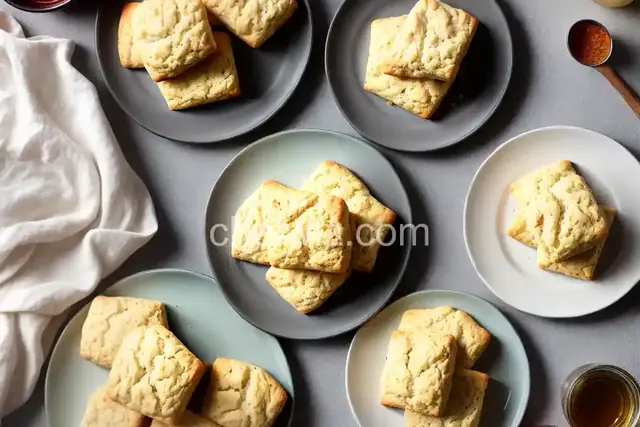
Are you craving a warm, flaky biscuit that melts in your mouth? Look no further than The Food Lab's Buttermilk Biscuits recipe. These biscuits are the epitome of comfort food, perfect for breakfast, brunch, or as a side dish to any meal. In this article, we'll dive into the secrets behind making the perfect buttermilk biscuits and explore why they are a timeless classic.
Have you ever wondered what makes a biscuit so irresistibly fluffy? It all comes down to the science of baking. The key ingredient in The Food Lab's Buttermilk Biscuits recipe is buttermilk. Its acidity reacts with the baking powder, causing the biscuits to rise and become light and airy. The combination of baking powder, flour, and fat creates layers in the dough, resulting in that sought-after flakiness.
When it comes to making buttermilk biscuits, using the right ingredients can make all the difference. The Food Lab's recipe calls for all-purpose flour, but why not experiment with other types of flour, such as whole wheat or rye, to add a unique twist? Don't forget to include cold butter or shortening for that perfect flakiness.
One essential step in making The Food Lab's Buttermilk Biscuits is cutting in the fat. This process involves incorporating the cold butter or shortening into the flour mixture until it resembles coarse crumbs. This technique creates those desirable layers in the dough, ensuring a light and fluffy texture.
Creating the perfect buttermilk biscuit requires practice and attention to detail. The Food Lab's recipe provides step-by-step instructions, guiding you through the process. Remember, the key is to handle the dough as little as possible to prevent overworking, which could result in tough biscuits.
Once you've mastered the basic recipe, the possibilities are endless. You can add shredded cheese, herbs, or even bacon to elevate the flavor profile of your biscuits. Whether you prefer them plain or jazzed up, The Food Lab's Buttermilk Biscuits are sure to satisfy your taste buds.
After preparing the dough, it's time to bake the biscuits to golden perfection. The Food Lab's recipe suggests brushing the tops with melted butter for an extra touch of flavor and a beautiful golden color. Once they're out of the oven, serve them warm with butter, jam, or gravy.
The Food Lab's Buttermilk Biscuits recipe is a foolproof way to achieve flaky, mouthwatering biscuits. With a few simple ingredients and a little practice, you'll be able to enjoy these delightful treats anytime. So, why not gather your ingredients, preheat your oven, and embark on a biscuit-making adventure today?
While buttermilk is the traditional choice, you can substitute it with regular milk. However, keep in mind that the acidity of buttermilk contributes to the biscuits' fluffiness.
Absolutely! Freezing the biscuit dough allows you to have freshly baked biscuits whenever you desire. Just make sure to wrap it tightly in plastic wrap before freezing.
Brushing the tops with melted butter before baking will give your biscuits a beautiful golden color.
Yes, you can prepare the dough ahead of time and refrigerate it. When you're ready to bake, simply cut and bake the biscuits as directed in The Food Lab's recipe.
Absolutely! There are many vegan butter substitutes available in the market that work well in buttermilk biscuit recipes. Just make sure to follow the substitution ratio recommended by the manufacturer.
There could be several reasons for dense biscuits, such as overworking the dough, using too much flour, or not using enough leavening agent. Make sure to follow The Food Lab's recipe instructions carefully.
Of course! Adjust the baking time accordingly to ensure the biscuits are baked through. Mini biscuits can be a delightful addition to brunch or as a bite-sized treat.
While The Food Lab's recipe doesn't call for sugar, you can certainly add a touch of sweetness if desired. Just keep in mind that it may alter the texture and rise of the biscuits slightly.
AprilCook, recipe developer and the heart of Chefwiz. More about April