DIY Elderflower Cordial Recipe
Rate this recipeBe the first to rate
 By AprilPublished
 Are you ready to embark on a journey of taste and aroma? Look no further than the delightful world of elderflower cordial.
 By AprilPublished
 Are you ready to embark on a journey of taste and aroma? Look no further than the delightful world of elderflower cordial.
In a medium heat, bring water and sugar to a boil until the sugar dissolves, approximately 5 to 7 minutes.
Remove the mixture from the heat and let the simple syrup cool.
Wash and slice Meyer lemon, then place them in a sealable glass jar.
Add elderflower and citric acid powder to the jar.
Pour the cooled simple syrup into the jar, seal it, and shake well.
Store the jar in the refrigerator for at least 24 hours, but it can be kept for up to 72 hours for a stronger flavor.
Use a cheesecloth to strain the cordial into a desired container, making sure to press down to extract all the liquid.
Store the cordial in a sealed glass container in the refrigerator for up to 3 months.
If you choose not to use citric acid, the cordial should be stored for no more than 3 weeks or until it appears cloudy.
If vodka is used as a preservative instead of citric acid, the cordial should be stored for no more than 6 weeks or until it appears cloudy.
Are you ready to embark on a journey of taste and aroma? Look no further than the delightful world of elderflower cordial. This homemade elixir is not only a refreshing summer drink but also a versatile ingredient that can elevate your cocktails and desserts. In this article, we will explore the wonders of elderflower cordial, its benefits, and how you can easily make it at home.
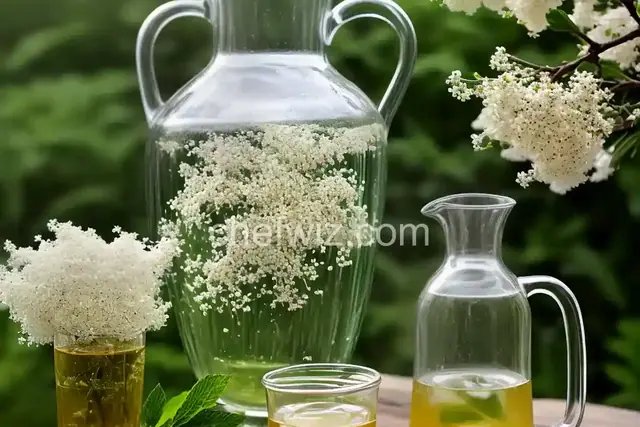
Imagine strolling through a meadow on a warm summer day, the air filled with the sweet scent of blooming elderflowers. Elderflower cordial captures the essence of these delicate white flowers, infusing their flavor into a syrup that can be diluted with water or added to various recipes.
Not only does elderflower cordial taste deliciously floral and slightly citrusy, but it also offers a range of health benefits. Rich in antioxidants, elderflowers have been used for centuries to boost the immune system, reduce inflammation, and promote healthy skin.
Creating your own elderflower cordial is a rewarding and straightforward process. All you need are fresh elderflowers, lemons, sugar, and water. The best part? You can tailor the recipe to your personal taste preferences, adjusting the sweetness and acidity to create your perfect blend.
The first step in making elderflower cordial is to find the perfect elderflowers. These delicate blossoms are typically in season during late spring and early summer, so keep an eye out for them in hedgerows, parks, or even your own backyard. Remember to choose flowers that are fully open and have a strong, aromatic scent.
Once you've gathered your elderflowers, it's time to prepare the cordial base. In a large saucepan, combine water and sugar, and heat gently until the sugar has dissolved. Next, add the zest and juice of fresh lemons to the mixture, giving it a tangy kick.
Now comes the magical part. Place the elderflowers in the saucepan with the sugar and lemon mixture. Stir gently to ensure all the flowers are coated and submerged. Let the mixture steep for 24-48 hours, allowing the flavors to meld together into a harmonious symphony.
Once the infusion period is over, it's time to strain the cordial. Using a fine-mesh sieve or muslin cloth, strain the liquid into clean, sterilized bottles. Make sure to press the flowers gently to extract all the flavors. Your homemade elderflower cordial is now ready to be enjoyed!
Elderflower cordial is not just a refreshing drink on a hot summer day. Its versatility extends far beyond that. Imagine adding a splash of elderflower cordial to your favorite gin and tonic, instantly transforming it into a fragrant and sophisticated cocktail.
Furthermore, elderflower cordial can be drizzled over desserts, such as vanilla ice cream or lemon cake, creating a delightful flavor combination that will leave your taste buds dancing with joy.
Embarking on the journey of creating your own elderflower cordial is a delightful and rewarding experience. From the moment you gather the fresh flowers to the final sip of your homemade creation, you'll be amazed at the vibrant flavors and versatility this floral elixir offers.
So, why not embrace the beauty of elderflowers and elevate your summer with a taste of nature's goodness? Indulge in the enchanting world of elderflower cordial and let your senses bloom.
A1: While fresh elderflowers are ideal for making cordial, you can use dried elderflowers as a substitute. Just keep in mind that the flavor may be slightly different.
A2: When stored in a cool, dark place, homemade elderflower cordial can last for several weeks. However, it's best to consume it within a month for optimal flavor.
A3: Yes, you can freeze elderflower cordial. Pour it into ice cube trays or freezer-safe containers for convenient portioning.
A4: Absolutely! You can substitute honey for sugar in your elderflower cordial recipe. Just keep in mind that the taste and sweetness level may vary.
A5: Yes, you can experiment with different flavors by adding herbs like mint or thyme, or even a touch of vanilla extract. Let your creativity run wild!
A6: Elderflower syrup can be used as a substitute for elderflower cordial in most recipes. However, be mindful of the sweetness level and adjust accordingly.
A7: Elderflower cordial is generally safe for children. However, it's best to dilute it with water to reduce the sugar content.
A8: Absolutely! Elderflower cordial can add a delightful floral twist to your baked goods. Use it to flavor cakes, muffins, or even buttercream frosting.
AprilCook, recipe developer and the heart of Chefwiz. More about April