Southern-Style Unsweetened Cornbread Recipe
Rate this recipeBe the first to rate
 By AprilPublished
 When it comes to comfort food, few things can beat a warm slice of Southern-style unsweetened cornbread.
 By AprilPublished
 When it comes to comfort food, few things can beat a warm slice of Southern-style unsweetened cornbread.
Place a well-seasoned 12-inch cast iron skillet in the middle rack of the oven and preheat the oven to 375°F (190°C).
In a large bowl, combine cornmeal, salt, baking powder, baking soda, and sugar (if desired), and whisk together.
In a separate bowl, whisk together buttermilk and eggs until well mixed. While whisking, slowly add all but 1 tablespoon of the melted butter.
Gradually whisk the liquid ingredients into the dry ingredients until thoroughly combined, being careful not to over-mix.
Pour the remaining tablespoon of melted butter into the preheated skillet and gently swirl it around to coat the bottom and sides. Then, scrape the batter into the prepared skillet, smoothing the top with a rubber spatula.
Bake the cornbread for approximately 45 minutes, or until it is lightly browned on top and a skewer inserted into the center comes out clean.
Allow the cornbread to cool for about 15 minutes in the skillet before serving. (Note: Cornbread is best enjoyed while still warm, as it may lose its texture when cooled.)
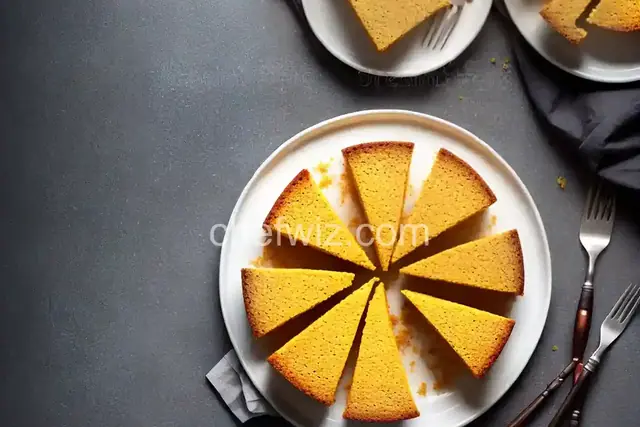
When it comes to comfort food, few things can beat a warm slice of Southern-style unsweetened cornbread. With its golden crust and crumbly texture, this classic dish has been a staple in kitchens across the South for generations. Whether you pair it with a bowl of chili or enjoy it on its own, cornbread is a versatile and satisfying addition to any meal.
So, what makes Southern-style unsweetened cornbread so special? It all starts with the ingredients. Instead of using sugar like some other cornbread recipes, this version relies on the natural sweetness of cornmeal. This gives the cornbread a more savory taste that pairs well with a variety of dishes.
Another key element is the cooking method. Traditionally, Southern-style cornbread is baked in a cast-iron skillet. This gives it a unique texture and helps to create a crispy exterior that is simply irresistible. The combination of the cast-iron skillet and the unsweetened cornbread batter creates a mouth-watering contrast between the crunchy outer layer and the tender center.
While the classic recipe is undeniably delicious, there are also plenty of ways to put your own spin on this Southern favorite. For a little extra flavor, try adding some chopped jalapenos or a handful of shredded cheese to the batter before baking. You could even mix in some cooked bacon or sautéed onions for a savory twist.
If you're feeling adventurous, you could experiment with different types of cornmeal. From fine to coarse, each variety will yield a slightly different texture and flavor. Some people even like to mix different types of cornmeal together to create their own custom blend.
Southern-style unsweetened cornbread is incredibly versatile and can be served in a variety of ways. One classic option is to pair it with a bowl of chili. The cornbread's savory taste and crumbly texture complement the rich flavors of the chili perfectly. You could also serve it alongside a plate of fried chicken or barbecue for a true Southern feast.
For a lighter option, try serving the cornbread with a fresh salad or some steamed vegetables. The contrast between the warm, hearty cornbread and the crisp, cool greens is a match made in heaven.
Southern-style unsweetened cornbread is a delightful and timeless dish that captures the essence of Southern cuisine. With its golden crust, crumbly texture, and savory taste, it's no wonder this cornbread has stood the test of time. Whether you stick to the classic recipe or get creative with your own additions, a slice of Southern-style cornbread is sure to bring warmth and comfort to any meal.
No, this recipe calls for unsweetened cornmeal to achieve the traditional savory taste of Southern-style cornbread. Using sweet cornmeal would alter the flavor and sweetness of the final product.
While using a cast-iron skillet is traditional and helps create the desired texture, you can still make delicious cornbread using a different type of baking dish. Just be aware that the texture and crust may be slightly different.
Absolutely! Southern-style cornbread is incredibly versatile, and you can add ingredients like cheese, jalapenos, or bacon to the batter for extra flavor. Get creative and experiment with different combinations!
To keep your cornbread fresh, store it in an airtight container at room temperature for up to three days. You can also freeze it for longer storage. Just make sure to wrap it tightly in plastic wrap or foil before placing it in the freezer.
Yes, you can make this recipe gluten-free by substituting regular flour with a gluten-free flour blend. Just make sure to check that all other ingredients are also gluten-free.
While it's best to bake the cornbread right after preparing the batter, you can make the batter a few hours ahead of time and refrigerate it until you're ready to bake. Just give it a quick stir before pouring it into the baking dish.
Absolutely! You can use a muffin tin to make individual cornbread muffins. Just adjust the baking time accordingly, as they will cook faster than a whole skillet of cornbread.
Yes, you can make this recipe vegan by using plant-based milk and replacing the eggs with a vegan egg substitute or flaxseed meal. Just make sure to check that all ingredients are vegan-friendly.
AprilCook, recipe developer and the heart of Chefwiz. More about April