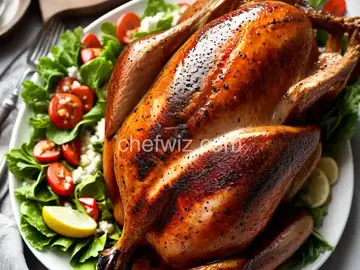
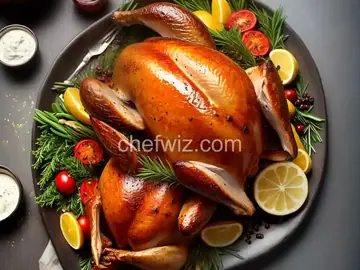
The Best Roasted Turkey
Rate this recipeBe the first to rate
 By AprilPublished
 Thanksgiving is just around the corner, and what better way to celebrate than with a perfectly roasted turkey?
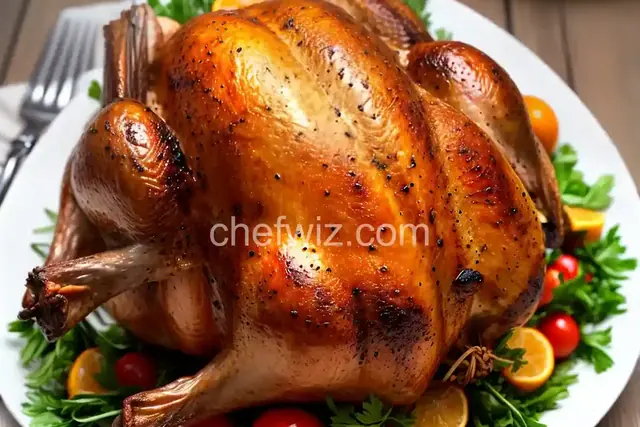 By AprilPublished
 Thanksgiving is just around the corner, and what better way to celebrate than with a perfectly roasted turkey?
Position the rack in the lowest part of the oven and preheat to 325 degrees F.
Take out any turkey parts from the neck and breast cavities and keep them for other purposes if desired.
Pat dry the turkey with paper towels, both inside and outside.
Season the inside of the breast cavity with salt and pepper, and stuff it with the onion, garlic, herbs, and bay leaves.
Place the turkey on a roasting rack inside a roasting pan, with the breast side facing up.
Brush half of the butter generously over the turkey and sprinkle with salt and pepper. Cover the turkey with foil.
Roast the turkey for 2 hours.
Remove the foil and baste the turkey with the remaining butter.
Increase the oven temperature to 425 degrees F and continue roasting until a meat thermometer inserted into the thigh reads 165 degrees F, which should take around 45 minutes more.
Take the turkey out of the oven and let it rest for 15 minutes before carving.
Carve the turkey and serve.
Thanksgiving is just around the corner, and what better way to celebrate than with a perfectly roasted turkey? The aroma of a juicy, tender turkey fills the air, bringing everyone together around the dinner table. But how can you ensure that your roasted turkey is the best it can be? In this article, we will explore some tips and tricks to help you achieve turkey perfection.
When it comes to roasting a turkey, selecting the right bird is crucial. Look for a plump turkey with smooth, creamy skin. Avoid any birds with dry or discolored skin, as this may indicate a less-than-fresh turkey. Additionally, consider the size of the turkey to ensure it will fit in your oven comfortably.
Before roasting your turkey, it's important to properly prepare it. Start by removing the giblets and neck from the body cavity. Rinse the turkey thoroughly, inside and out, and pat it dry with paper towels. This will help ensure a crispy skin.
Seasoning your turkey is a crucial step in creating a flavorful roast. You can use a simple combination of salt, pepper, and herbs, or get creative with a unique spice blend. Rub the seasoning all over the turkey, including under the skin for extra flavor.
As for stuffing, it's a personal preference. Some people enjoy stuffing the turkey with a traditional bread stuffing, while others prefer to cook it separately. If you choose to stuff the turkey, make sure the stuffing reaches a safe internal temperature to avoid any foodborne illnesses.
Now that your turkey is prepared, it's time to roast it to perfection. Preheat your oven to the recommended temperature, usually around 325°F (165°C). Place the turkey on a rack in a roasting pan, breast-side up. This will help promote even cooking and prevent the bottom from becoming soggy.
Cover the turkey loosely with foil to prevent the skin from getting too dark. Remove the foil during the last hour of cooking to allow the skin to brown and crisp up. Use a meat thermometer to ensure the turkey reaches an internal temperature of 165°F (74°C) in the thickest part of the thigh.
Once the turkey is cooked to perfection, resist the temptation to carve into it right away. Allow the turkey to rest for about 20 to 30 minutes before carving. This allows the juices to redistribute, resulting in a more succulent and tender turkey.
Roasting a turkey to perfection is a true art form. By choosing the right turkey, properly preparing it, and following the roasting process, you can create a succulent and flavorful centerpiece for your Thanksgiving feast. Remember to let the turkey rest before carving and enjoy the fruits of your labor. Happy roasting!
The cooking time for a turkey depends on its weight. As a general rule of thumb, roast the turkey for about 13 minutes per pound. However, it's always best to use a meat thermometer to ensure it reaches the recommended internal temperature.
Absolutely! Brining is a great way to infuse flavor and moisture into the turkey. Just be sure to rinse off the brine before seasoning and roasting.
Basting can add extra flavor and moisture to the turkey. However, frequent basting can also extend the cooking time. If you choose to baste, do it sparingly to avoid constantly opening the oven door.
To achieve crispy skin, make sure to pat the turkey dry before seasoning. You can also rub butter or oil on the skin to enhance crispiness. Additionally, removing the foil during the last hour of cooking will allow the skin to brown and crisp up.
Yes, you can roast a frozen turkey. However, make sure to allow enough time for it to thaw completely before cooking. Follow the recommended thawing guidelines provided by the manufacturer.
Absolutely! Roasting a turkey without stuffing allows for more even cooking and reduces the risk of foodborne illnesses. If you prefer stuffing, you can always cook it separately.
Use a meat thermometer to check the internal temperature. The turkey should reach 165°F (74°C) in the thickest part of the thigh. This ensures that it is cooked thoroughly and safe to eat.
Definitely! The drippings from the roasted turkey can be used to make a delicious gravy. Simply skim off the fat and whisk in some flour or cornstarch to thicken the gravy.
AprilCook, recipe developer and the heart of Chefwiz. More about April