The Best Mashed Potatoes
Rate this recipeBe the first to rate
 By AprilPublished
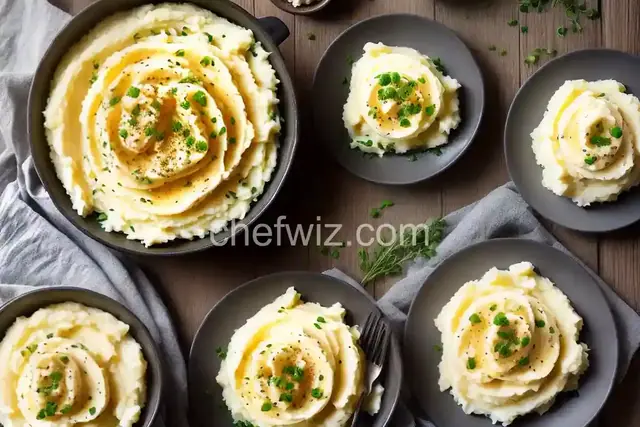
 Who doesn't love a big, fluffy bowl of mashed potatoes? They're the ultimate comfort food, perfect for any occasion.
 By AprilPublished
 Who doesn't love a big, fluffy bowl of mashed potatoes? They're the ultimate comfort food, perfect for any occasion.
Collect all the necessary ingredients.
Peel and cut the potatoes into quarters, then place them in a large pot.
Fill the pot with water and add some salt. Bring it to a boil.
Cook the potatoes until they are tender but still slightly firm, which should take around 15 minutes.
Drain the water from the pot and return the potatoes to it.
Place the pot over low heat and let the potatoes dry for 1 to 2 minutes.
Add Parmesan cheese, cream cheese, chives, butter, garlic, salt, and pepper to the pot.
Use a potato masher to mash the potatoes until they become smooth.
Serve the mashed potatoes while hot and enjoy your meal.
Keep in mind that the ingredient amounts and total time may vary when following the magazine version of this recipe.
Who doesn't love a big, fluffy bowl of mashed potatoes? They're the ultimate comfort food, perfect for any occasion. Whether you're serving them as a side dish for Thanksgiving or simply craving something warm and creamy, mashed potatoes never disappoint. But what makes the best mashed potatoes? Let's dive in and find out!
First things first, you need to choose the right potatoes for your mashed potatoes. Russet potatoes are the go-to choice due to their high starch content. The starch helps create that light and fluffy texture we all love. Yukon Gold potatoes are another great option, offering a buttery flavor that adds a little something extra to your dish.
Boiling the potatoes is a crucial step in the mashed potato-making process. You want to start with cold water and add a generous pinch of salt. Bring the water to a gentle boil and cook the potatoes until they're tender but not falling apart. This usually takes around 15-20 minutes. Once they're cooked, drain them well to remove any excess moisture.
Now comes the fun part - mashing the potatoes! You have a few options here. If you prefer a chunkier consistency, you can use a potato masher or fork. For a smoother texture, a potato ricer or food mill works wonders. Whichever method you choose, be sure not to overmix the potatoes as it can lead to a gluey consistency. Less is more!
Mashed potatoes are delicious on their own, but adding a few extra ingredients can take them to a whole new level. Butter, cream, and milk are the classic choices for richness and creaminess. Garlic, herbs, and cheese are also popular additions that add a burst of flavor. Don't be afraid to get creative and experiment with different flavors - just remember to add them gradually and taste as you go!
Once your mashed potatoes are ready, it's time to serve them up. They pair perfectly with roasted meats, gravy, or even on their own. If you have leftovers, store them in an airtight container in the refrigerator. They'll keep for a few days, and you can always reheat them in the microwave or on the stovetop.
Mashed potatoes are a classic dish that brings comfort and joy to every table. By choosing the right potatoes, mastering the boiling process, achieving the perfect texture, and adding your favorite ingredients, you can create the best mashed potatoes you've ever tasted. So, grab your apron, roll up your sleeves, and get ready to make a bowl of mashed potatoes that will have everyone asking for seconds!
While you can use different types of potatoes, Russet and Yukon Gold are the best choices for that fluffy texture we all love in mashed potatoes.
Be careful not to overmix the potatoes, as this can lead to a gluey consistency. Mash them just enough to get the desired texture.
Absolutely! You can make mashed potatoes ahead of time and store them in the refrigerator. Just make sure to reheat them properly before serving.
Yes, you can use dairy-free substitutes like olive oil, vegetable broth, or coconut milk to achieve a creamy texture without dairy products.
If you don't have a potato masher, you can use a fork or a food mill to mash the potatoes. They might require a bit more effort, but the end result will be just as delicious.
Yes, you can freeze mashed potatoes. Just make sure to store them in an airtight container and thaw them in the refrigerator before reheating.
Absolutely! Adding vegetables like cauliflower, carrots, or parsnips can add extra flavor and nutrition to your mashed potatoes.
To make vegan mashed potatoes, simply replace dairy products with plant-based alternatives like vegan butter, almond milk, or cashew cream.
AprilCook, recipe developer and the heart of Chefwiz. More about April