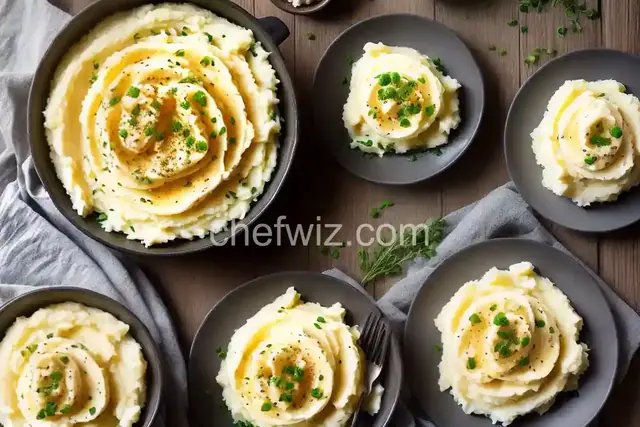
Who doesn't love a creamy, buttery bowl of mashed potatoes? Whether you're serving them alongside a juicy steak or as a comforting side dish on a cold winter's day, mashed potatoes are a versatile and delicious addition to any meal. But what makes the best mashed potatoes? Let's dive in and explore the secrets to creating the perfect bowl of fluffy, flavorful goodness.
The Potatoes
Choosing the right potatoes is the first step towards achieving mashed potato perfection. Russet potatoes are the go-to choice for many chefs due to their high starch content, which results in a light and fluffy texture. Yukon Gold potatoes are another excellent option, as they have a buttery flavor and creamy texture that lends itself well to mashed potatoes. Whichever variety you choose, make sure they are fresh and firm to the touch.
Cooking Methods
There are a few different ways to cook your potatoes before mashing. Boiling is the most common method, where you simply place the peeled and diced potatoes in a pot of salted water and cook until tender. Another option is steaming, which helps retain more of the potato's natural flavor and nutrients. Whichever method you choose, be sure to drain the potatoes well before mashing.
Mashing Techniques
The key to achieving smooth and creamy mashed potatoes lies in the mashing technique. For a rustic, chunkier texture, use a potato masher or a fork. If you prefer a smoother consistency, a potato ricer or a food mill will do the trick. Avoid using a blender or food processor, as they can over-process the potatoes and make them gluey. Remember to add your preferred seasonings, such as butter, milk, salt, and pepper, while mashing to infuse the potatoes with flavor.
Adding Flair
While classic mashed potatoes are delicious on their own, you can take them to the next level by adding some flair. Consider mixing in roasted garlic for a savory twist or incorporating herbs like rosemary or thyme for added freshness. For a touch of indulgence, a sprinkle of grated cheese or a dollop of sour cream can elevate your mashed potatoes to new heights of deliciousness.
Serving Suggestions
Mashed potatoes are a versatile side dish that pairs well with a variety of main courses. Serve them alongside a juicy steak for a classic steakhouse experience or as a comforting accompaniment to roast chicken. They also make a great base for dishes like shepherd's pie or potato pancakes. The possibilities are endless!
Conclusion
In conclusion, the best mashed potatoes are made with the right potatoes, cooked to perfection, and mashed with care. Experiment with different techniques and flavors to find your own signature mashed potato recipe. Whether you prefer them smooth and creamy or rustic and chunky, mashed potatoes are a crowd-pleasing dish that will always have a special place on your dinner table.
Frequently asked questions
- Can I make mashed potatoes ahead of time?
Yes, you can make mashed potatoes ahead of time and store them in the refrigerator for up to 3 days. When ready to serve, simply reheat them on the stovetop or in the microwave.
- How do I prevent my mashed potatoes from becoming gluey?
To prevent gluey mashed potatoes, avoid over-mashing or using a blender or food processor. These methods can over-process the potatoes and release too much starch, resulting in a sticky texture.
- Can I freeze mashed potatoes?
Yes, you can freeze mashed potatoes. Simply transfer them to an airtight container or freezer bag and store in the freezer for up to 3 months. Thaw them in the refrigerator overnight before reheating.
- What can I do with leftover mashed potatoes?
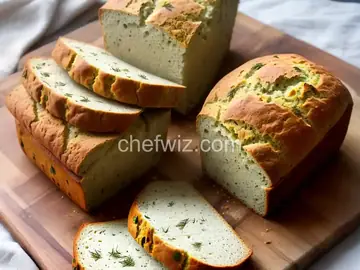
Leftover mashed potatoes can be transformed into delicious dishes like potato pancakes, shepherd's pie, or even potato bread. Get creative and experiment with different recipes!
- Can I use other types of potatoes for mashed potatoes?
While Russet and Yukon Gold potatoes are the most commonly used for mashed potatoes, you can certainly use other varieties like red or white potatoes. Just keep in mind that the texture and flavor may vary slightly.
- How can I make vegan mashed potatoes?
To make vegan mashed potatoes, simply substitute dairy butter and milk with plant-based alternatives like vegan butter and almond milk. You can still achieve a creamy and delicious result without using animal products.
- Can I add cheese to my mashed potatoes?
Absolutely! Adding grated cheese to your mashed potatoes can add a delightful flavor and creaminess. Cheddar, Parmesan, and Gruyere are popular choices, but feel free to experiment with your favorite cheese.
- How can I make my mashed potatoes healthier?
To make your mashed potatoes healthier, you can use low-fat milk or broth instead of cream, and reduce the amount of butter or use a healthier alternative like olive oil. You can also add steamed cauliflower or carrots for added nutrients and flavor.
 By AprilPublished